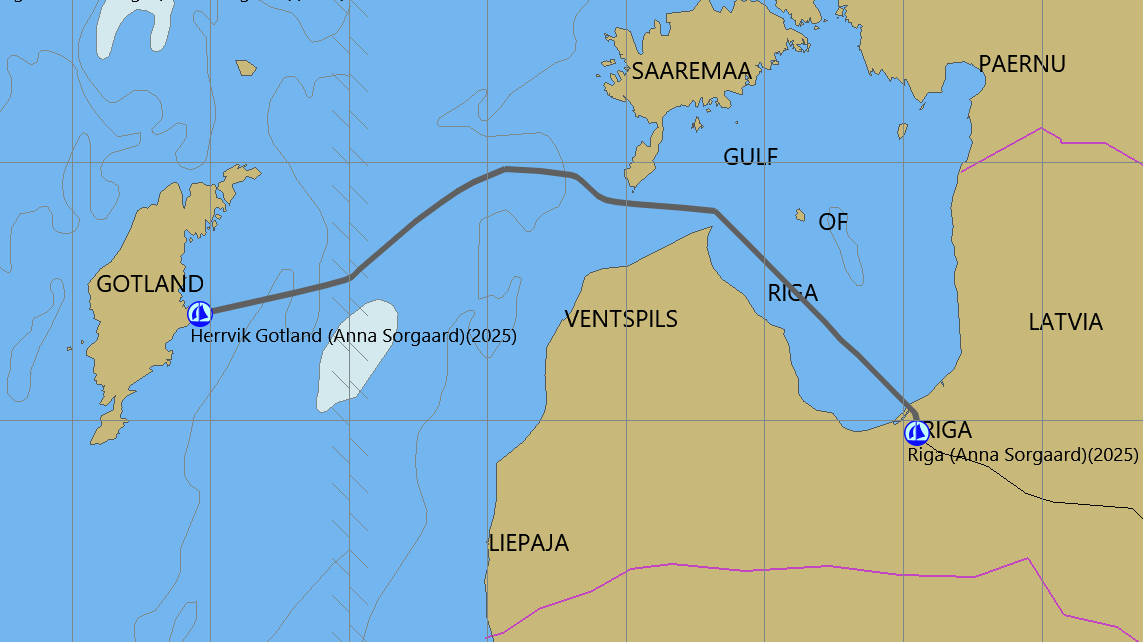
The route from Gotland to Riga was estimated to take 20 hours. We left Herrvik Marina on August 7 morning. It started calmly and smoothly, with light to moderate W–SW breezes and calm to slight seas (0.5–1 m), making for a relaxed and comfortable sail. However, as we entered the Gulf of Riga, conditions deteriorated rapidly. SW–W winds strengthened, gusting up to 25–30 kt, and the sea became rough, with 2–3 m waves creating a confused and choppy environment. Onboard, items were thrown about, loose gear shifted, and the boat’s interior became chaotic and messy, turning this part of the passage into a challenging, high-energy stretch of sailing.
The morning entry into the Gulf of Riga proved a bit rough. Southwesterly winds freshened, kicking up a steep 2–3 m chop across the shallower waters of the bay. Anna rode the seas steadily, though every crest and trough demanded careful steering, and below decks the motion sent lockers rattling and loose items sliding about.
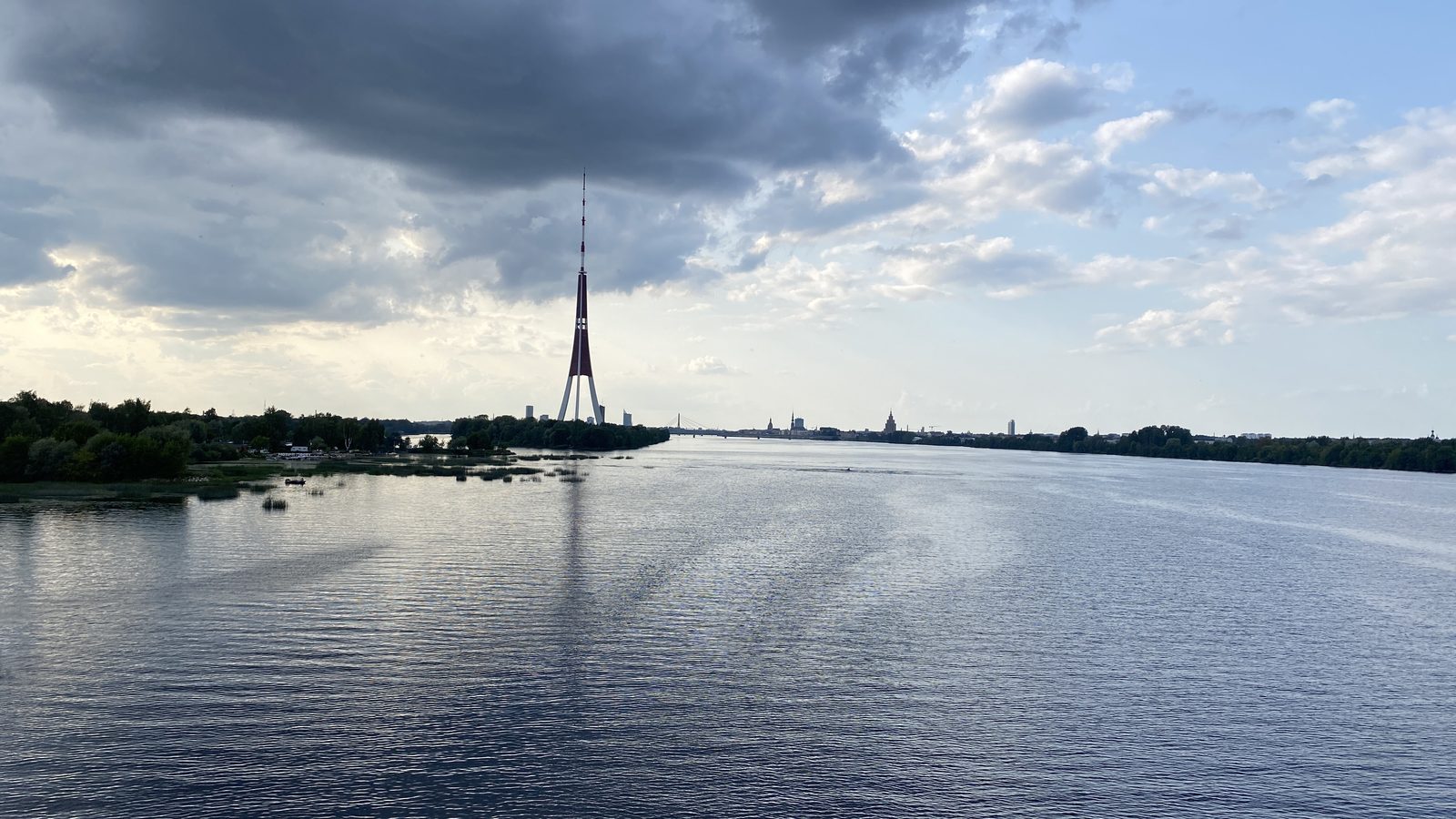
As we pressed closer to the Daugava River, the conditions gradually eased. The skyline of Riga slowly emerged through the haze, with church spires and modern buildings marking our destination. Entering the calmer waters of the river channel was a welcome relief after the bumpy morning.
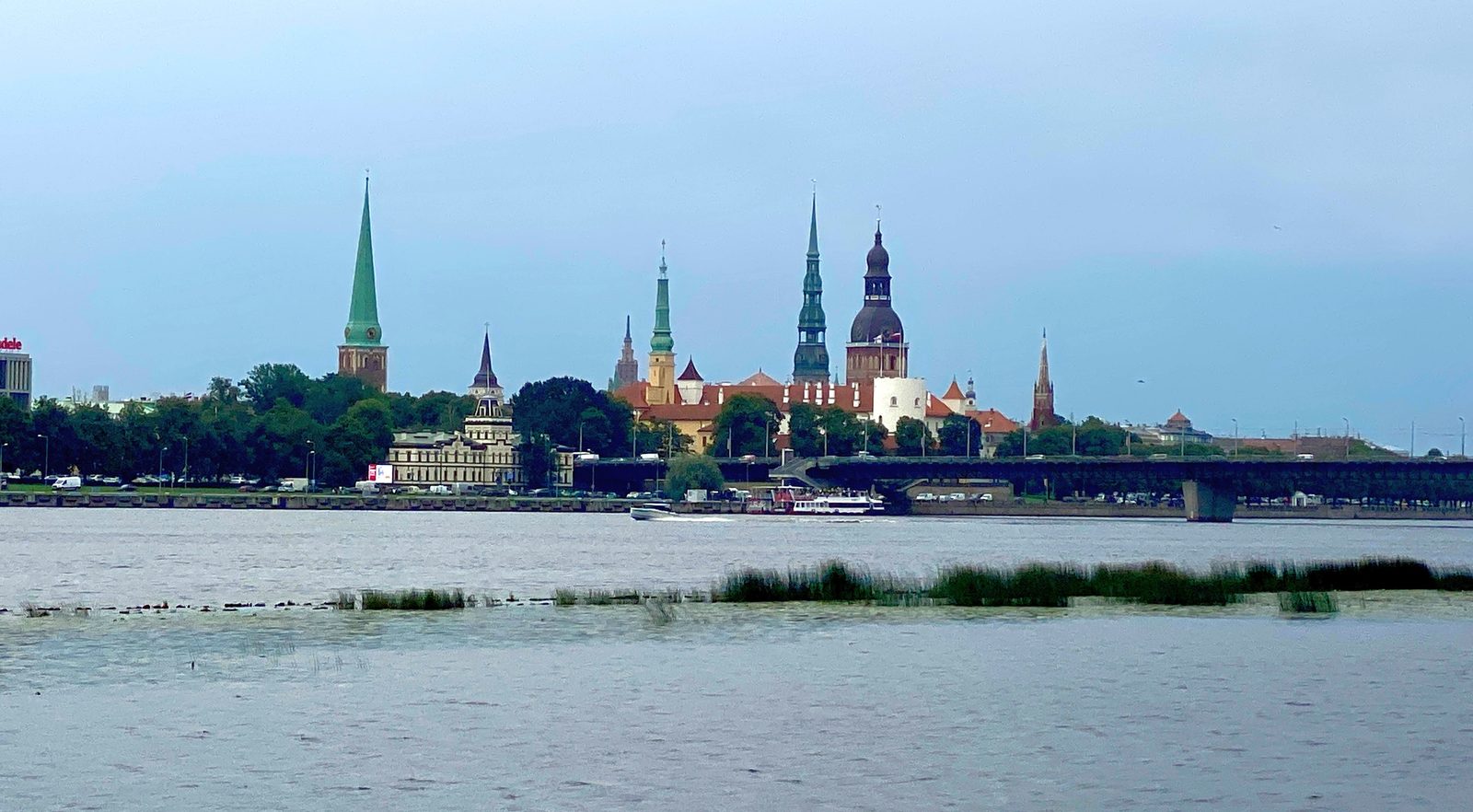
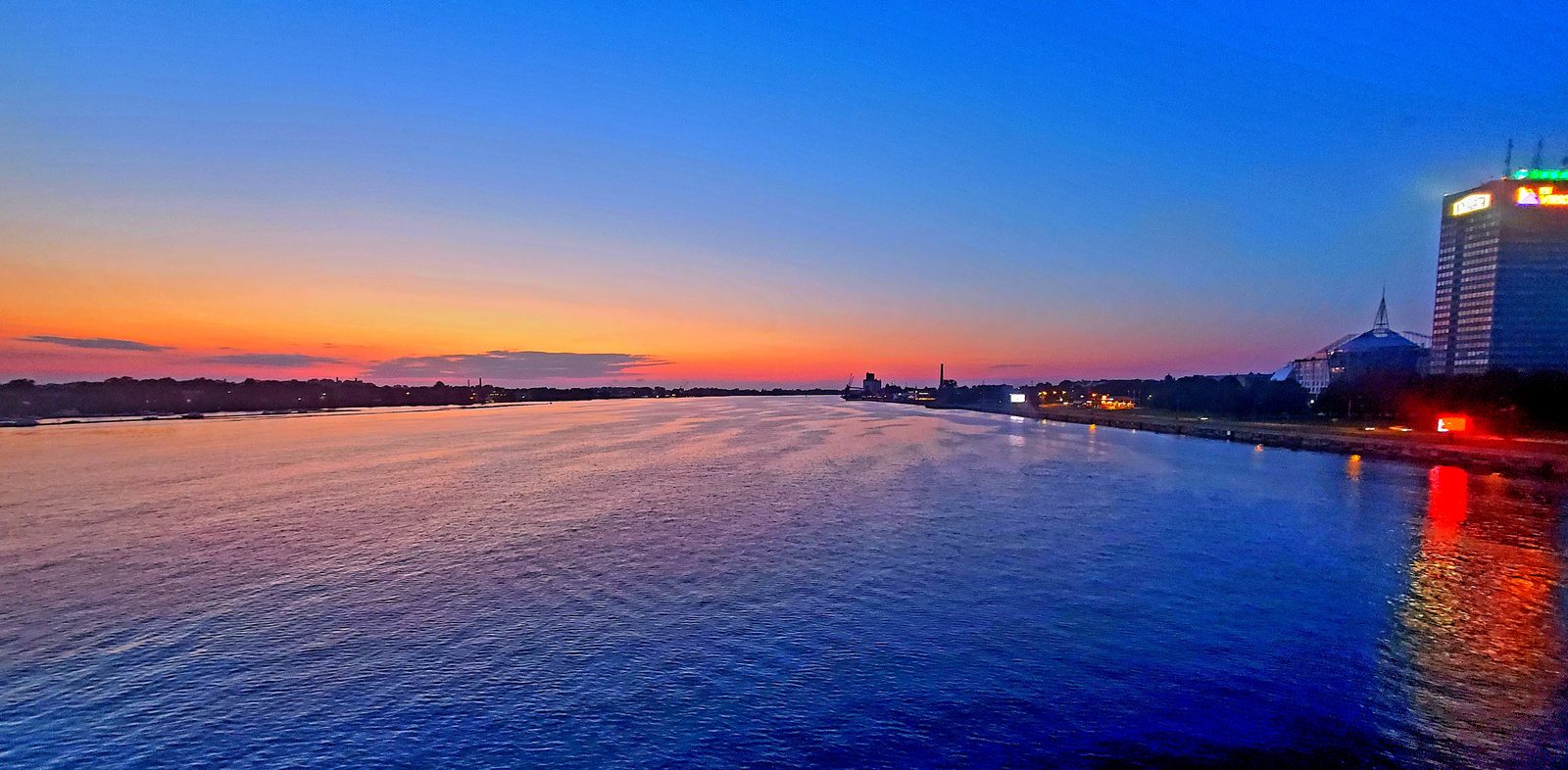
The shores of the river were lined with industrial buildings, some operating but others deserted and in a very desolate state. It appears that these are still remnants from the USSR era.
By early afternoon, we were secured at Riga Pilsētas Jahtklubs – Riga City Yacht Club (📍 56°57′47″ N, 24°05′02″ E), the municipal yacht club along the Daugava. The sheltered berths, quiet river setting, and easy access to the city provided a fitting contrast to the lively seas outside, marking the end of a challenging but rewarding approach into Latvia’s capital.
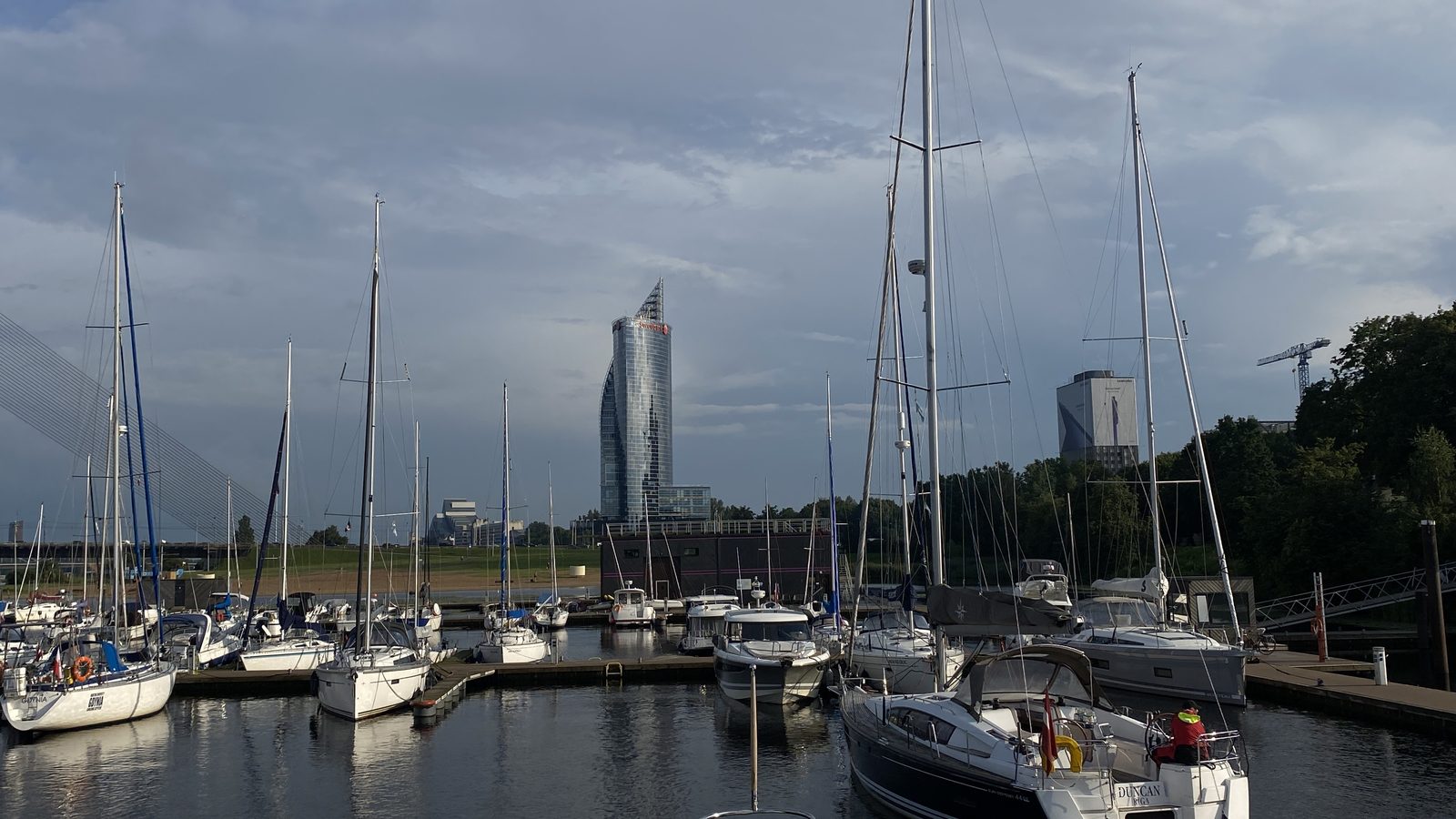
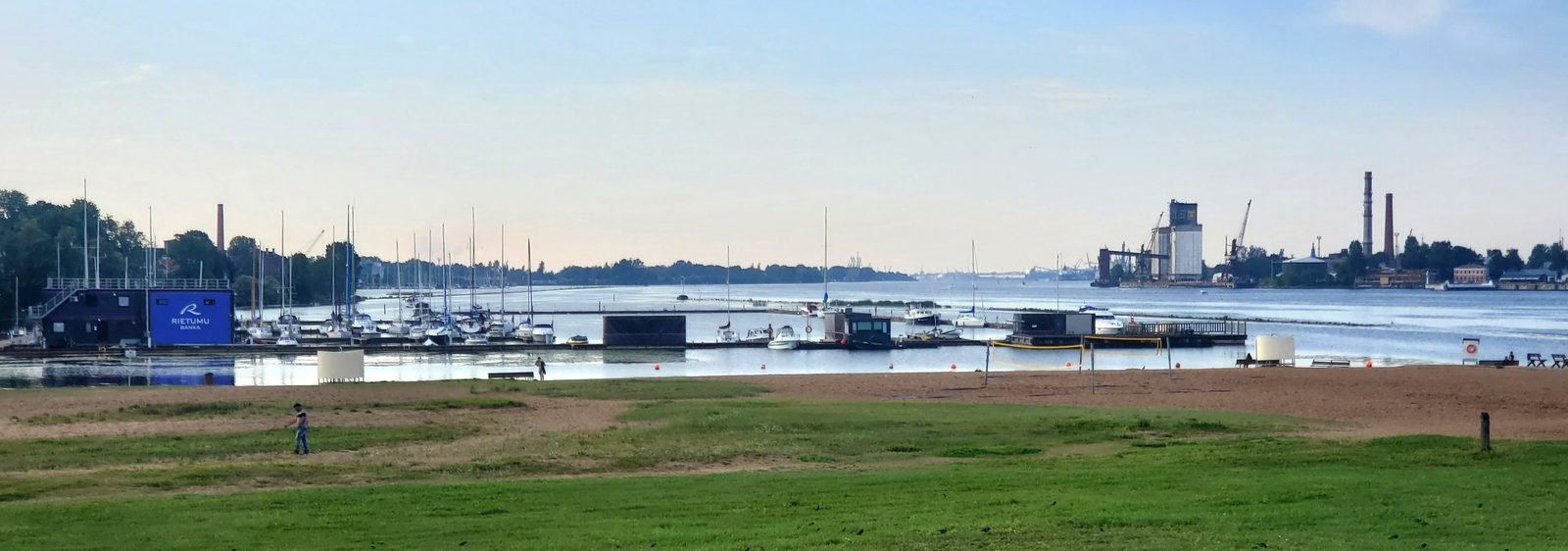
It was just after 1 p.m. when Mikel arrived at Riga Pilsētas Jahtklubs, right as we were busy settling Anna into her berth, adjusting fenders, tightening the springs, stern, and bow lines, and making sure everything sat snug against the dock. Within moments the work was done, the boat secure, and the timing couldn’t have been better: we gathered around for a simple but comforting home-cooked lunch, the perfect prelude to an afternoon of wandering and discovery in the city across the iconic bridge next to the marina.
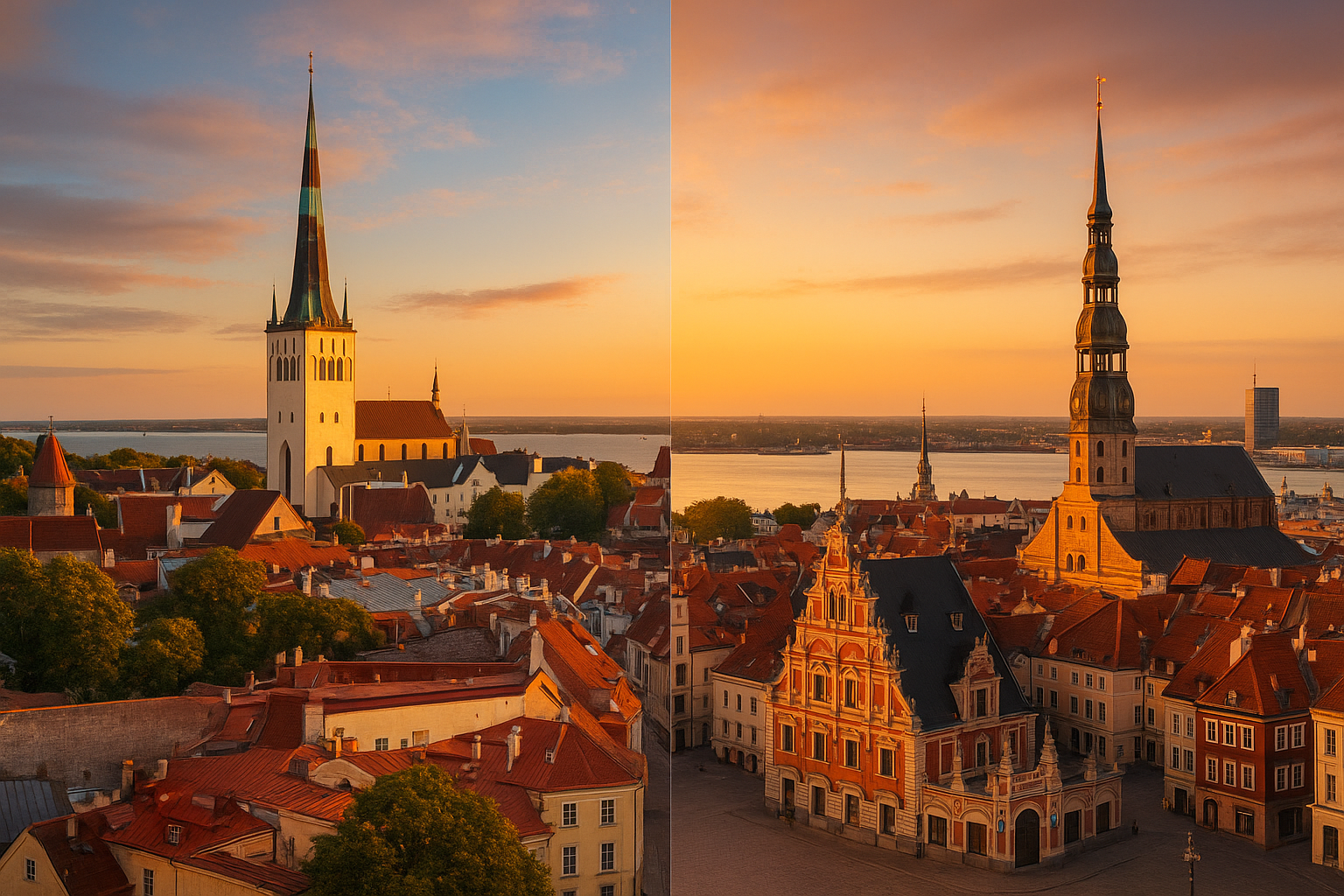
Riga is a city where history is written into every stone and street. Founded in 1201 by Bishop Albert, it quickly grew into a powerful Hanseatic League trading hub, its wealth reflected in the merchant houses, guild halls, and churches that still define the Old Town (Vecrīga). The House of the Blackheads, originally built in the 14th century for unmarried merchants, stands as one of Riga’s most iconic landmarks, while the towering St. Peter’s Church spire long served as a symbol of the city’s prosperity.
Over the centuries, Riga had been ruled by Germans, Swedes, Poles, and Russians, each leaving traces in its architecture, culture, and traditions. This layered past gives the city a rich, multicultural character. Beyond its medieval heart, Riga flourished in the late 19th and early 20th centuries, becoming a showcase for Art Nouveau architecture, with more than 800 examples that make it one of the most significant collections in the world.
Riga, along with the rest of Latvia, regained independence from the Soviet Union on August 21, 1991, when Latvia’s parliament declared full independence during the failed Moscow coup. The USSR formally recognized it on September 6, 1991, marking Riga’s transition from Soviet rule to the capital of a newly independent nation.
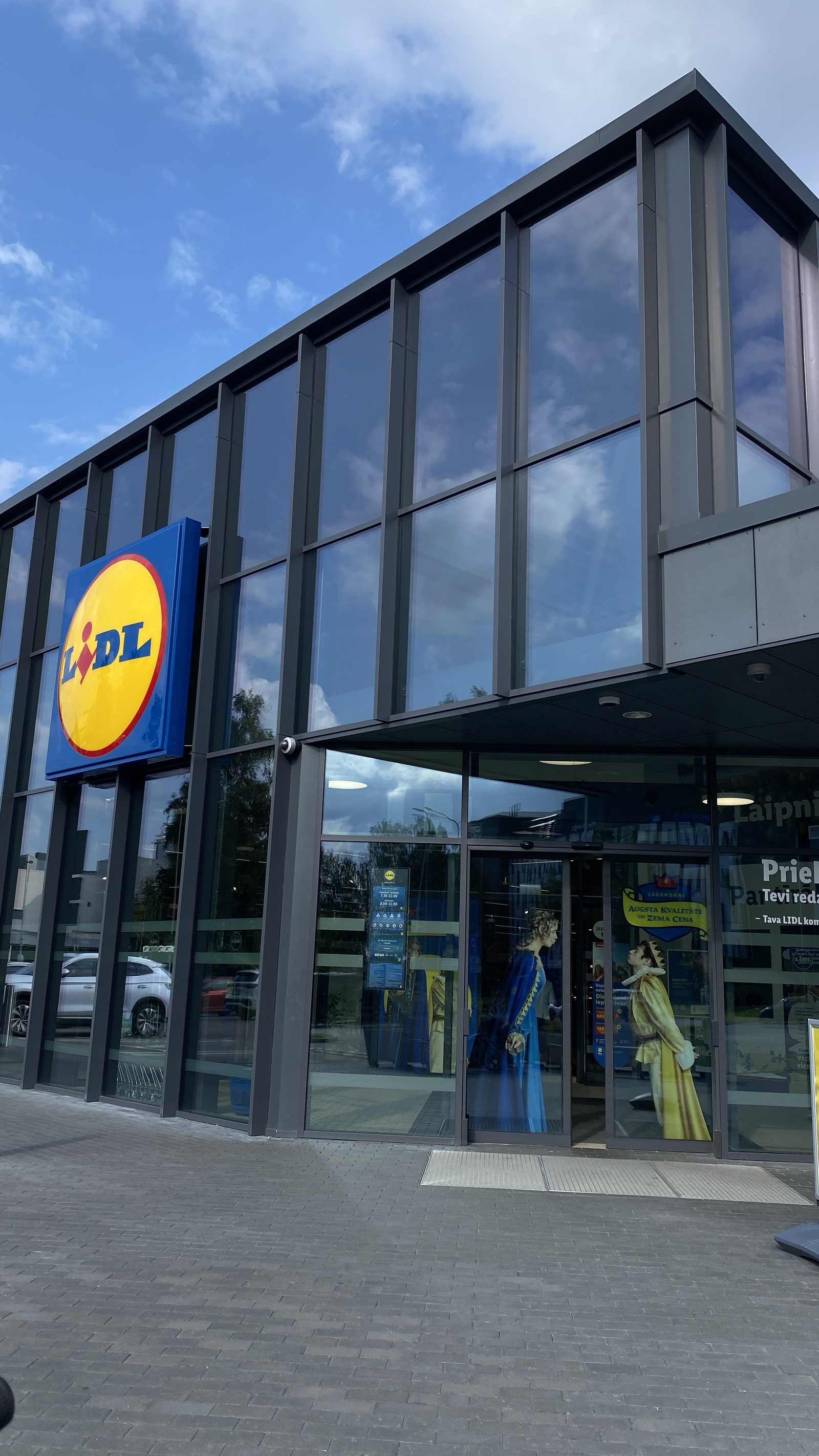
Boys will be boys — David and Martin simply can’t resist a challenge, no matter how childish! Martin, always up for an adventure, set out on what should have been a simple grocery run. To his surprise, he discovered that Riga alone boasts 16 Lidl stores — more than half of Latvia’s total of 30!
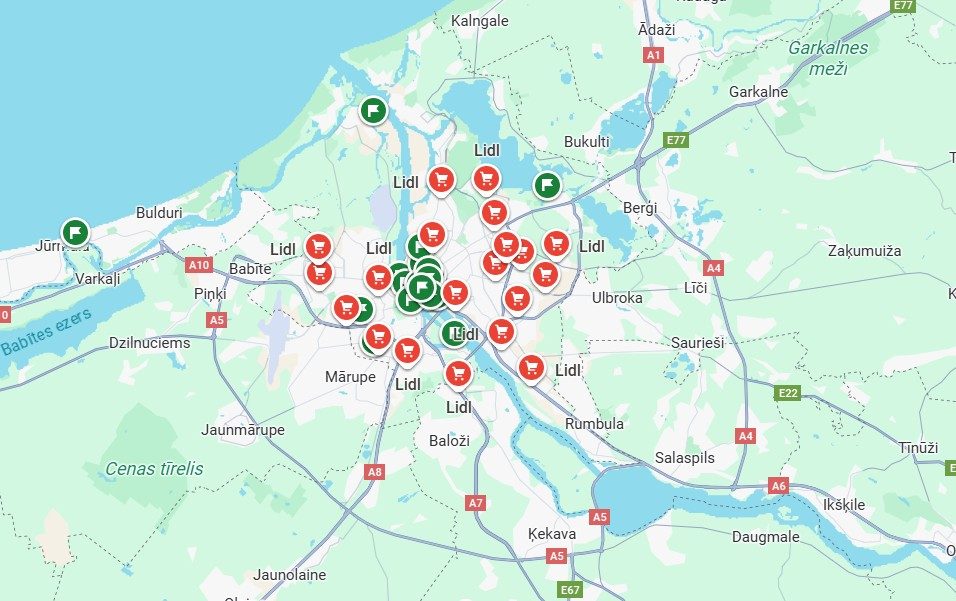
With a mischievous grin, David teased, “Let’s see how many you can actually visit in a day?” That was all it took. Martin accepted the challenge wholeheartedly, determined not only to visit as many Lidls as possible in a single day but also to collect a can of beer from each one — a two-in-one quest of stamina and taste testing.
And so, off he went on his bike, with a not-so-impressed Ivy reluctantly in tow; skipping Riga’s charming sights for a very different kind of city tour: a full-on Lidl hunt. The pair zipped past cobbled streets, grand facades, cozy cafés, monuments, and tourist attractions, trading culture for cart wheels and adventure for aisles. By the end of the day, just before the clock struck 8 pm, the cut-off time for alcohol sales, he proudly declared his achievement: 11 Lidl stores visited, each contributing a single can to his prize collection. His very own Lidl-inspired beer display, proof that adventure comes in all forms, even the supermarket kind.
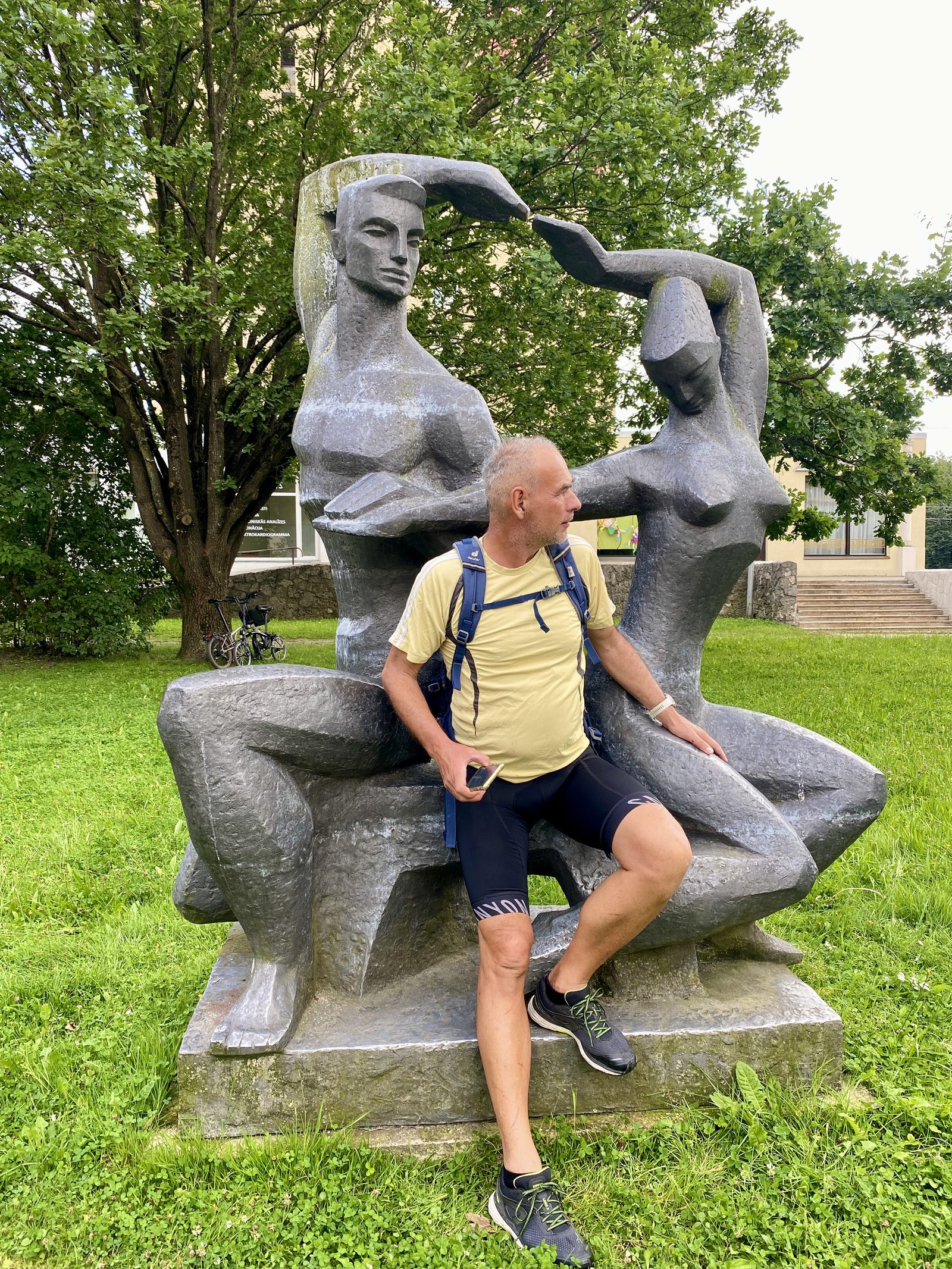
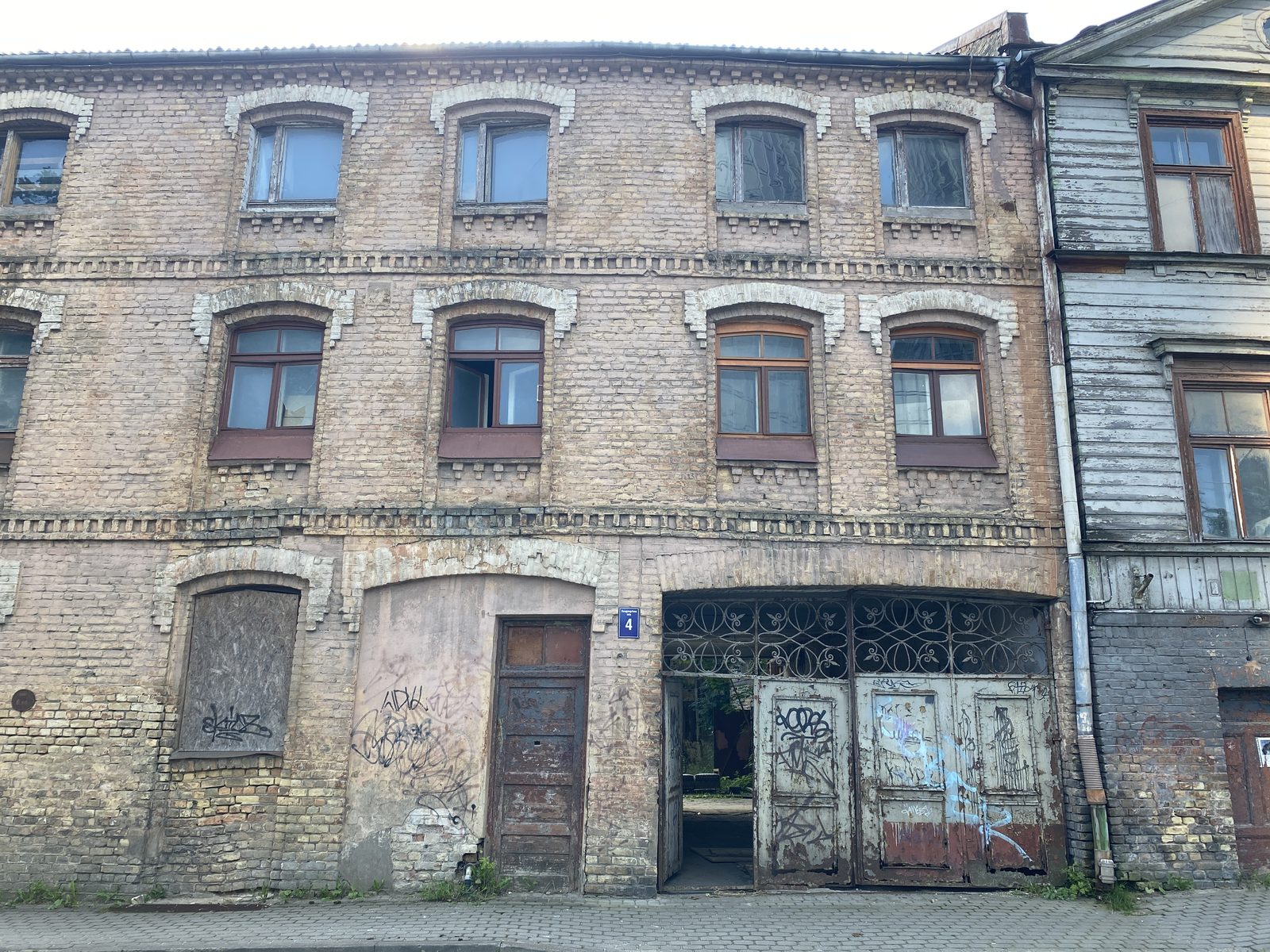
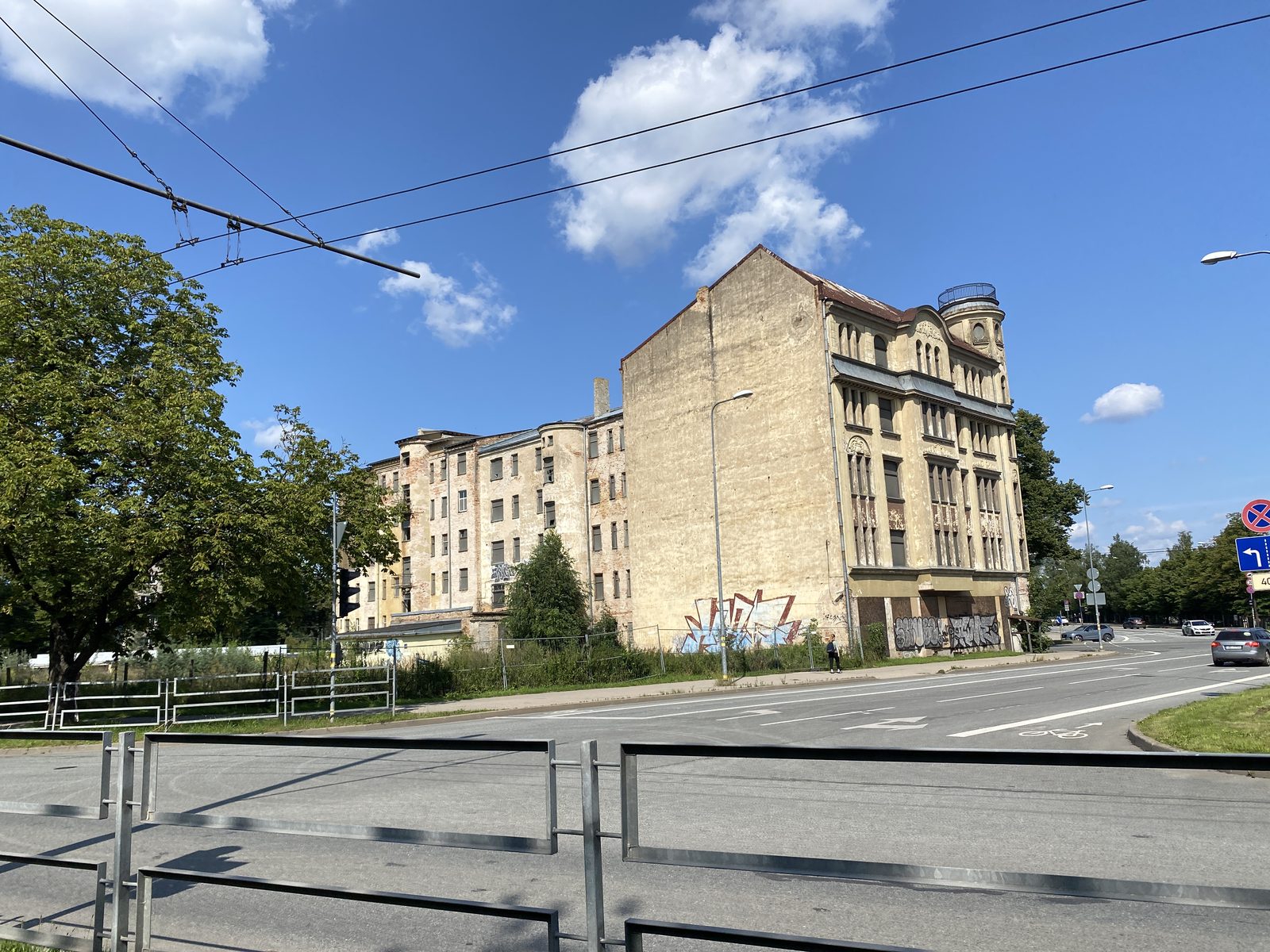
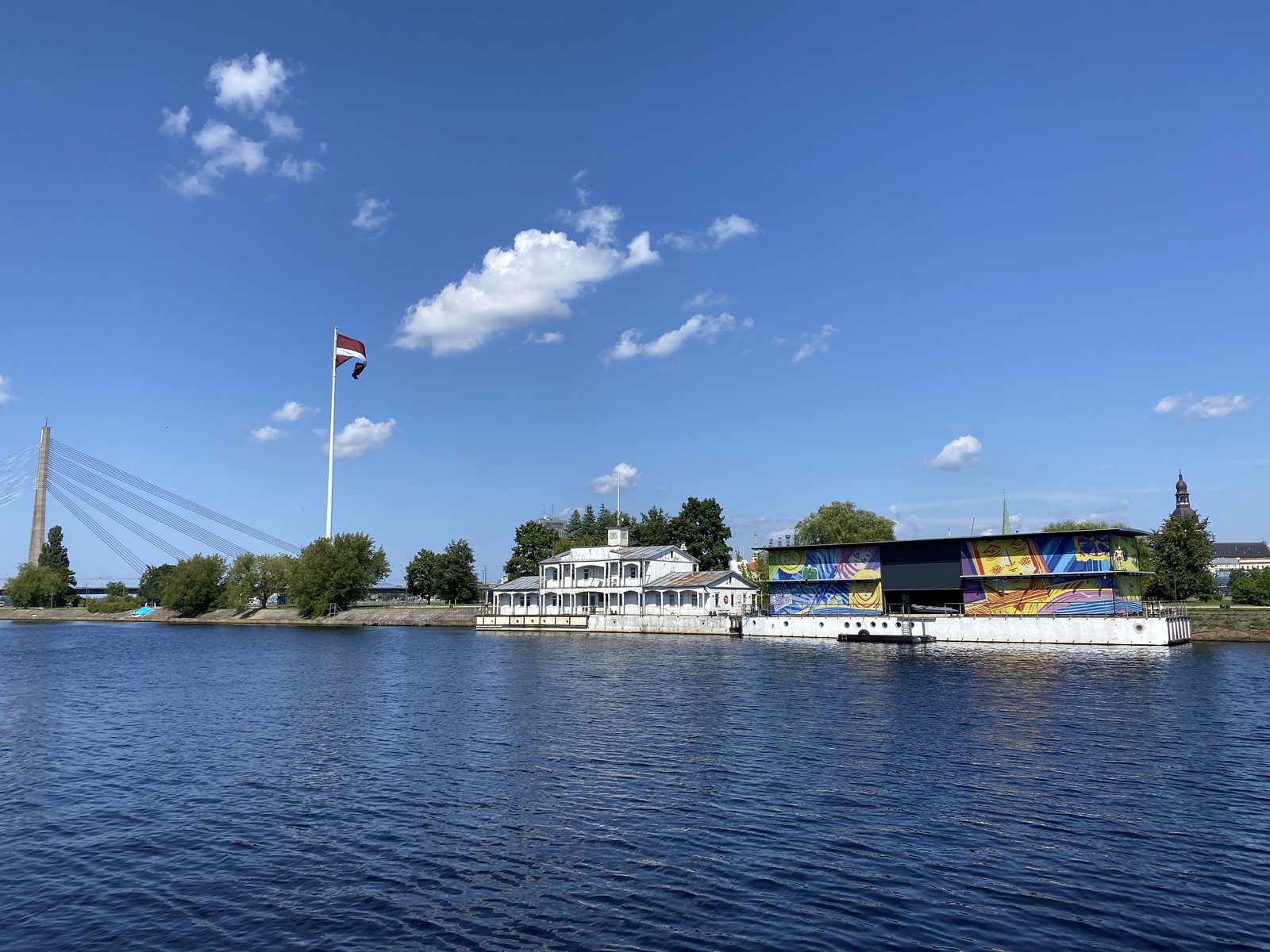
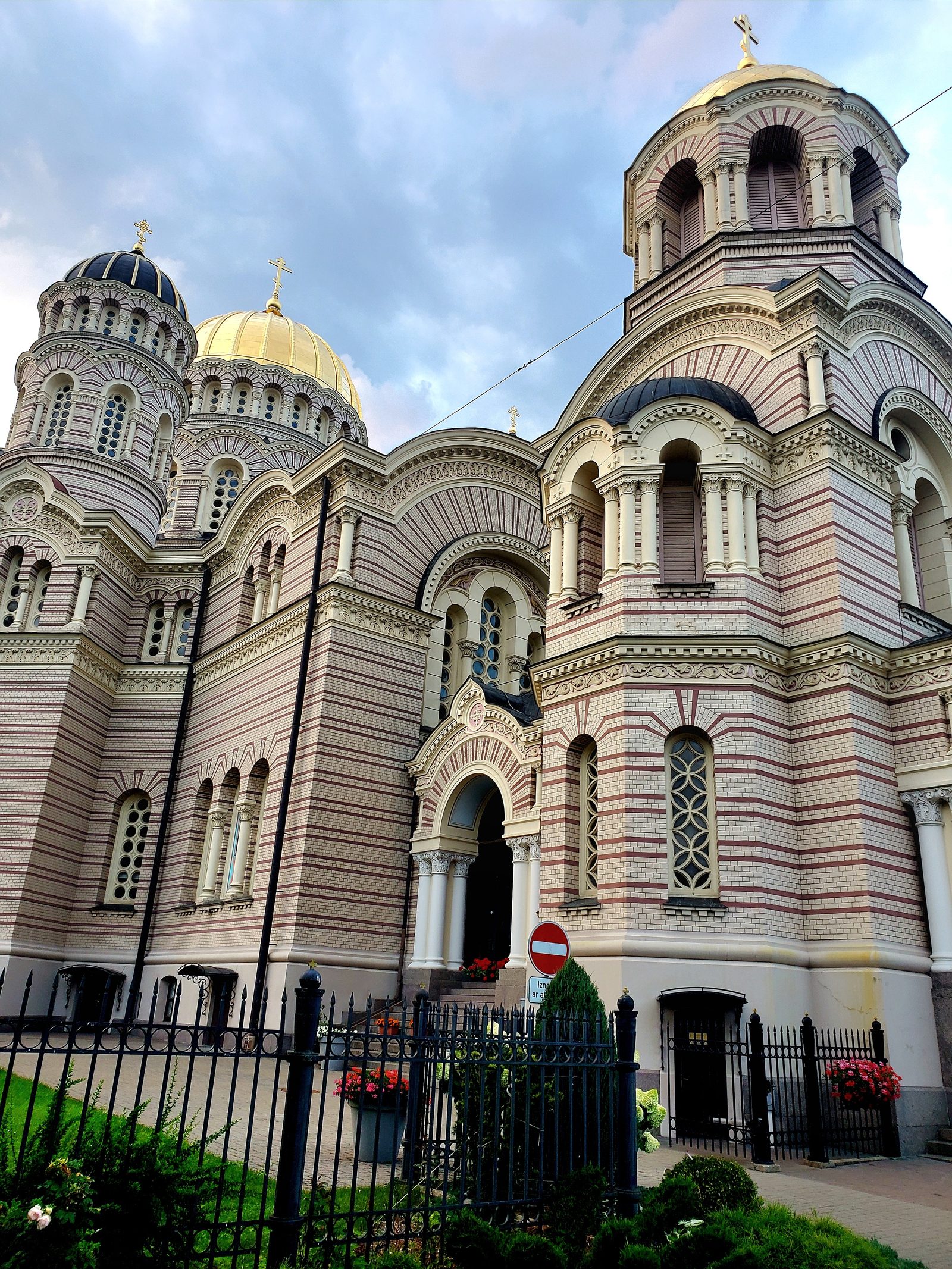
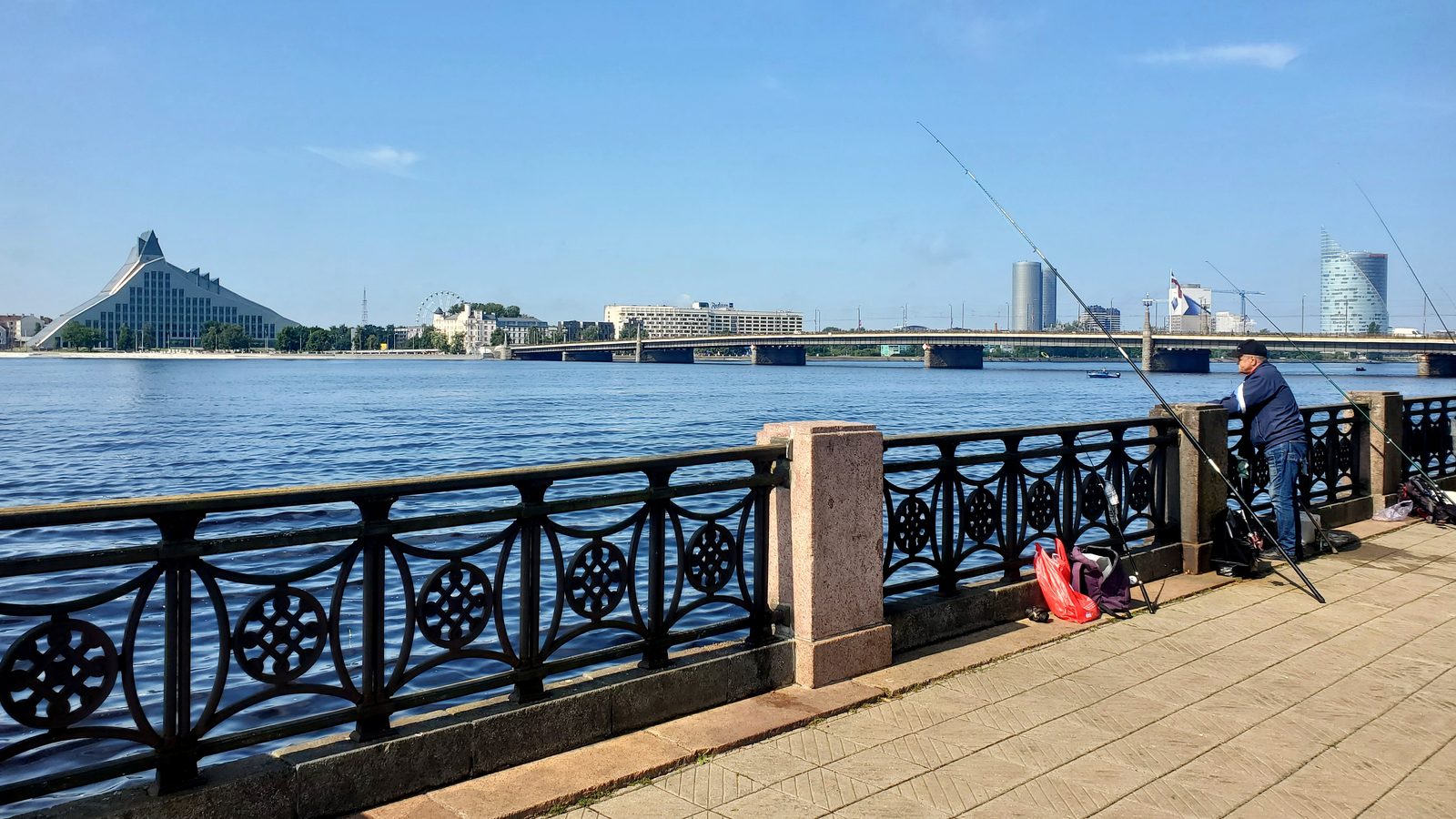
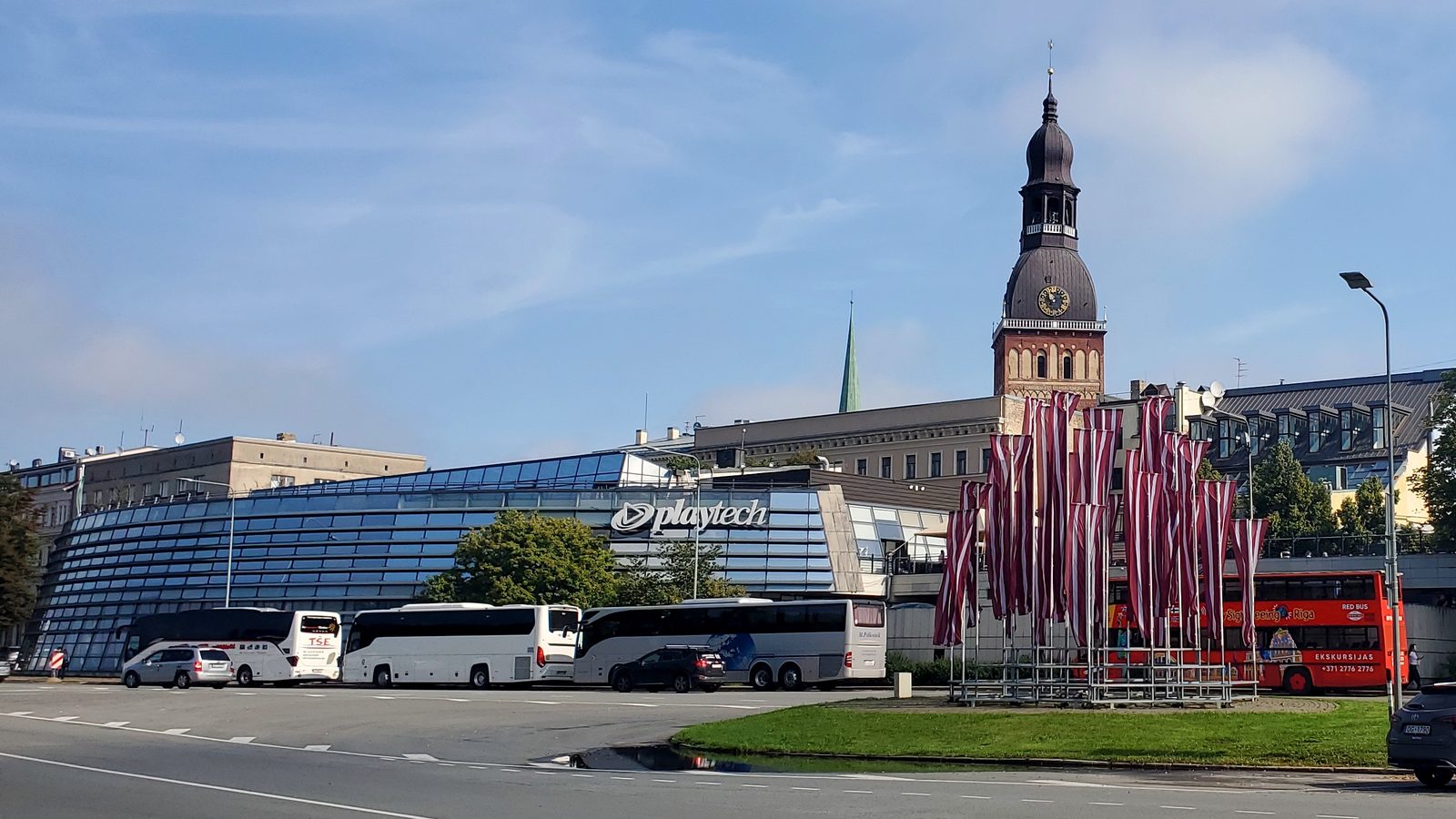
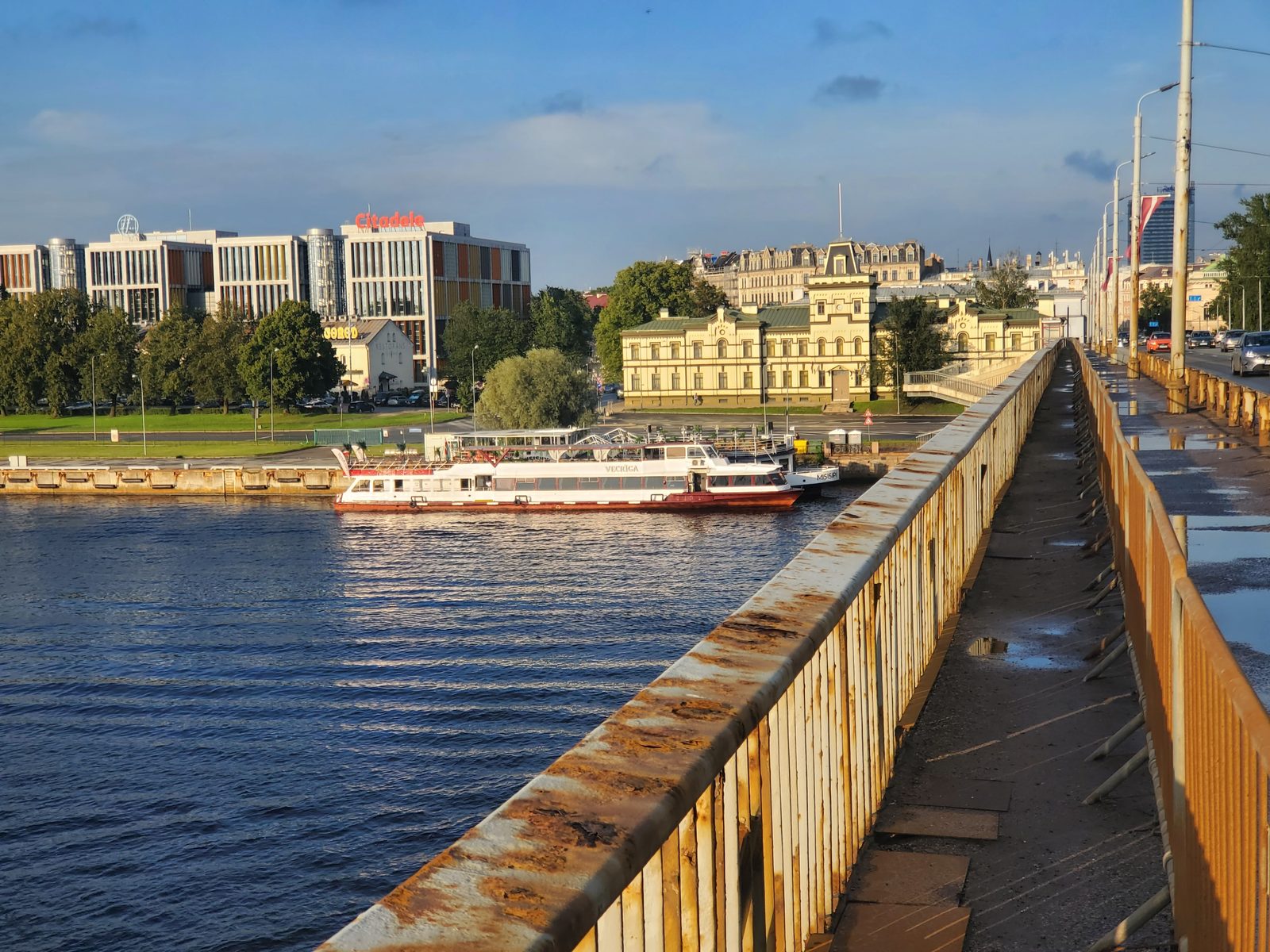
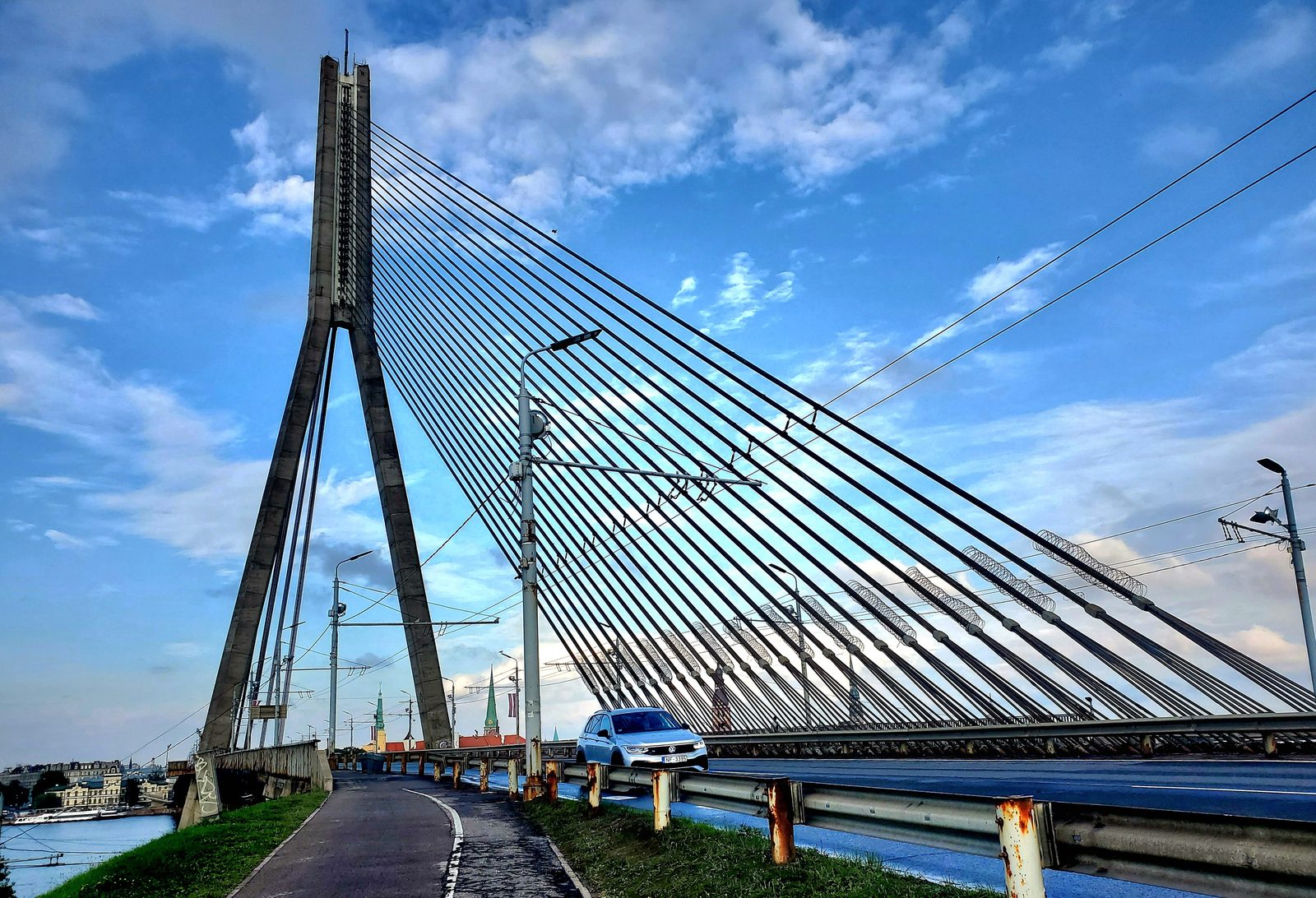
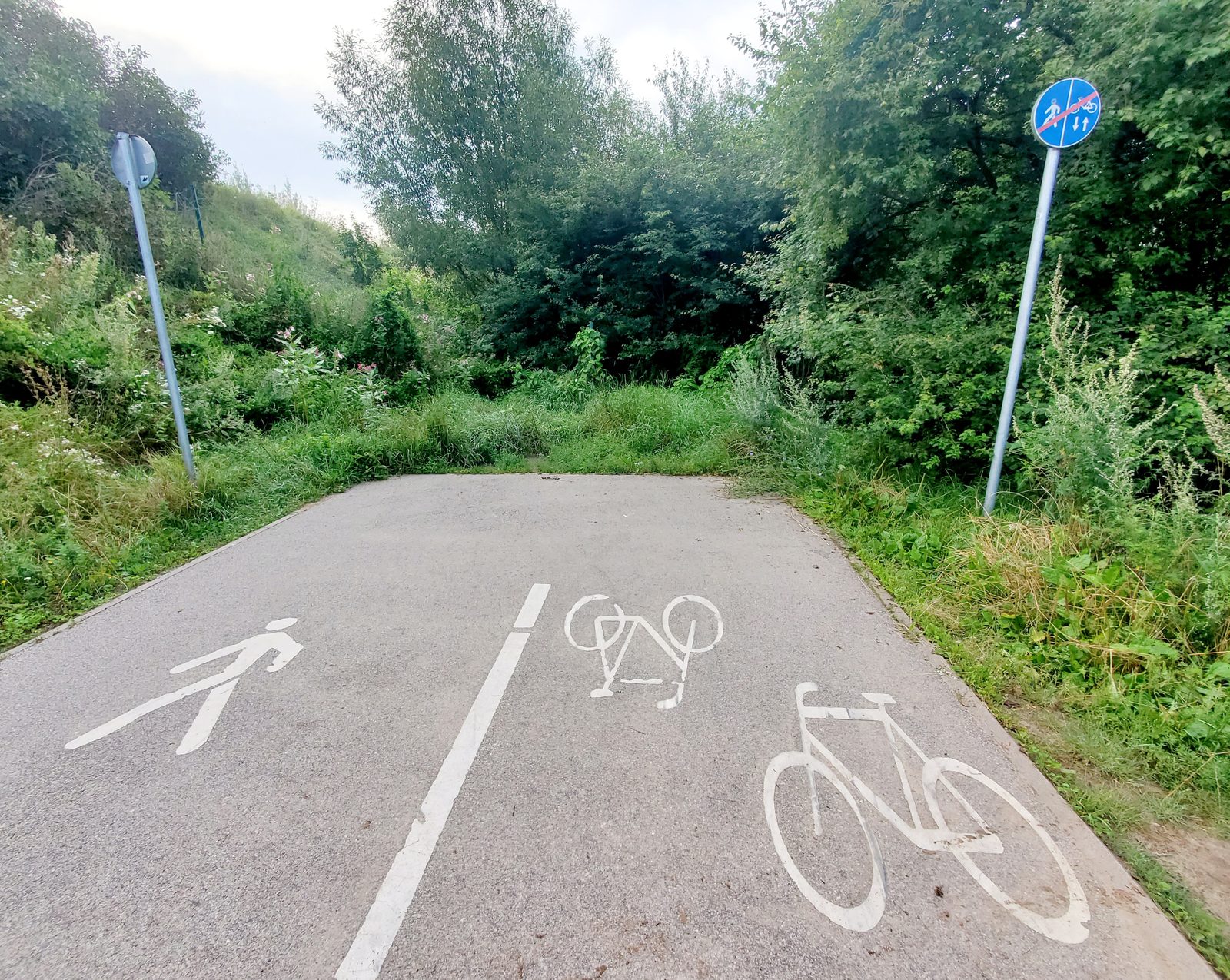
Riga, the capital of Latvia, masterfully blends rich history with vibrant modern life. Its UNESCO-listed Old Town charms with cobbled streets, Gothic churches, and landmarks such as the House of the Blackheads and St. Peter’s Church, while the city is equally celebrated for its stunning Art Nouveau architecture. Beyond the historic center, visitors can explore museums, lively markets, and the vast Riga Central Market — housed in five former Zeppelin hangars. Covering about 72,300 m² and home to over 3,000 trade stands, it ranks among the largest markets in Europe. Café-lined boulevards and a thriving cultural scene add to the city’s appeal.
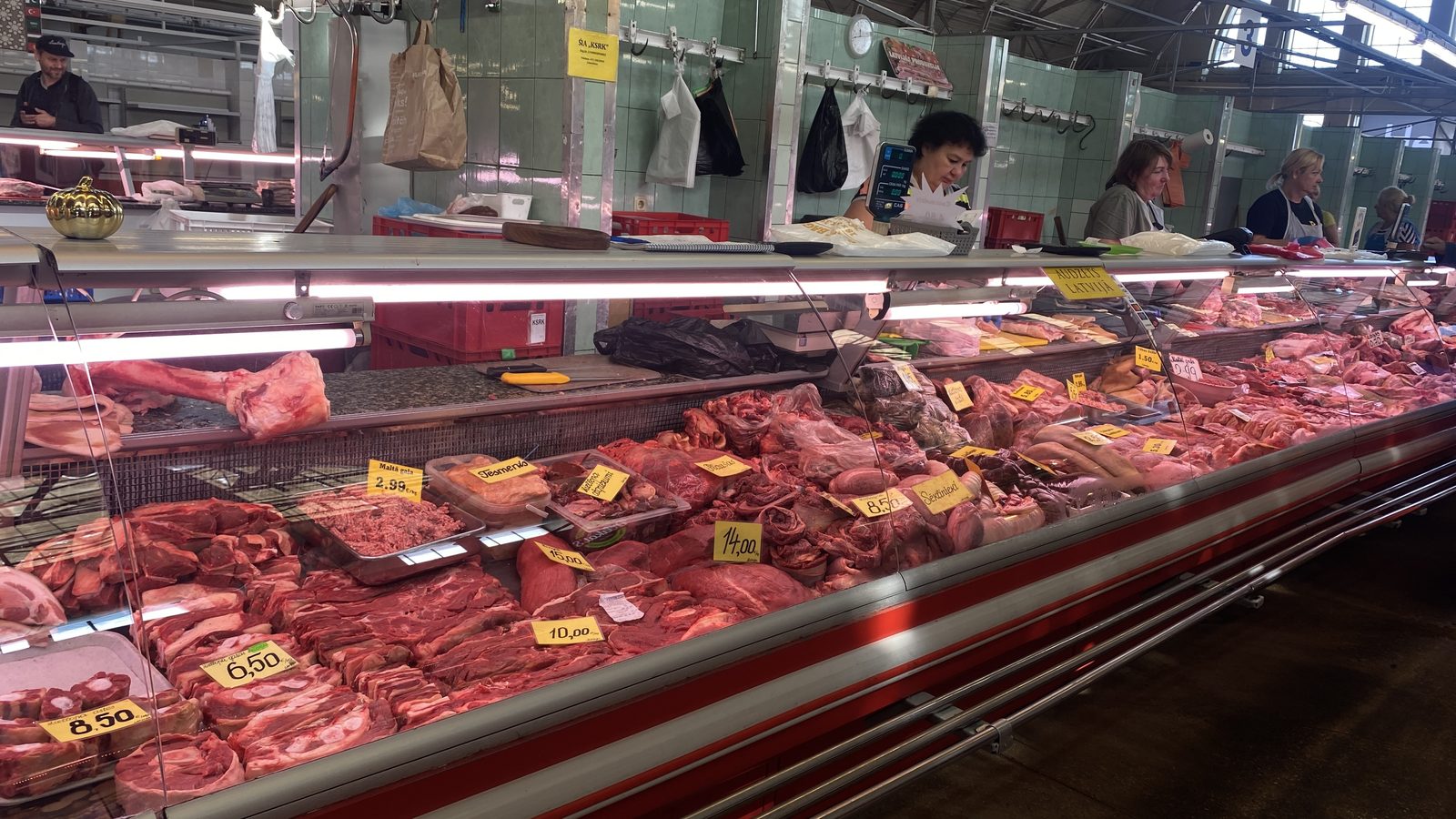
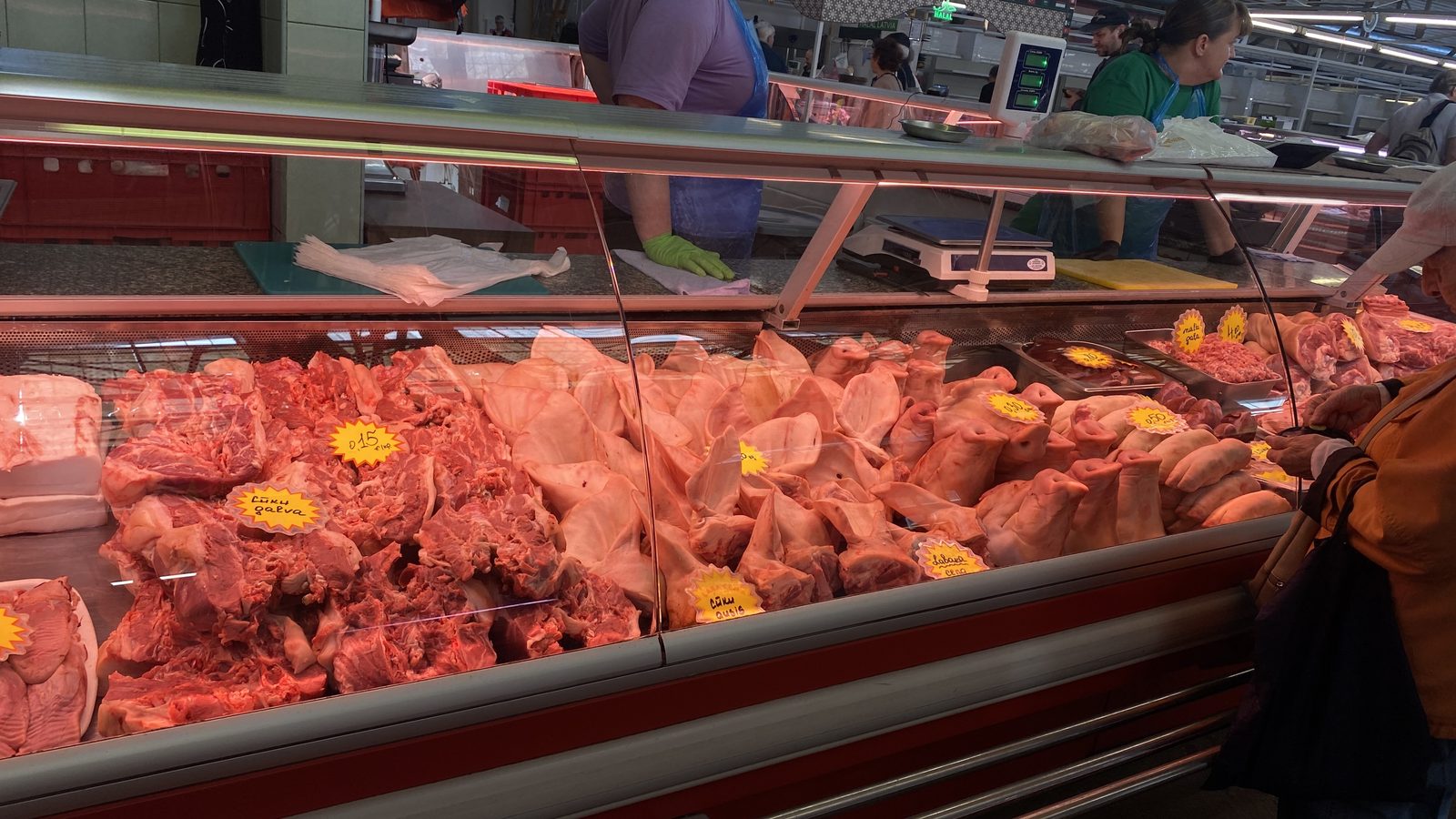
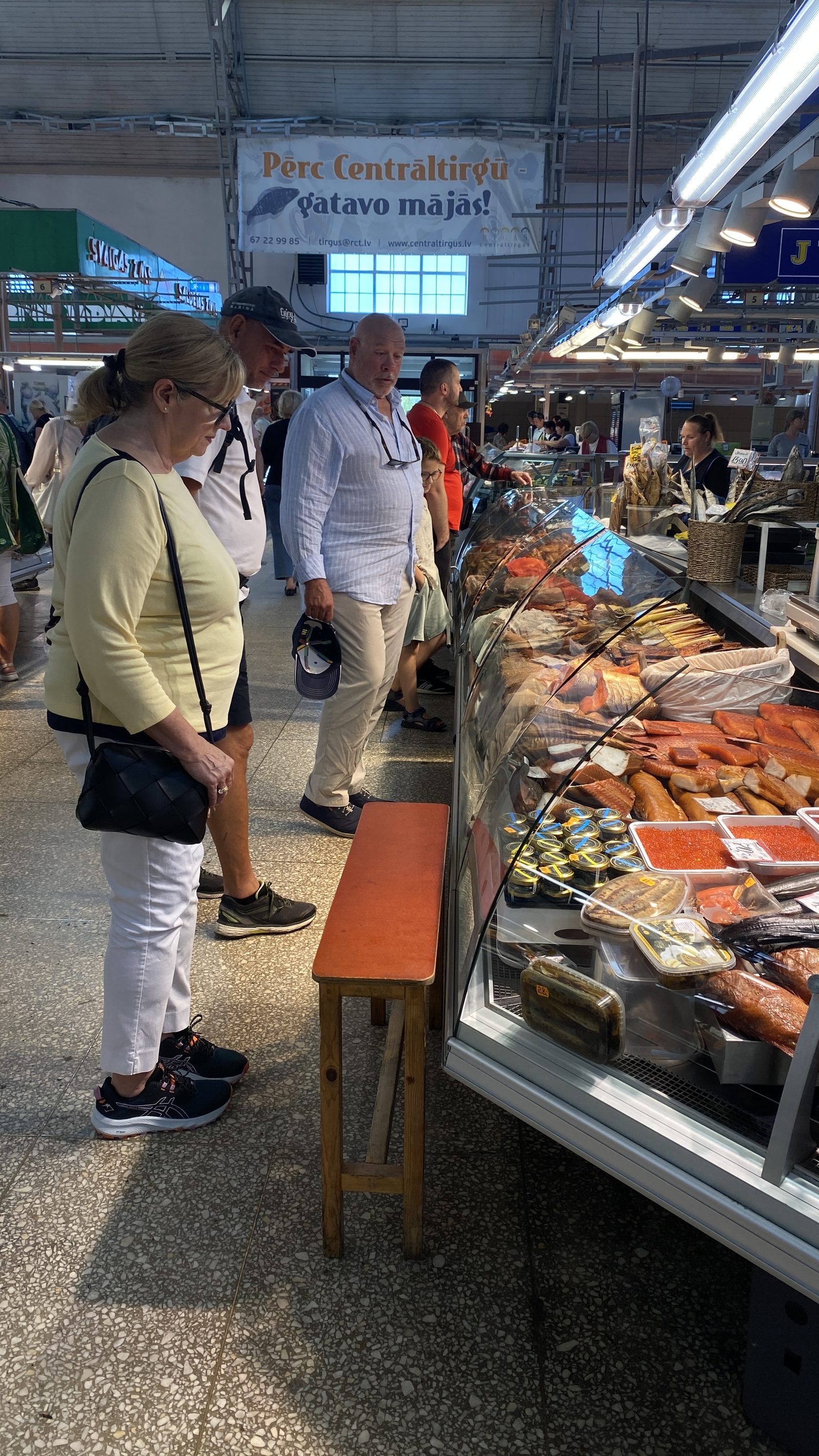
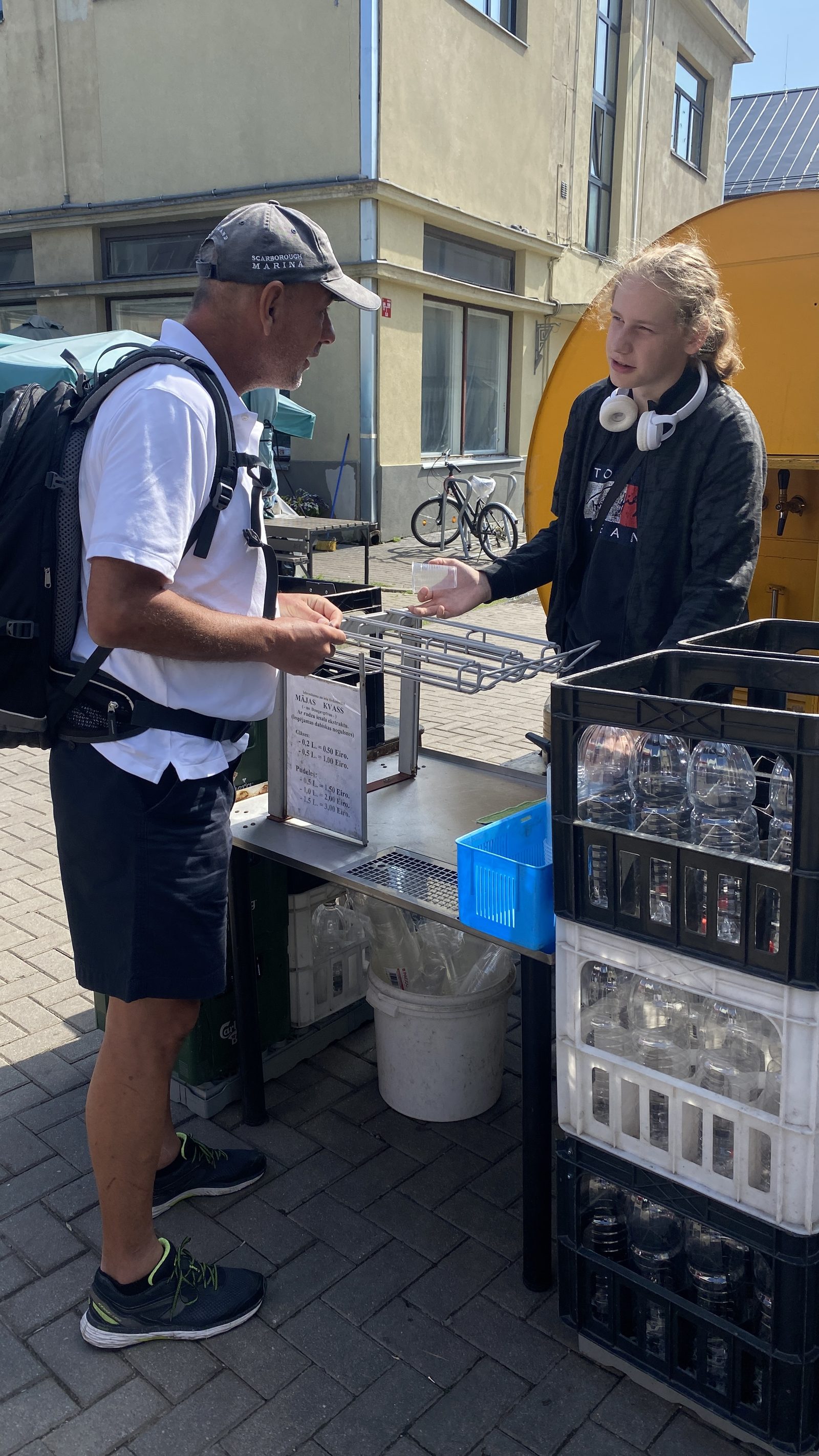
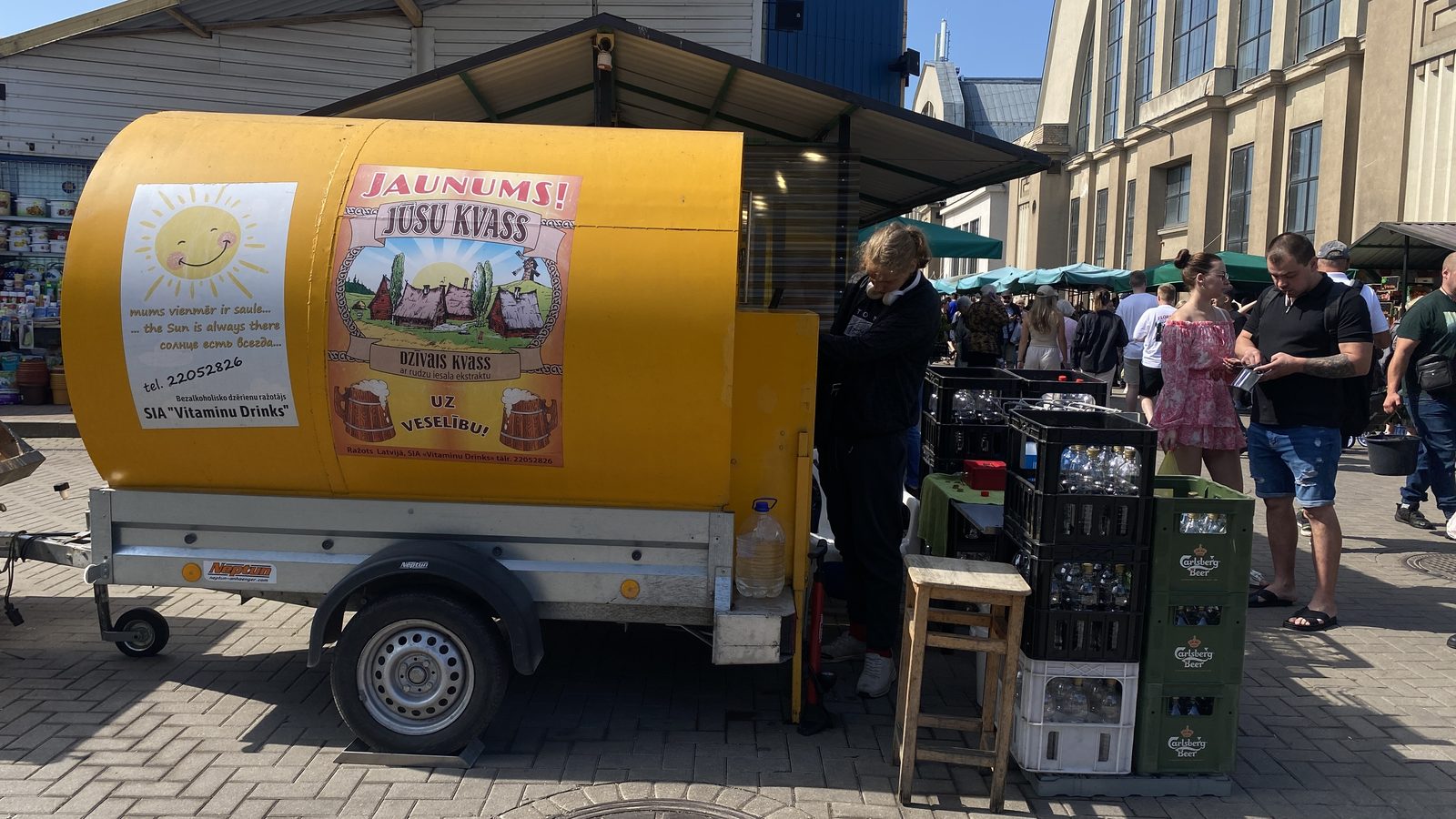
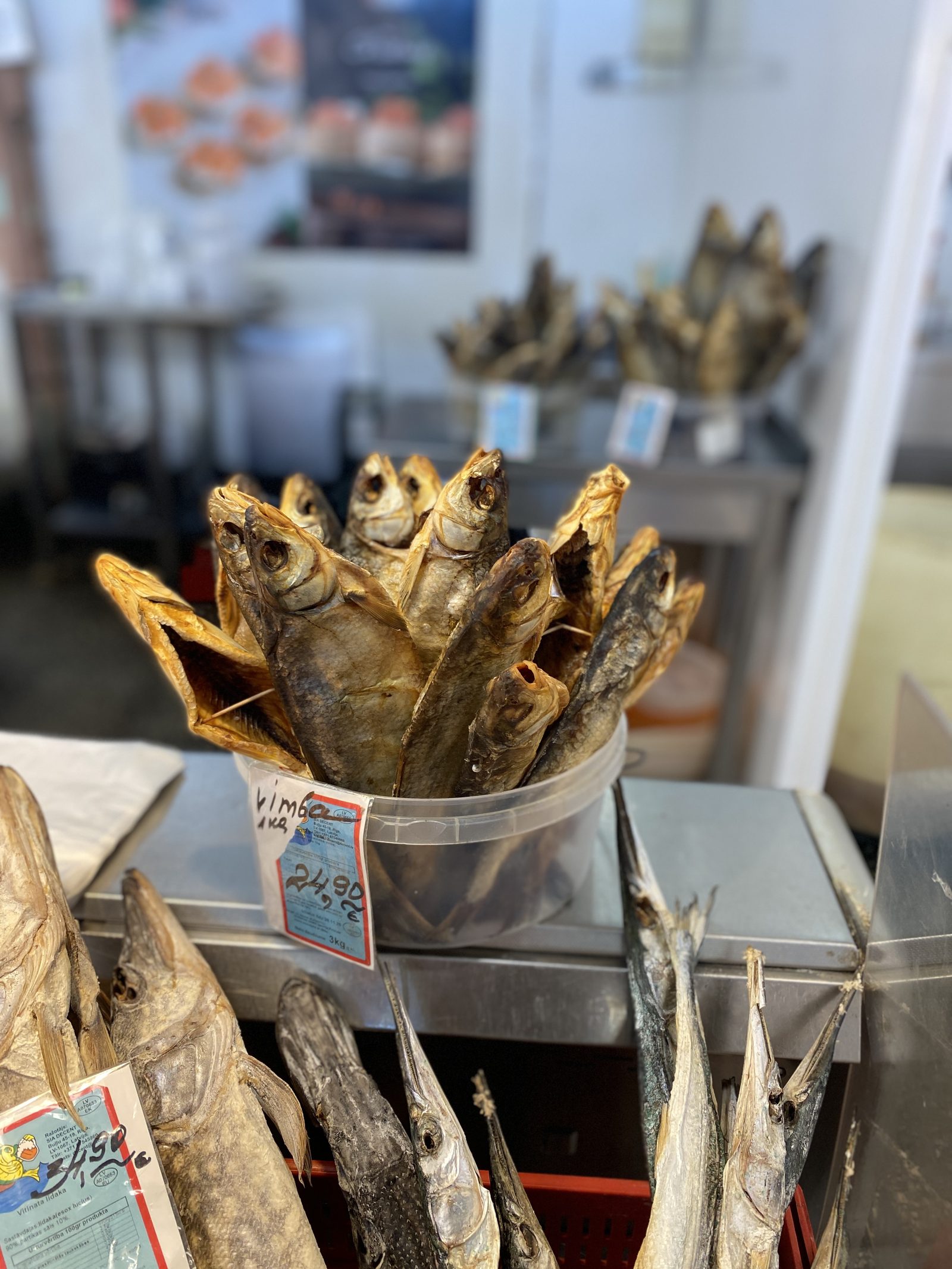
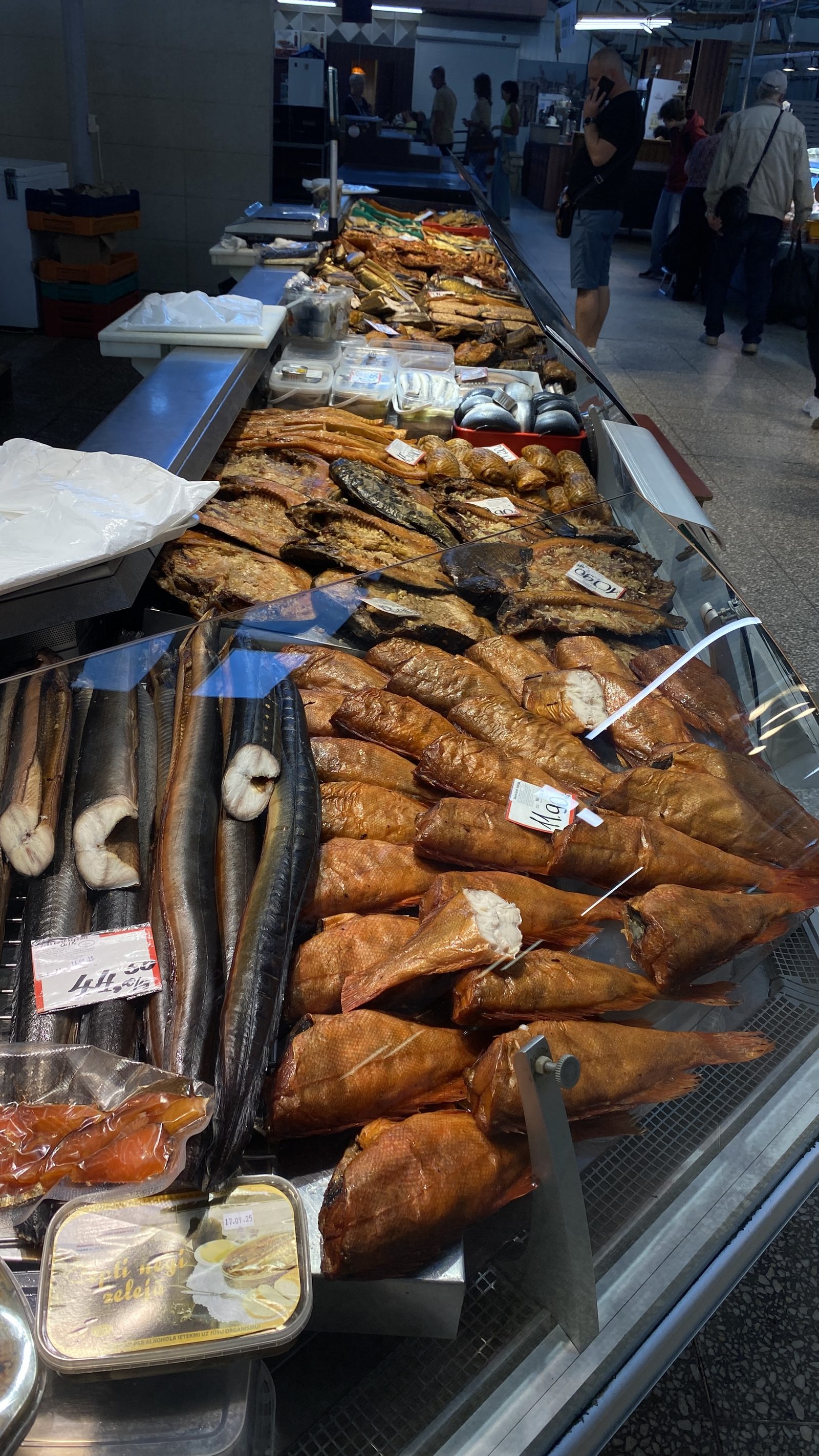
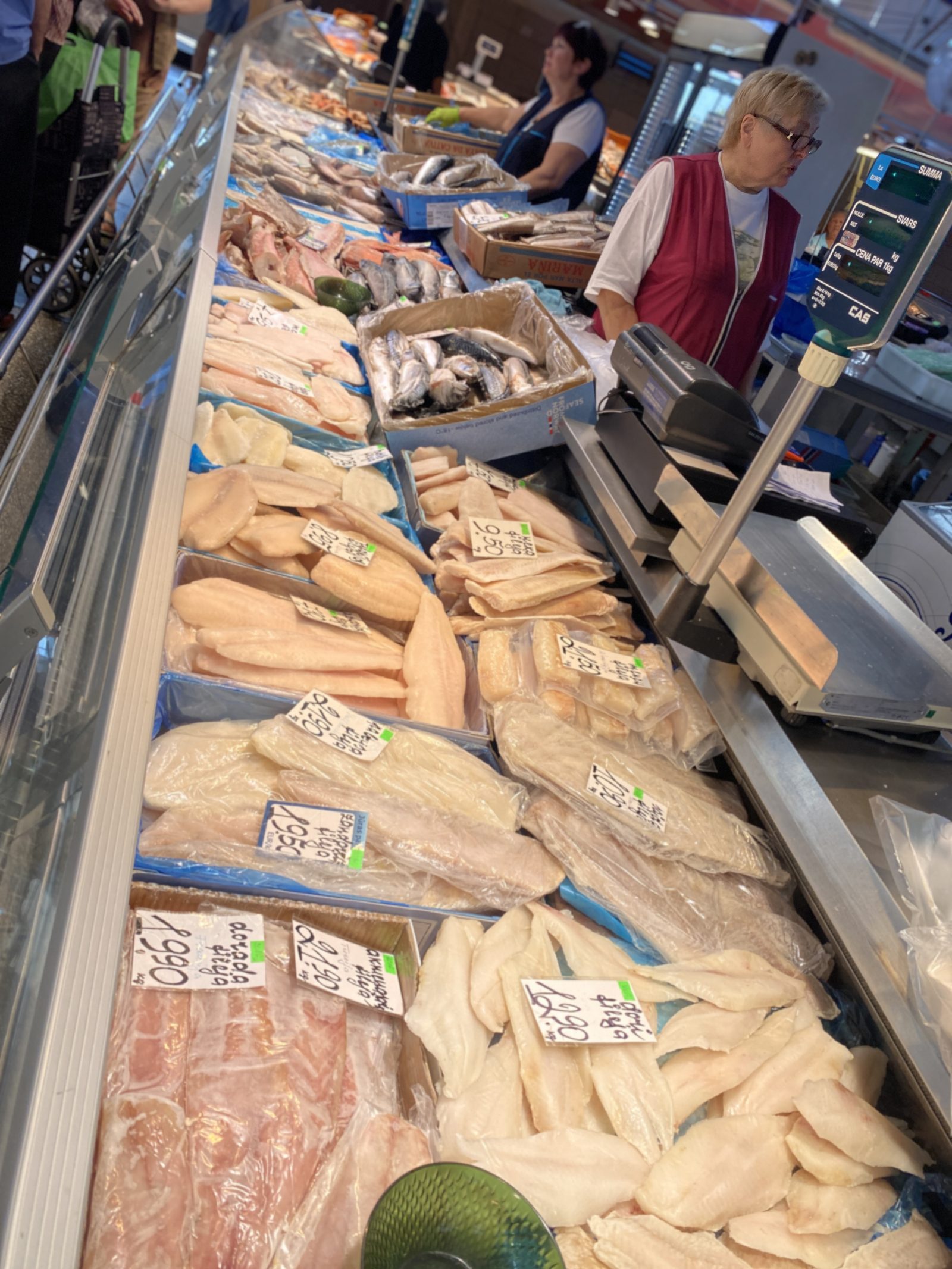
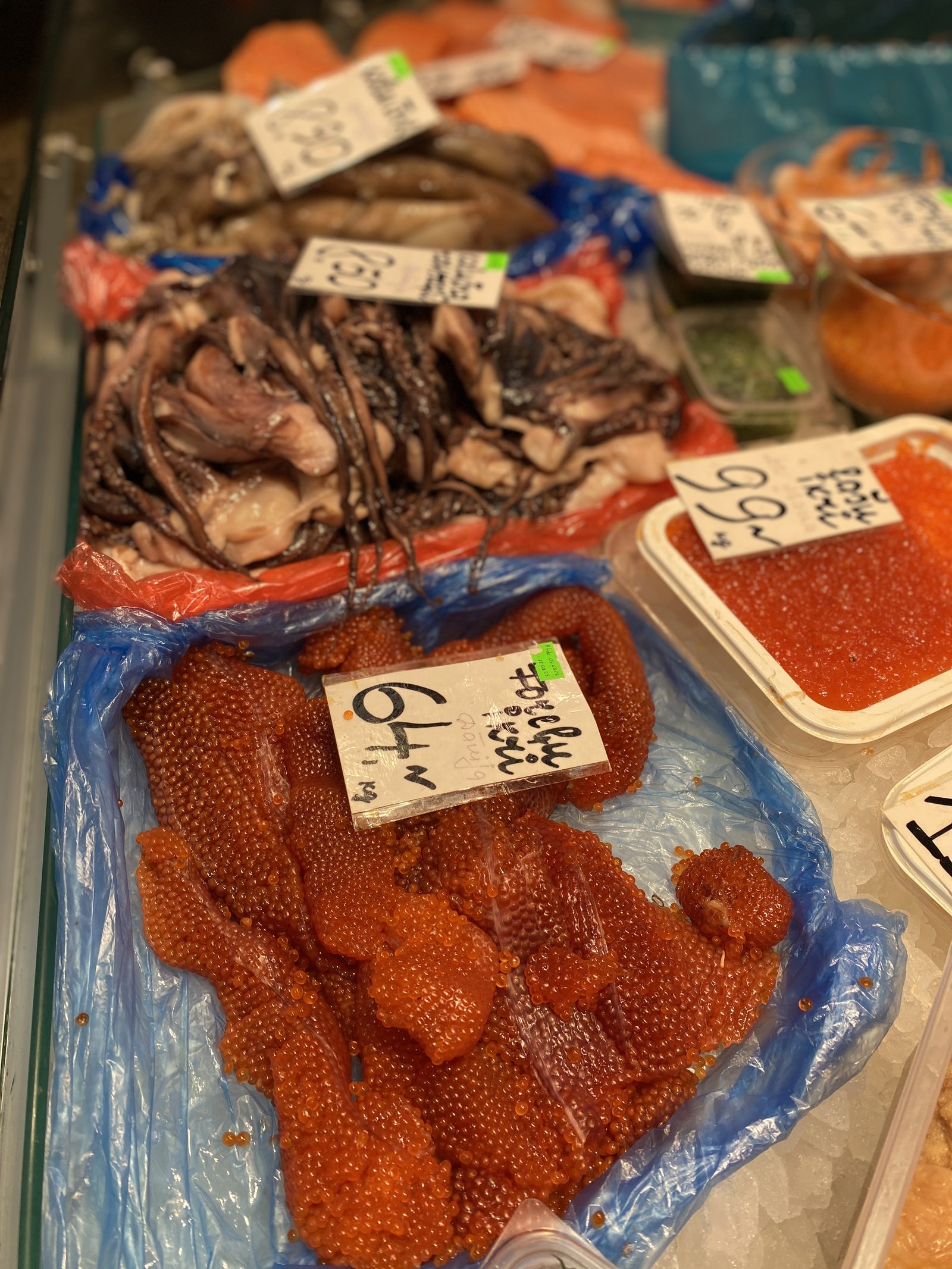
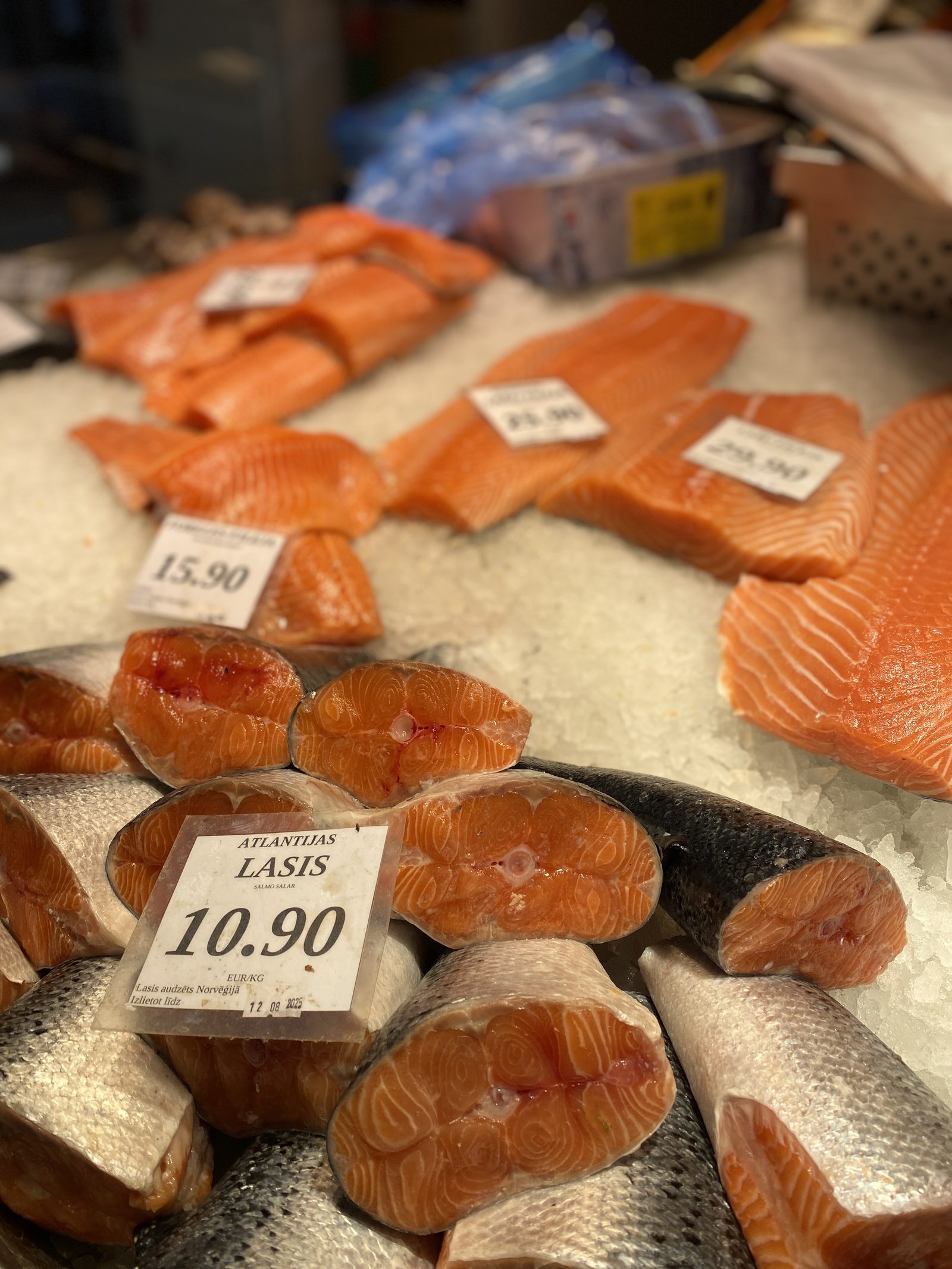
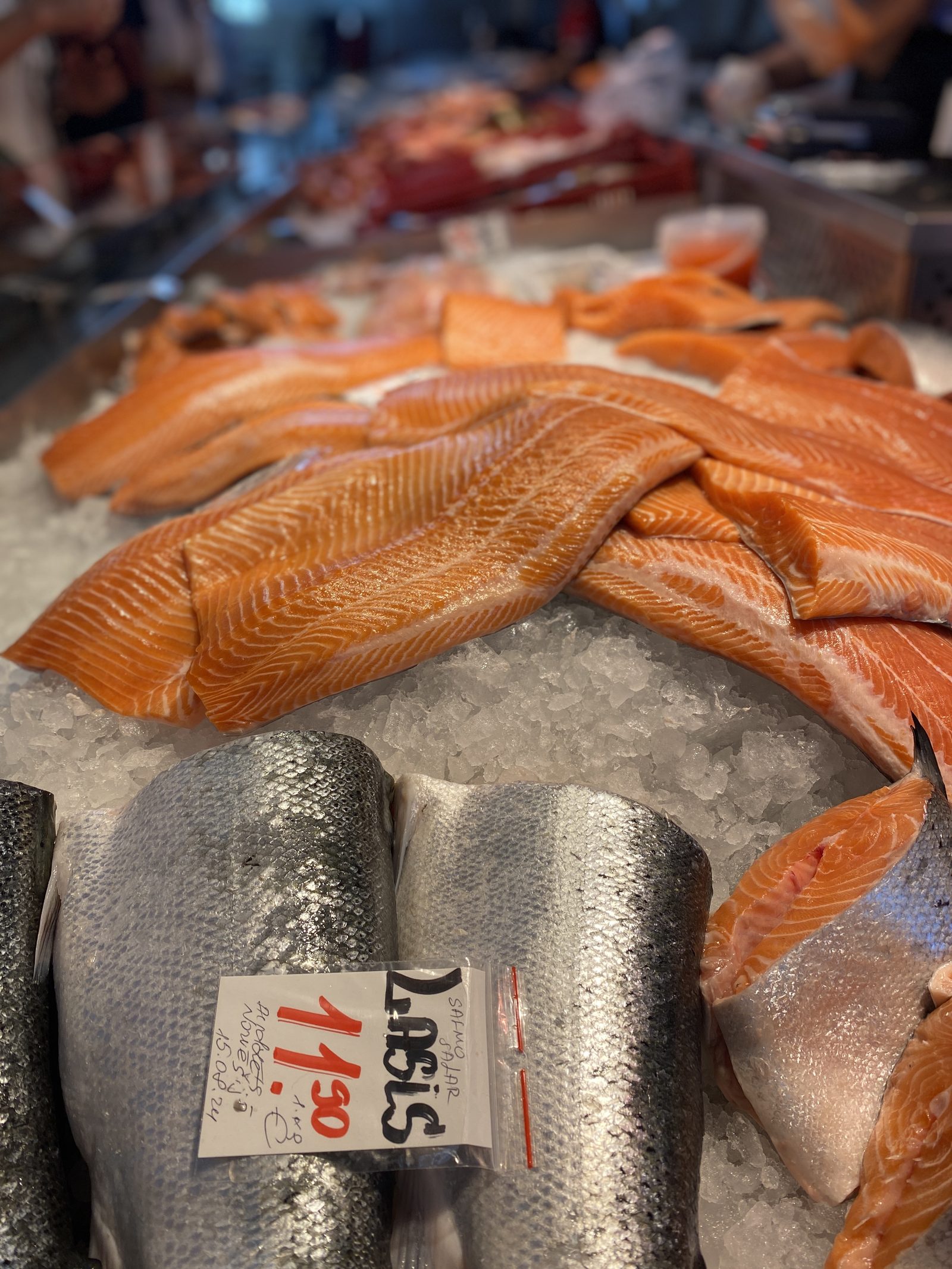
We decided to join the bustling crowds at the market and sample its array of local cuisines and delicacies, leaving with bags filled with fresh produce, cheese, and fish to enjoy later on board.
The locals in the marina are a friendly bunch and they recommended us to try their national drink, Riga Black Balsam. We managed to find this at the market and decided to take a careful approach considering the 45% alcohol content as advertised on the bottle. We ended up with 2 X 50 ml mini bottles and all our tastebuds seemed to be aligned …. definitely not for us. If I am not mistaken the two bottles are still hidden somewhere on the boat, ready to be served to guests that have overstayed their welcome.
Riga’s wine and dine experiences are equally diverse, from cozy cafés and rustic Latvian taverns to modern restaurants offering Baltic and Nordic cuisine, complemented by local beers, vodkas, and, of course, Riga Black Balsam. Riga feels like a living tapestry of Gothic, Hanseatic, Art Nouveau, and contemporary influences, all coexisting in a setting that is both historic and endlessly charming – a city where history, creativity, and hospitality meet.
Riga, Latvia – Tallinn, Estonia
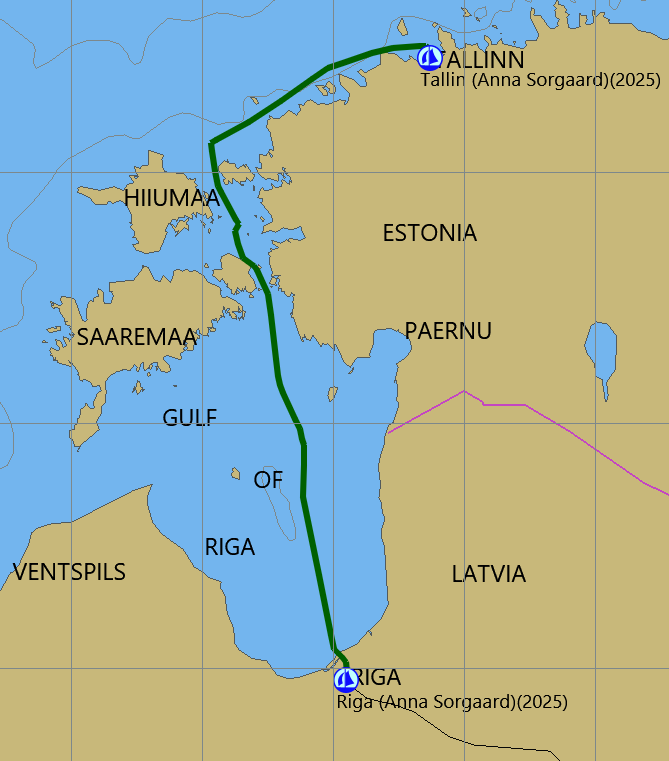
On August 10, we left Riga after 8.00 am cruising to Tallinn. The passage brought a mix of conditions. By midday, the sea turned rough, with strong winds whipping across the Gulf of Riga and into the Baltic, kicking up 2–2.5 m waves. The boat pitched heavily, making for an energetic and challenging ride. As the hours passed and evening set in, the weather gradually eased. By around 10:00 pm, the wind had dropped, the sea state calmed, and the passage smoothed into a far more comfortable and steady cruise towards Estonia.
After the 1.5 day passage north from Riga, we arrived at Tallinn’s Port Noblessner Marina on August 11 in the afternoon. The approach was smooth, with only a gentle swell remaining from the previous day’s rough seas. As the skyline of Tallinn rose on the horizon — first the spires of the Old Town, then the modern waterfront — it was clear we were arriving at a city where past and present stood side by side in harmony.
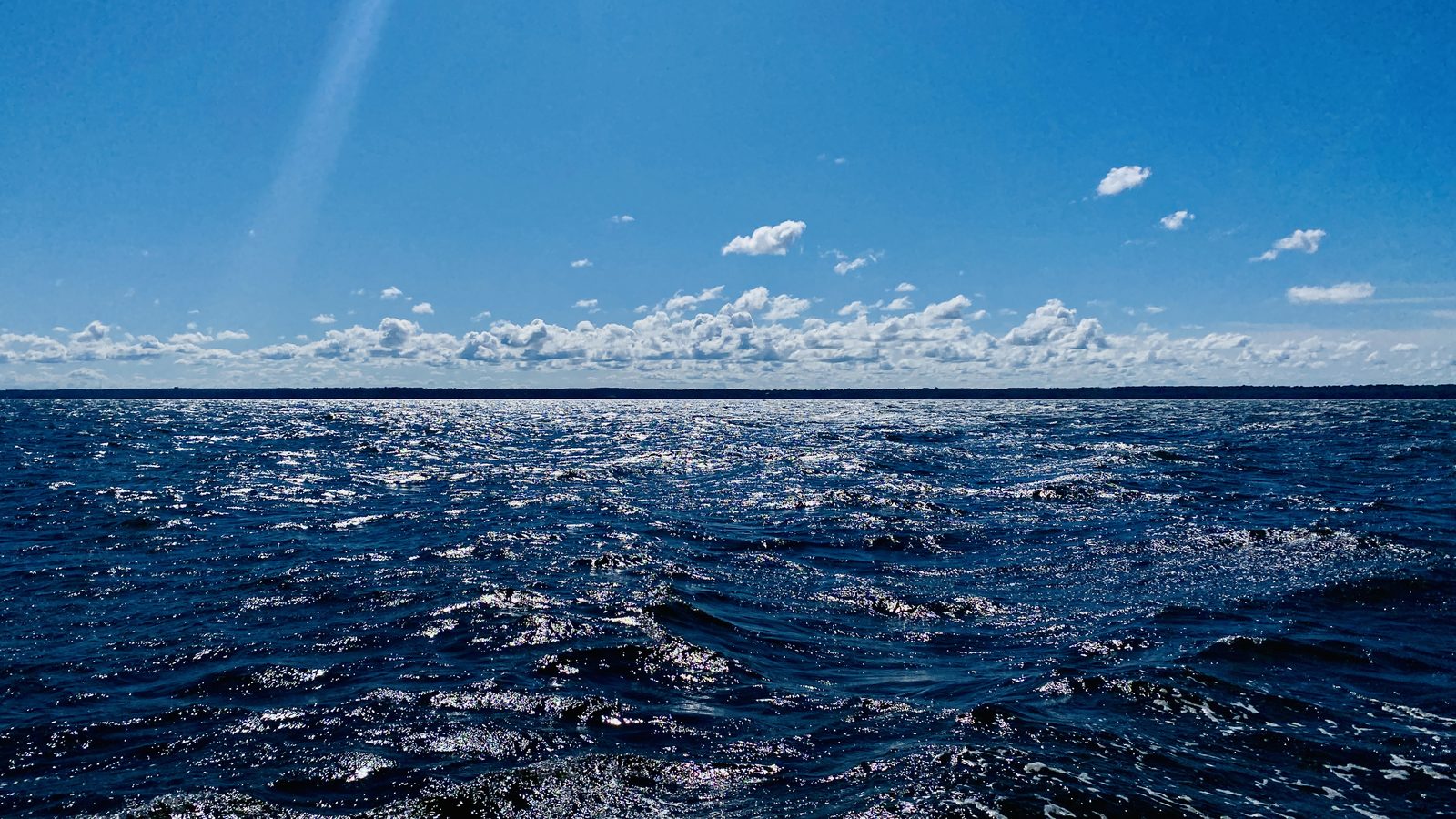
Docking was straightforward, with marina staff on hand to guide us into a sheltered berth. Wide fairways and modern pontoons made maneuvering easy, and once Anna was secured with shore power and water connected, we could relax and take in our surroundings.
Port Noblessner Marina (📍59°27′51″ N, 24°43′05″ E)lies just northwest of Tallinn’s Old Town, in a redeveloped historic submarine shipyard that has transformed into one of the city’s most vibrant waterfront districts. The marina combines modern facilities with a lively urban atmosphere, making it a popular stop for cruising yachts in the Baltic.
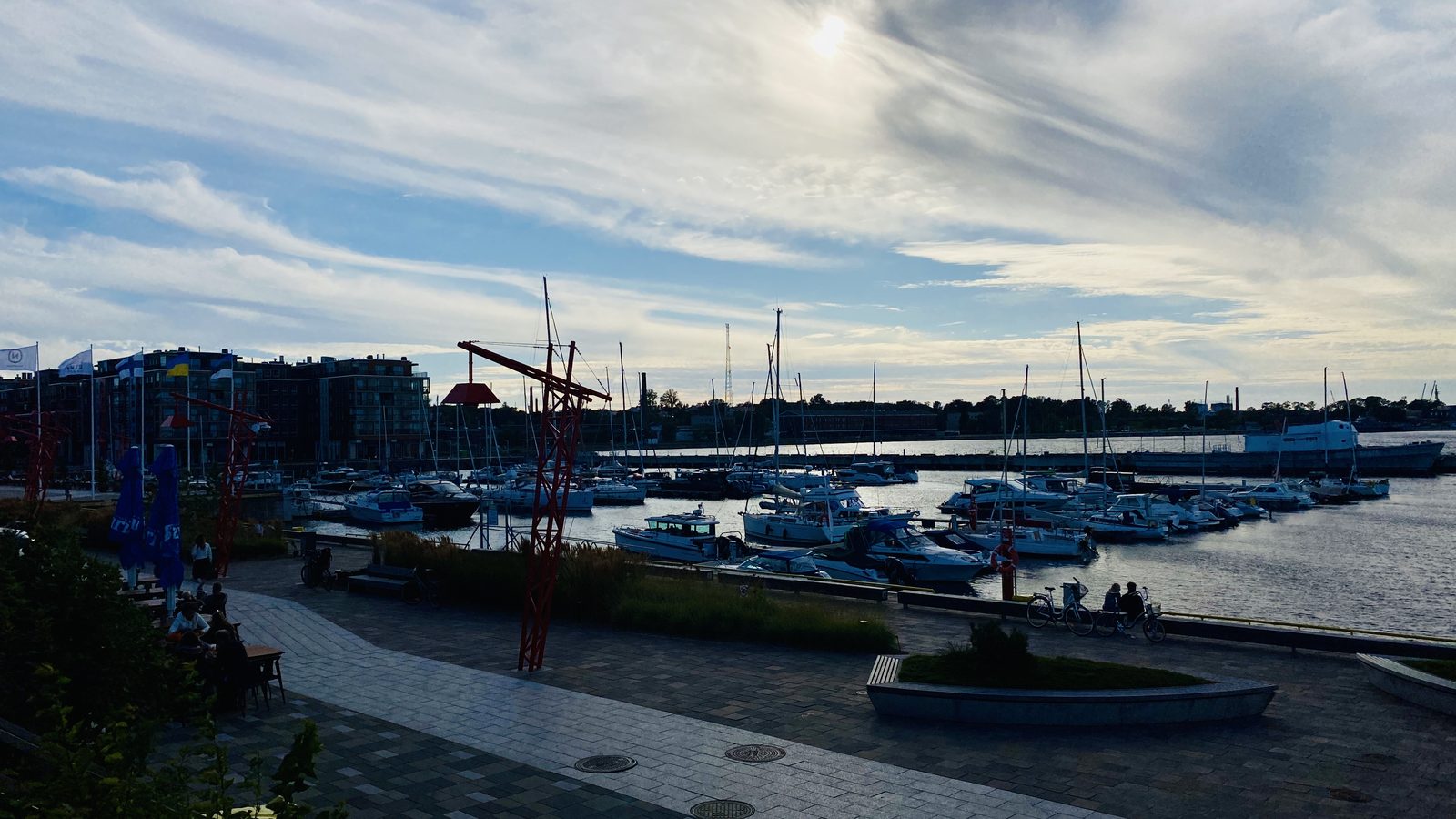
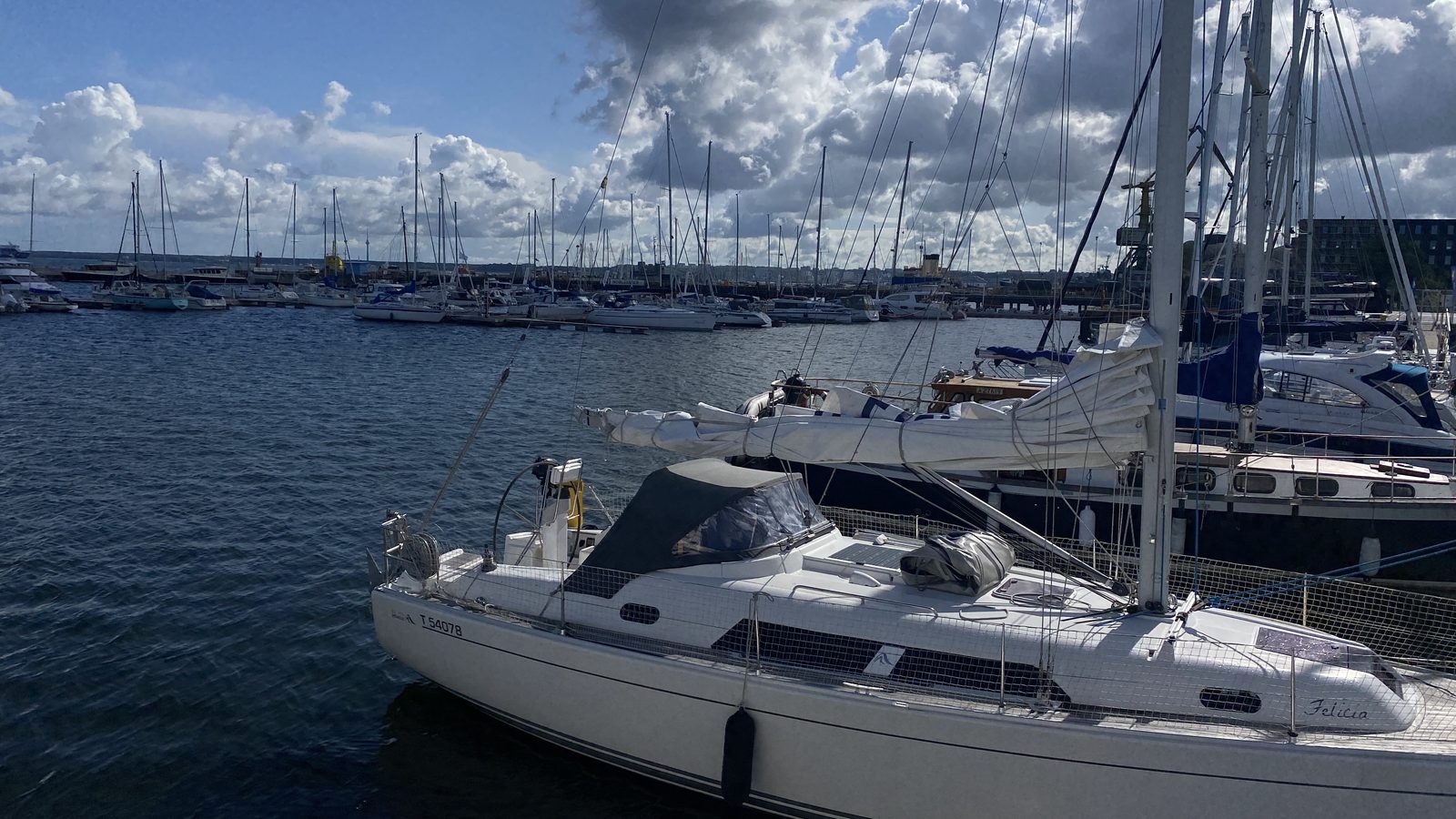
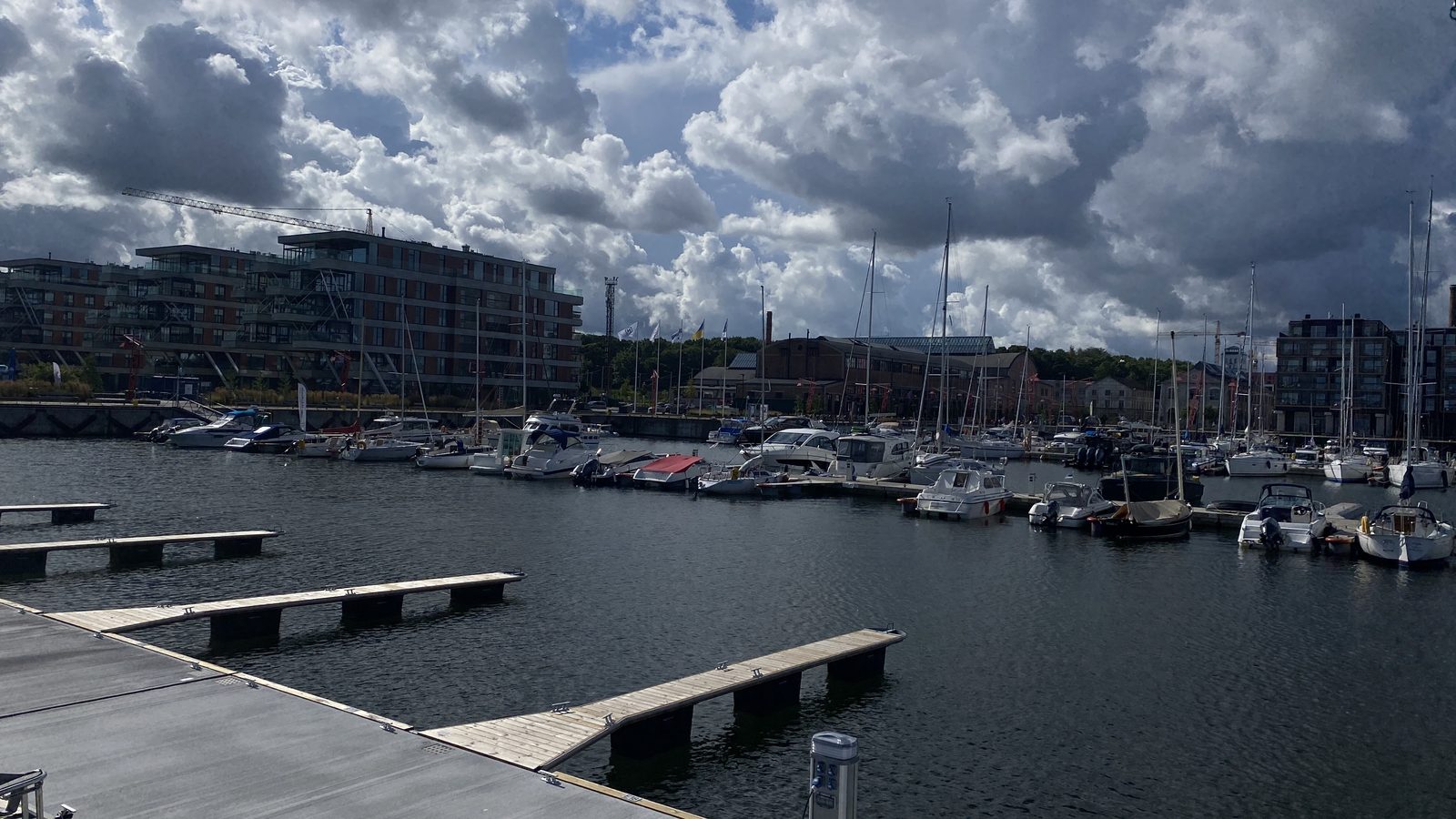
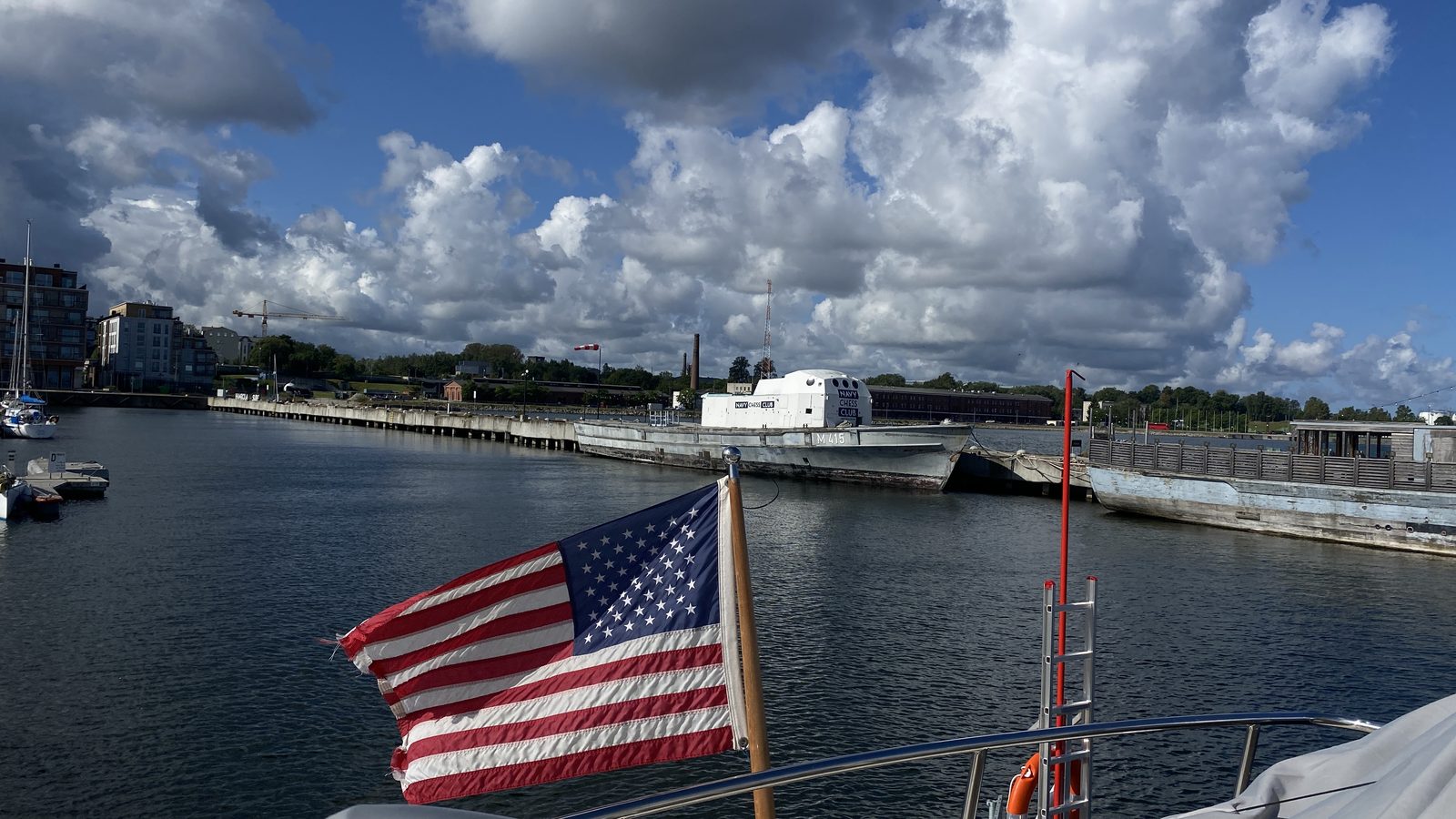
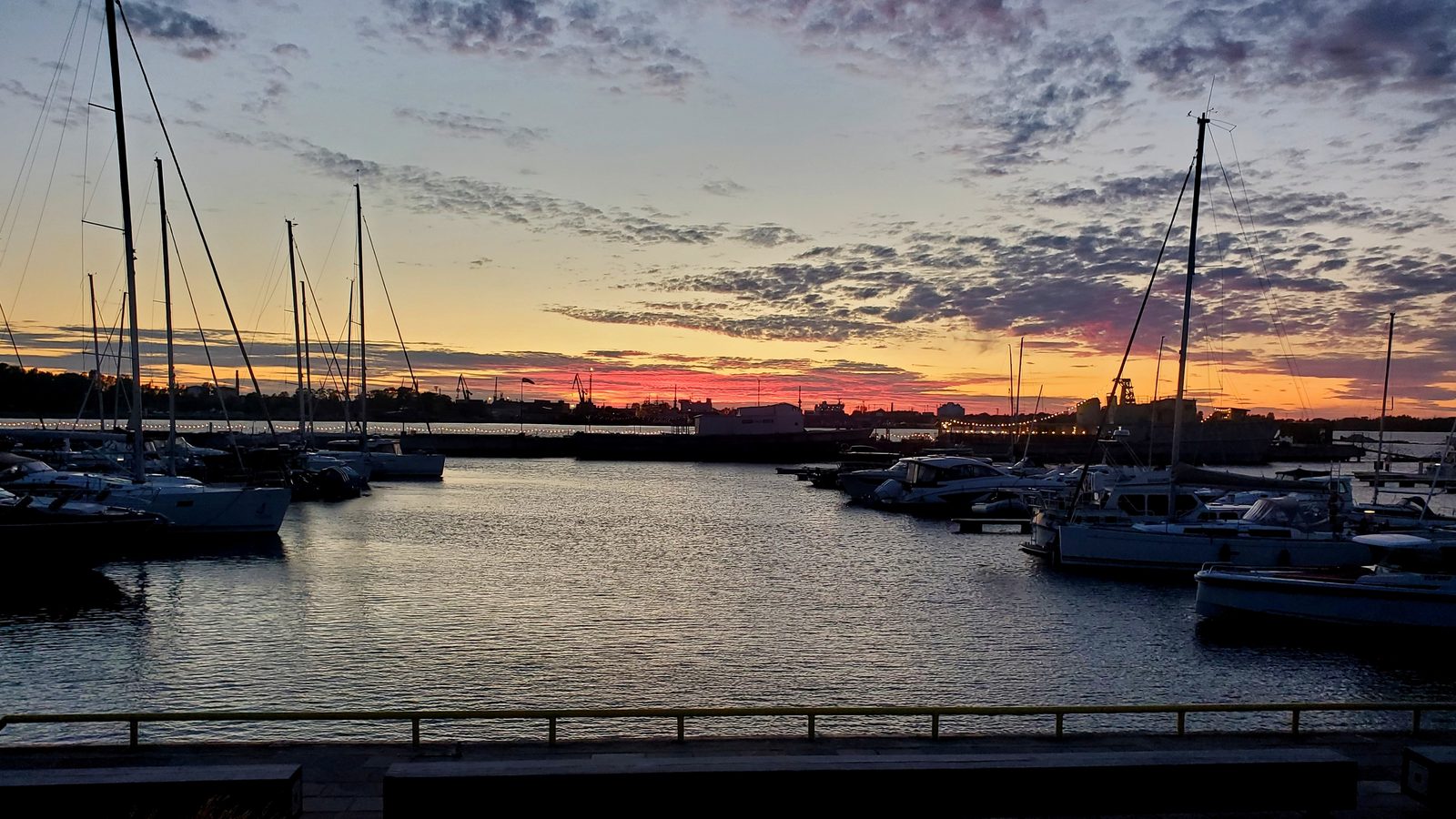
It offers well-sheltered berths, full guest services (electricity, water, fuel, showers, and Wi-Fi), and is open year-round. The quayside is lined with trendy cafés, restaurants, and art galleries, giving visiting sailors an easy blend of comfort and culture. Nearby landmarks include the PROTO Invention Factory, Kai Art Center, and Põhjala Brewery, all within walking distance.
Just 15–20 minutes from Tallinn’s city center, Port Noblessner Marina offers a perfect mix of nautical convenience and creative energy — a modern harbor where maritime heritage meets contemporary urban life.
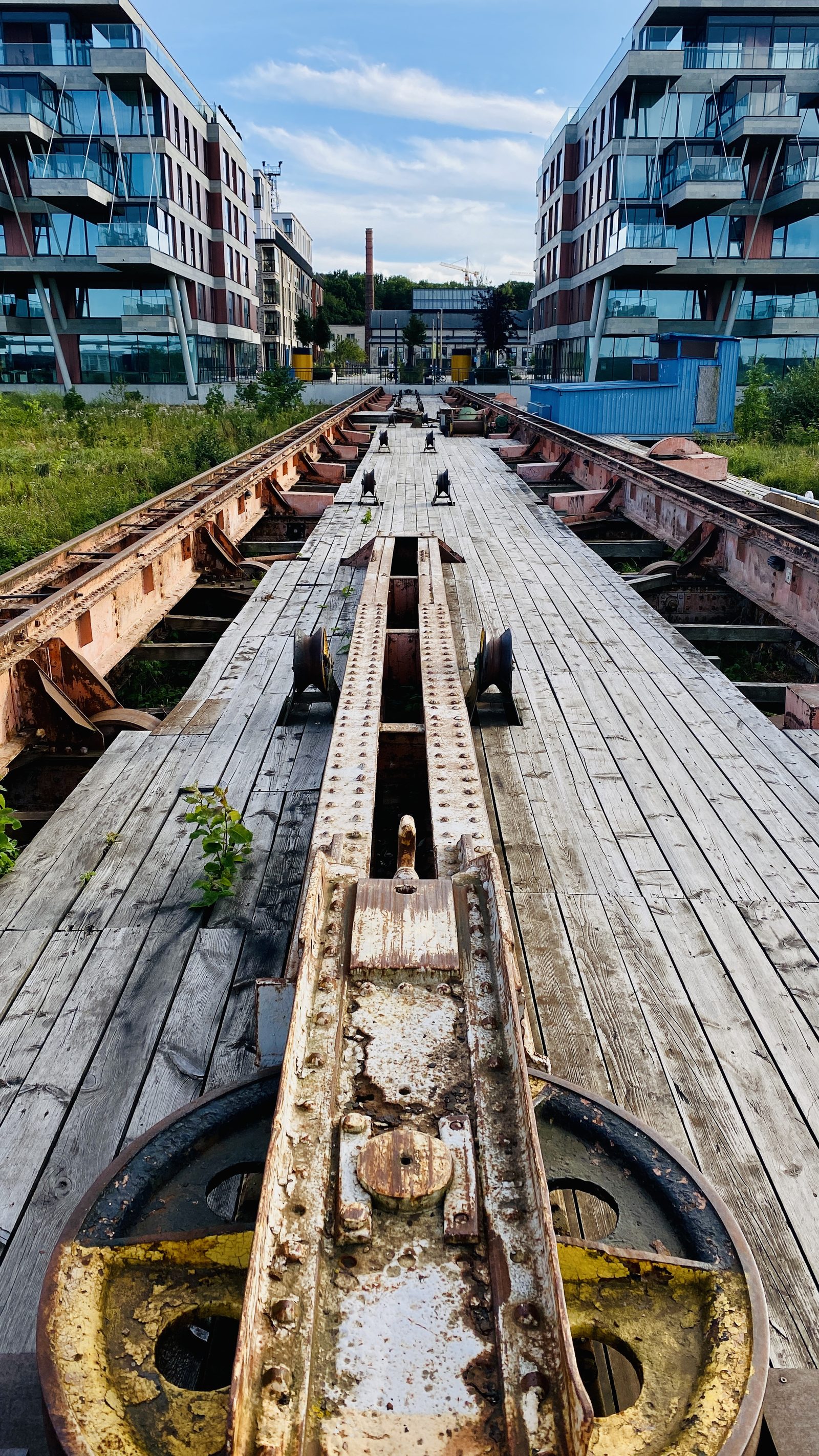
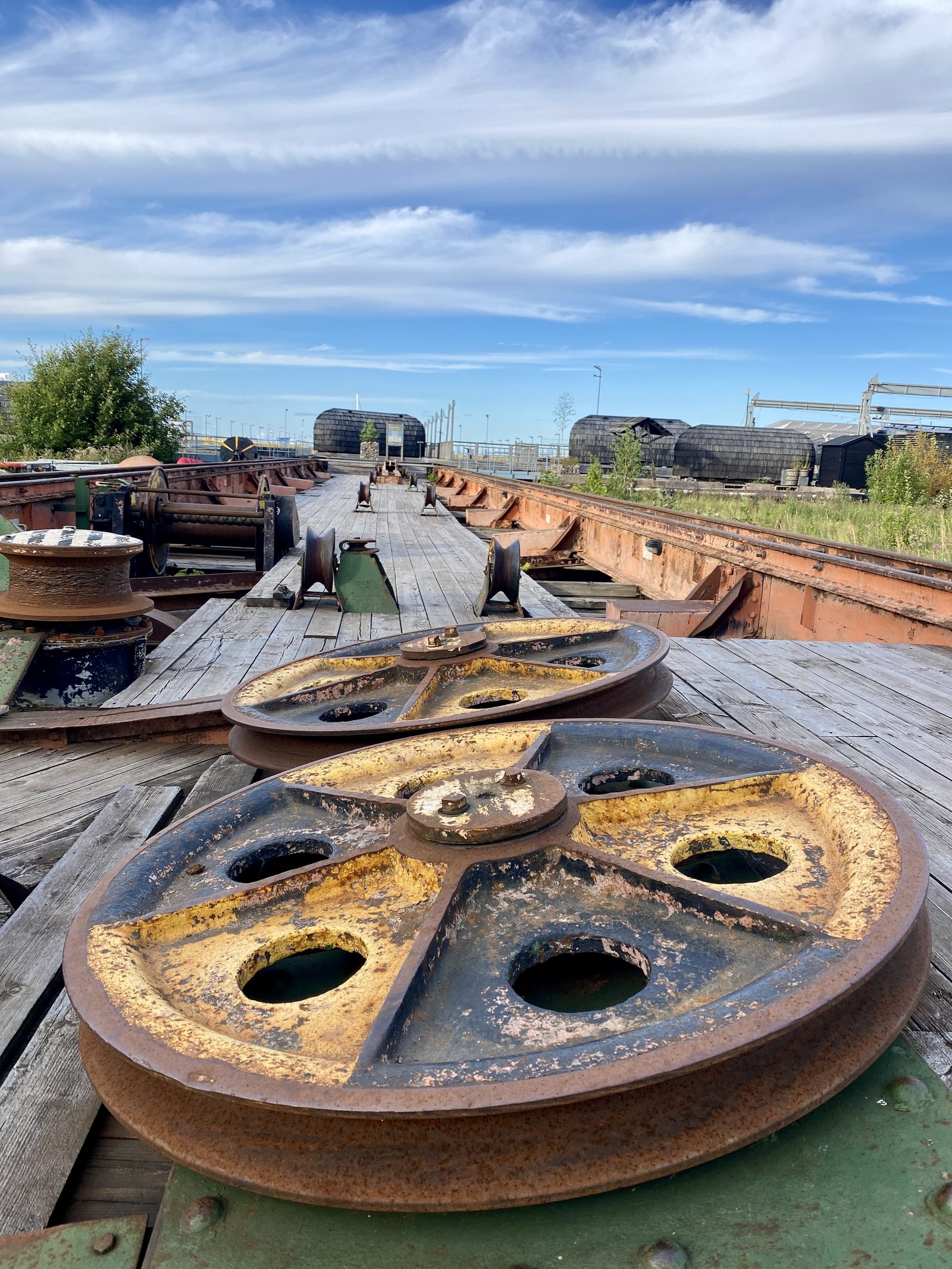
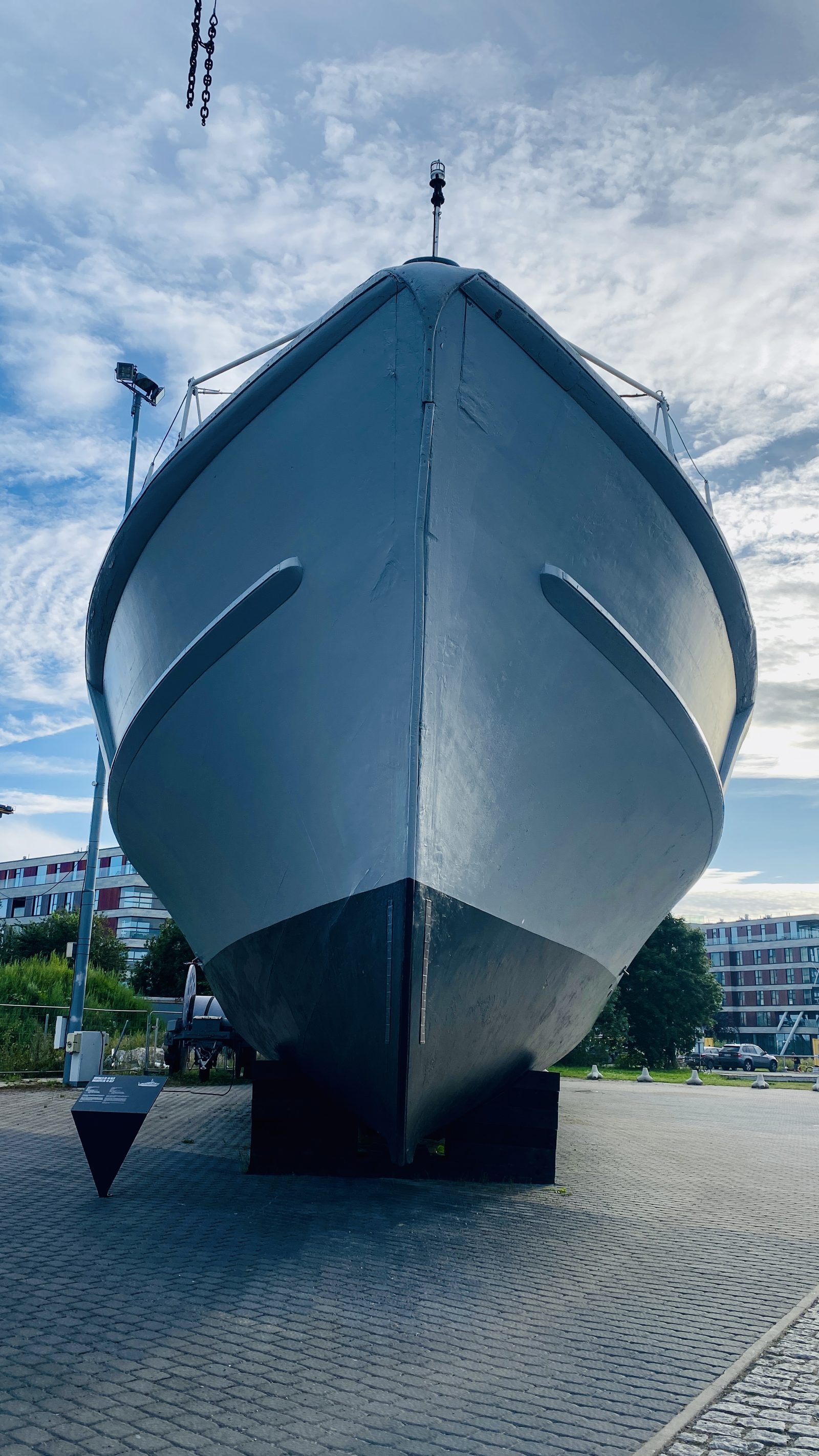
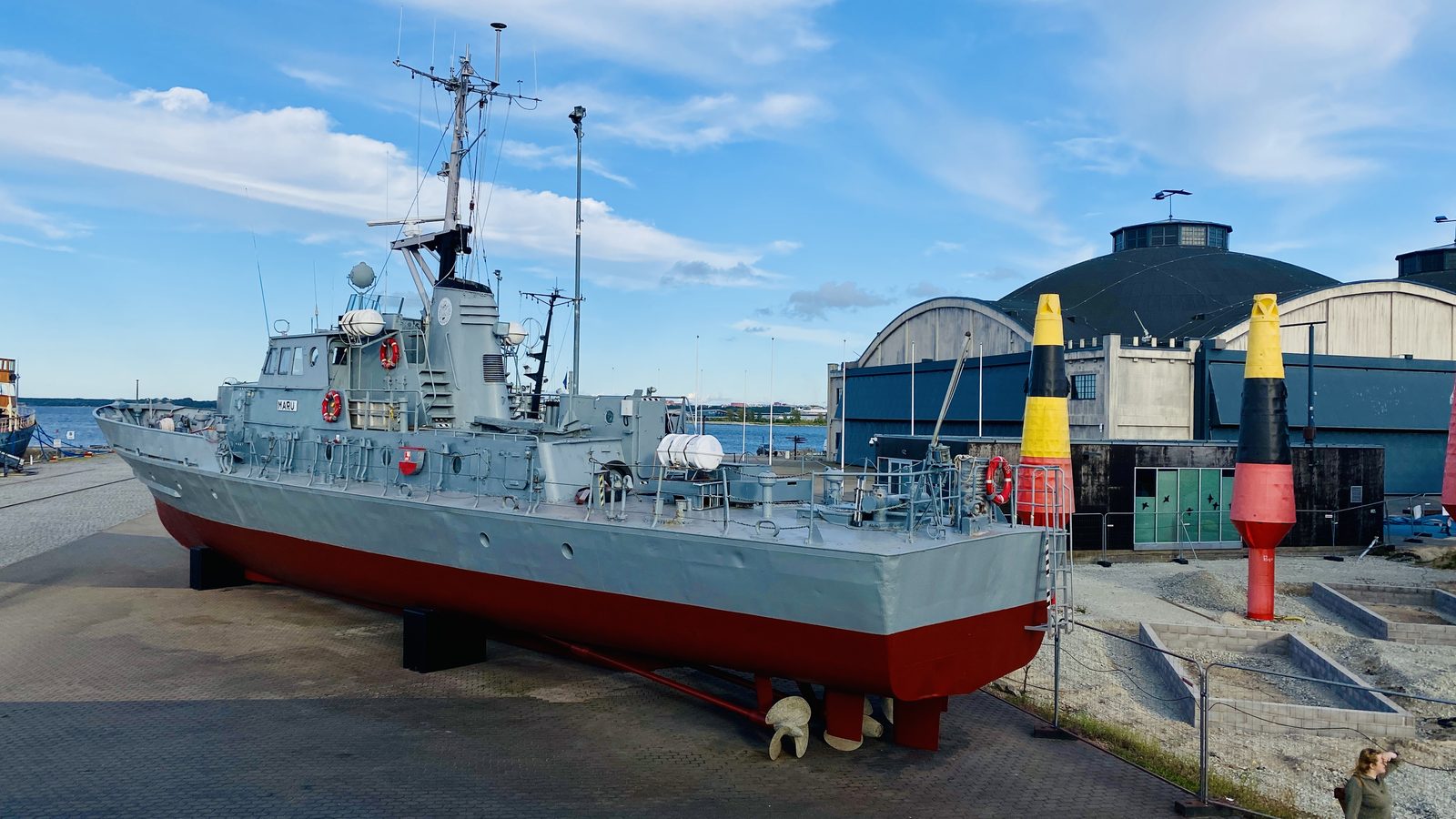
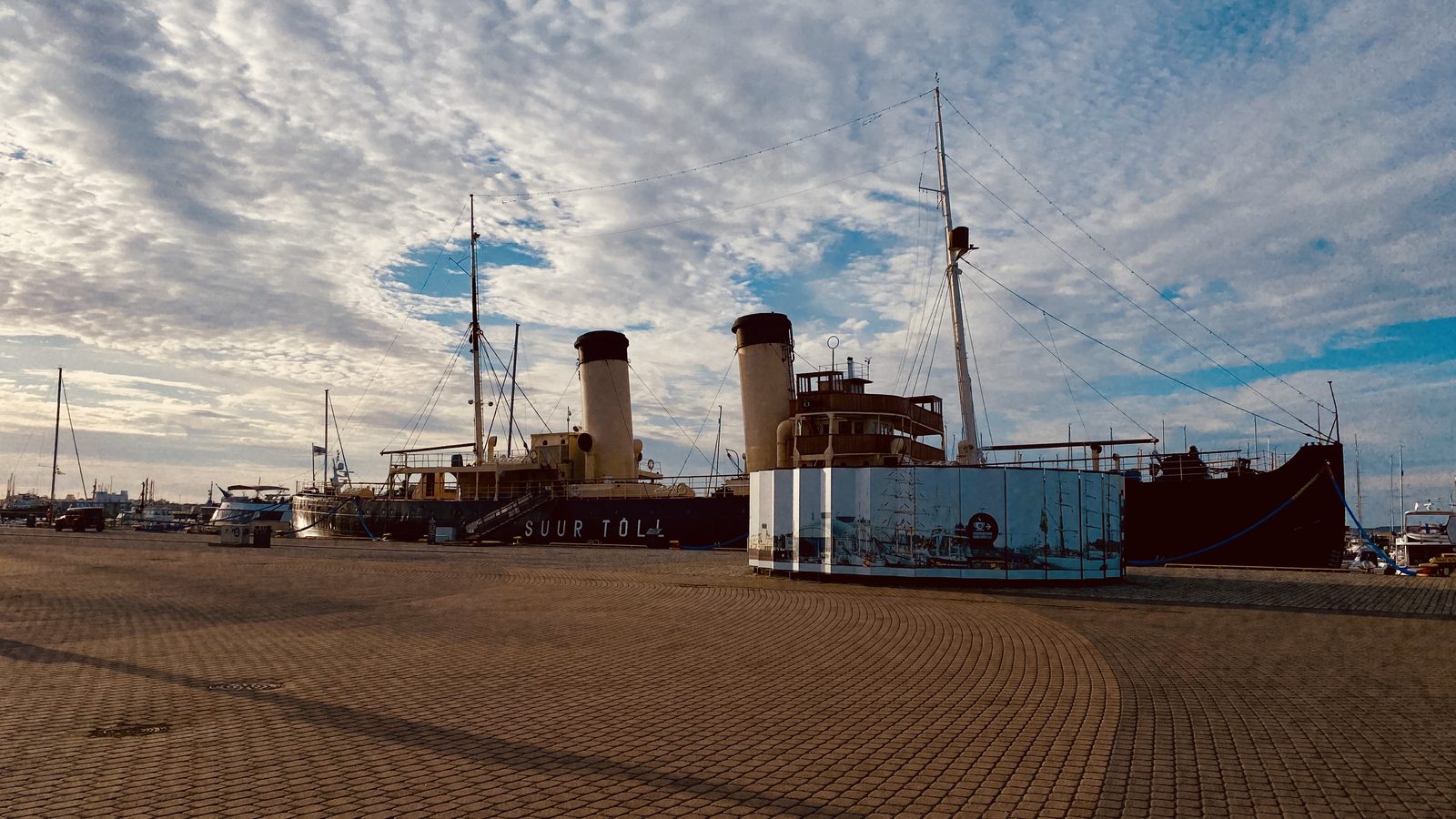
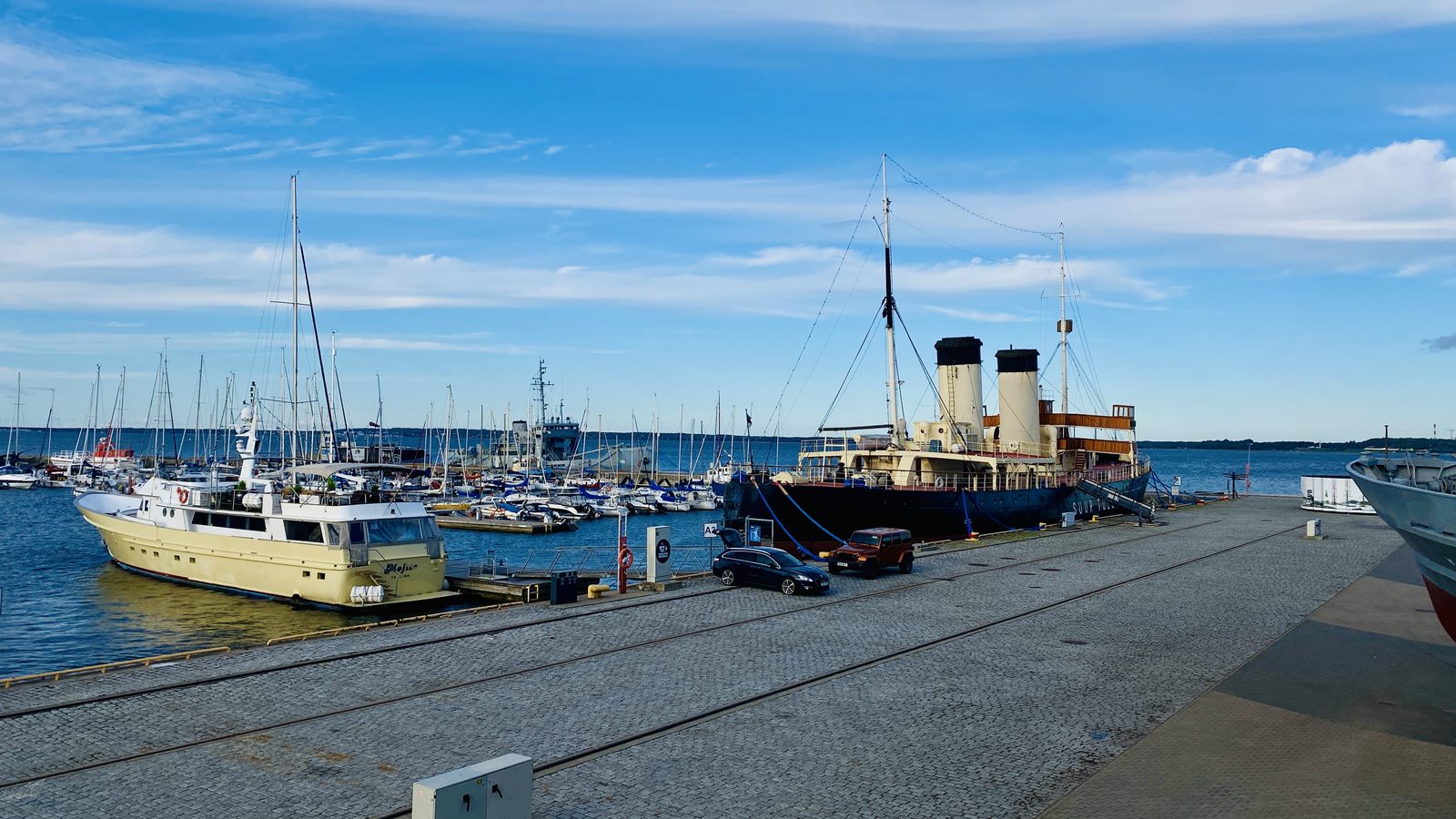
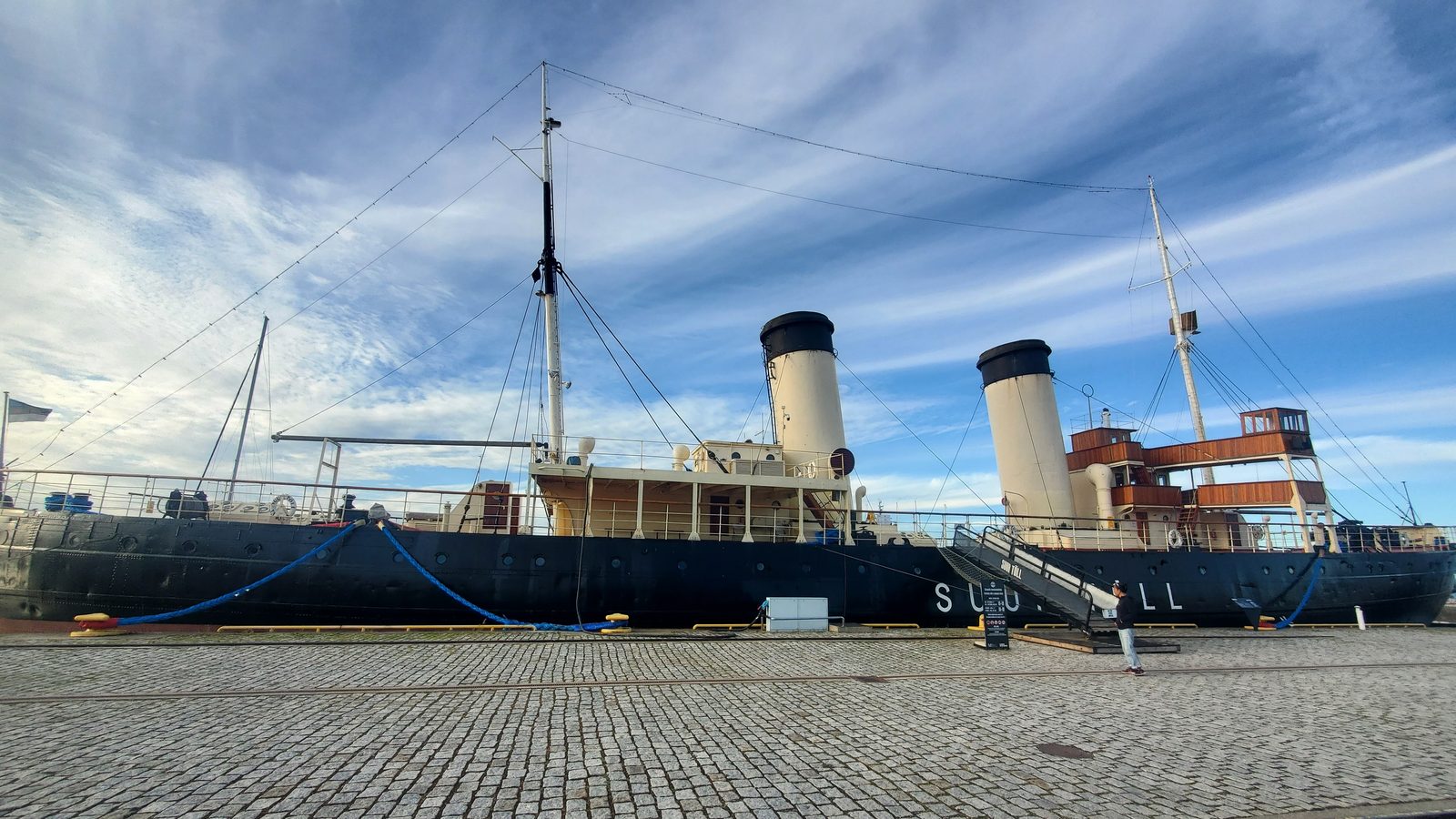
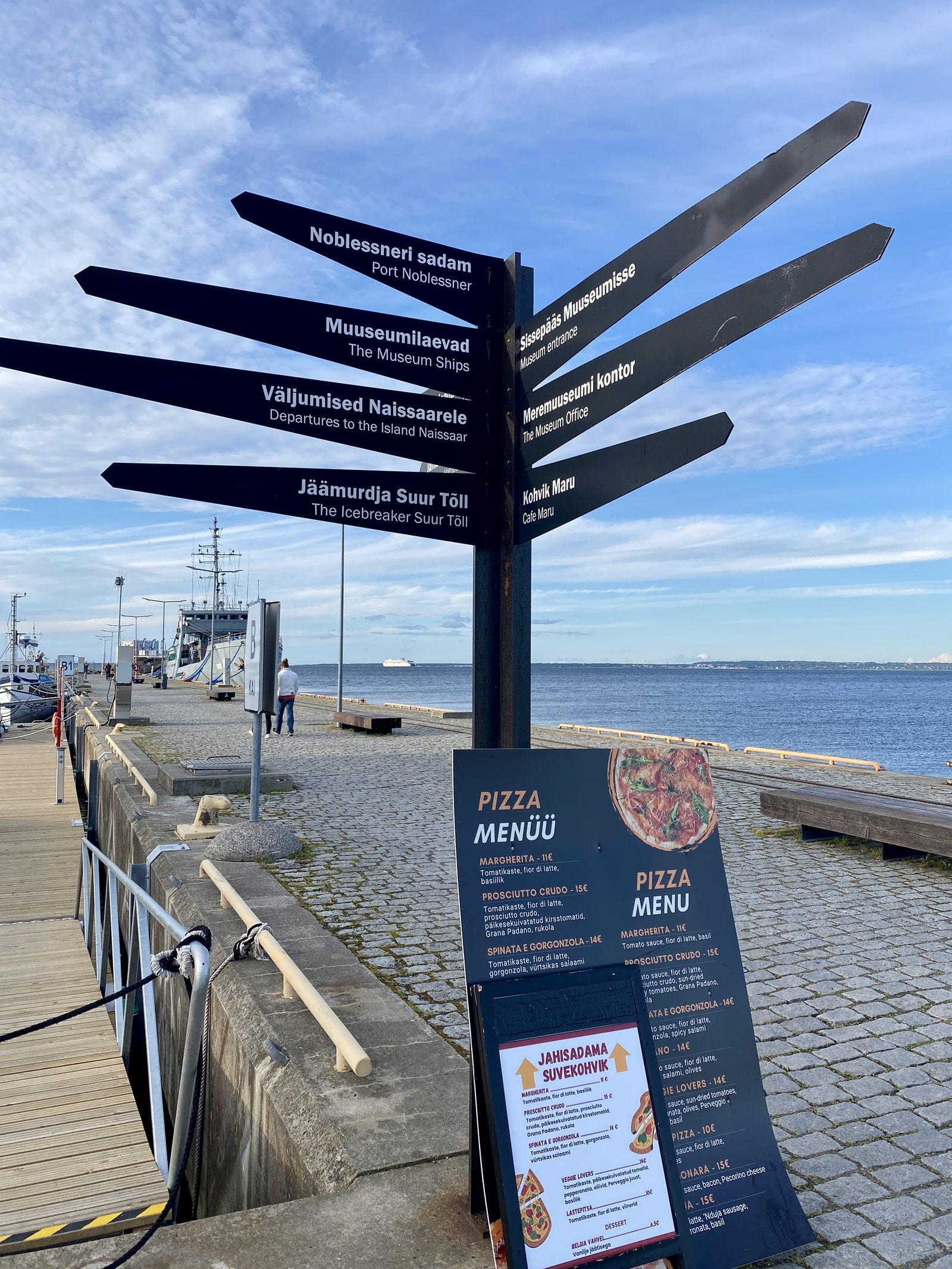
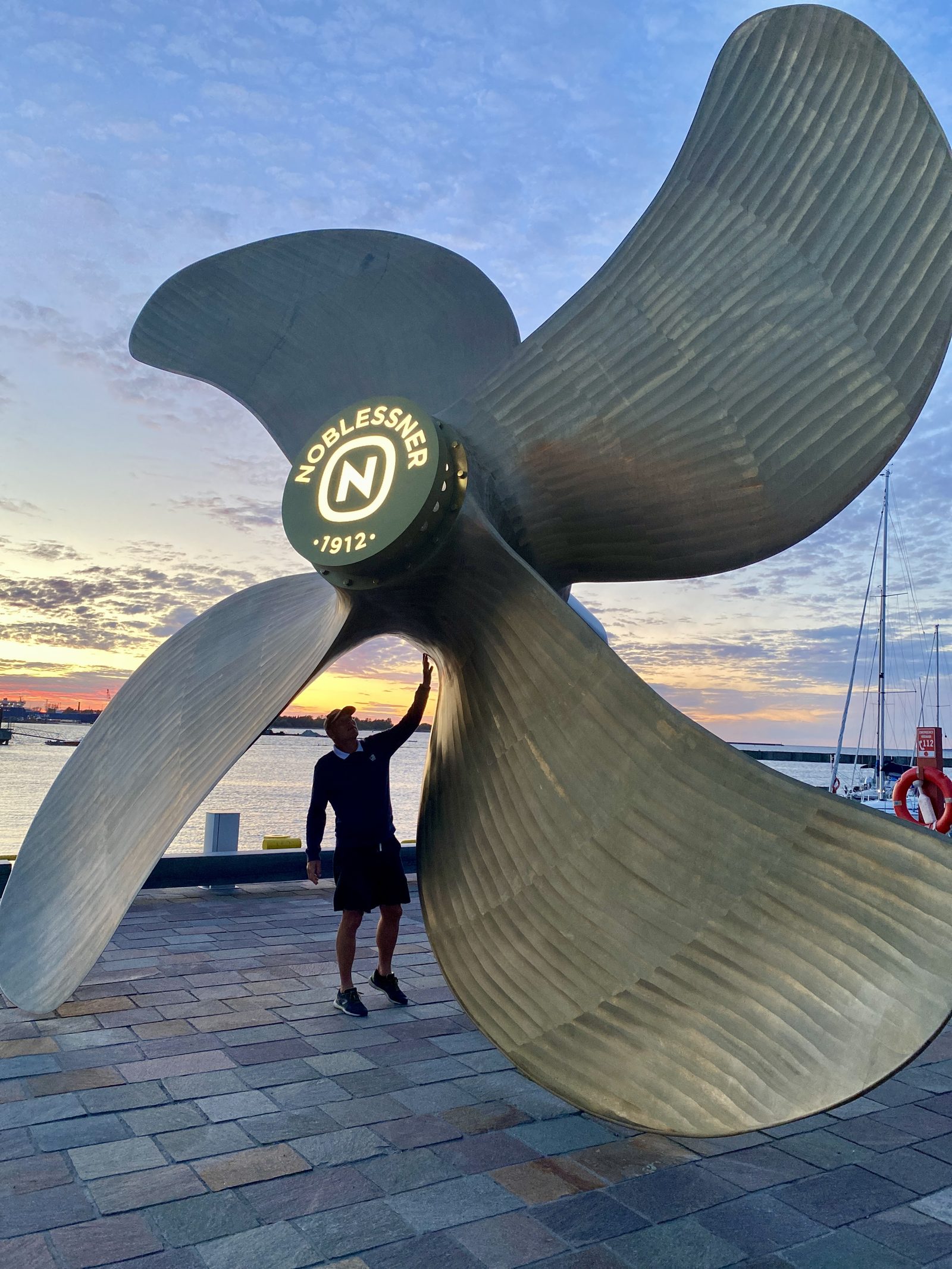
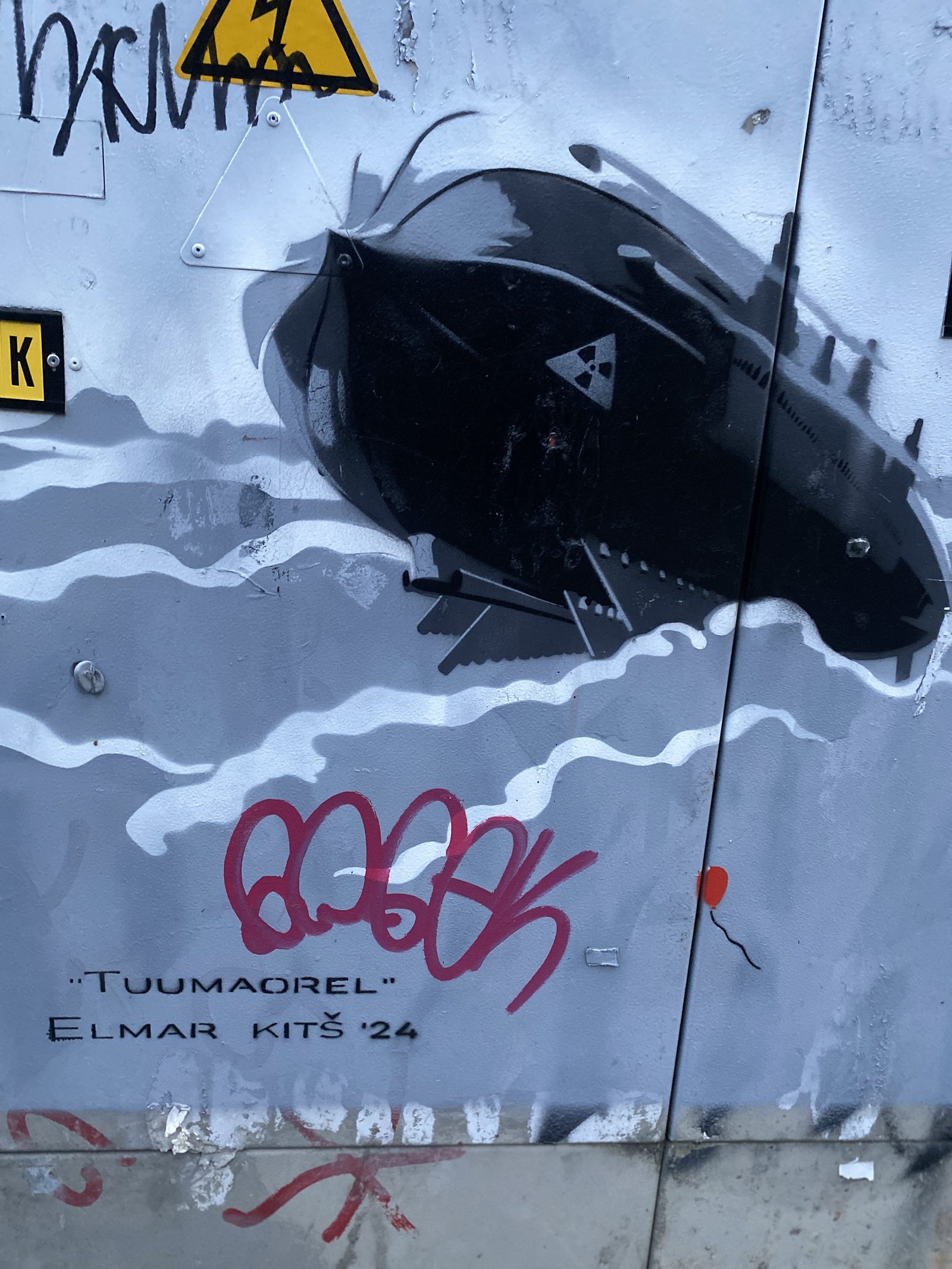
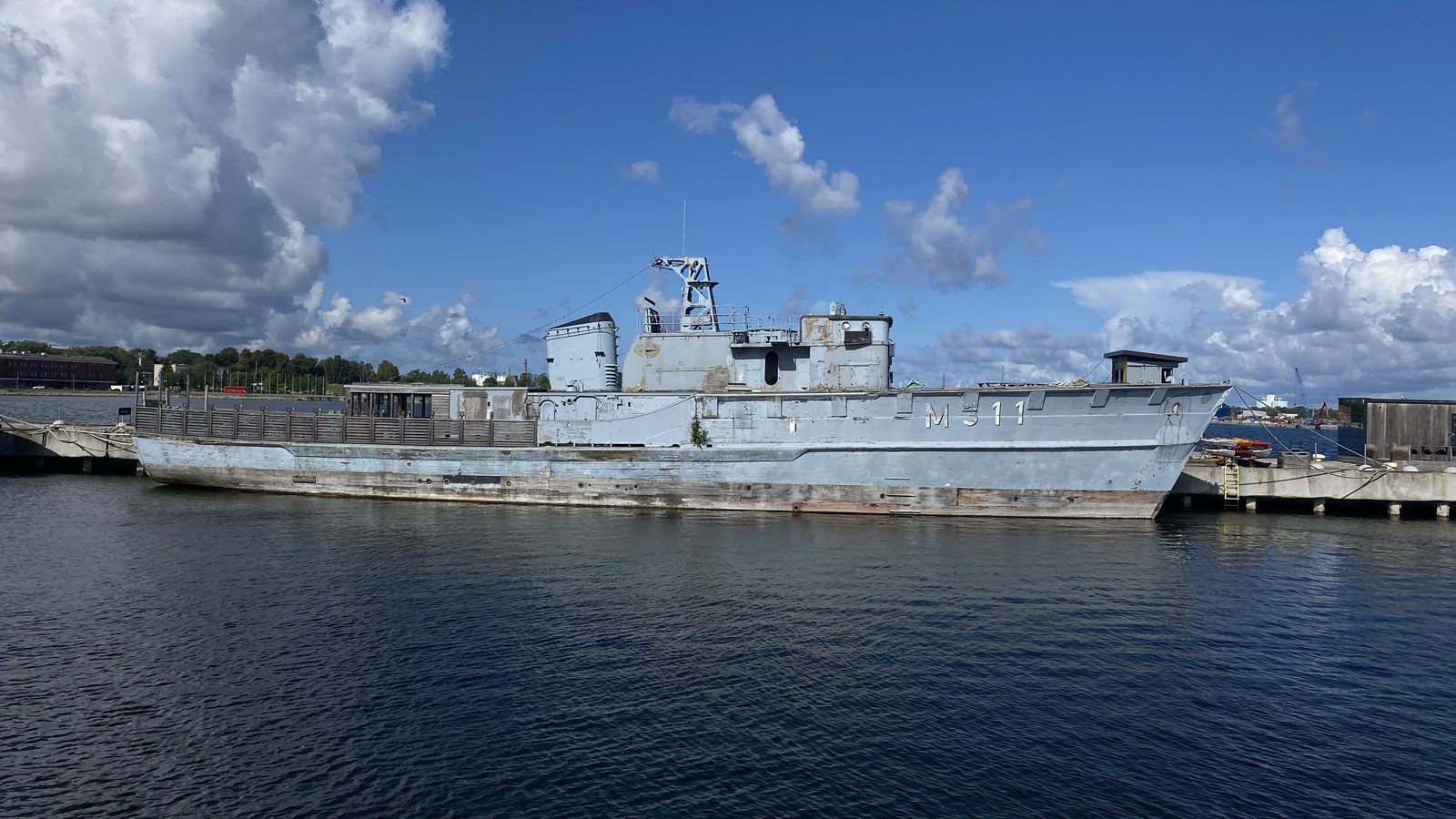
Tallinn itself tells a remarkable story. Since regaining independence in 1991 after the Soviet era, the city has flourished into a vibrant, modern capital. Its UNESCO-listed Old Town, encircled by medieval walls, remains one of the best-preserved in Europe, with cobbled streets leading to landmarks such as Town Hall Square, St. Olaf’s Church, and the onion-domed Alexander Nevsky Cathedral. Beyond the old walls, neighborhoods like Telliskivi and Rotermann showcase Tallinn’s creative energy with galleries, design shops, and buzzing eateries in repurposed industrial spaces.
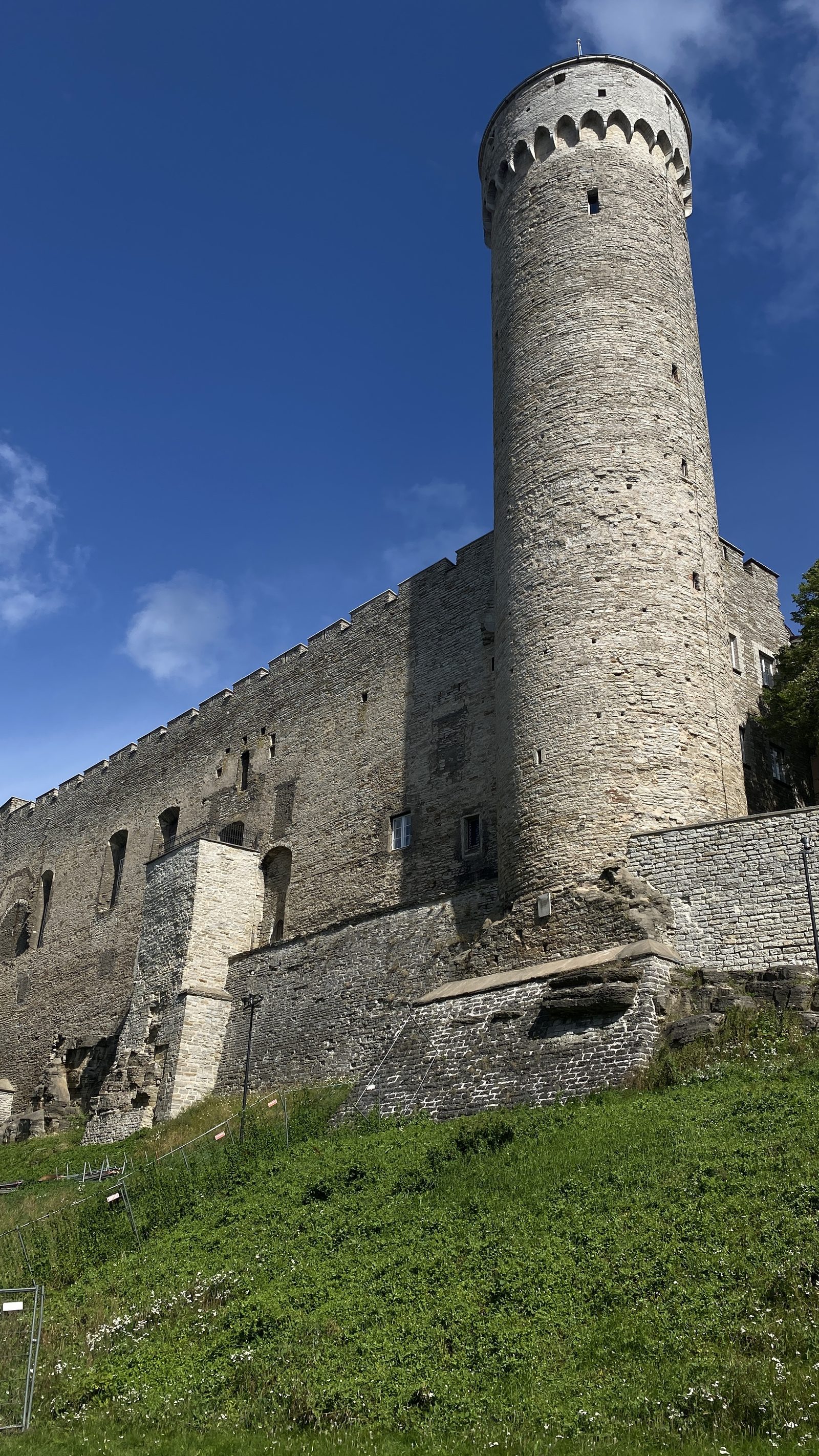
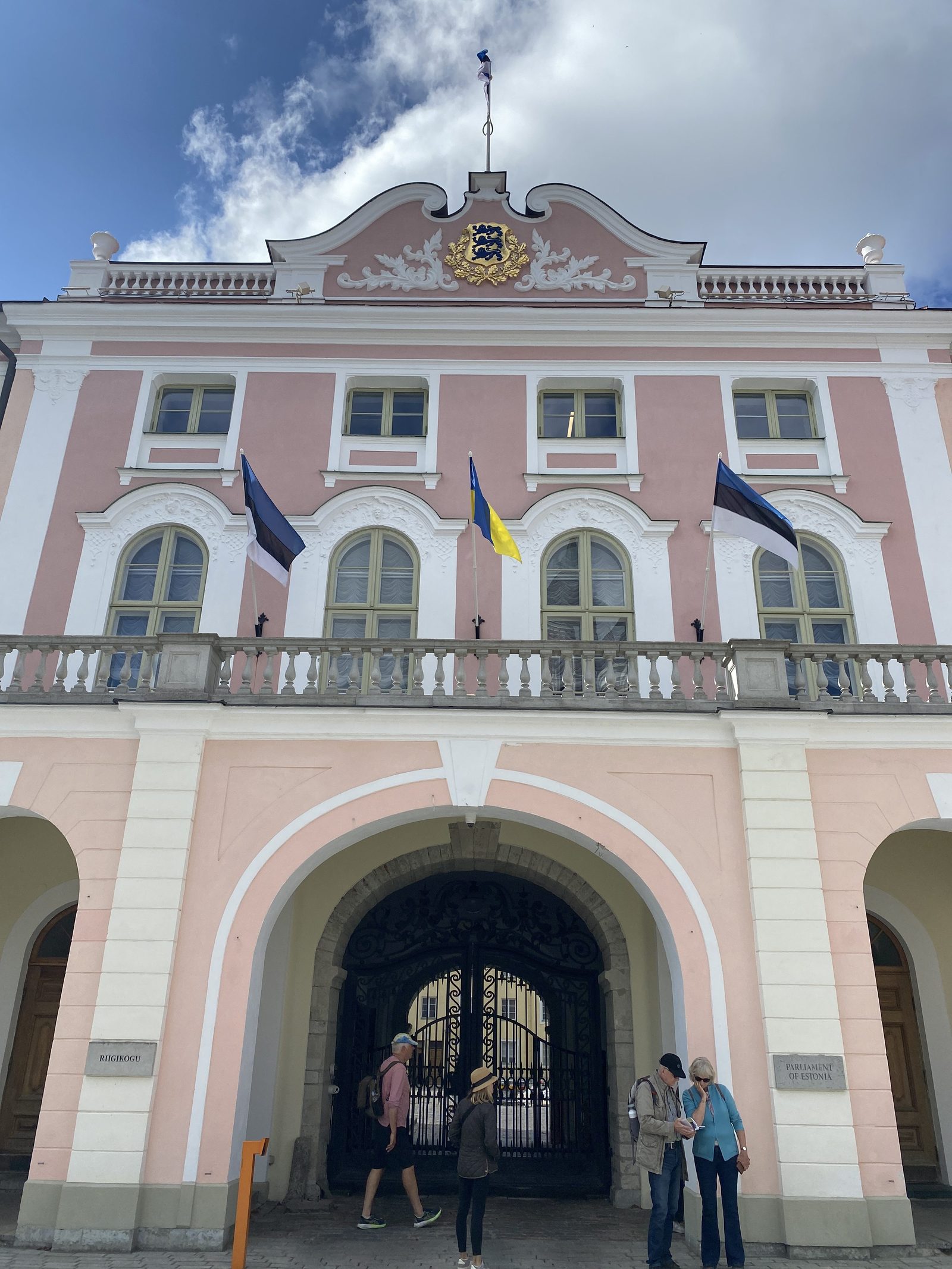
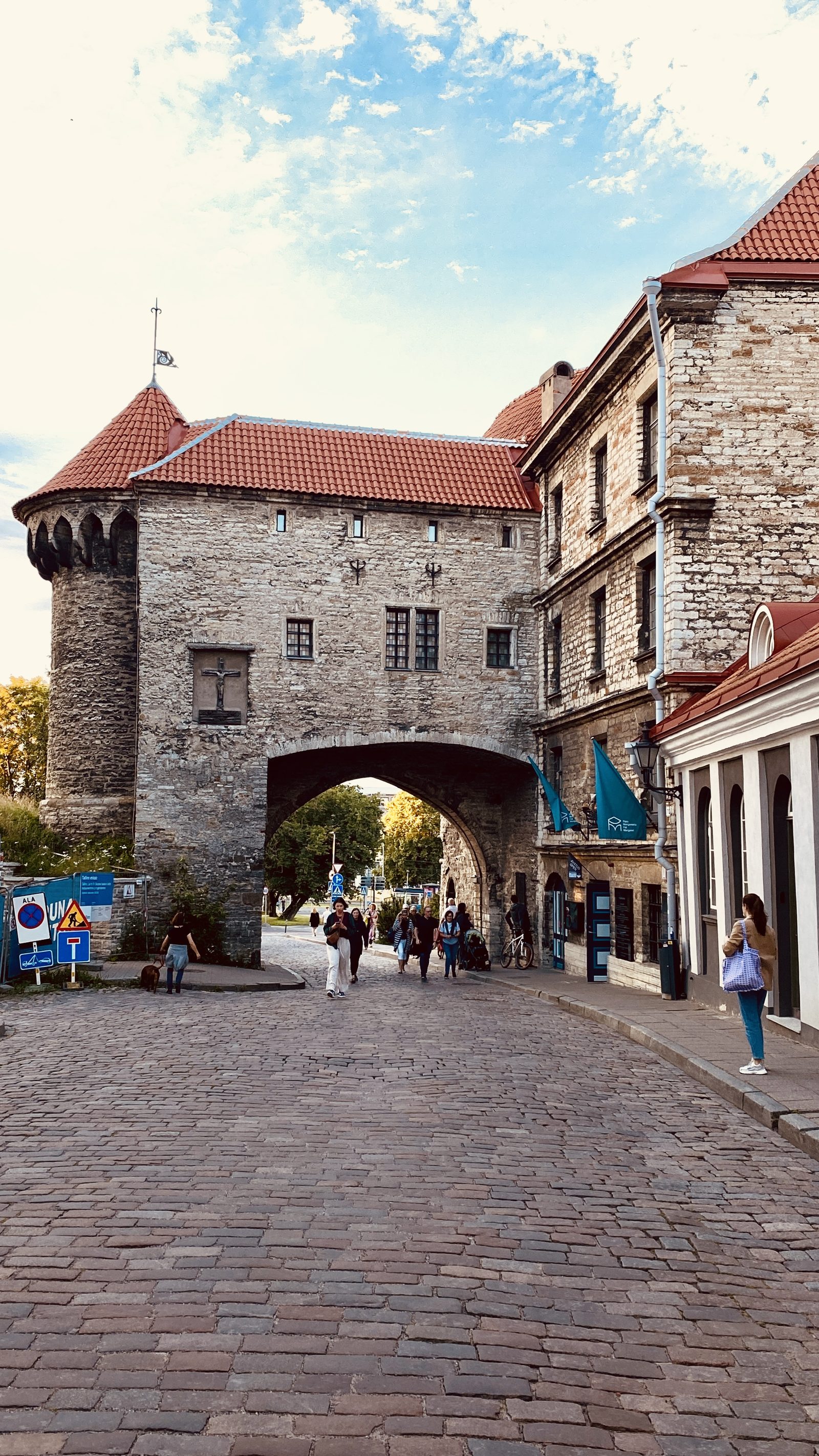
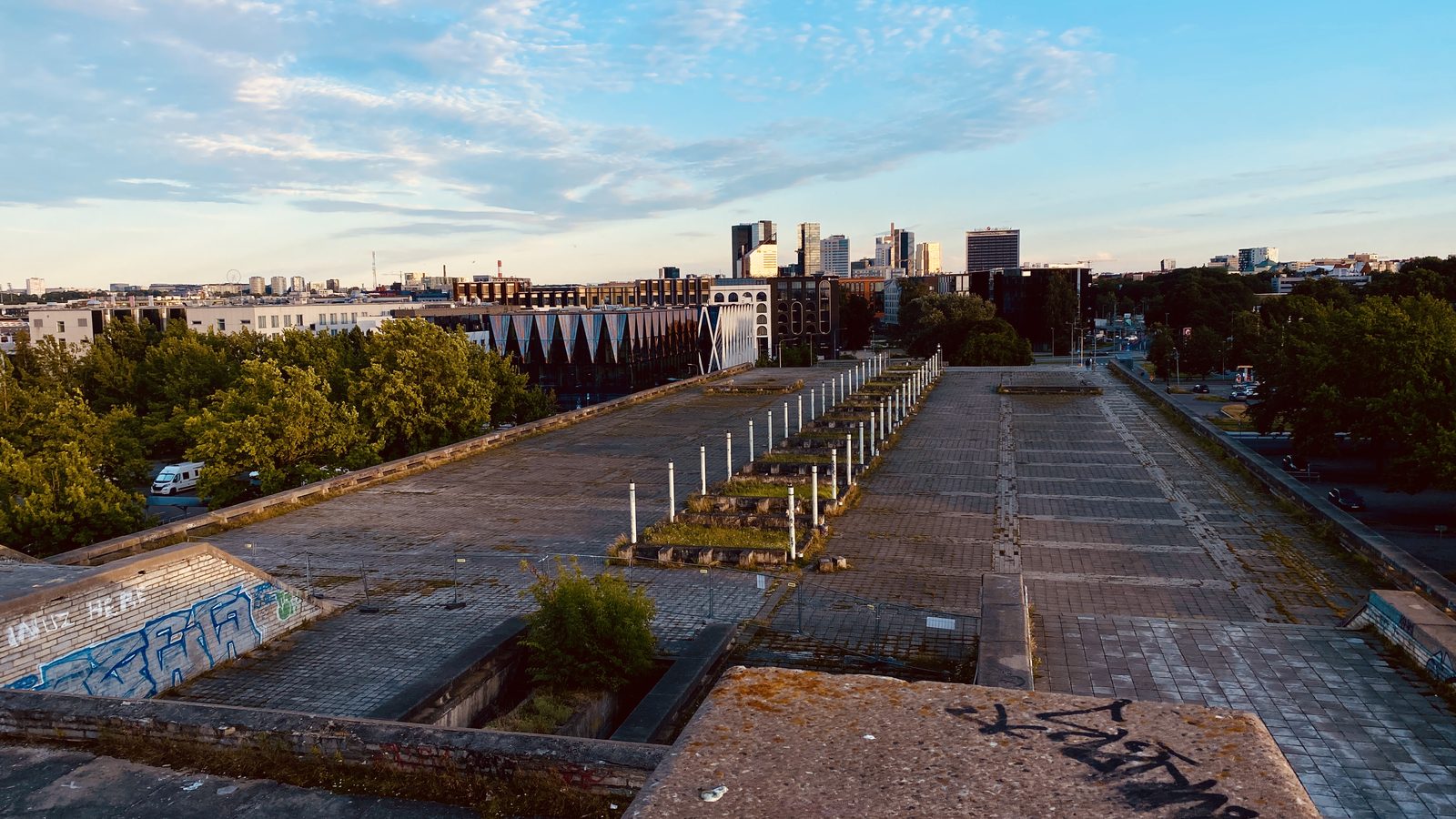
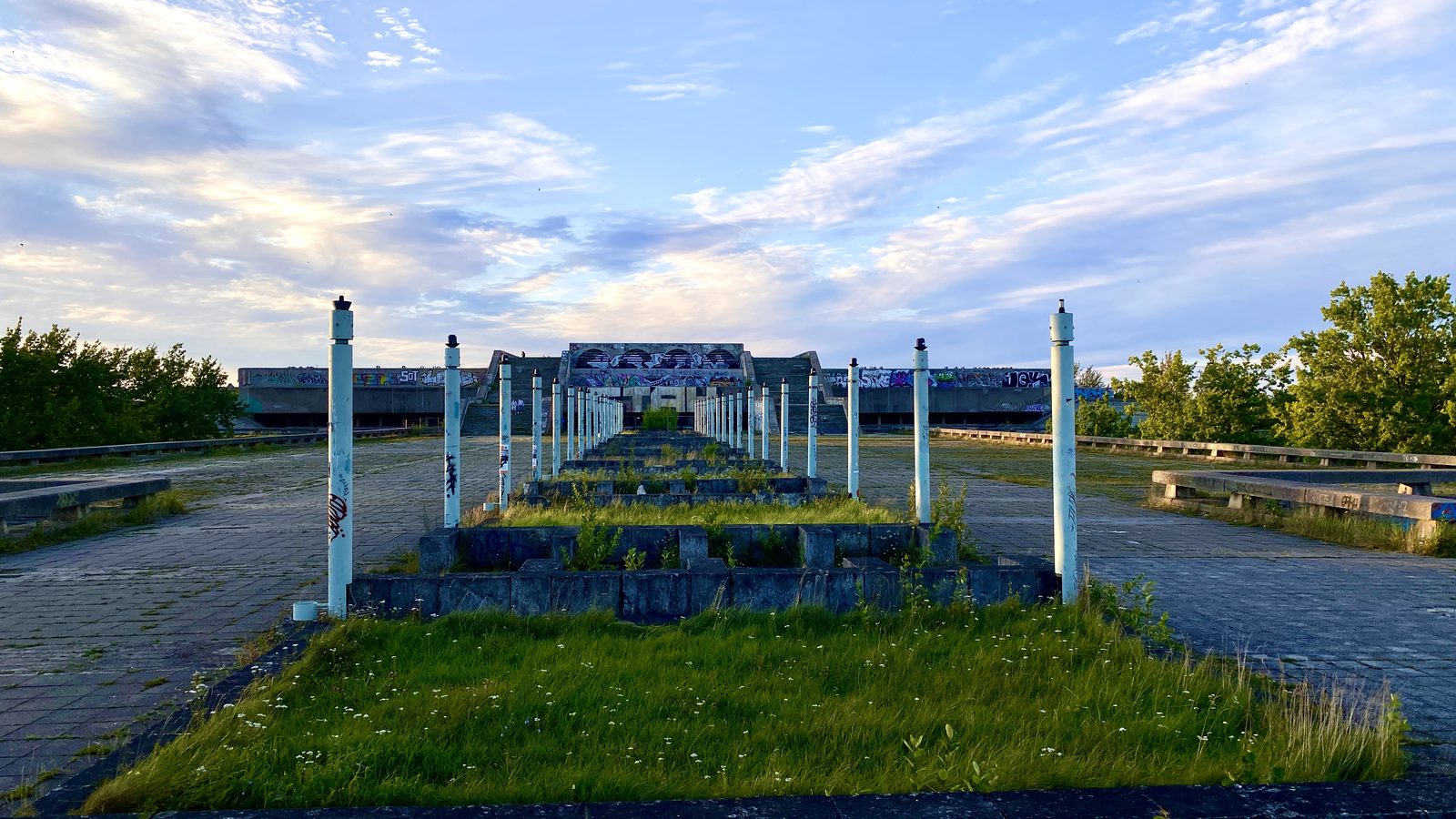
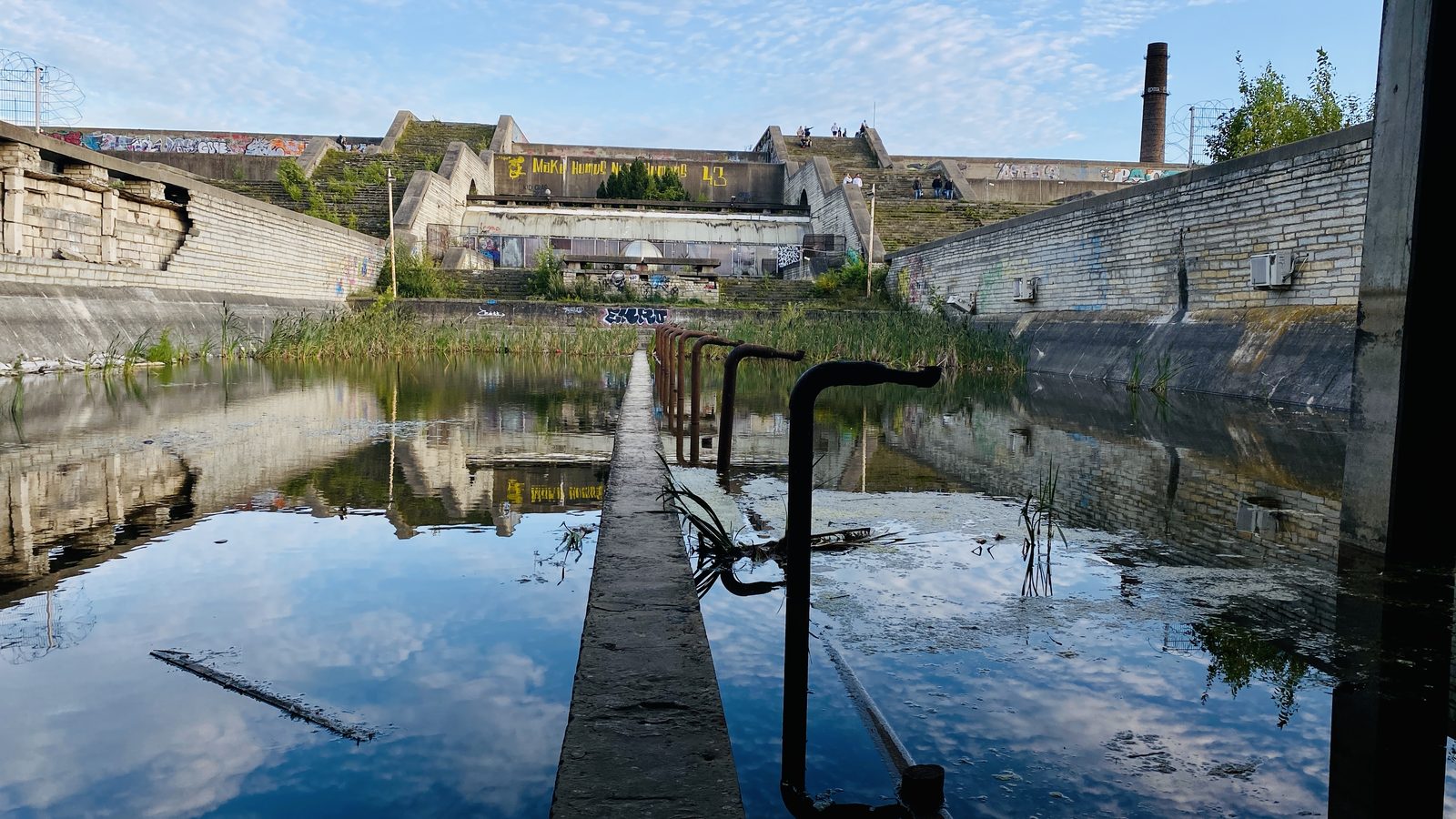
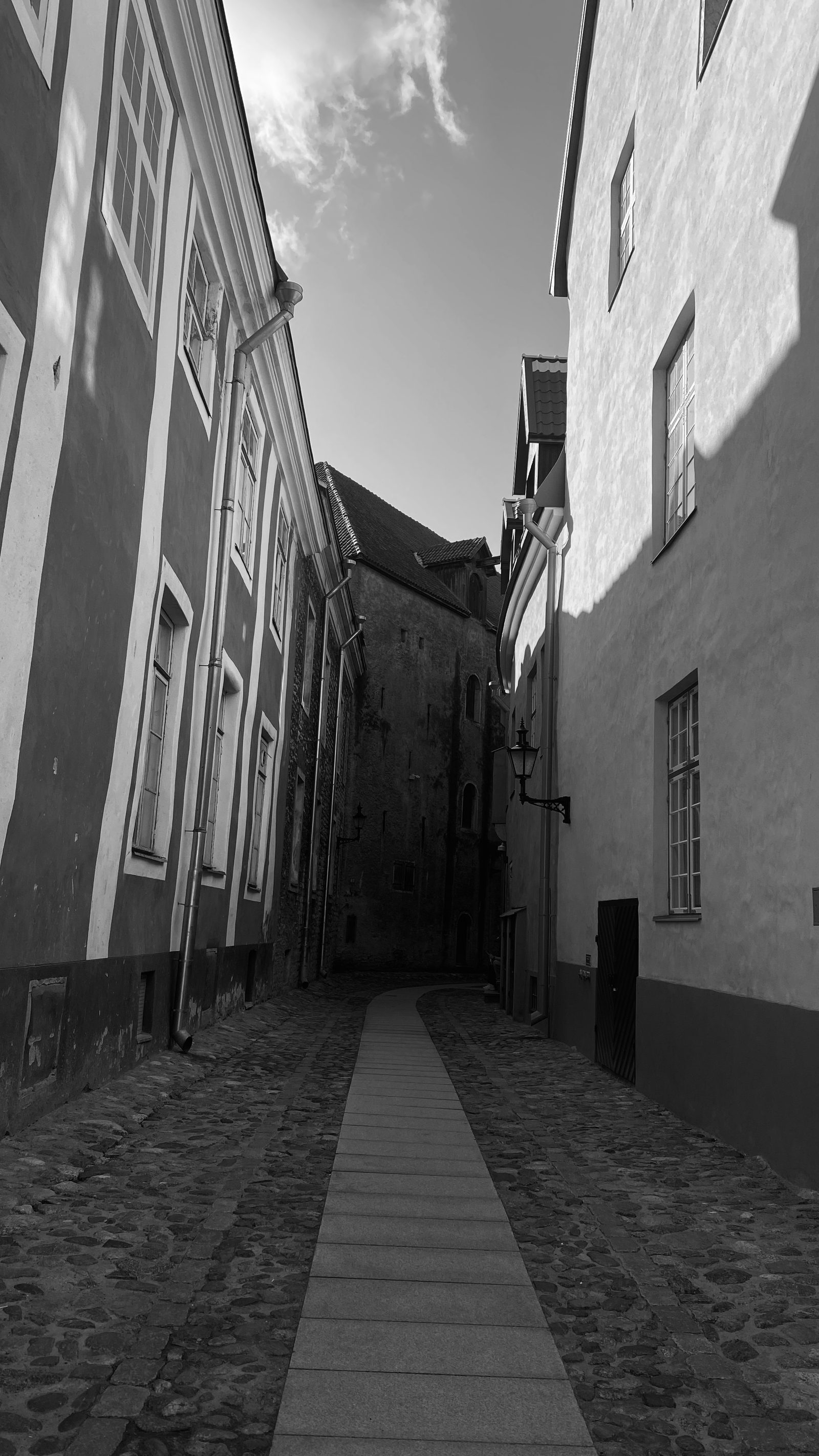
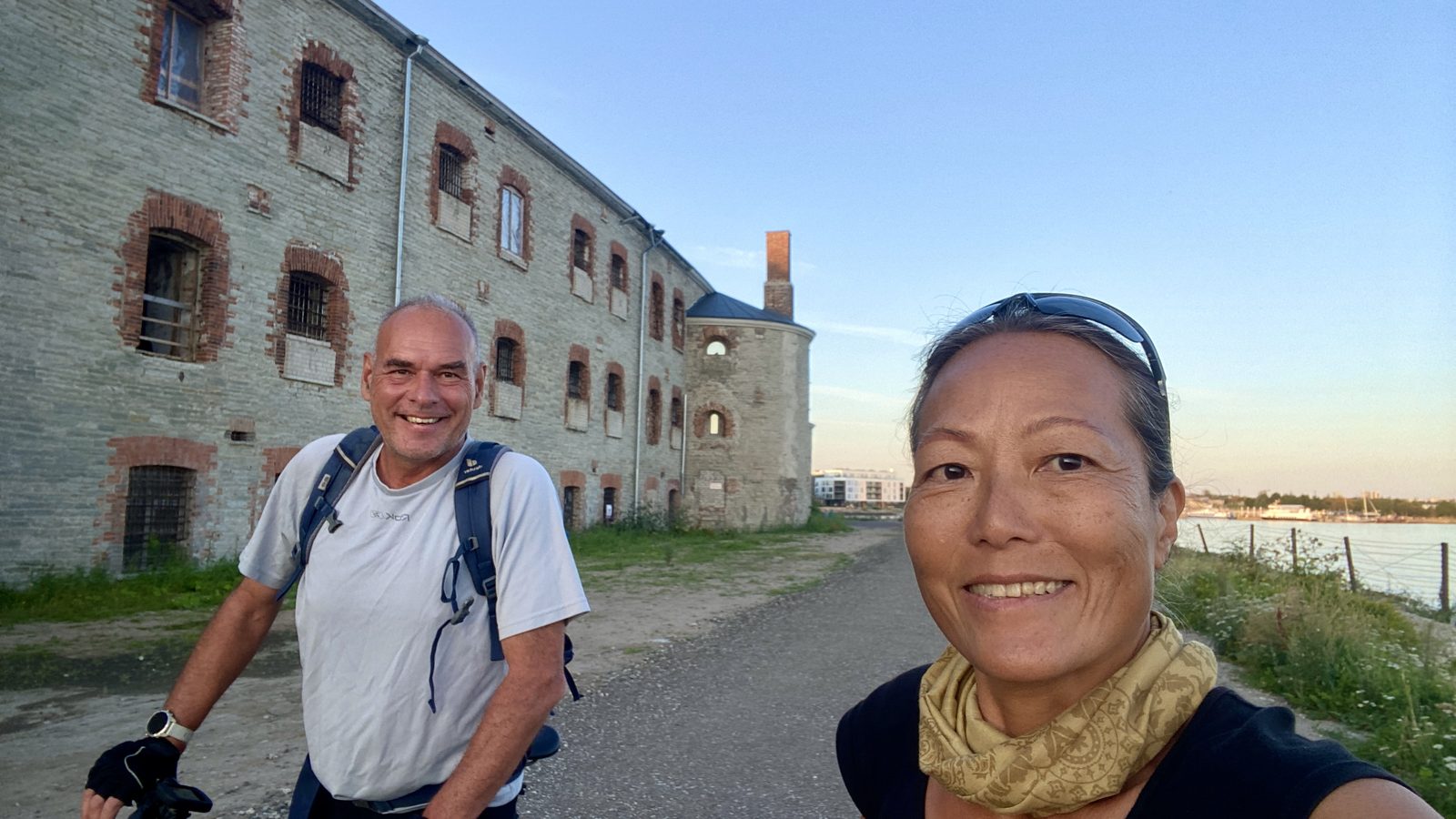
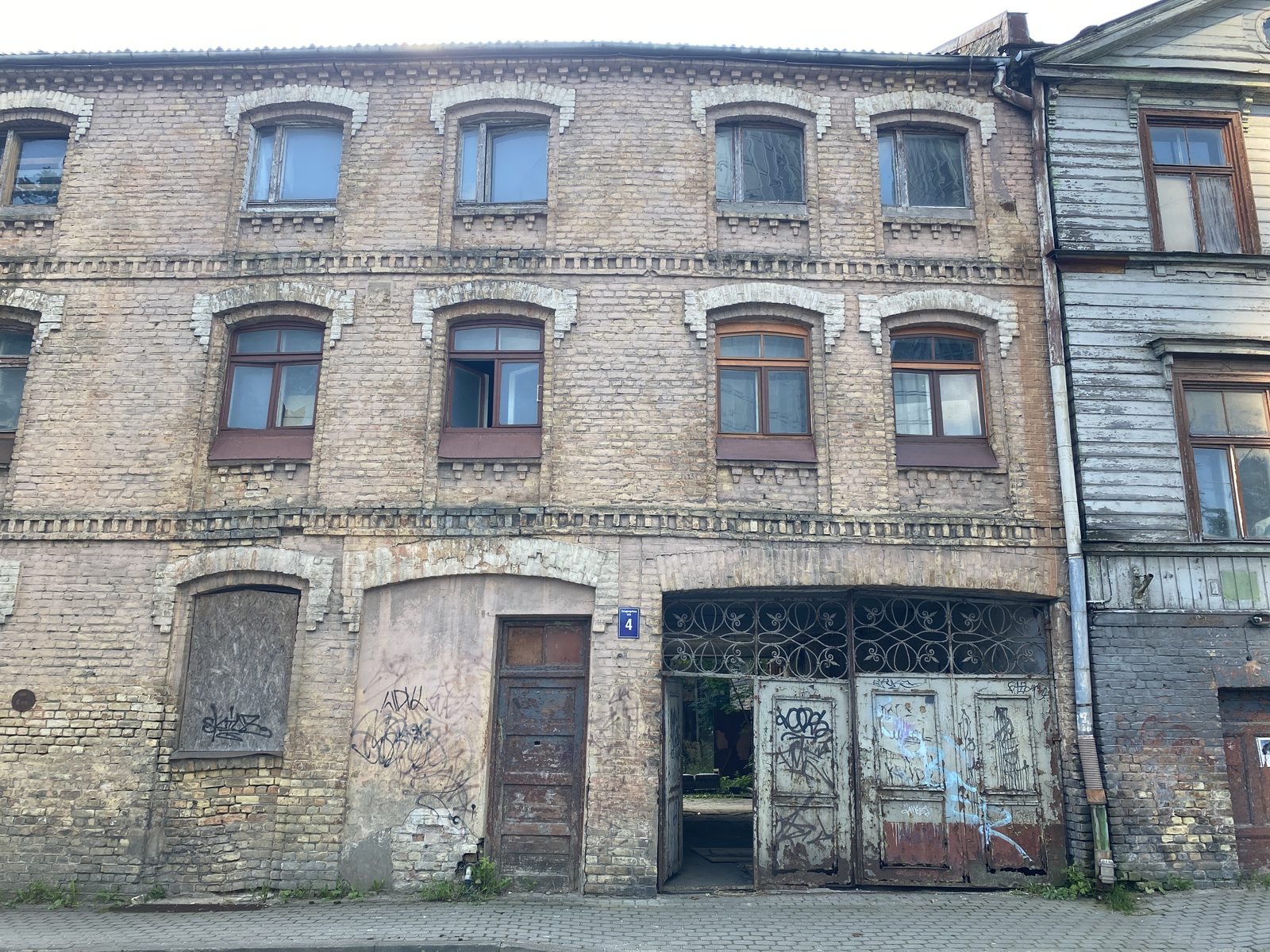
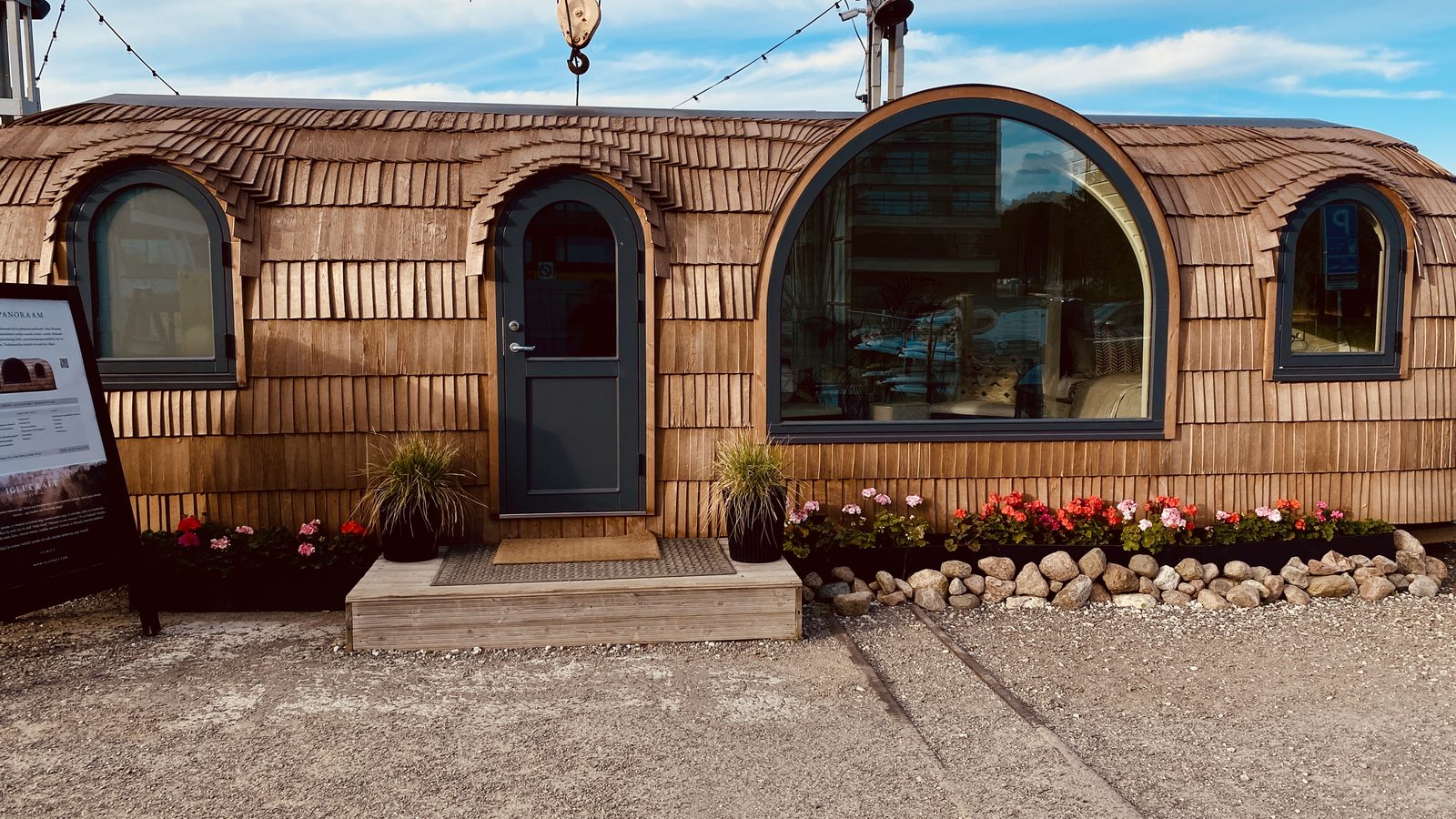
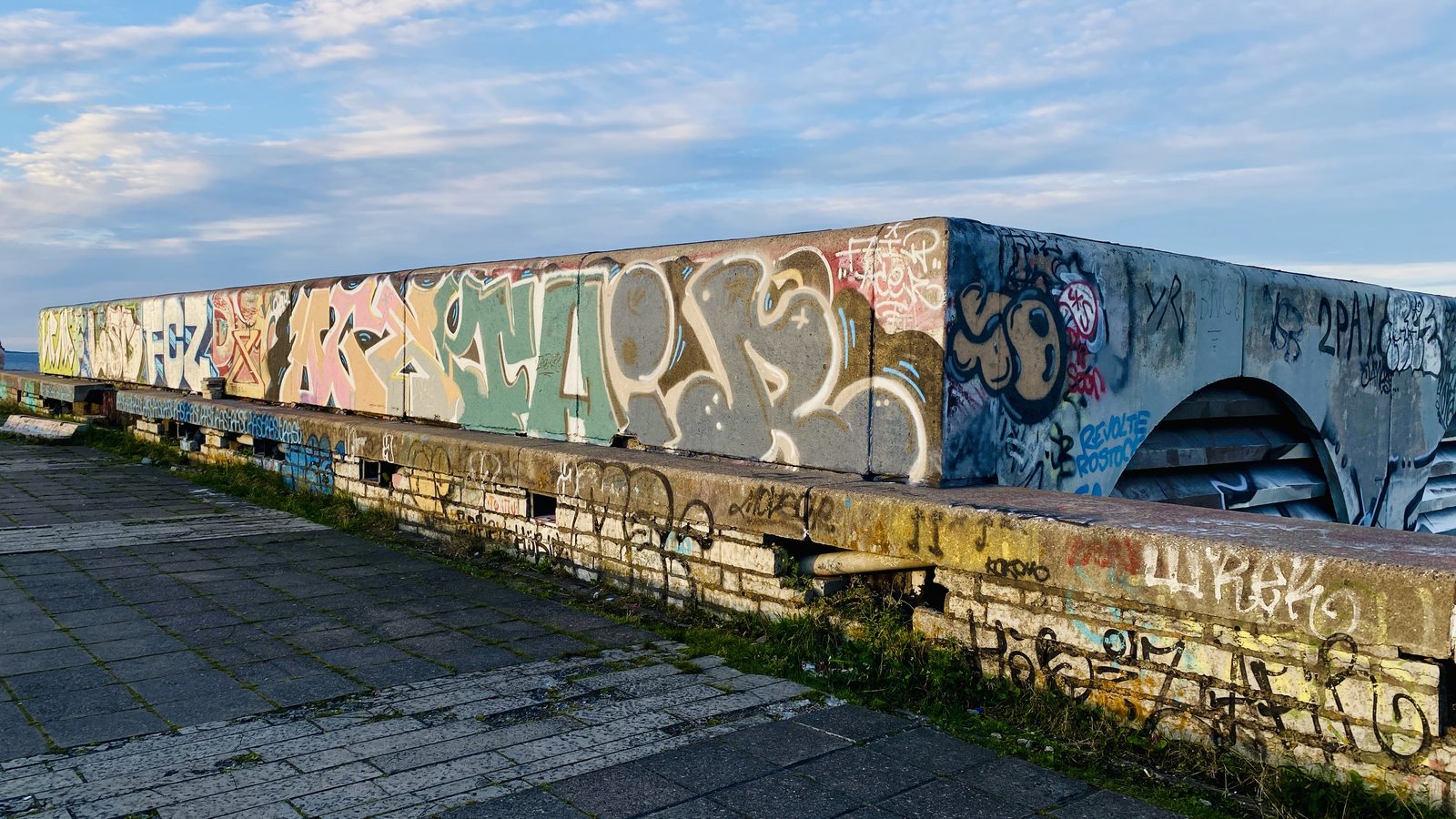
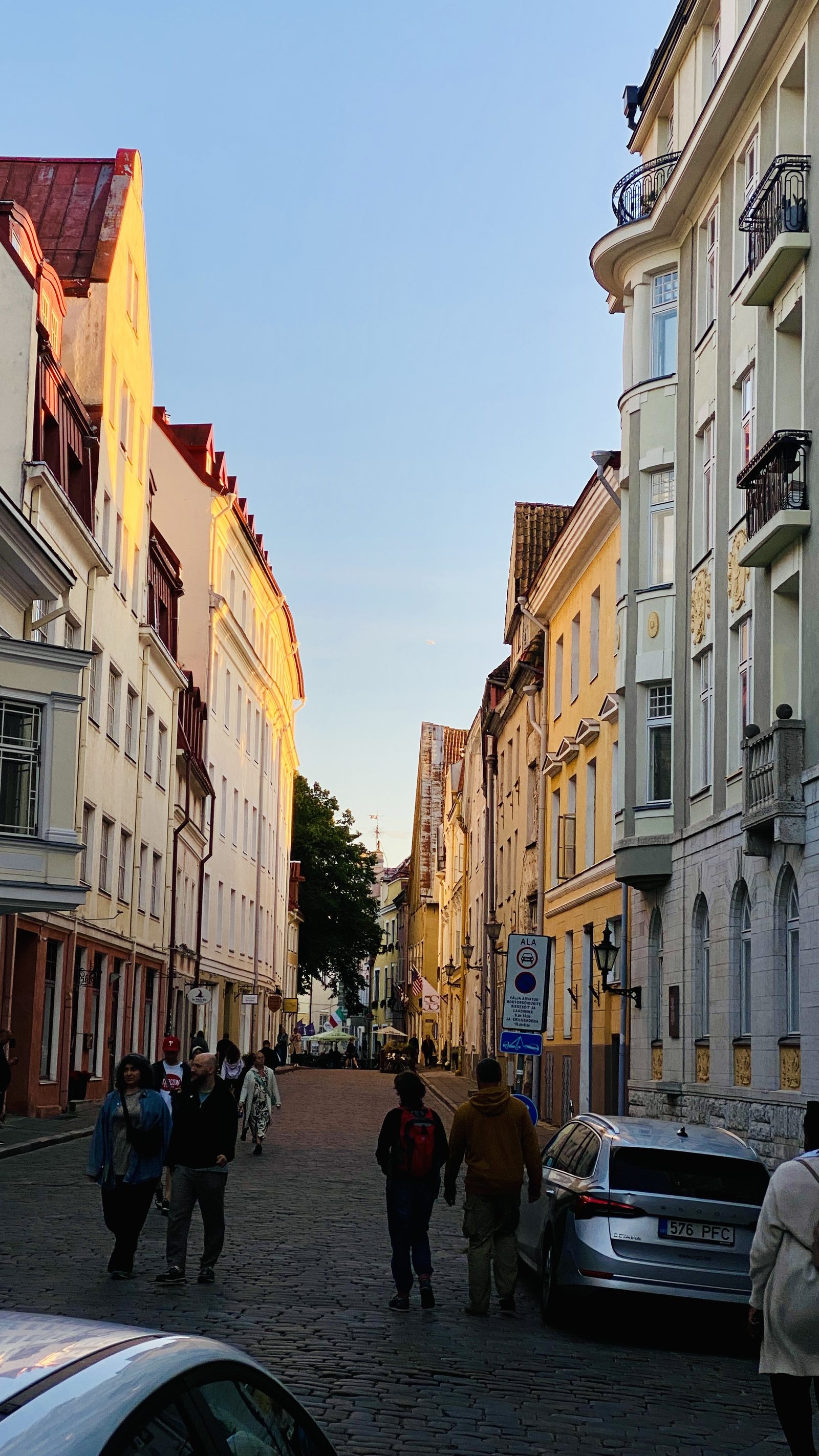
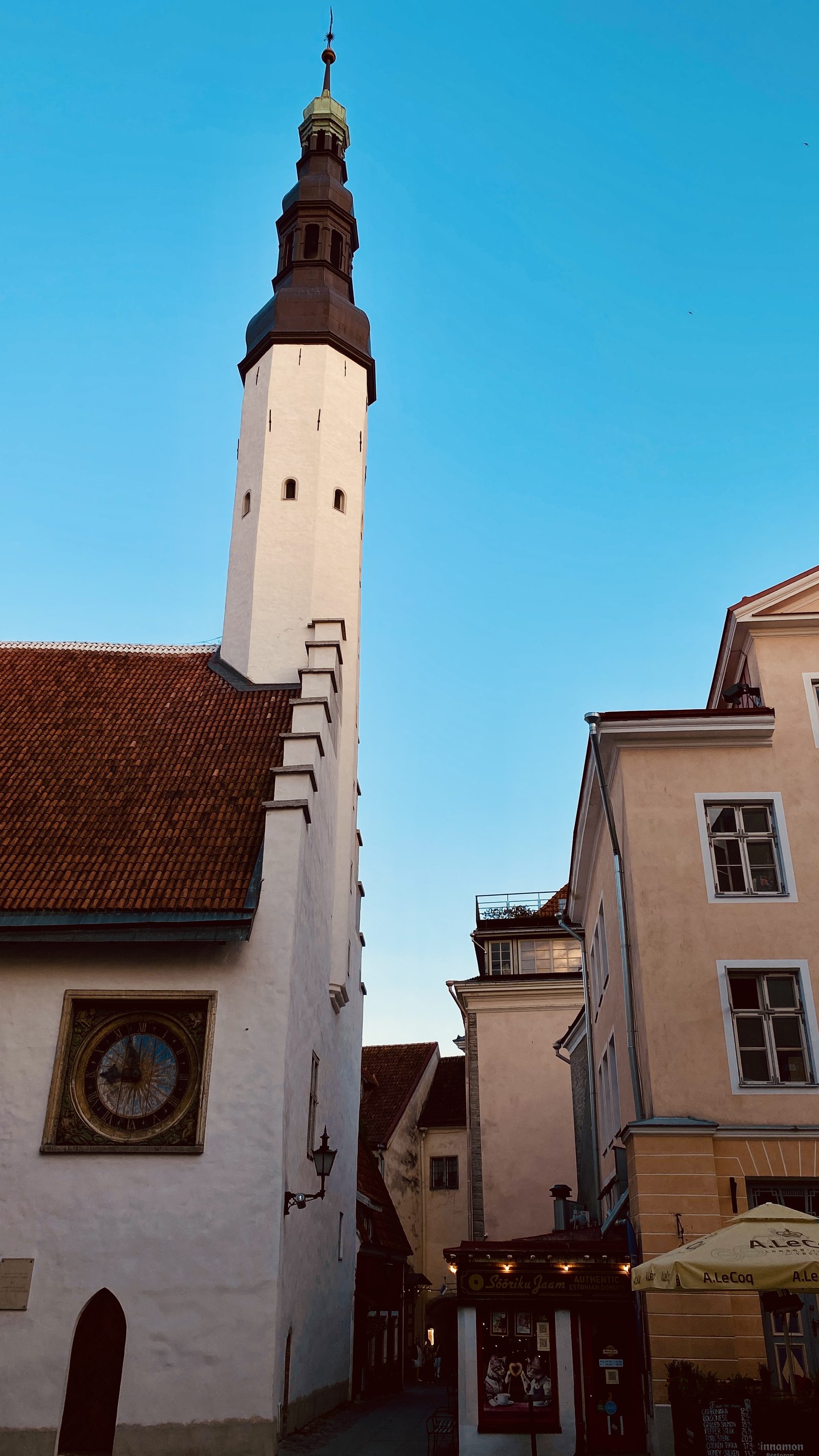
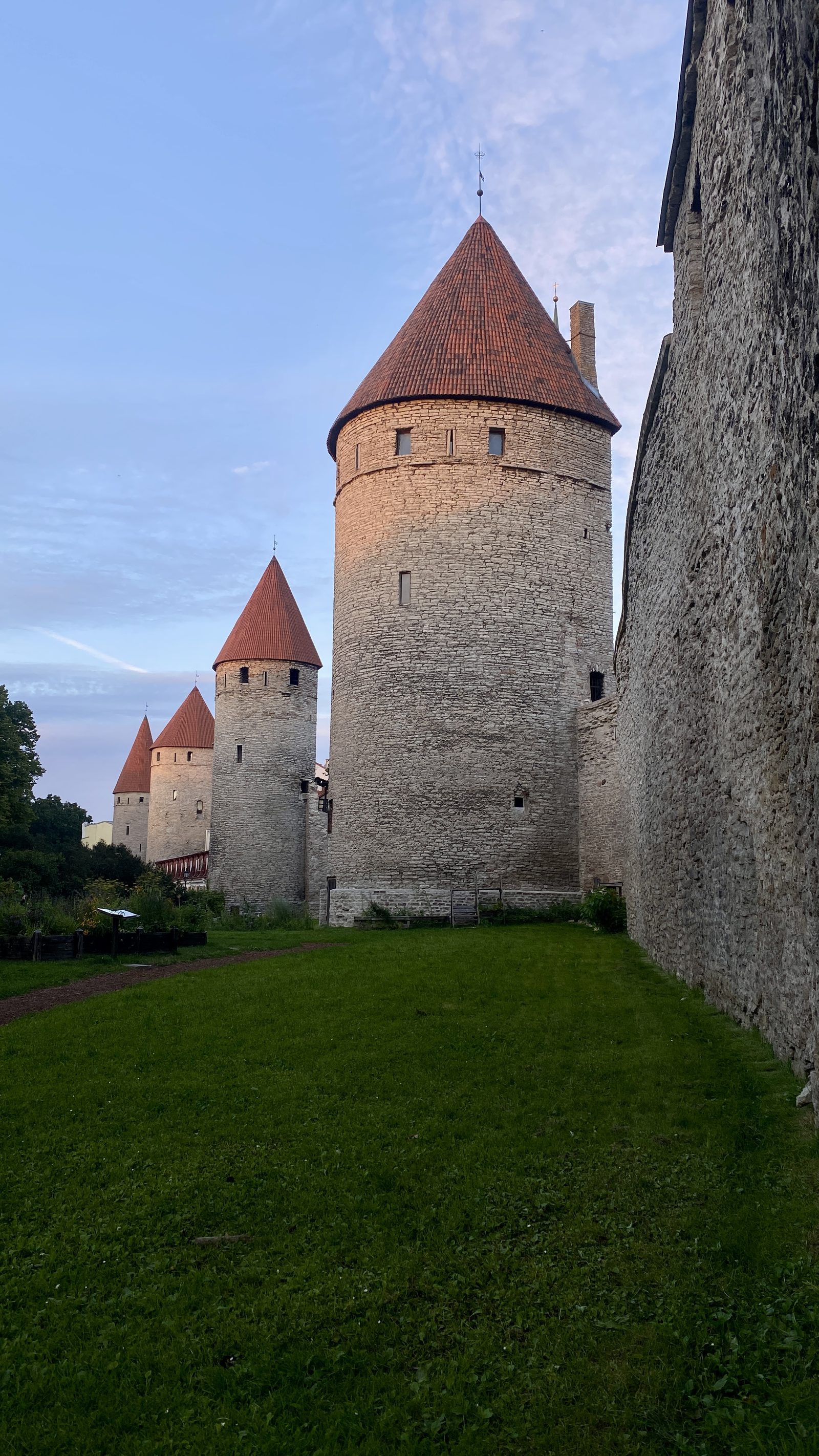
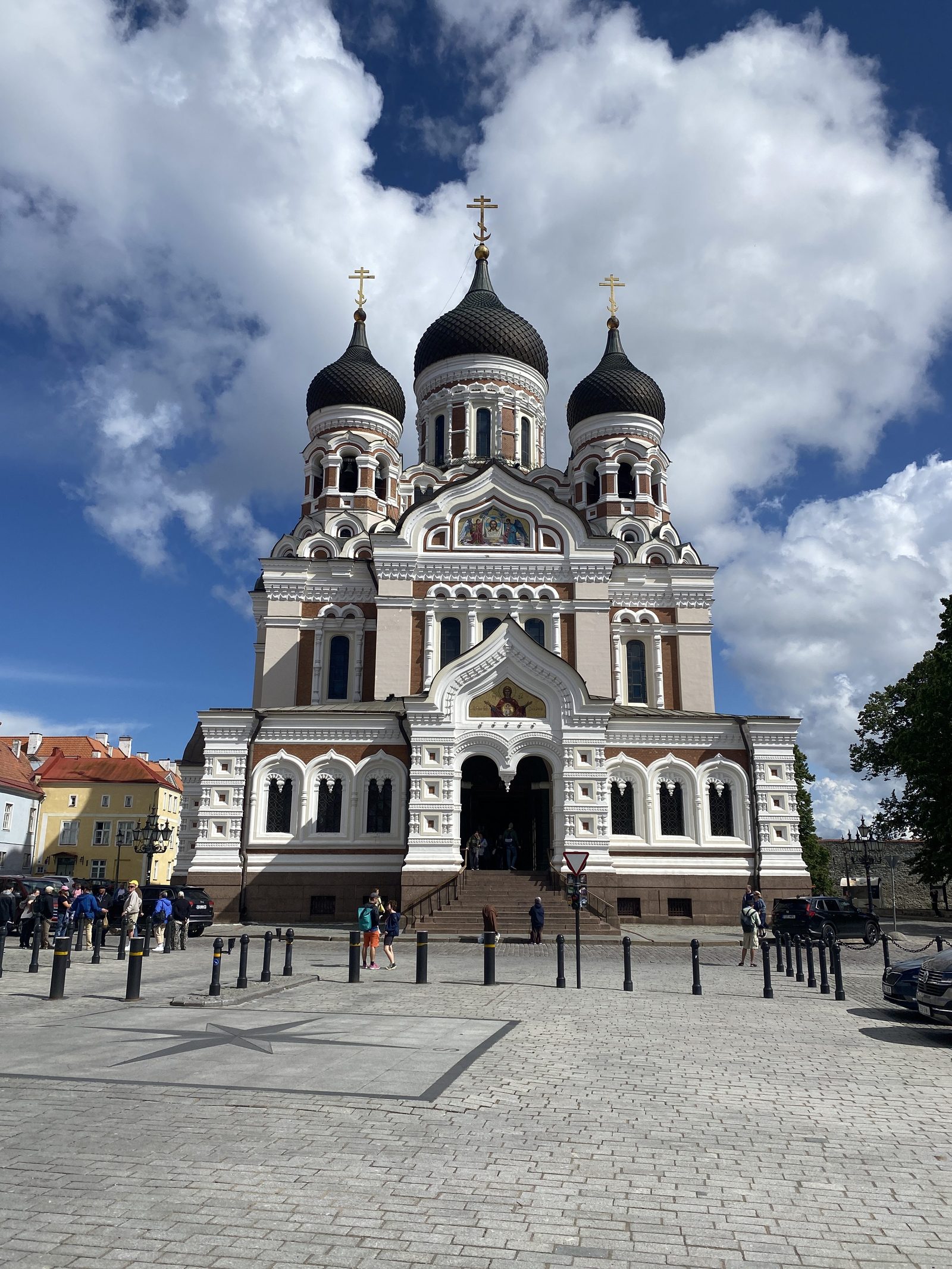
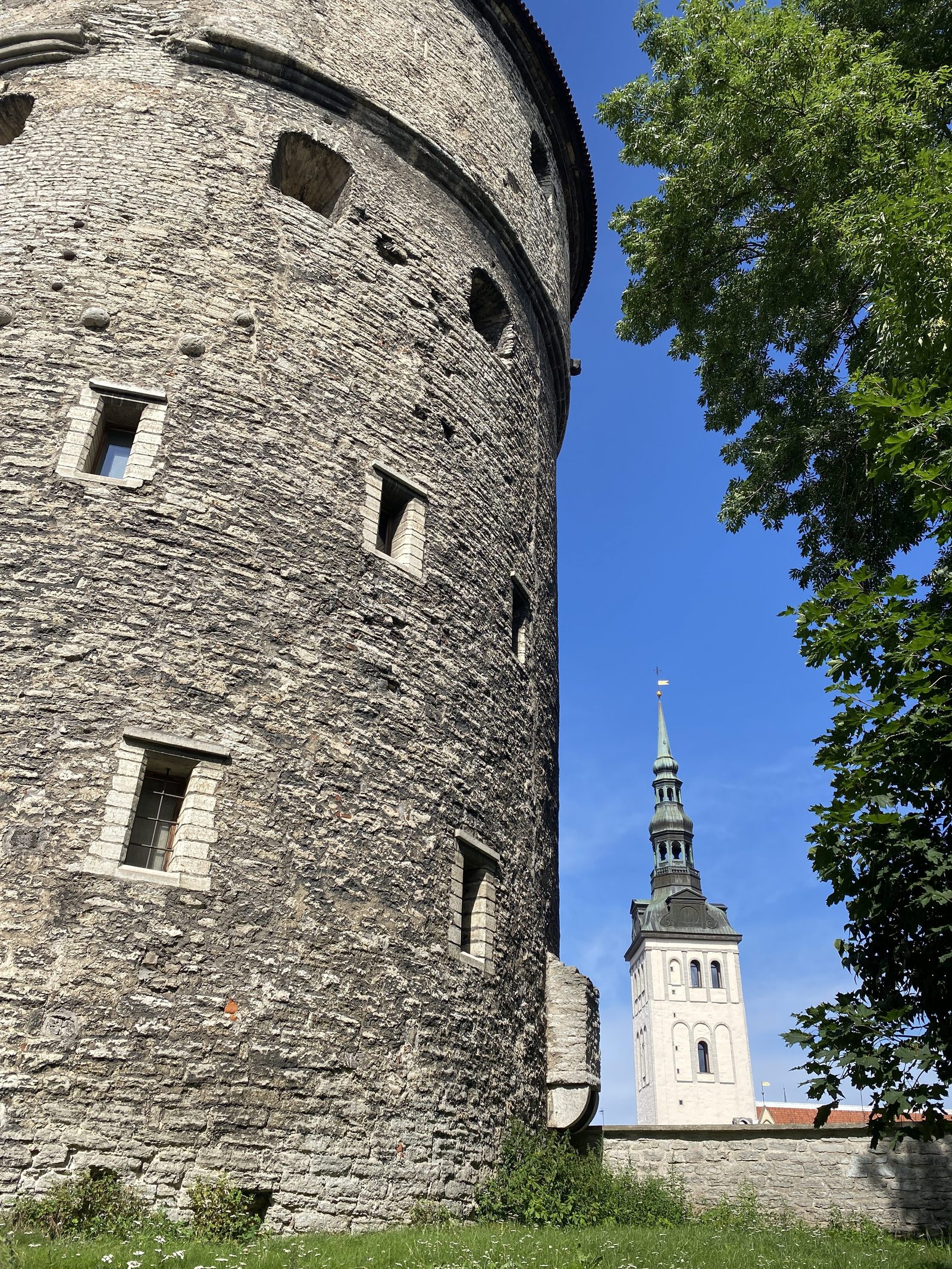
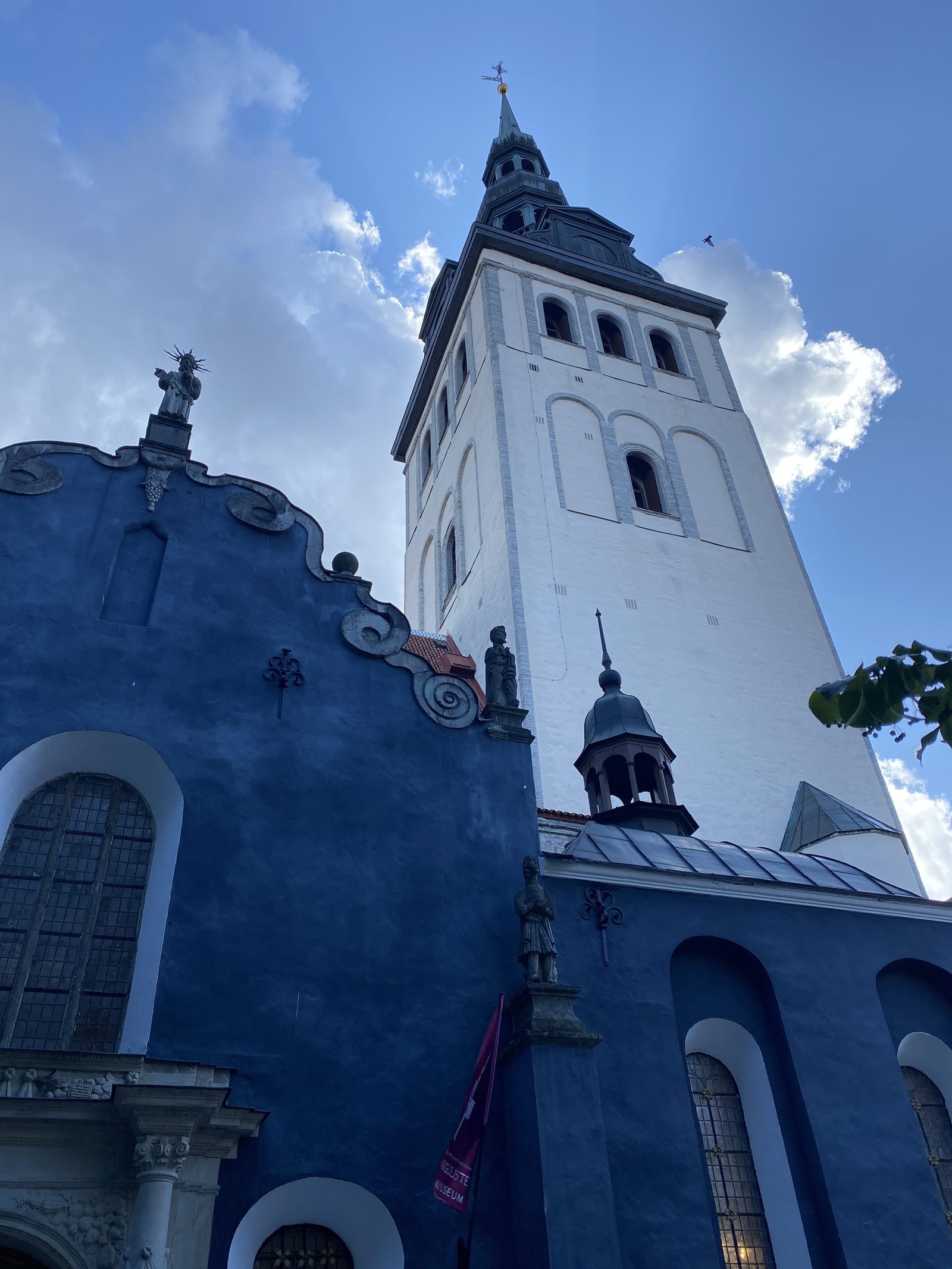
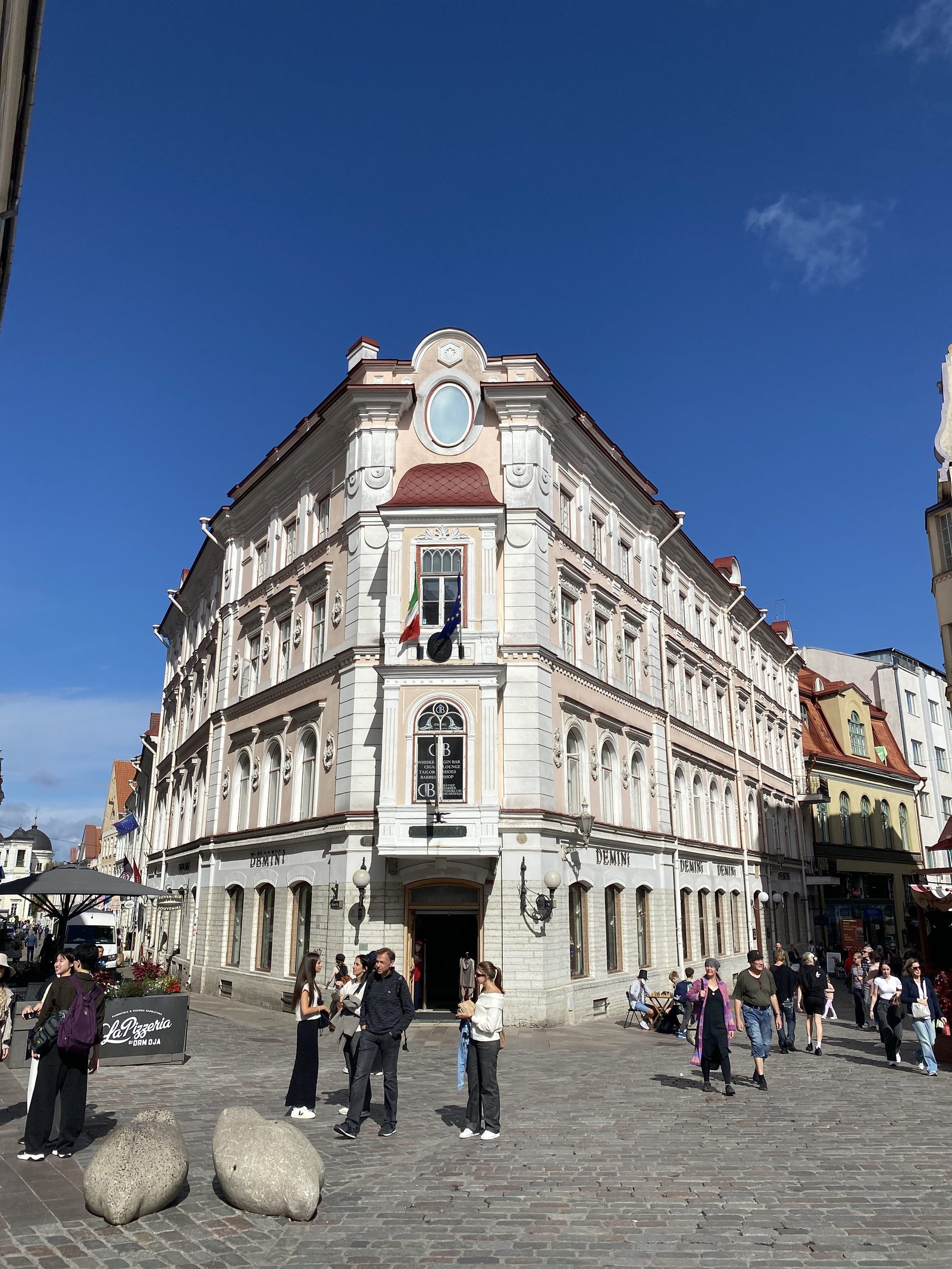
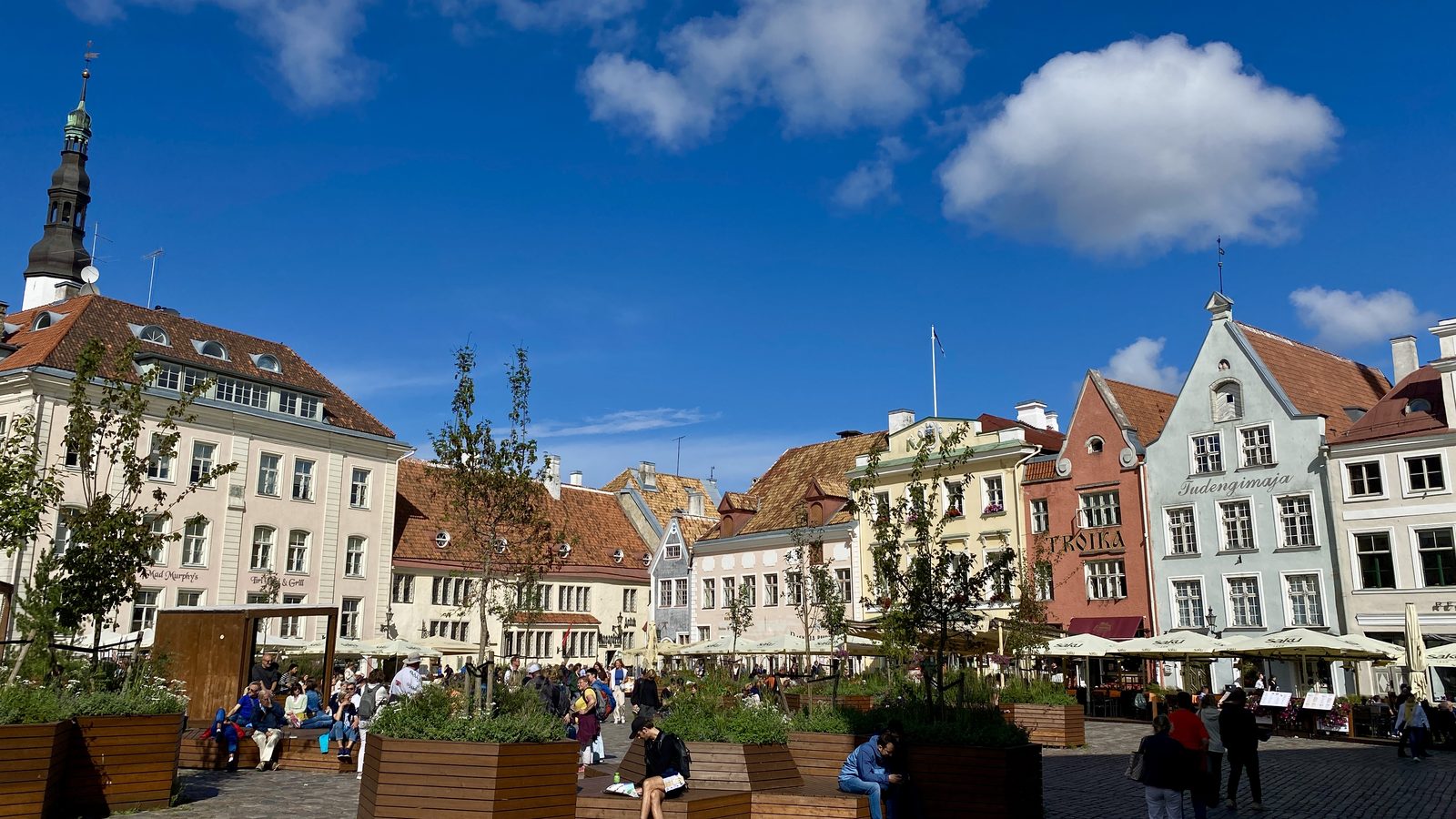
Coming from Riga where the remnants of the Iron Curtain still lingers about in the people, culture and look and feel of the town and its architecture, Tallinn surprisingly has transformed itself completely and shaken off the Russian residue. People in the streets seemed friendly and happy, everything was spotlessly clean, many new, ultra modern buildings can be found and the old town is meticulously restored and really well maintained. Tallinn easily compares to any major city in Europe and it is obvious that the country has prospered with well dressed people, lots of new cars and restaurants filled. Tallinn is more expensive than Riga but if I had the choice to only visit one of them, Tallinn would be my pick.
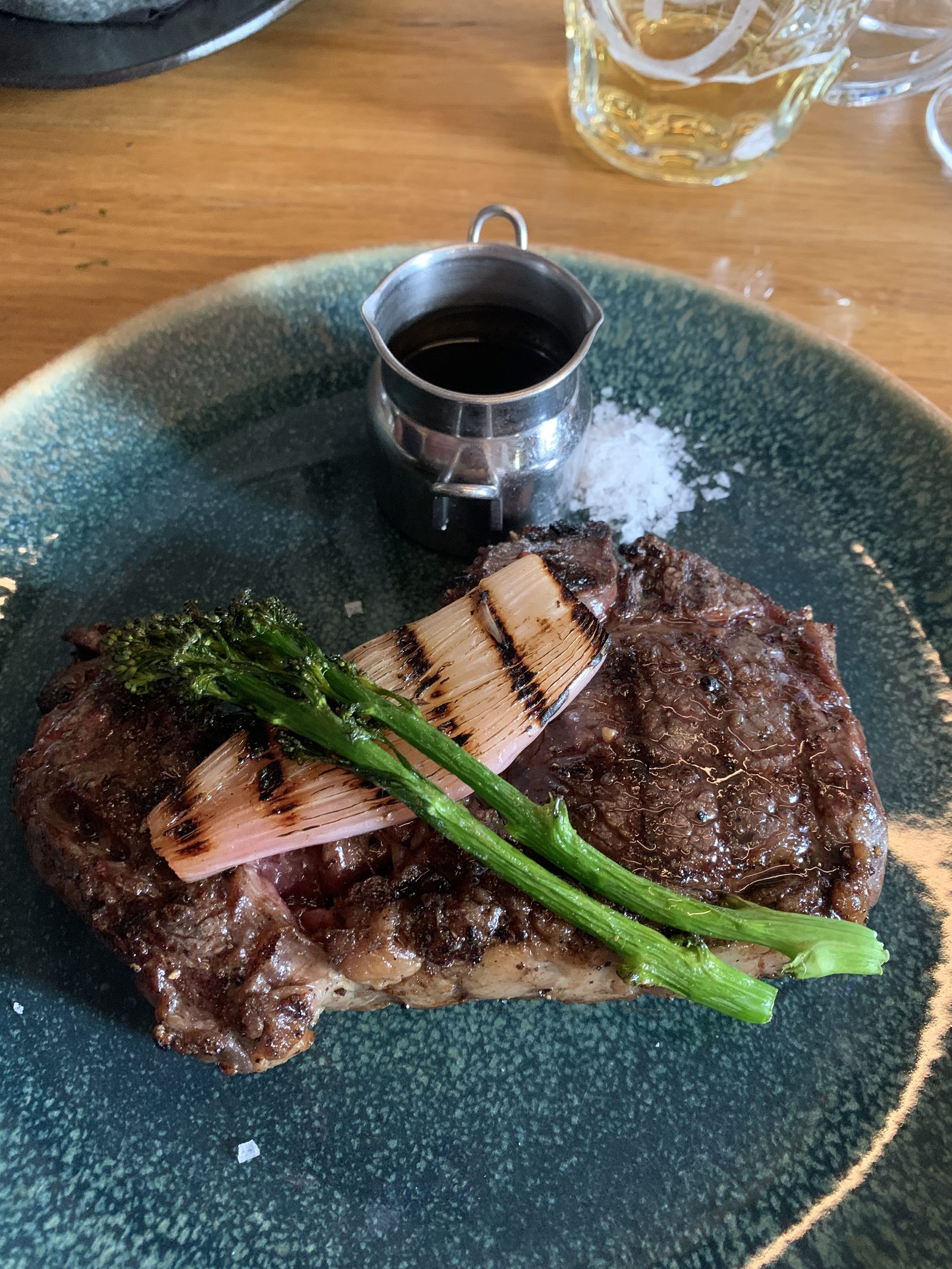
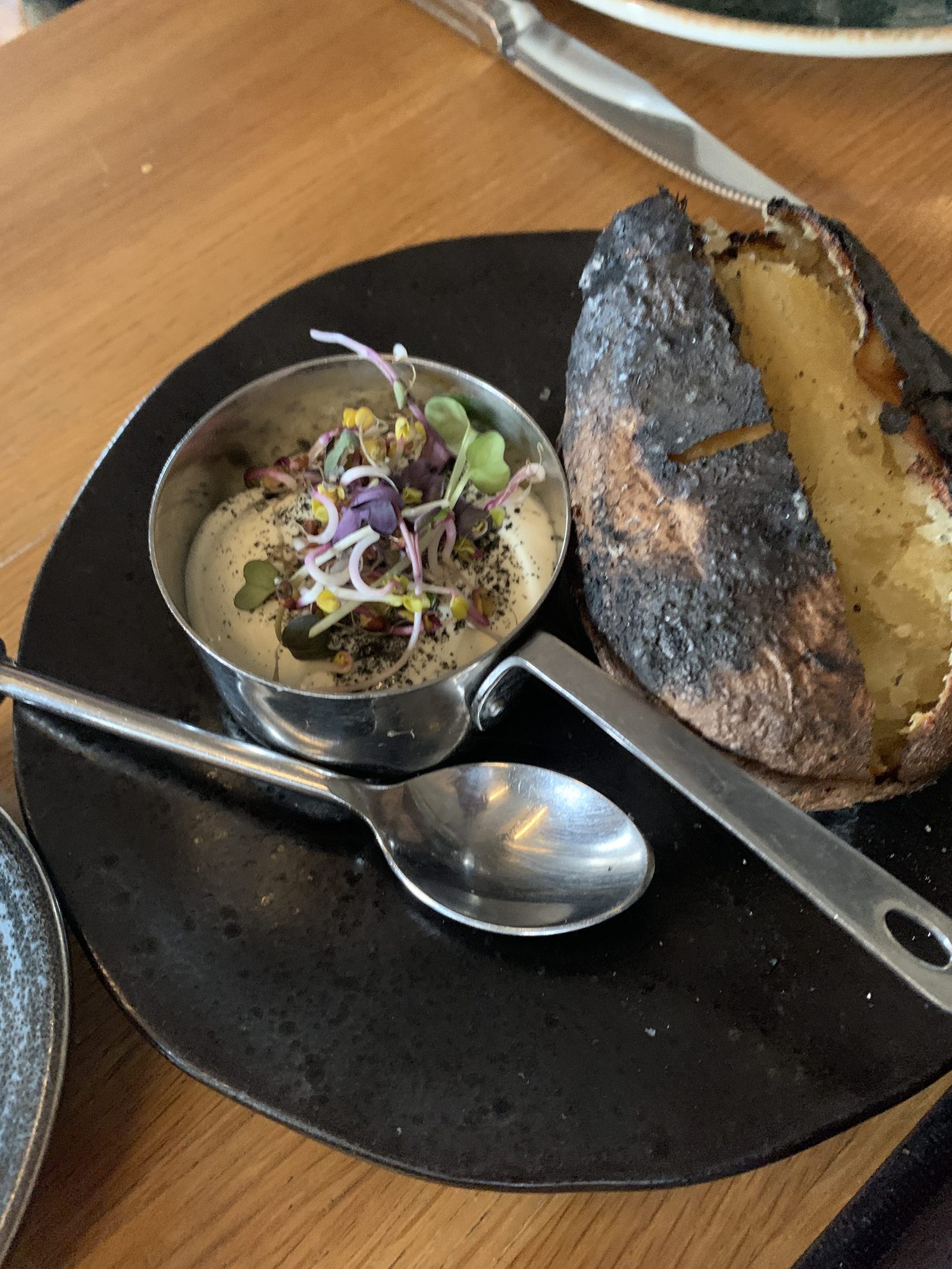
Wine and dine experiences here are equally diverse: rustic taverns serve hearty Estonian fare, while fine dining restaurants offer modern Nordic cuisine paired with local beers, vodkas, and berry liqueurs. It’s a city of contrasts – medieval towers and modern glass, tradition and innovation – making Tallinn one of the Baltic’s most captivating destinations.
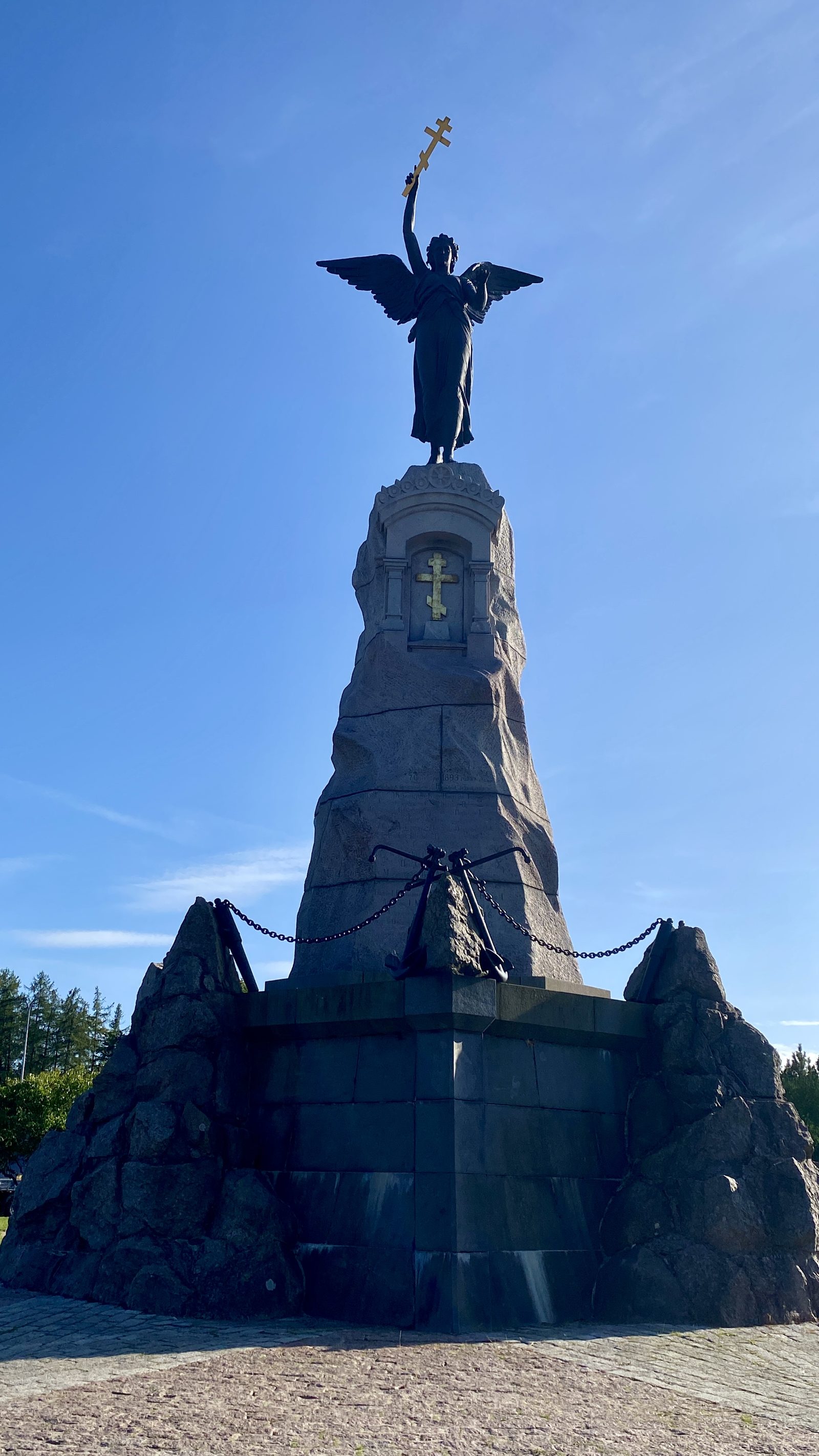
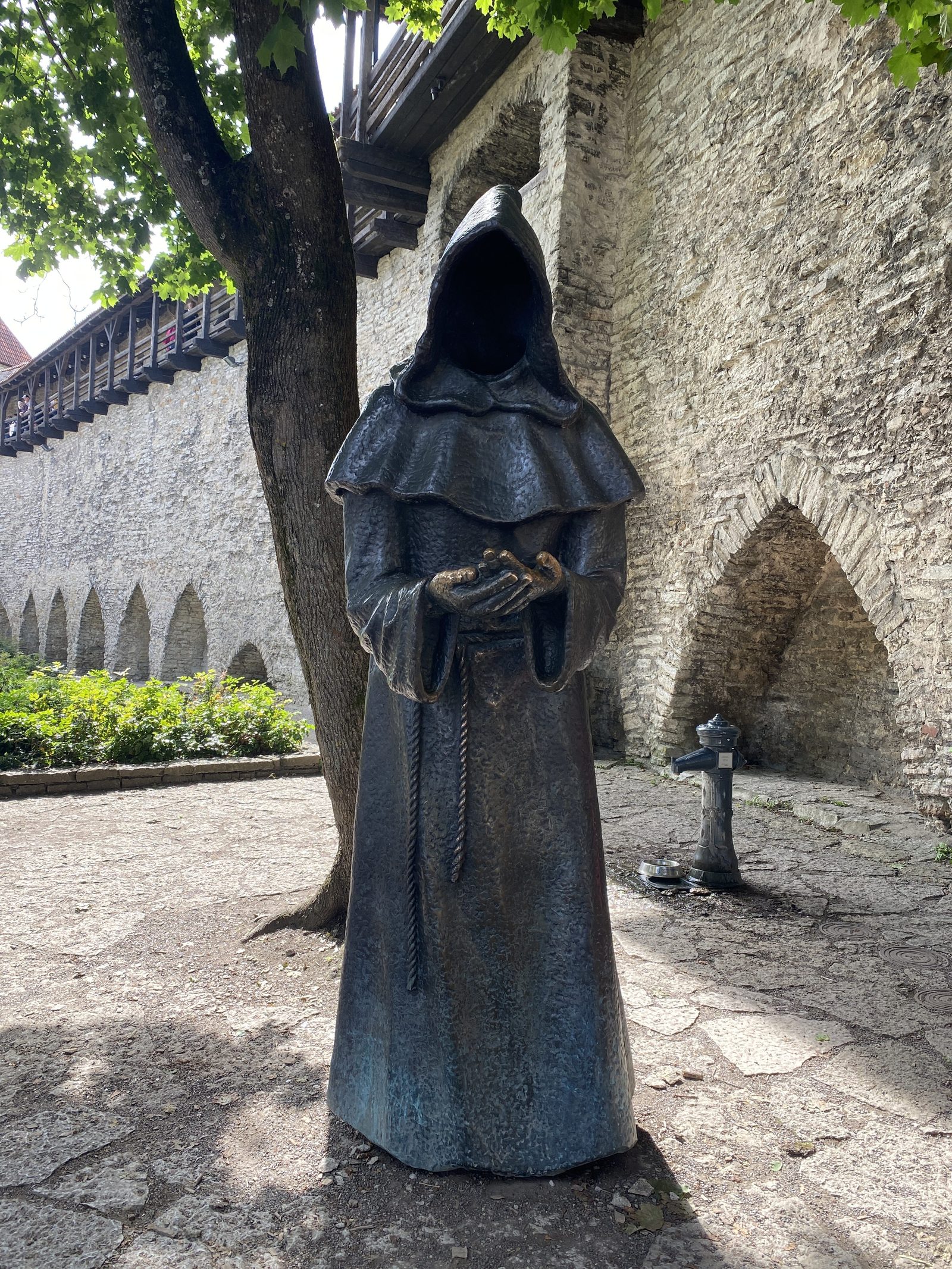
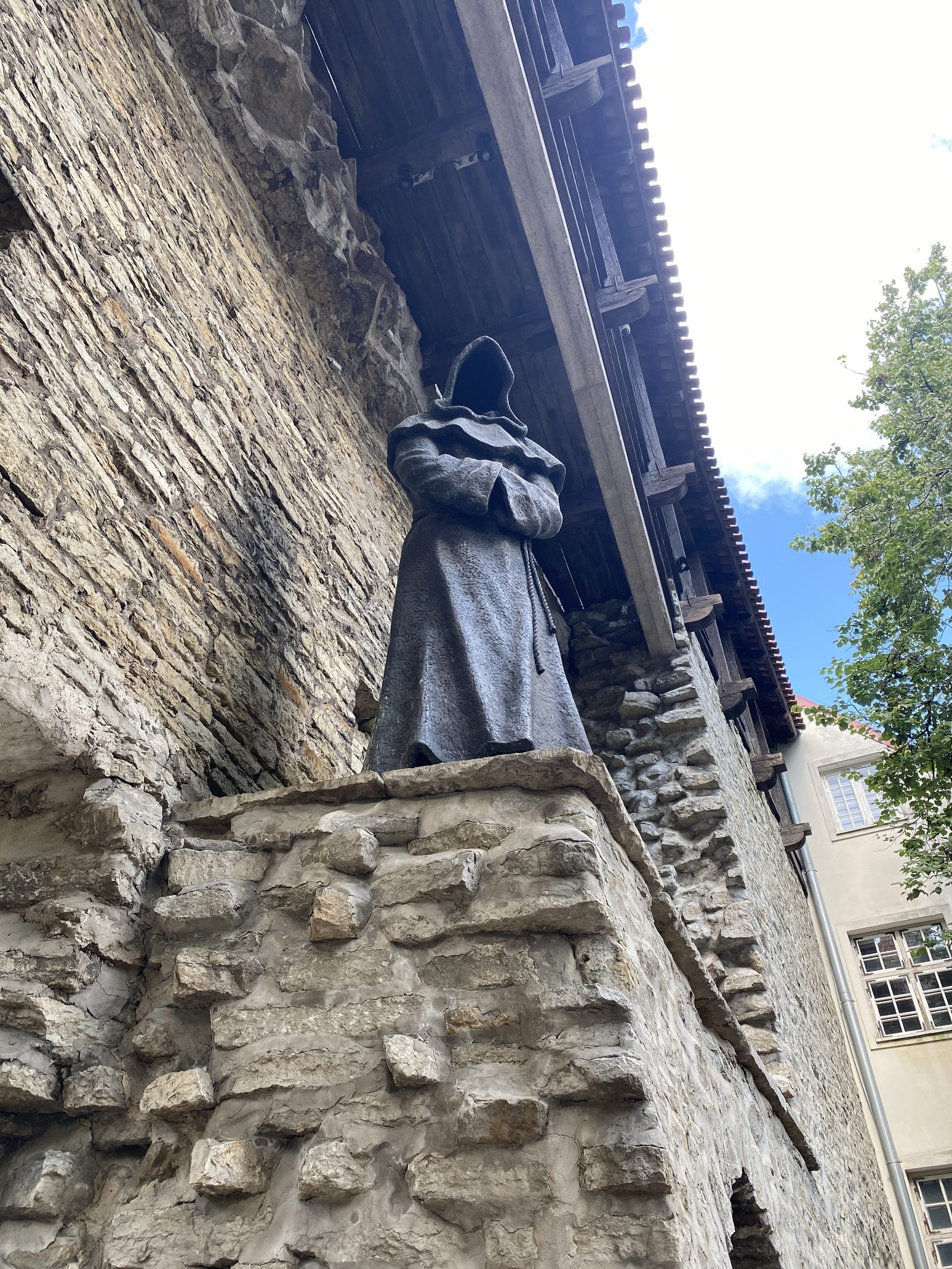
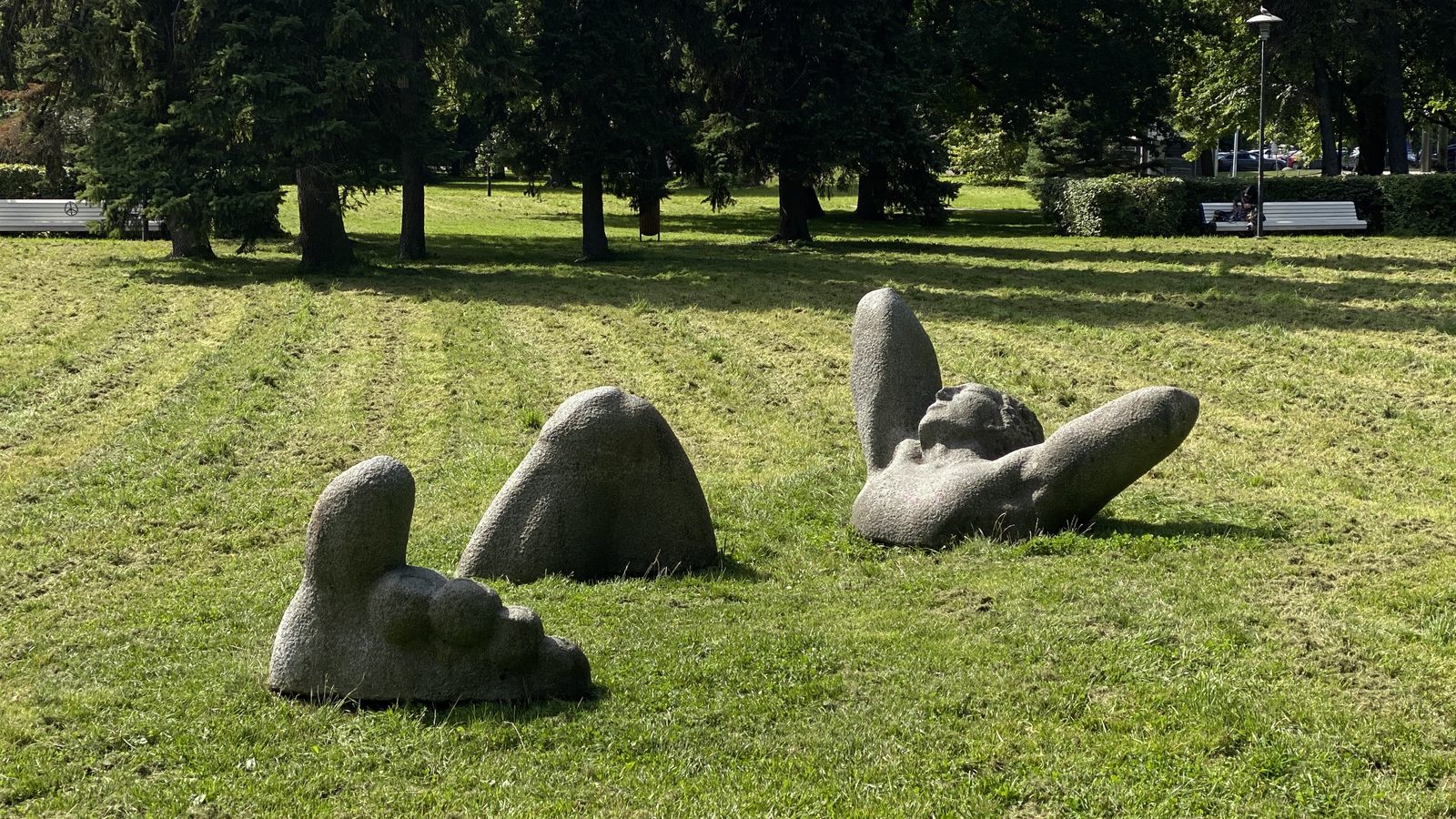
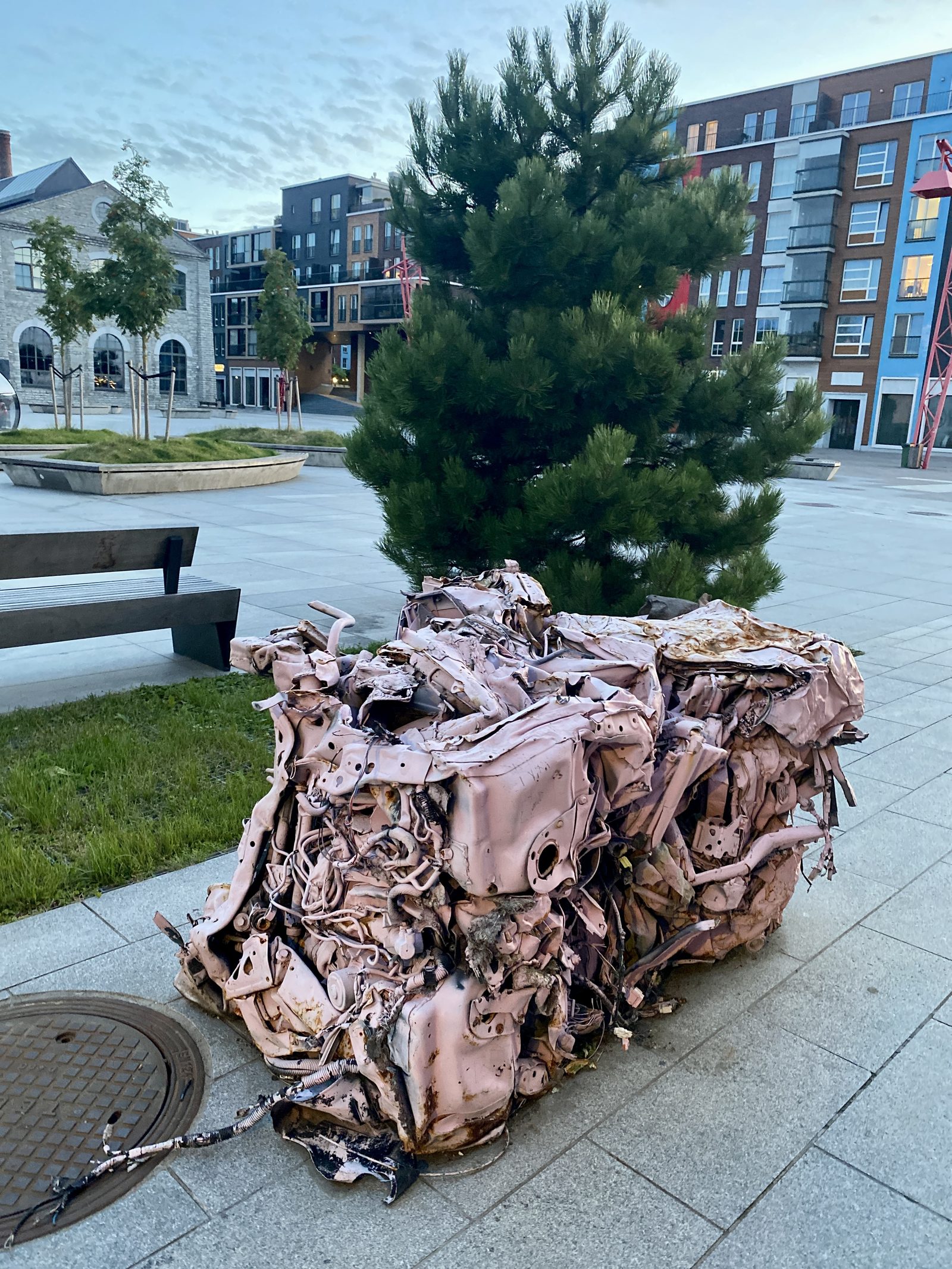
We made the best use of our 4 days in Tallinn and spent a fair amount of time in the old quarters. The pictures speak for themselves, you can get lost in the picturesque alleyway or immerse yourself in the many parks with great statues and medieval buildings all around.
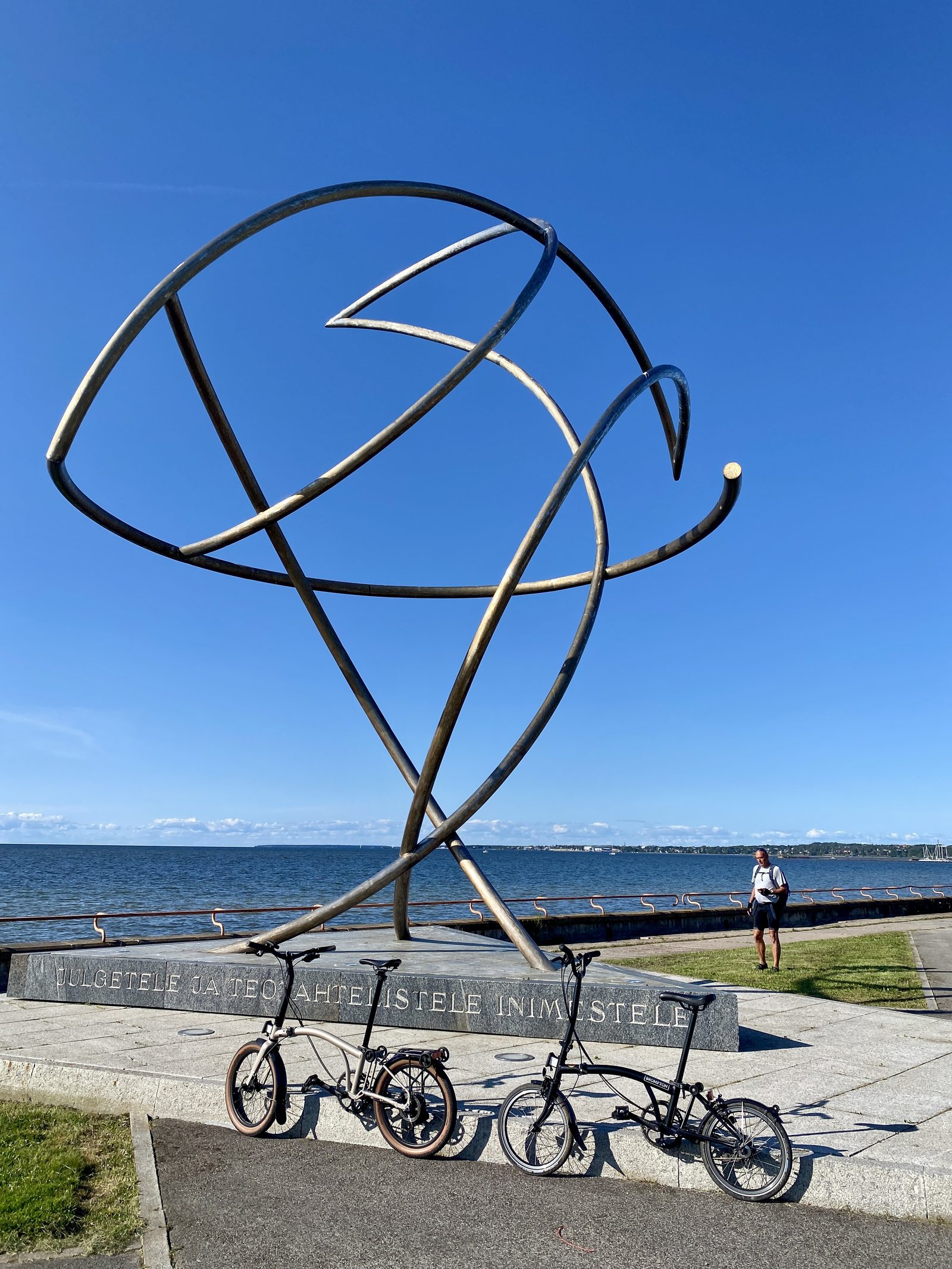
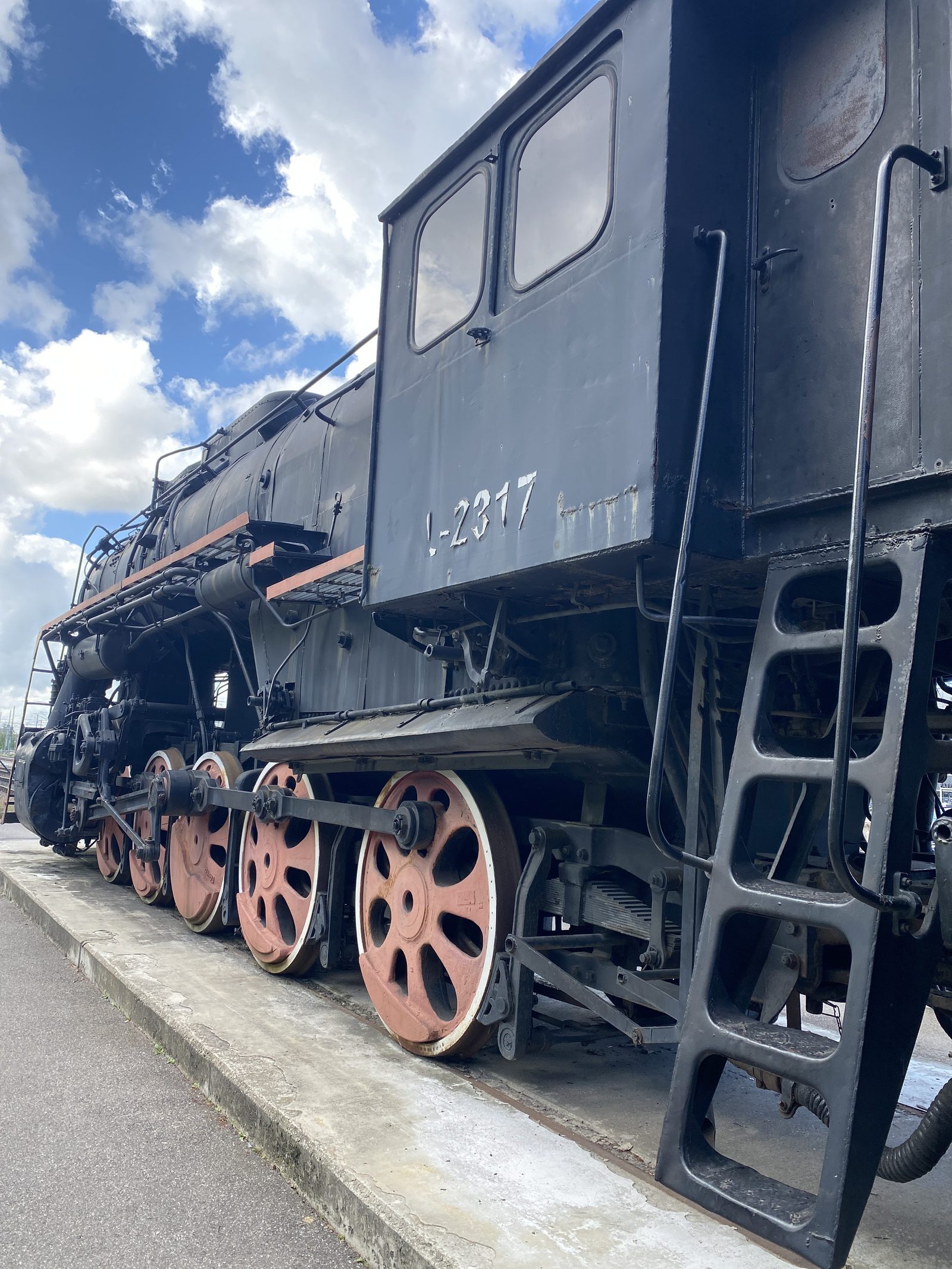
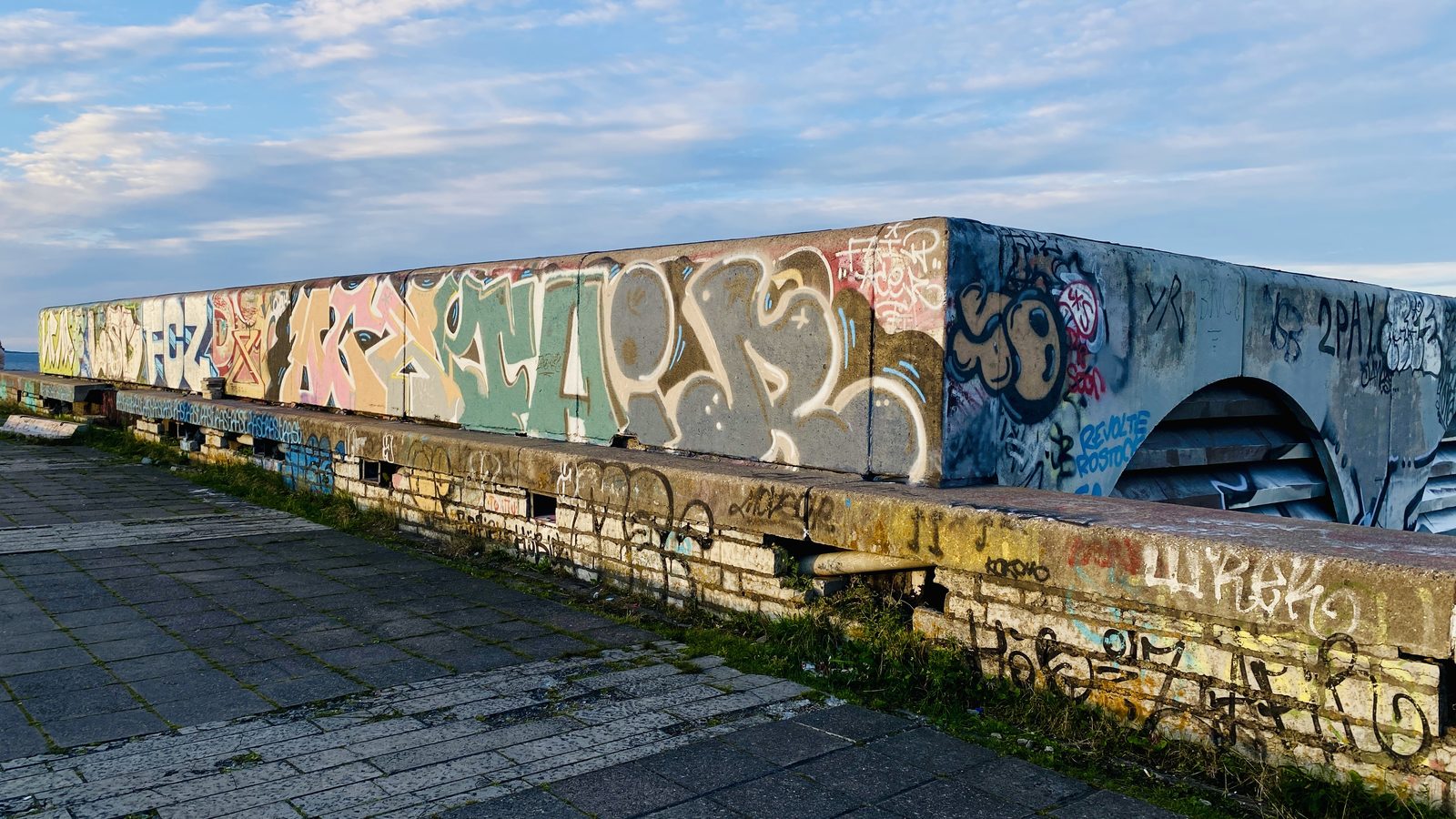
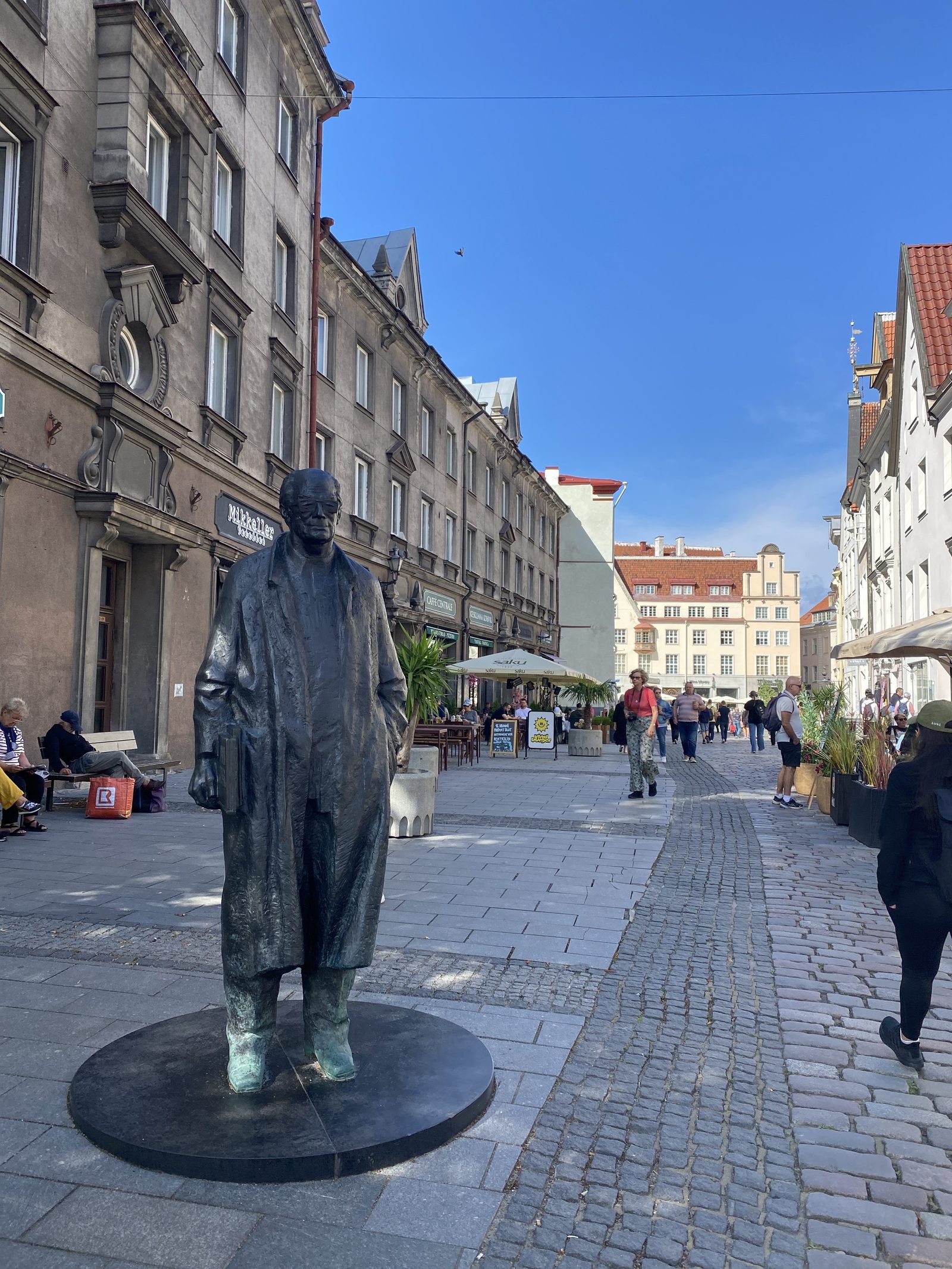
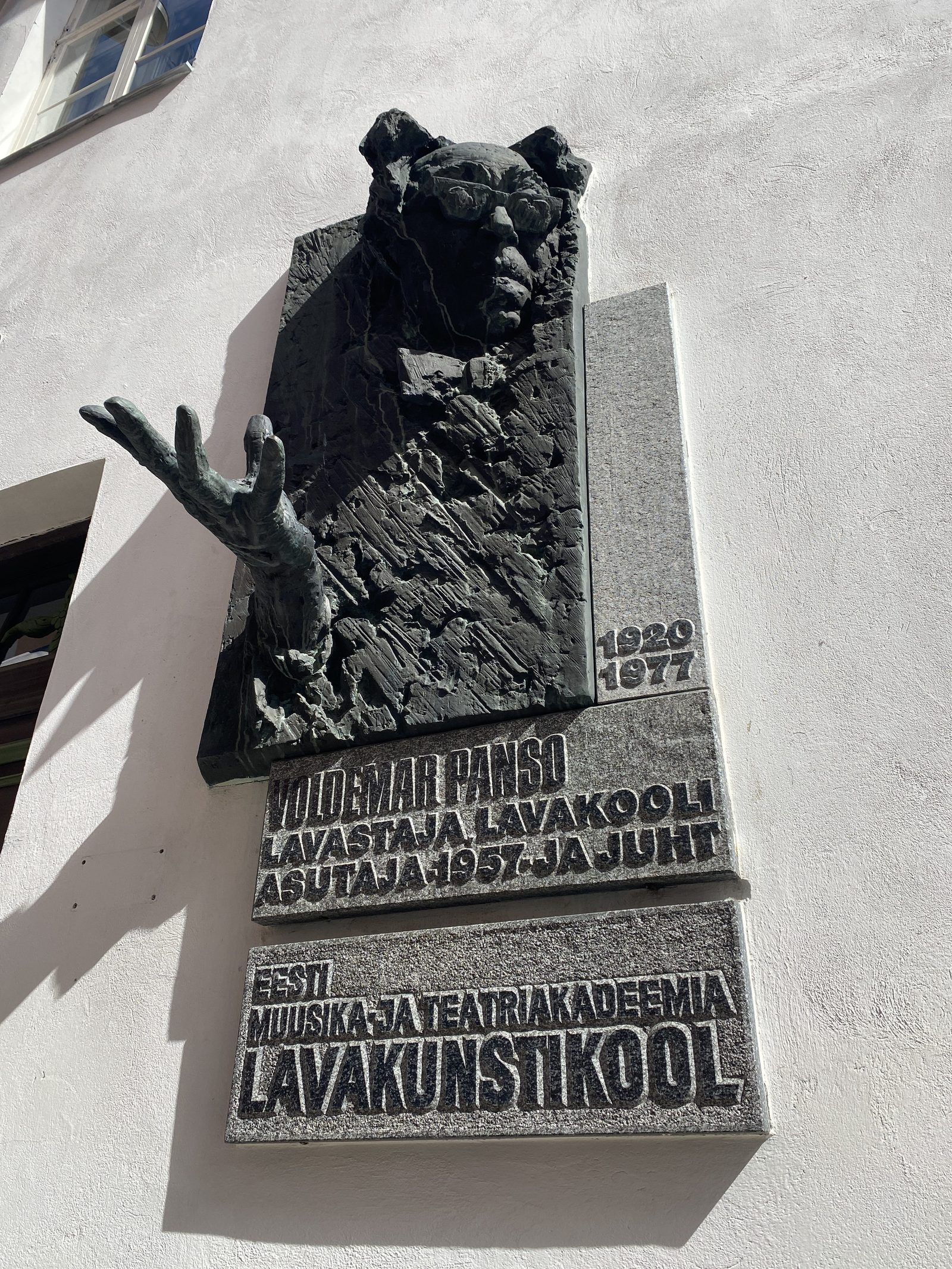
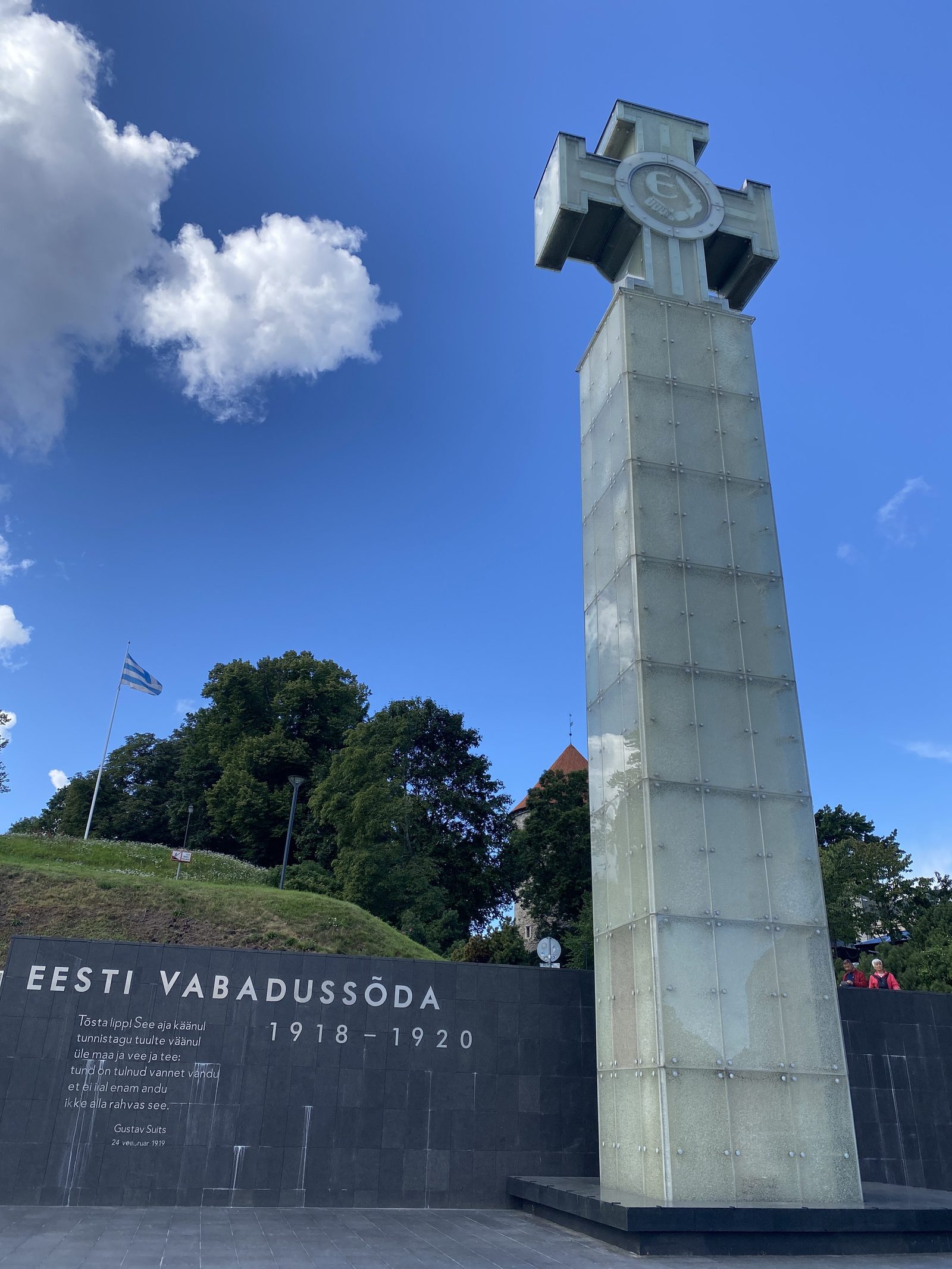
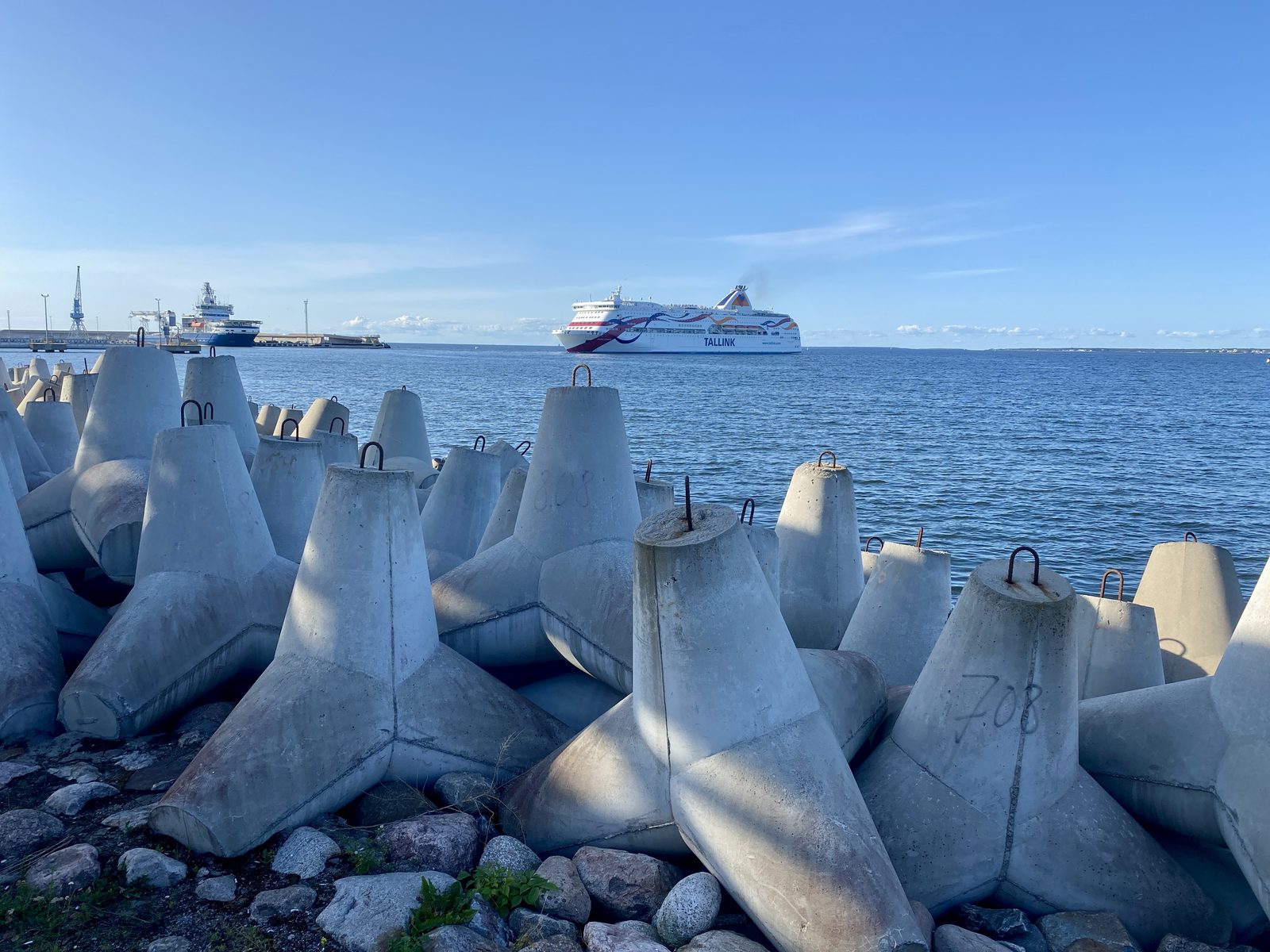
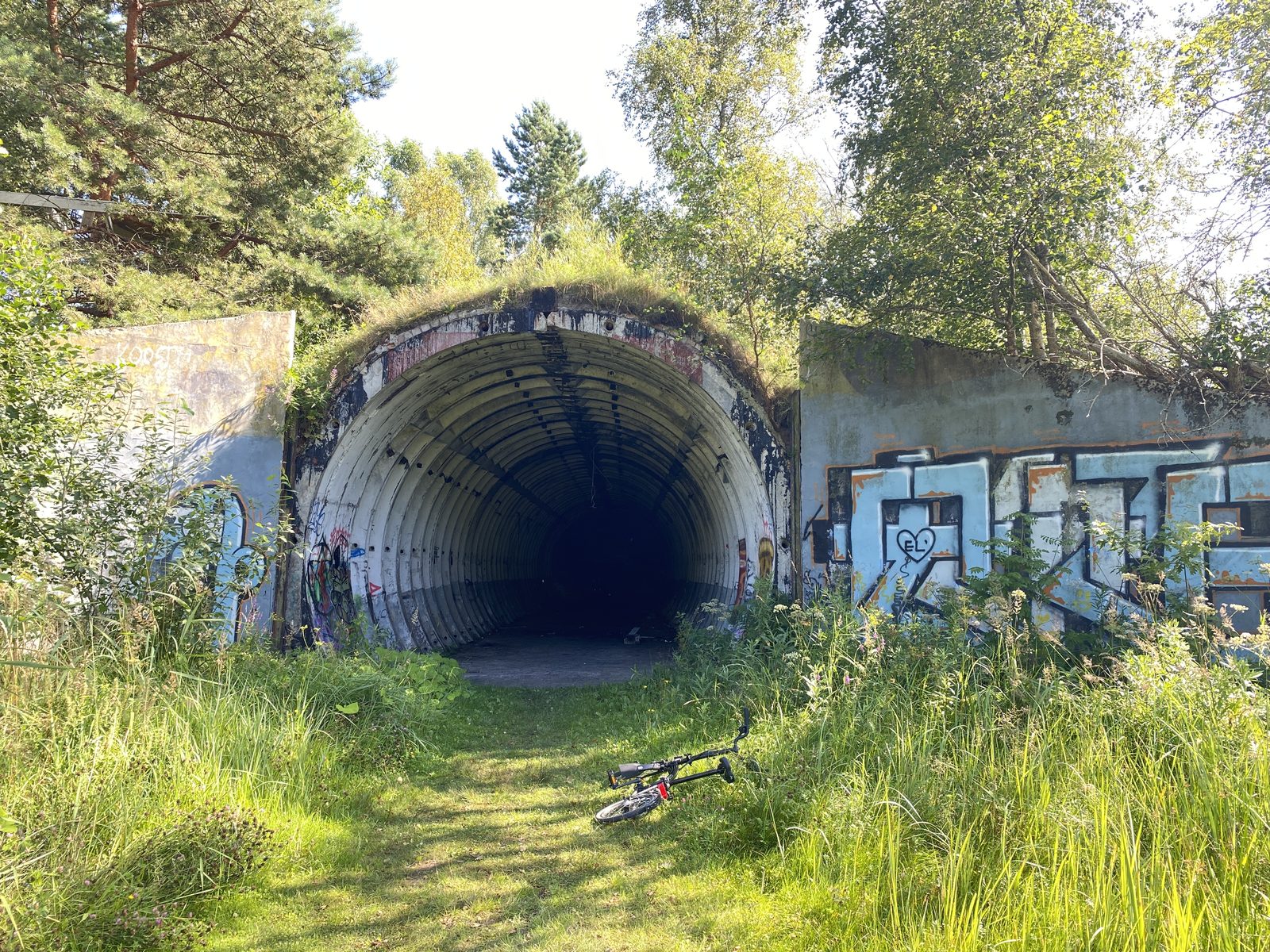
Since the crew had a bit of time on their hands they took the foldies and went for a nice long ride to the top of the Tallinn Bay. The cycling infrastructure is second to none, separate bike lanes everywhere in the city and cycleways and cyclehighways outside the Tallinn town center. There are great paths through the forests to cycle along and we discovered old cold war remnants hidden deep inside the Krillimäe forest. On the way back we swung past the 314m tall television tower but as it was late in the day we didn’t get a chance to go up and enjoy the view.
Our weather window was closing fast so we decided to gather some provisions and to start the next leg of our journey heading west towards the Ekenäs Archipelago National Park in Finland.
Comments
From the old site. Comments are closed; write to us through the contact page.
Jay Wyper, 12 November 2025
Wonderful travelogue and pictures – living vicariously 🙂
Thank you
Jay and Heather
Brian Moore, 13 November 2025
Too bad about the rough waters but what amazing destinations!
David, 30 November 2025
Jay and Heather, thanks for following us and the late reply! Hope you all have a great holiday. Will be off to the UK, Dublin, Belfast, and an extended trip to the Hebrides exploring whiskey distilleries next summer!