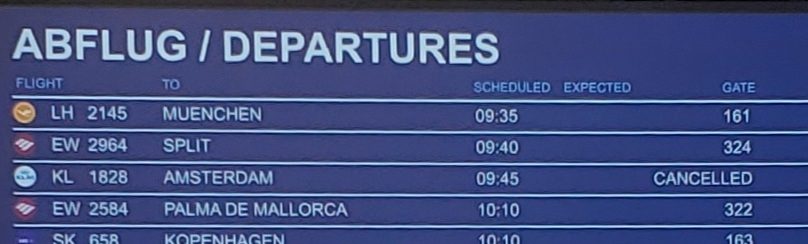
When Martin and Ivy returned to Anna on July 23 after their three-week break in Germany, travel luck was not on their side. First, their flight was cancelled, nothing new by now, though thankfully they managed to hop onto the next one. Phew!
The next leg of the journey involved a train ride and two buses to reach Heeg Hafen. Simple enough in theory, but once again the day had other plans. Both the train and the buses were delayed, and by the time they finally arrived at the marina, it was already late in the evening.
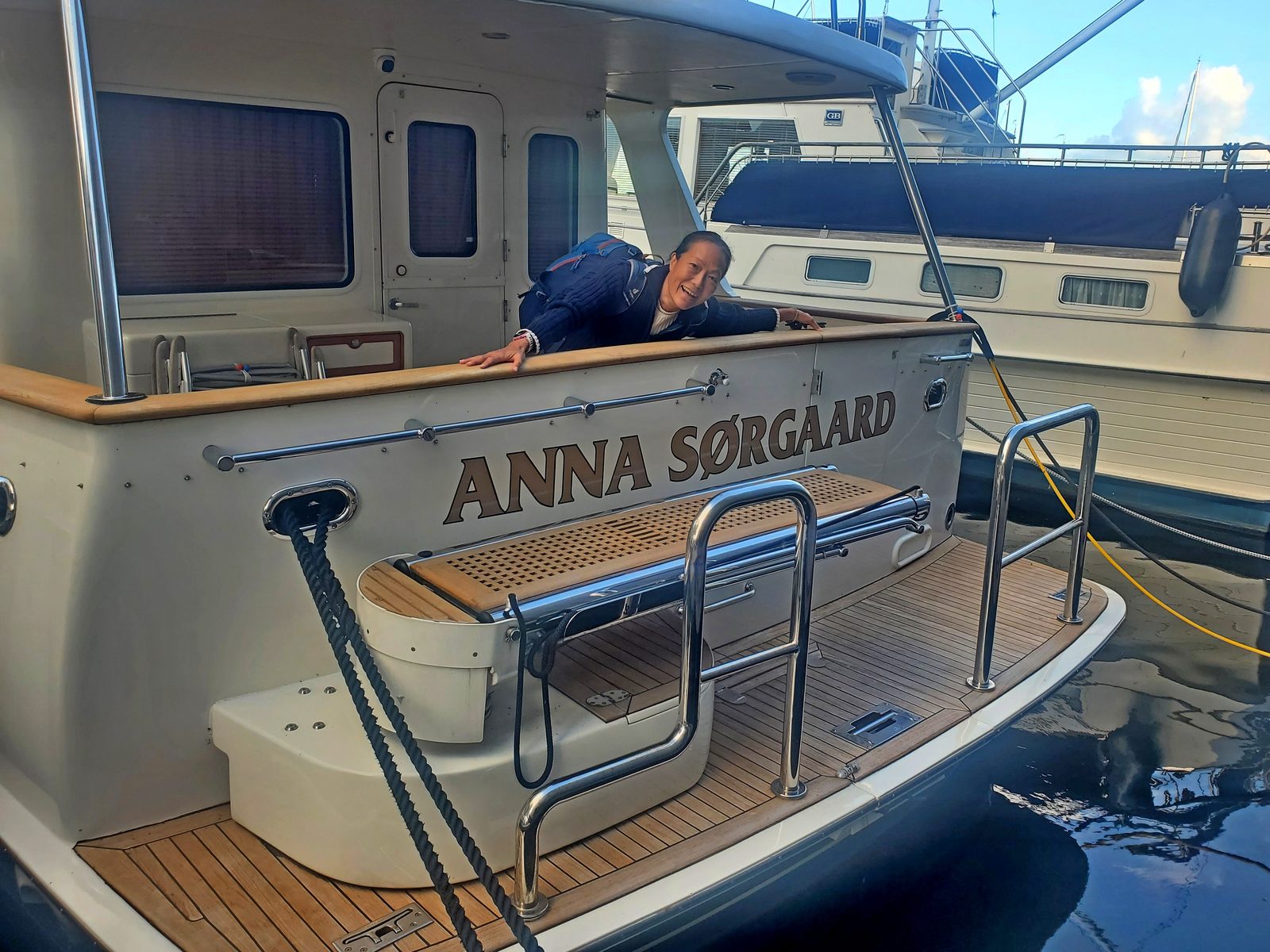
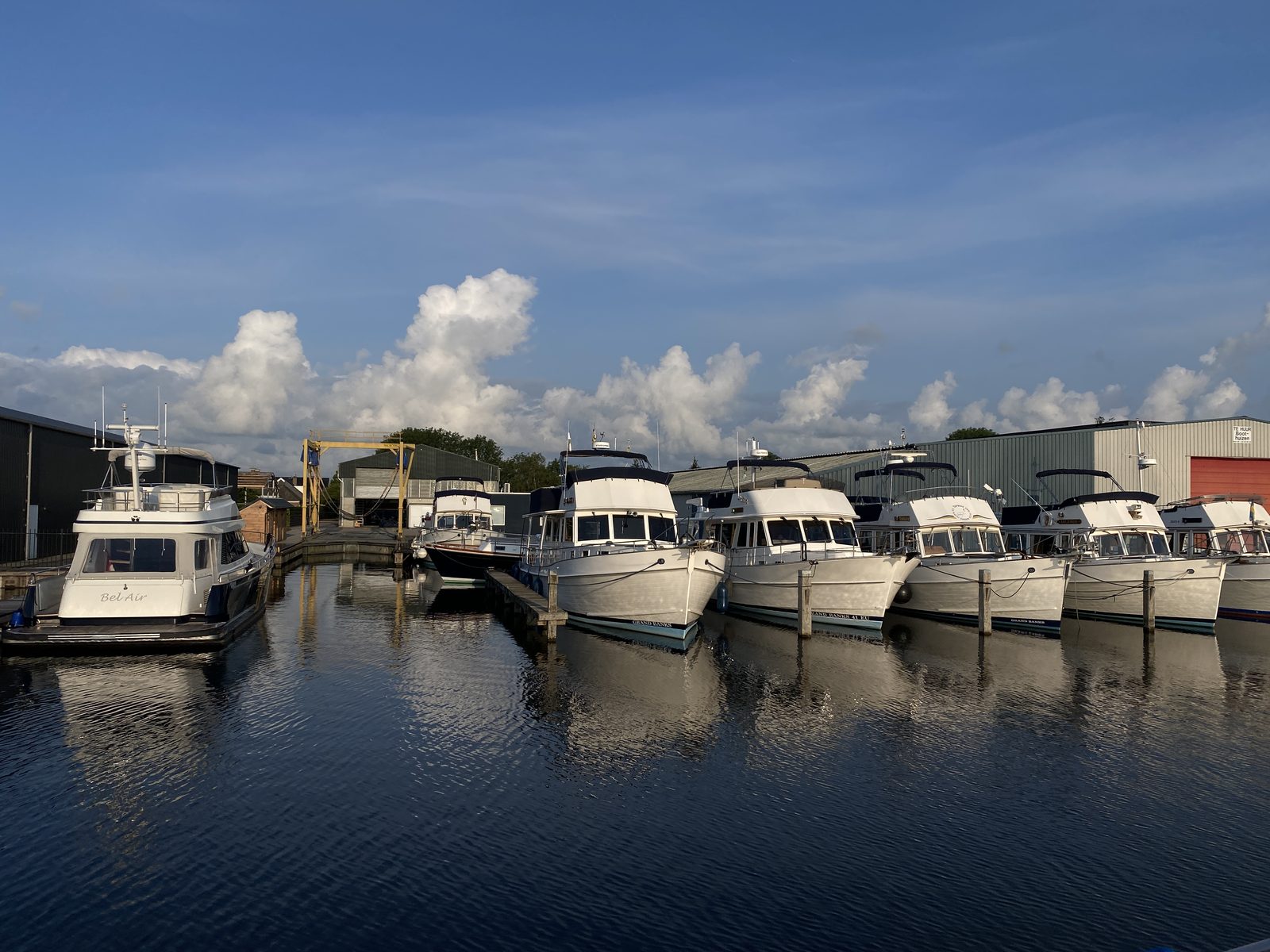
They wasted no time slipping back into “crew mode.” Anna was docked at Mariteam Yachting in Heeg, Friesland. It is more of a shipyard and brokerage than a marina. It is run by Albert, one of David’s great connections in the trawler industry and he and his great team made getting things done much easier. With a task list in hand, it felt only right to bring Anna back into perfect ship shape before setting off again.
One of the key jobs was tackling Anna’s ballast. Ever since the new Lithium batteries got installed Anna was listing to port, not much, but still a quite noticeable 2.4 degrees.
To solve the problem David had ordered 22 steel ballast blocks, weighing 20 kg each. They had been delivered to the shipcard and were waiting on a pallet to be packed down on Anna’s port side. Unfortunately they were not in good shape. The blocks were rough, rusty and dirty. No way could they be put into Anna’s belly like this. Every single one needed to be cleaned, sanded down, treated with rust remover and then spray painted with corrosion protective primer and paint. So Martin pulled up his sleeves, put on his gloves and attacked one block after the other.
The work was straightforward but painstaking. First rust had to be stripped away with an angle grinder, sharp edges smoothed then the rust had to be brushed out of the gloves with a metal brush. After that each side of the block was treated with rust remover and inhibitor and then carefully spray-painted with a zinc based paint as an additional defence against rust. After drying for a day, the blocks were hauled back aboard and stacked neatly on the portside of the commissary, a space below the back of the saloon that also houses the lithium batteries. It’s accessible via a small ladder and is only about a meter high, the limited room made the process a test of patience and precision.
A bike trip to Sneek for tools and paint added a small adventure to the project, but by the end, the effort had paid off.All the 440 kg has been securely stowed – et voila – the listing was gone and Anna was properly balanced and ready for her next journey.
Meanwhile, other jobs awaited. Radiators for both heads had been ordered and were scheduled for installation. Even the small details weren’t overlooked, including the endless fight against cobwebs. For reasons only the spiders knew, Anna seemed to be the perfect summer playground for them. Each day brought new webs tucked into corners, turning “spider patrol” into an unexpected daily duty.
It was all part of the rhythm of getting a boat ready: a mix of heavy lifting, careful planning, and small, quirky tasks. By the time the work was done, Anna was once again in her best condition, fully provisioned and ready to face new waters.
While waiting for David’s return and getting the boat ready, Martin and Ivy got into the Dutch transport culture and were riding the two Brompton folding bikes through the suburbs around Heeg and even got a chance to visit Leuwarden, a respectable 70 km ride. Although Friesland is rather flat one should keep in mind that it is quite windy and a stiff head wind is just as bad as climbing a steep hill.
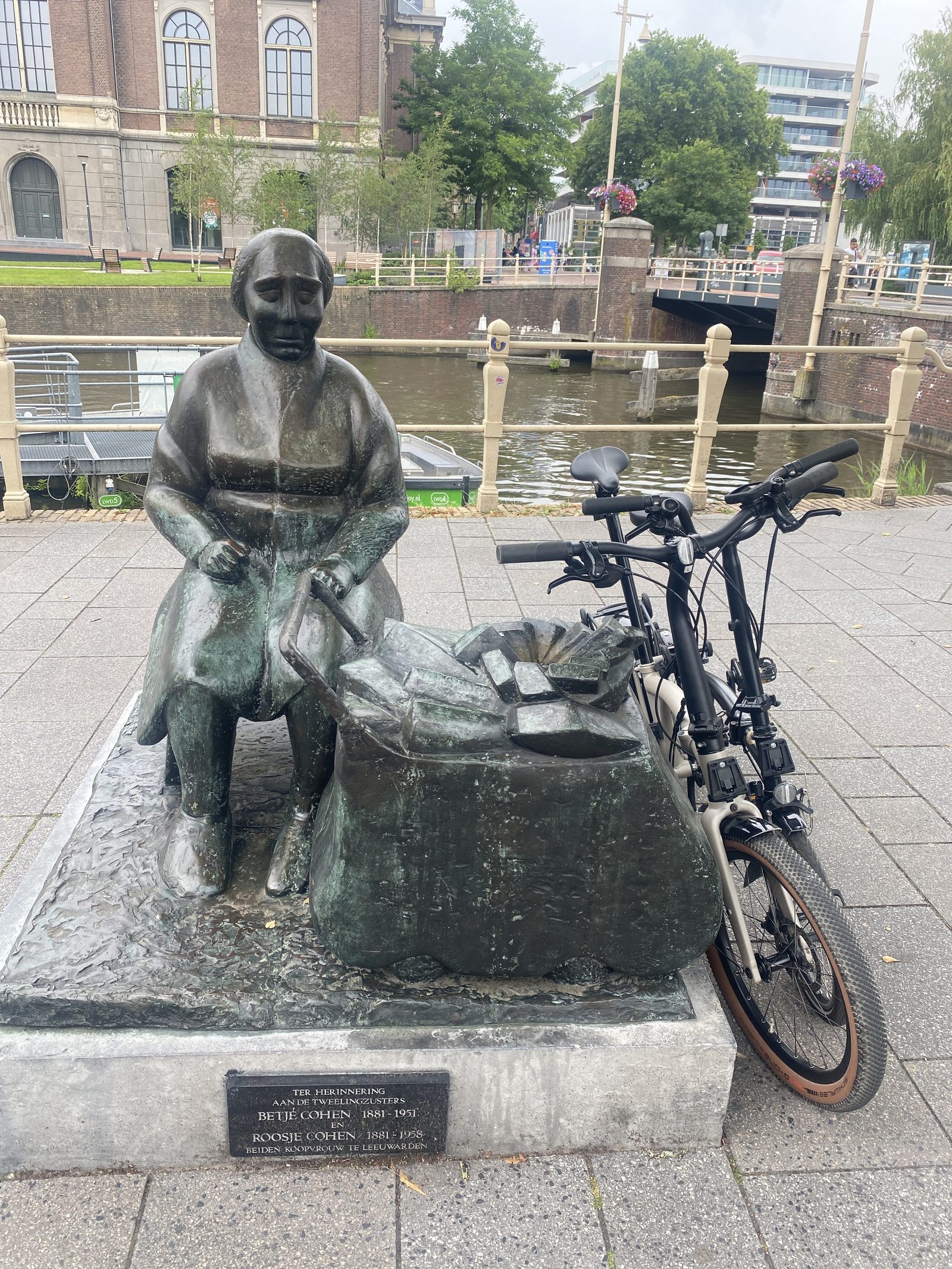
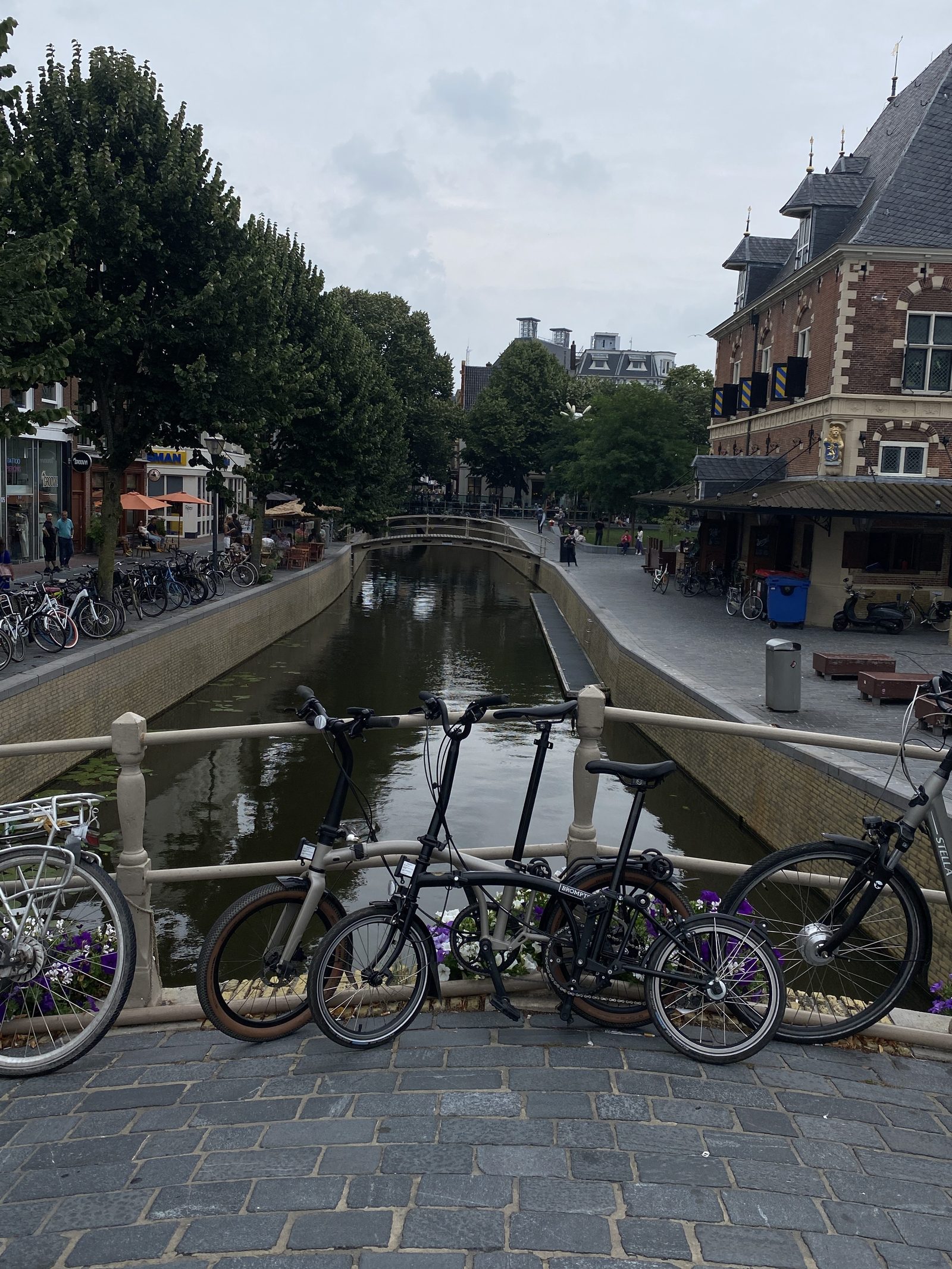
Heeg Hafen is the marina of Heeg, a charming town in the province of Friesland, the Netherlands, situated along the Sneekermeer lake and connected to Friesland’s extensive canal system. The harbor is popular with both local and visiting sailors exploring the Frisian Lakes region, offering calm, well-protected waters and modern facilities for mooring. The surrounding town exudes traditional Dutch charm, with historic buildings, narrow streets, and canals that reflect Friesland’s maritime heritage.
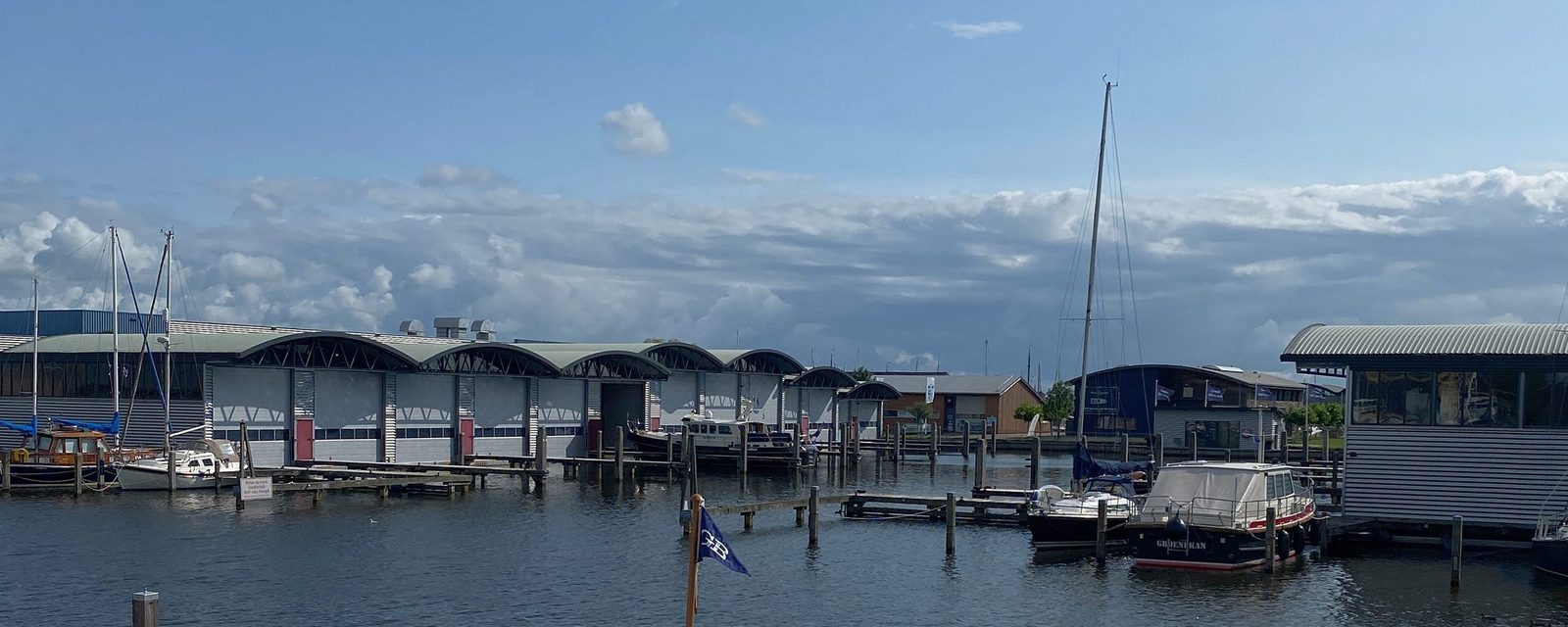
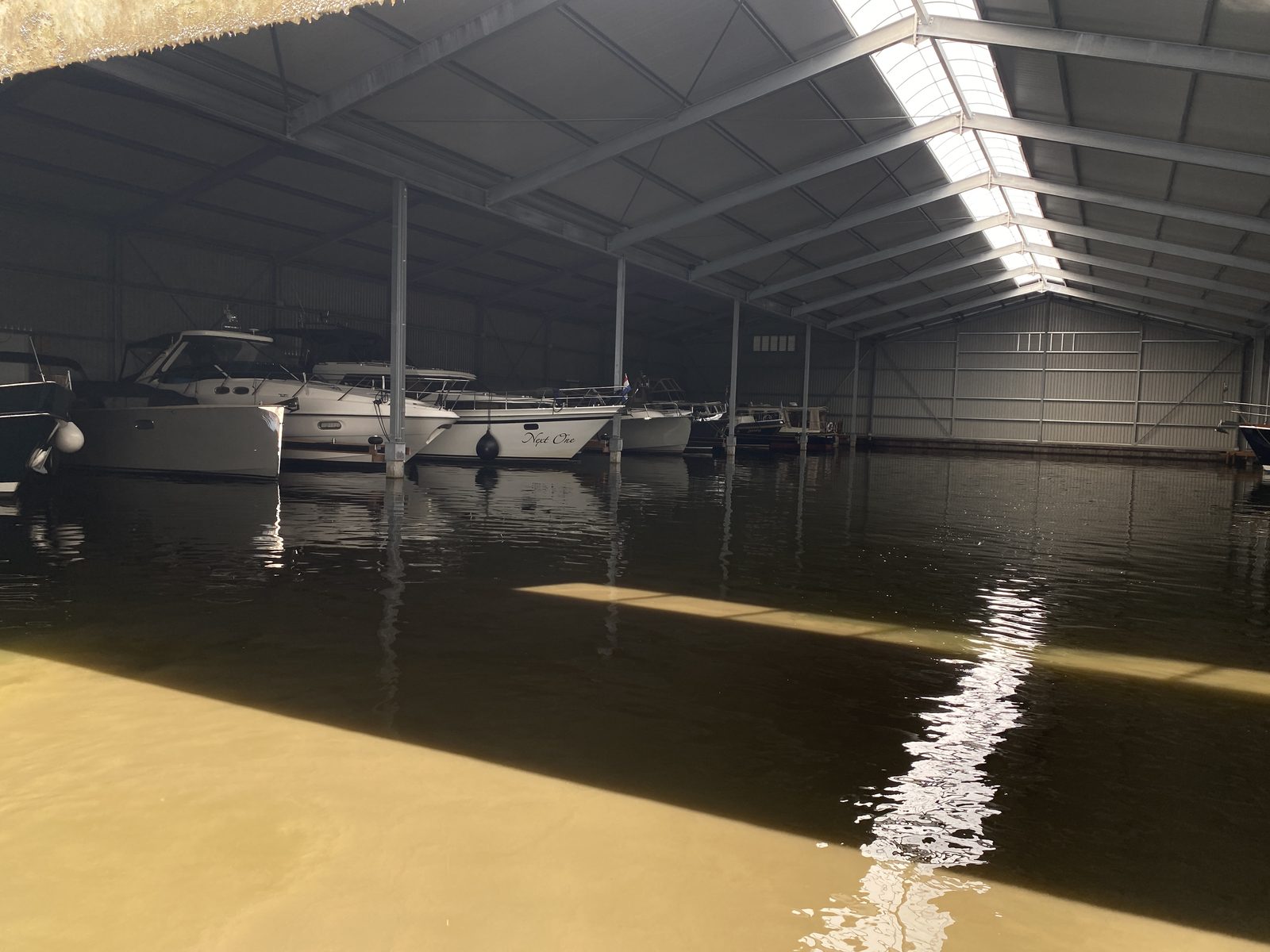
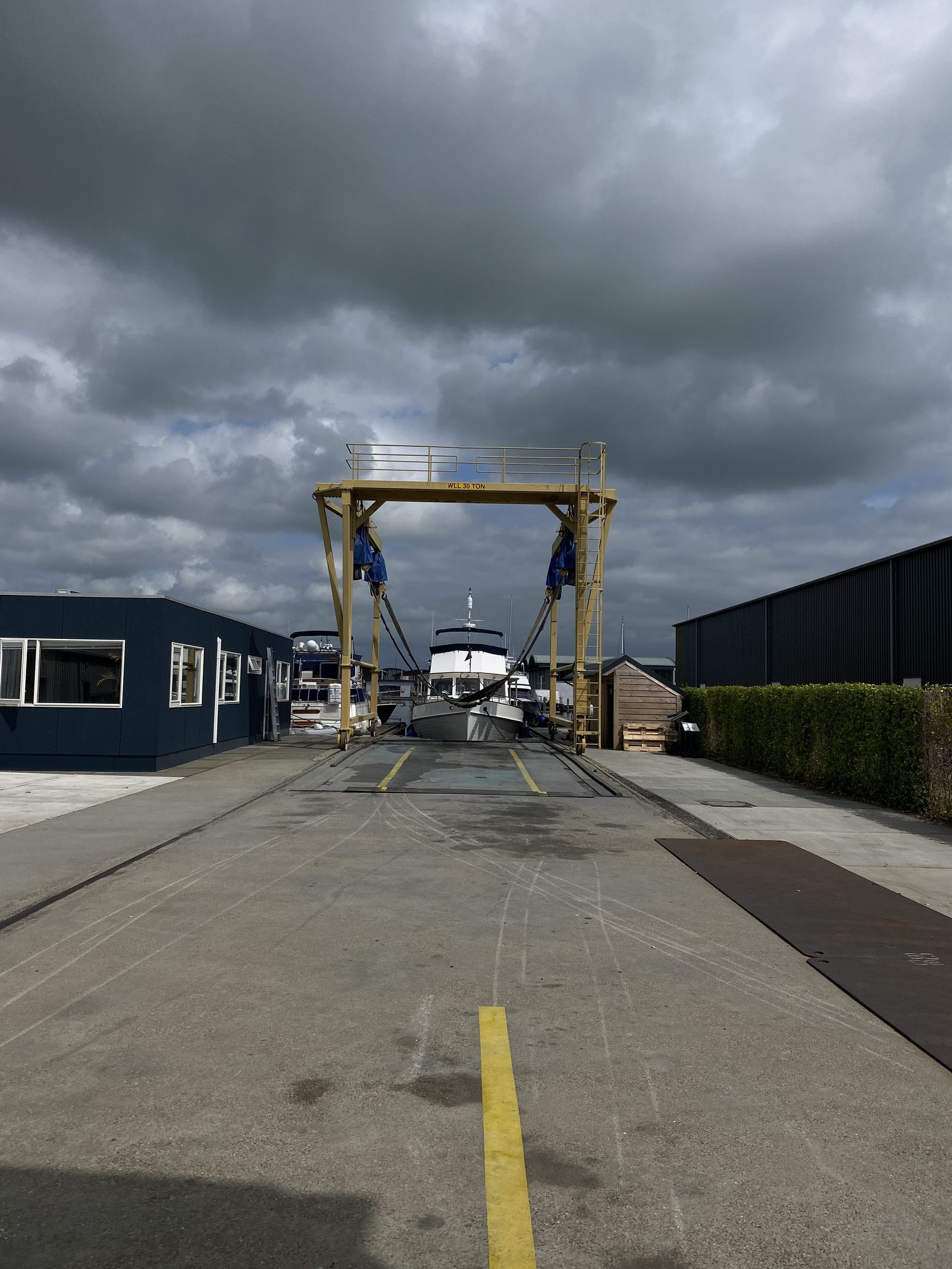
Heeg (Frisian: Heech) is a picturesque village in Friesland, Netherlands, renowned for its maritime heritage and water sports. Nestled between the Heegermeer and Fluessen lakes, it offers marinas, boatyards, restaurants, cafés, and scenic walking and cycling paths.
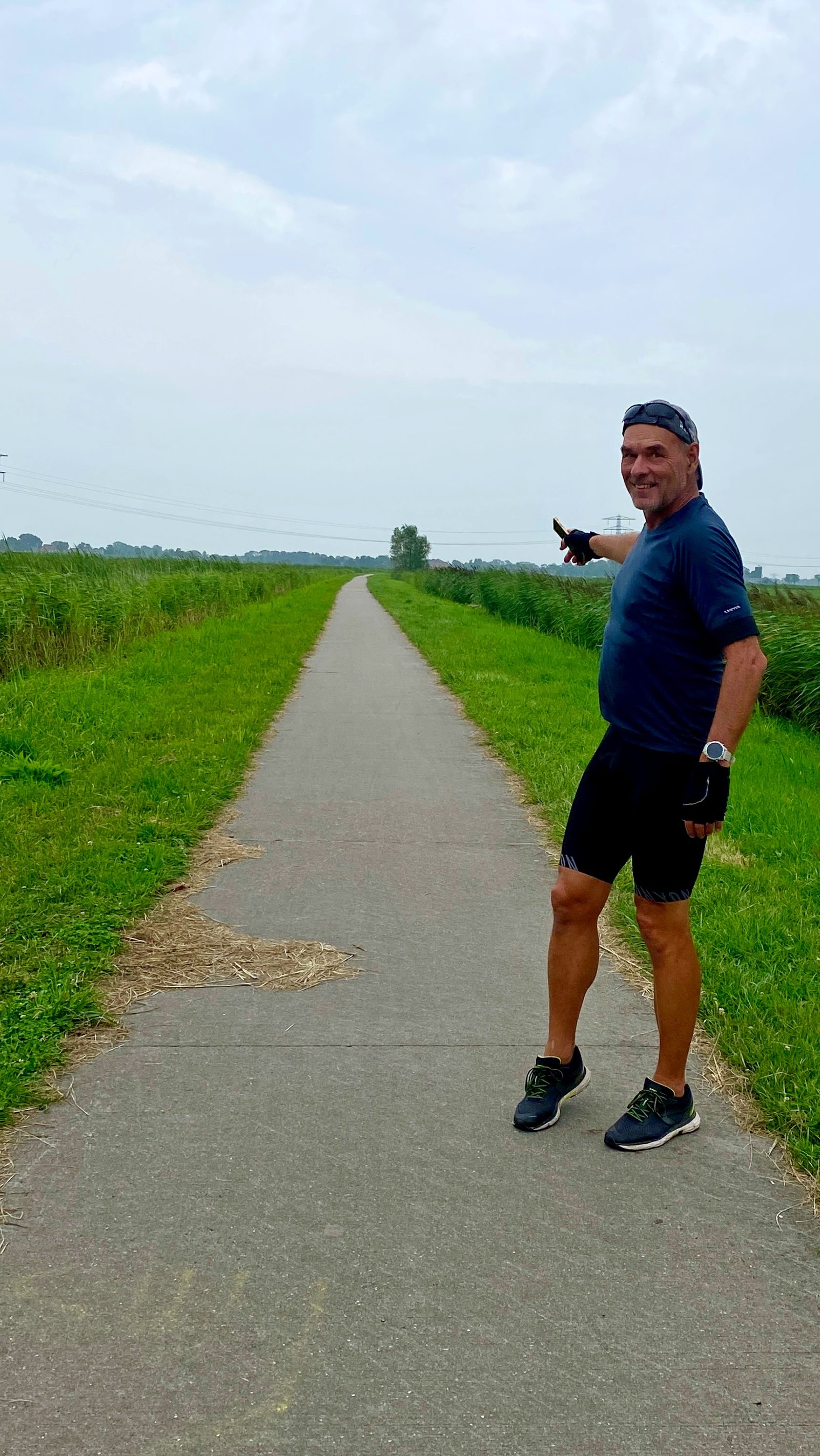
Nearby towns include Sneek (historic center and Sneekweek sailing event), Workum (shipbuilding history and the Jopie Huisman Museum), **IJlst (**traditional clogs and canals), Koudum (peaceful lakeside village), and Leeuwarden (provincial capital with museums, canals, and vibrant culture).
David returned to Anna on the morning of July 27 and was pleased to see that several key tasks had already been managed and completed. To celebrate, we headed out for a little reunion lunch to catch up and share updates.
Our Dutch waiter turned out to be quite the linguist, switching between Dutch, English, and German as he took our order. We weren’t entirely sure what he was trying to achieve with the performance, but in the end, his Dutch proved most reliable. Phew, at least he got our orders right, and the food was delicious. That’s what really mattered!
As we prepared to cruise through the canals toward Kiel, we anticipated encountering more locks and bridges, so hopefully, no more surprises when it came to lock operations. The following day, we carried out our usual round of checks, filled up the water tanks and then brought Anna to the fuel dock where we topped up some diesel.
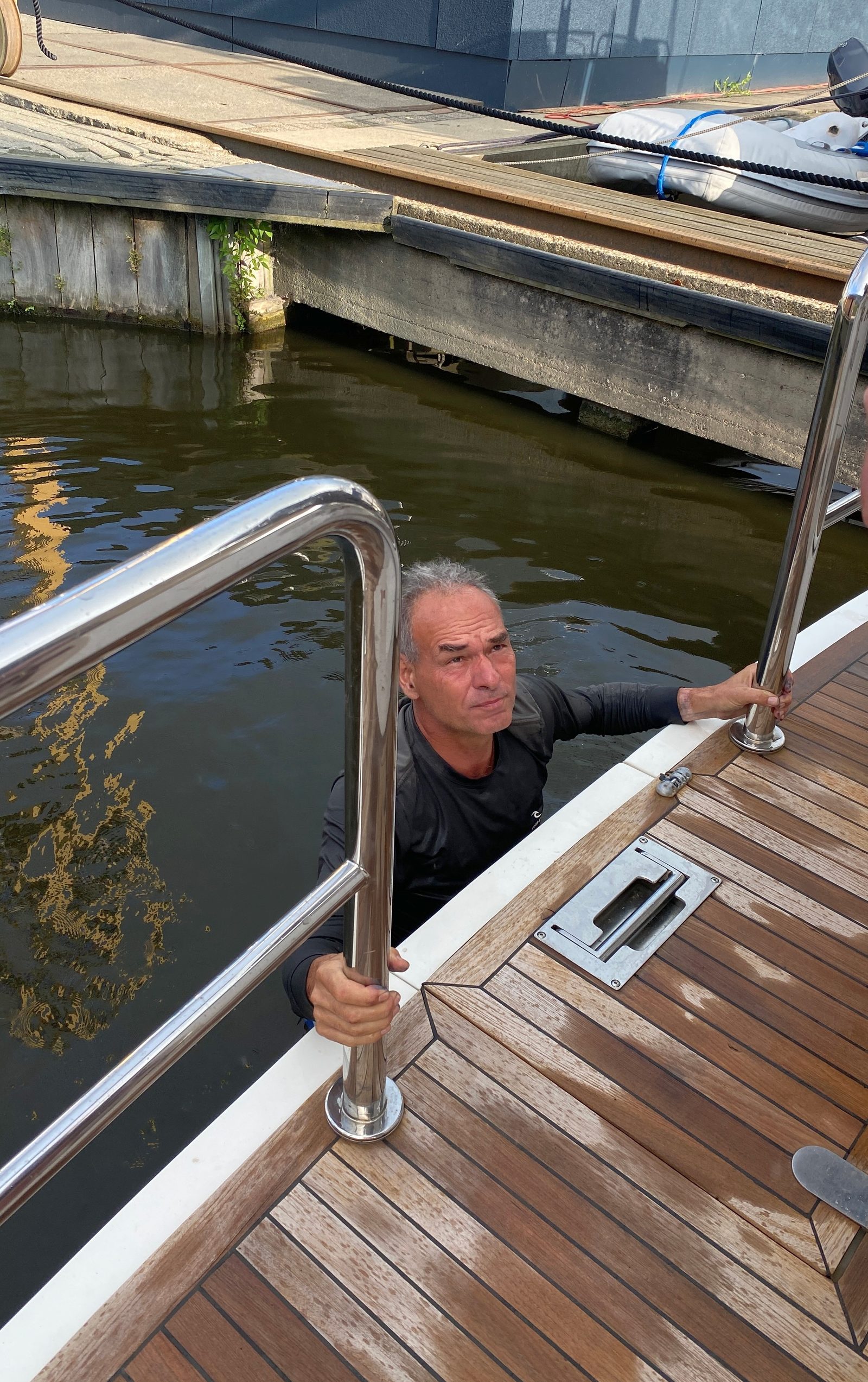
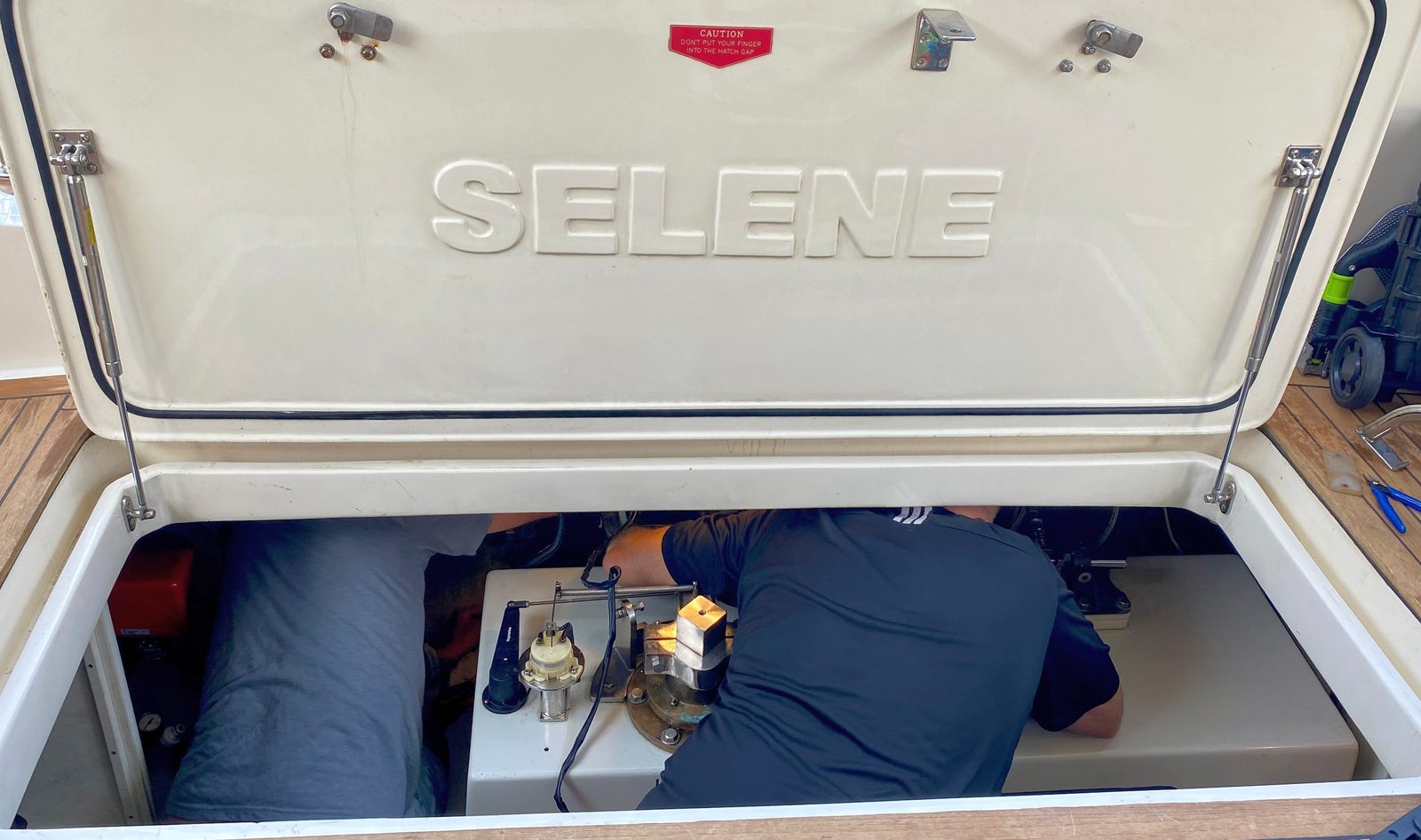
But, of course, on the way to the fuel dock, something had to catch our attention. When trying to maneuver Anna through the lineup of Albert’s expensive Grand Banks trawlers towards the fuel dock David noticed that the stern thrusters weren’t behaving quite as they should. And so, a simple routine task turned into an impromptu troubleshooting session. Martin jumped into the water to take a closer look below in case something had caught in the thruster blades, while David inspected things from inside the boat. Before long, the two of them ended up squeezed into the lazarette, debating whether the thruster issue would let us carry on smoothly or present yet another challenge on the way to Kiel.
Well, after much checking and a bit of head-scratching, we decided to just get on with it and continue our journey. With Anna ready and the aft thrusters deemed manageable, we set off from Heeg, knowing that the route ahead, with its bridges, locks, and tidal challenges, would keep us busy. Sometimes on a boat you just have to trust the prep, cross your fingers, and get moving!
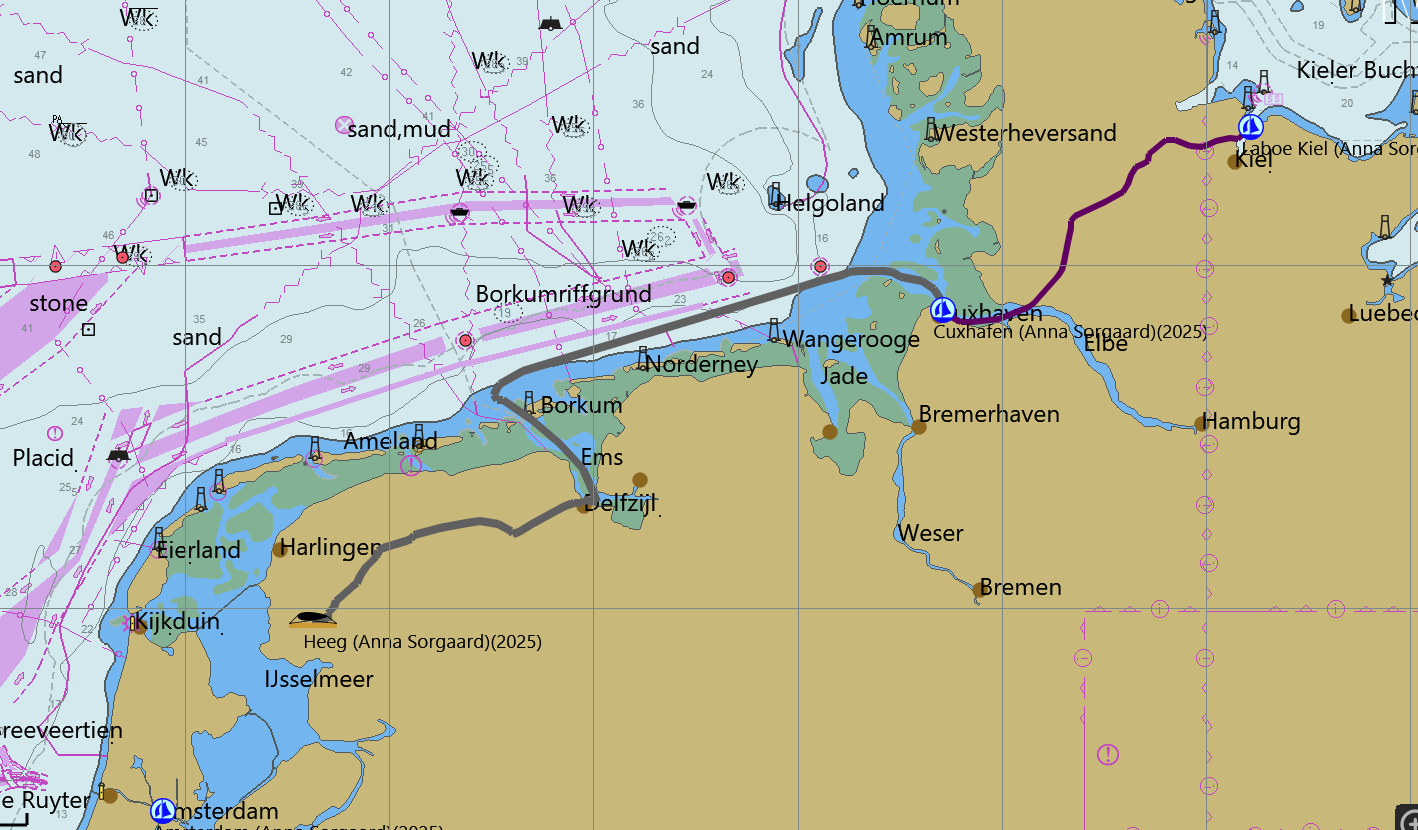
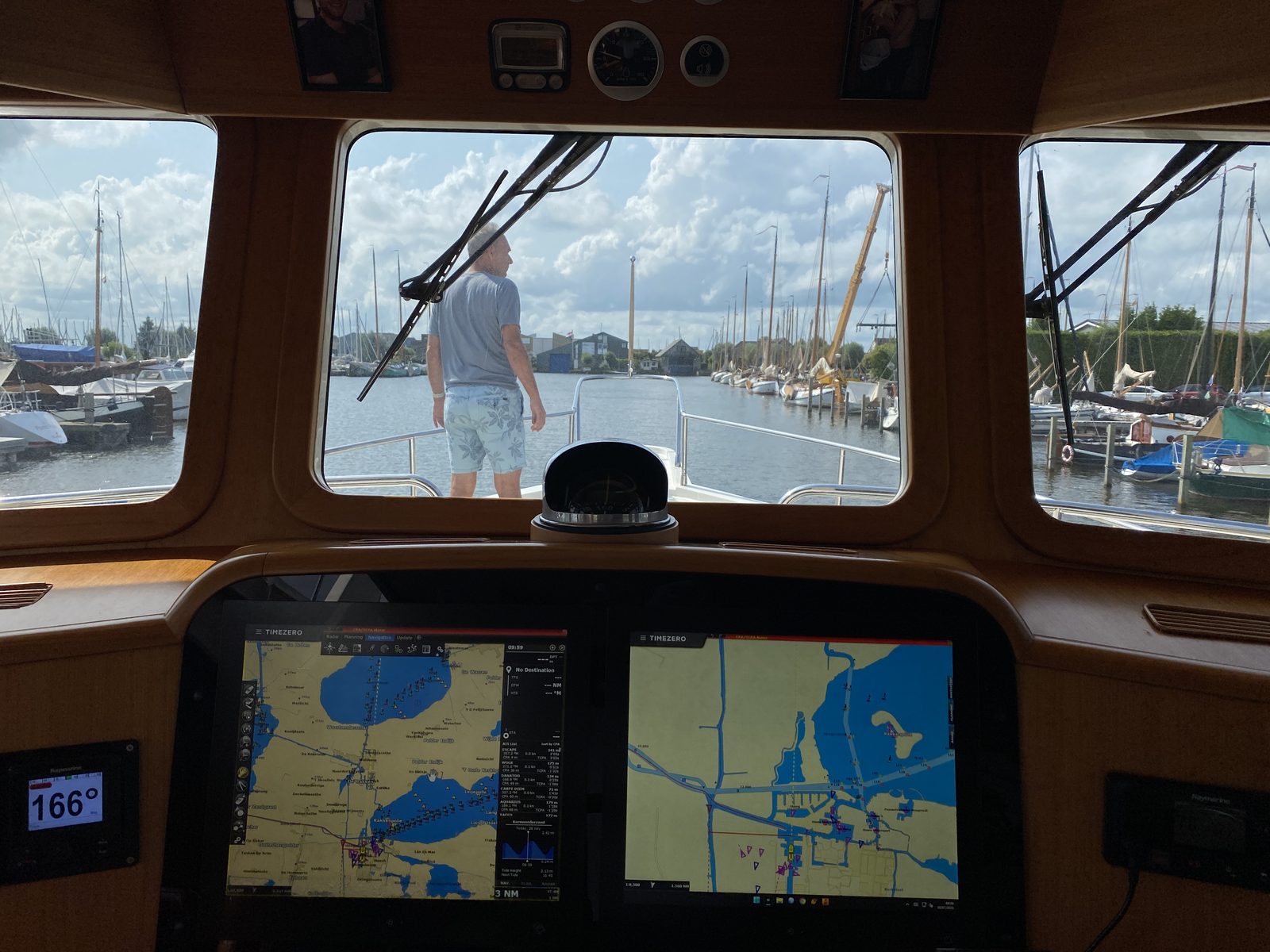
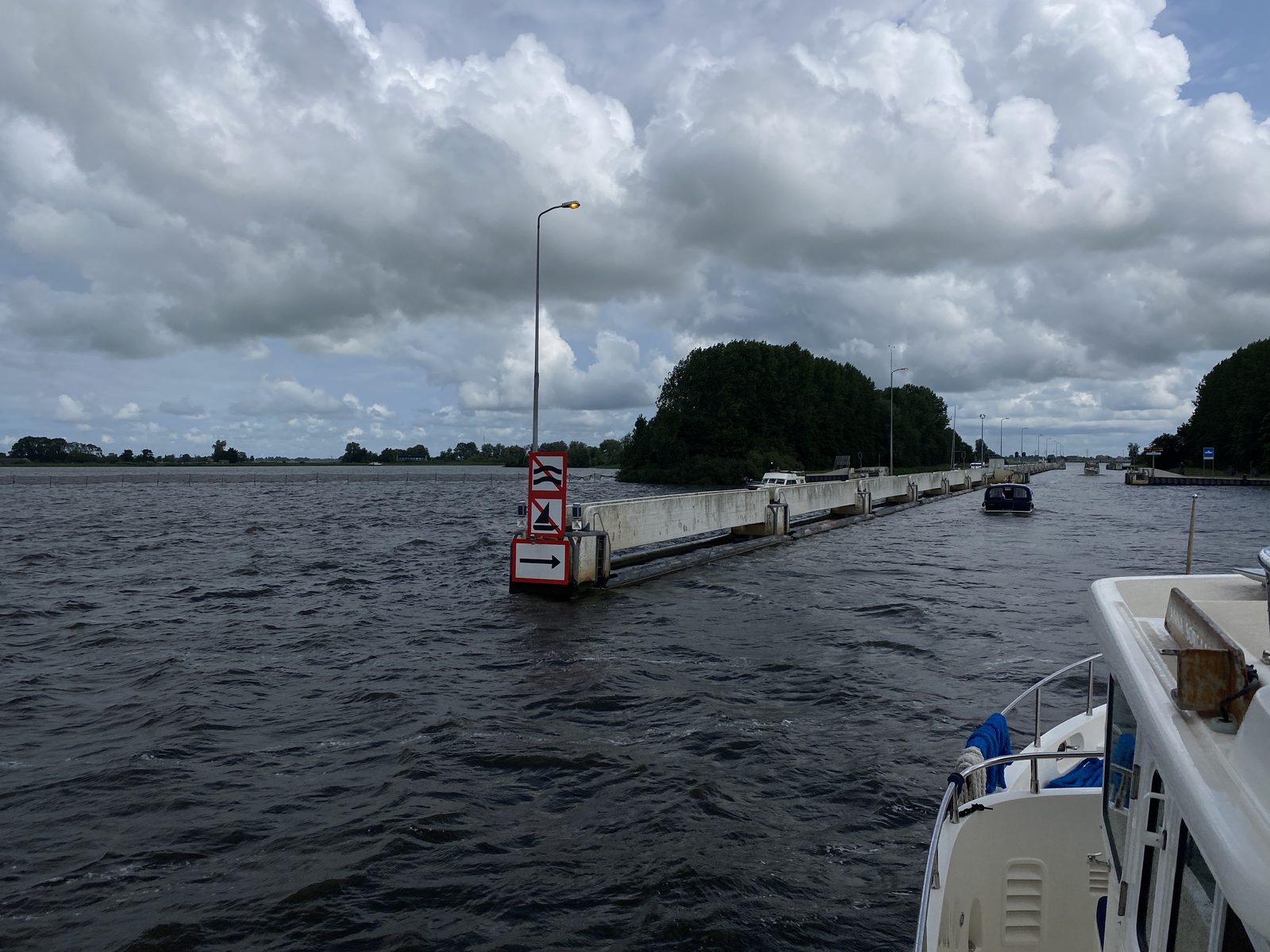
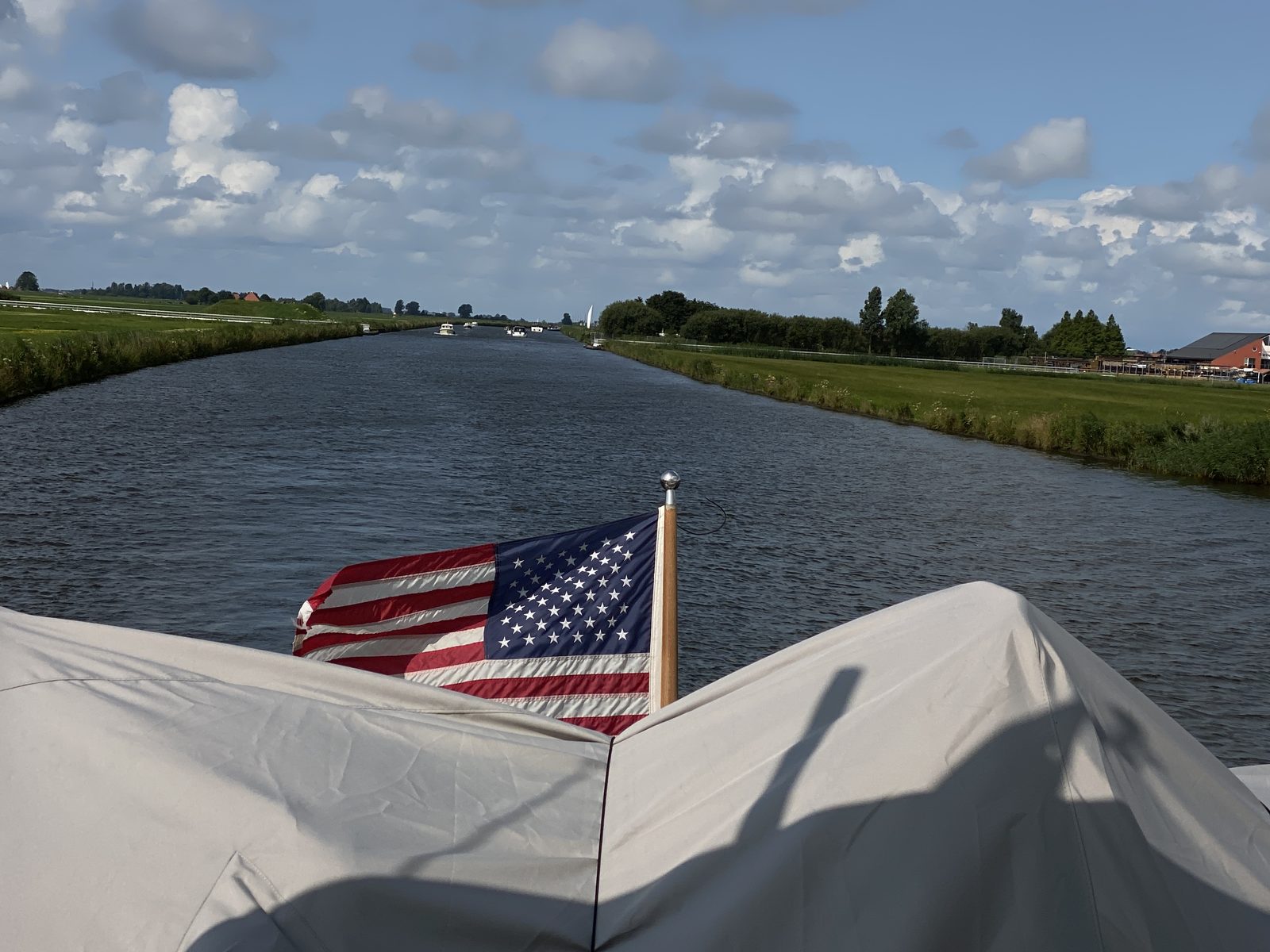
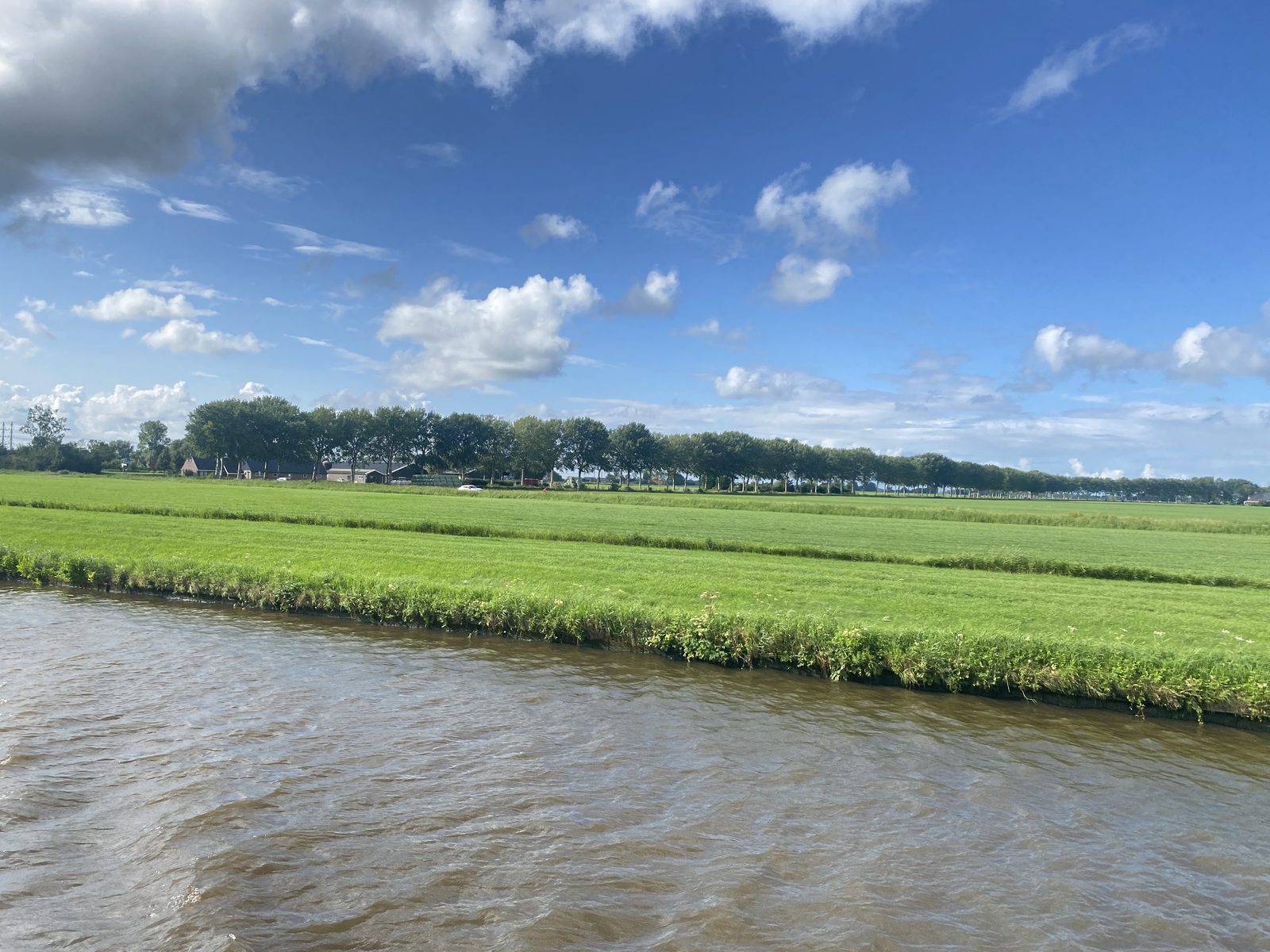
The journey from Heeg to Cuxhaven began on July 28, winding through Friesland’s canals and lakes under fair summer skies. It was an amazing experience to travel virtually across land through a skinny canal fringed by traditional Frisian houses with their tall thatched roofs that slope almost to the ground. We passed by Leuwarden and right through Groningen before posing out into the river Ems. With light SW–W winds (8–12 kt) and calm waters, the day was smooth but busy with navigation. We were able to pass under most bridges but several opening bridges had to be timed, each a small exercise in patience, while the locks required good coordination. The major one, Zeesluis Lock near Farmsum, marked our transition from the sheltered canals of Friesland to the tidal waters of the Bay of Watum and the Wadden Sea. It also marked another crossing of countries from the Netherlands to good old Germany.
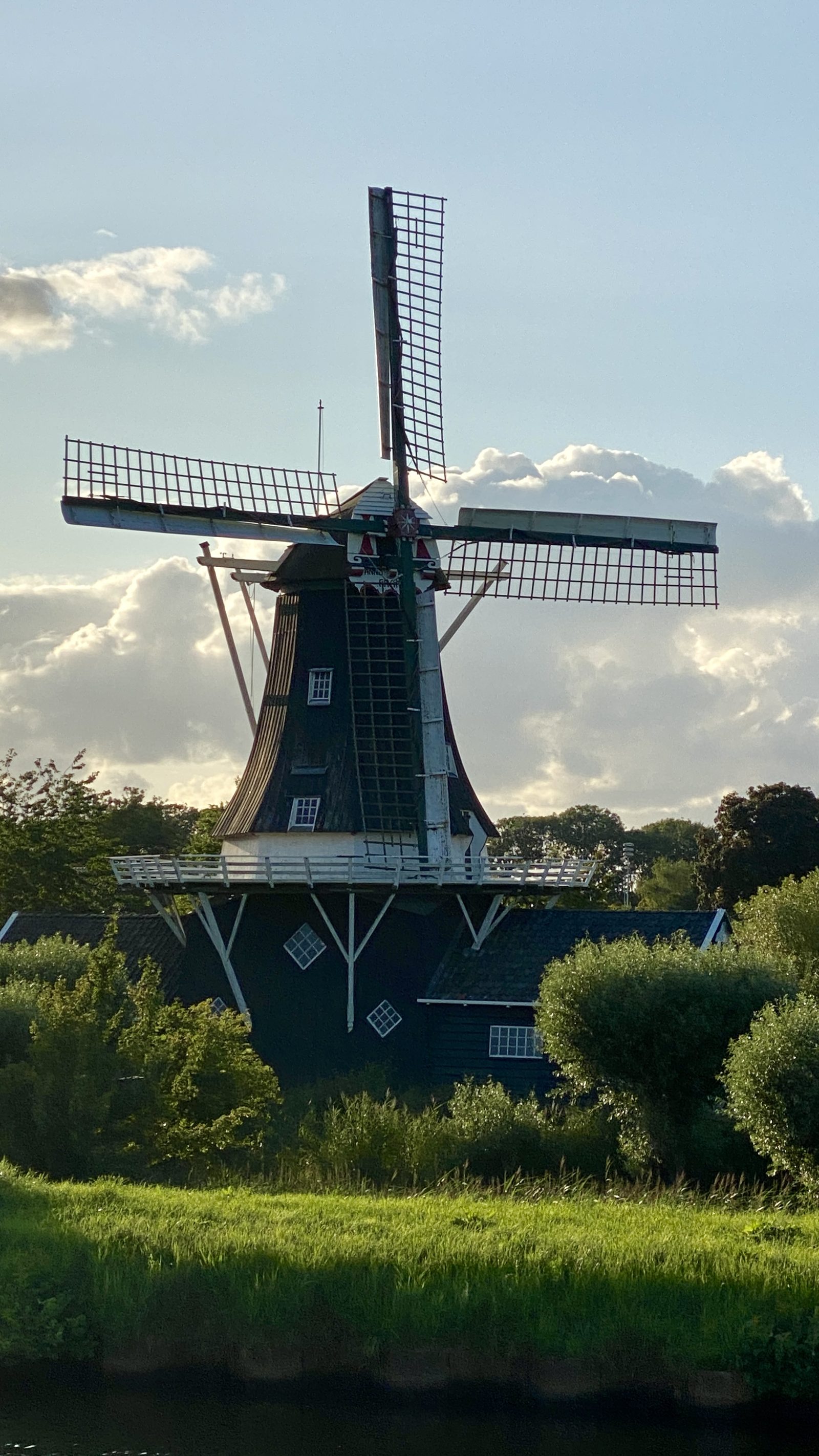
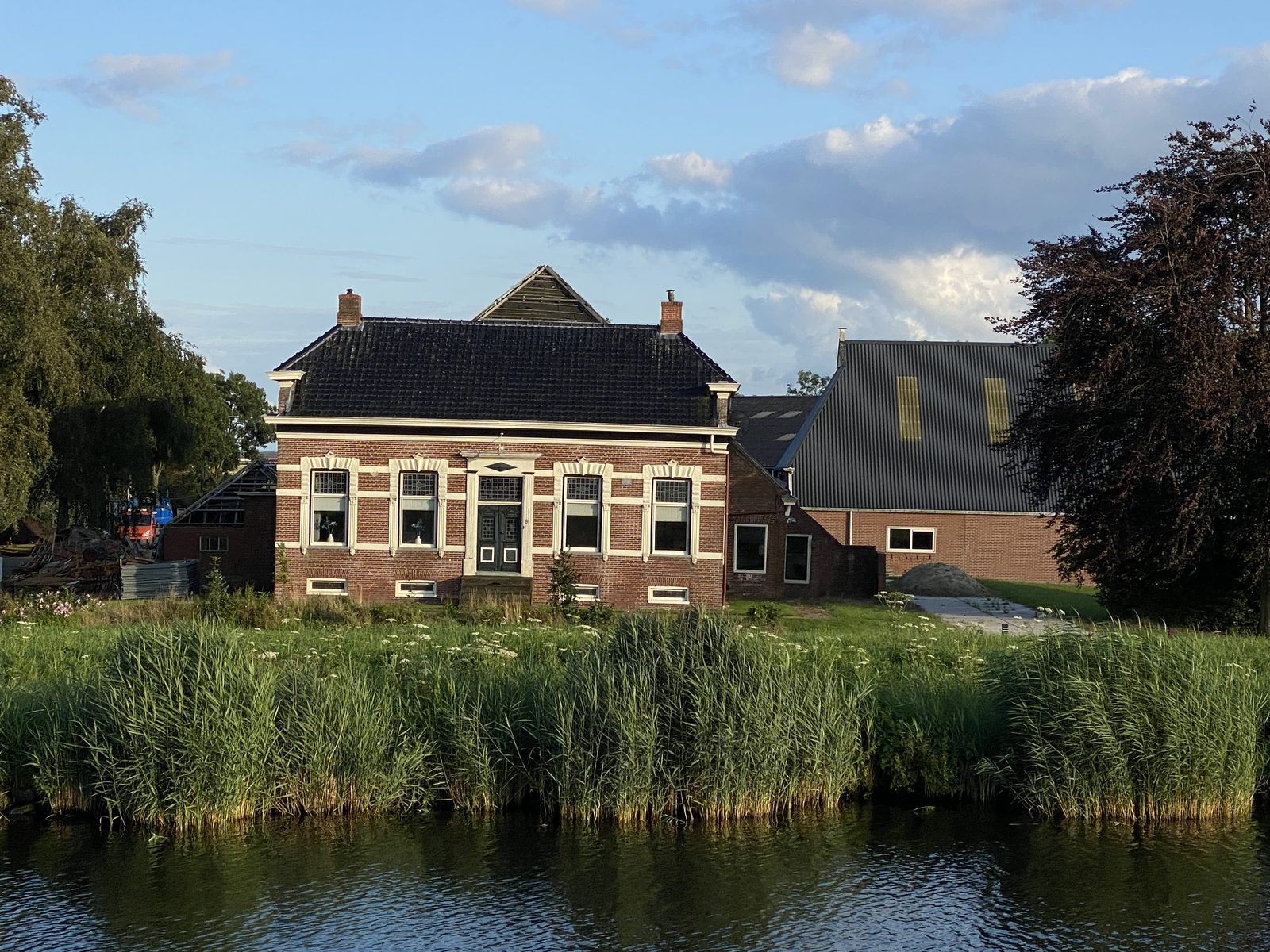
Out on the Wadden, conditions shifted. The tidal streams dictated our progress, at times giving Anna a welcome push, at others forcing us to work harder against the flow. Seas remained slight (0.5–1 m) in the lee of the islands, with the breeze holding steady from the west.
It was a beautiful sight, the vast sea of solar panels stretching out before us, catching the sun like a modern landscape of light.
On July 29, as we approached the Elbe estuary, the character of the passage changed again. The tidal currents strengthened to 3–4 kt, funnelling us upriver. Here, the combination of W/SW winds at 12–16 kt and opposing tide kicked up short, steep seas of 1.5–2 m, giving Anna a lively ride and shaking things about below deck.
By the time we entered Cuxhaven, conditions had eased. The marina offered calm berths after the churn of the Elbe, and securing Anna felt especially satisfying after two days of locks, bridges, tides, and the shifting moods of North Sea waters.
We didn’t plan to linger in Cuxhaven, and our stop there turned out to be just an overnight stay. It gave us just enough time to rest, run a few rechecks, hop into a Lidl 😄 and make sure Anna was in good order and ready for the next leg of the journey. The thrusters were still not working properly but we had isolated the problem down to the batteries and decided to get those changed in Kiel.
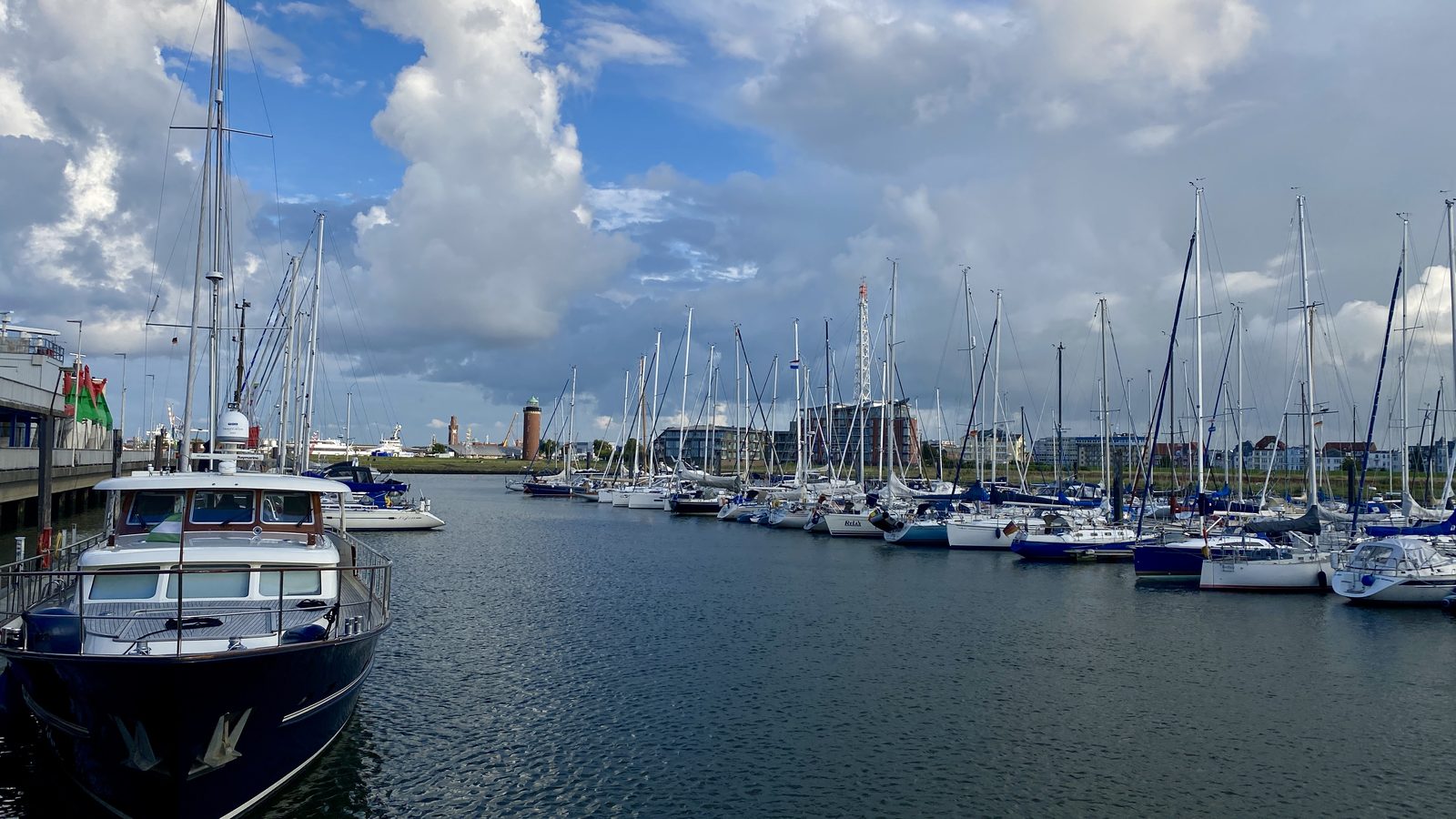
Cuxhaven is a historic port city on the North Sea coast of Germany, situated at the mouth of the Elbe River in Lower Saxony. Its strategic location has made it an important hub for shipping, trade, and maritime traffic for centuries. The city blends industrial port facilities with seaside charm, featuring a long sand and pebble coastline, promenades, and historic landmarks.
On July 30, we departed Cuxhaven under strong northwest winds, heavy rain, and a noticeable current, which made maneuvering Anna particularly tricky. With less than 5 meters of space between boats ahead and behind and with very low thruster power, careful handling was essential to avoid bumping into any other boats.
Departing Cuxhaven, the weather was challenging. Strong northwest winds gusted, accompanied by heavy downpours. The Elbe River mouth was choppy, and the waves were steep and confused, making the initial navigation tricky. Visibility was reduced in the rain, and with the busy traffic in the Elbe canal we were all keeping watch. We only had 15 NM to the Kiel canal lock and knew that conditions would be calm again once we slipped through the lock.
It appeared that the weather was giving us a break as we approached the entry to the Kiel canal at Brunsbuettel and were directed to the old lock which would open for us and some other boats in about 20 minutes. We tied up in front of the huge lock and of course, just as the gates opened another strong downpour soaked the crew whilst we were frantically trying to work out how to attach Anna to the bollards that were almost unreachable along the sides of the lock. To make matters worse we had a large cargo ship in front of us that created plenty of wash. We eventually managed to catch the bollards and held tight bracing for more wash when the cargo ship exited the lock.
Once inside the canal, the waters became calm and cruising along the canal, we passed green meadows, small villages, and industrial structures, always mindful of shipping traffic and sudden wind gusts. Approaching Kiel-Holtenau, the final lock and the canal’s Baltic Sea exit tested our focus once more, but we navigated it safely and continued to the open waters of the Kiel Fjord.
The final leg to the Baltic Sea marina in Laboe on Jul 30 offered yet another challenge. 📍Marina Laboe (Yachthafen Laboe) (54°22′36″ N, 10°13′26″ E). The wind suddenly increased to 20 knots making it impossible to slip into our allocated berth. With virtually no juice left in the thrusters we barely managed to secure Anna on an alongside dock where we could wait until the squall had passed. Finally the wind died down a bit and we could thread Anna into its berth which was barely wide enough to fit. Despite the adverse weather and demanding lock transits, the cruise offered a vivid experience of navigating one of Europe’s busiest waterways, combining open-sea conditions, canal engineering, and the tranquility of a Baltic harbor.
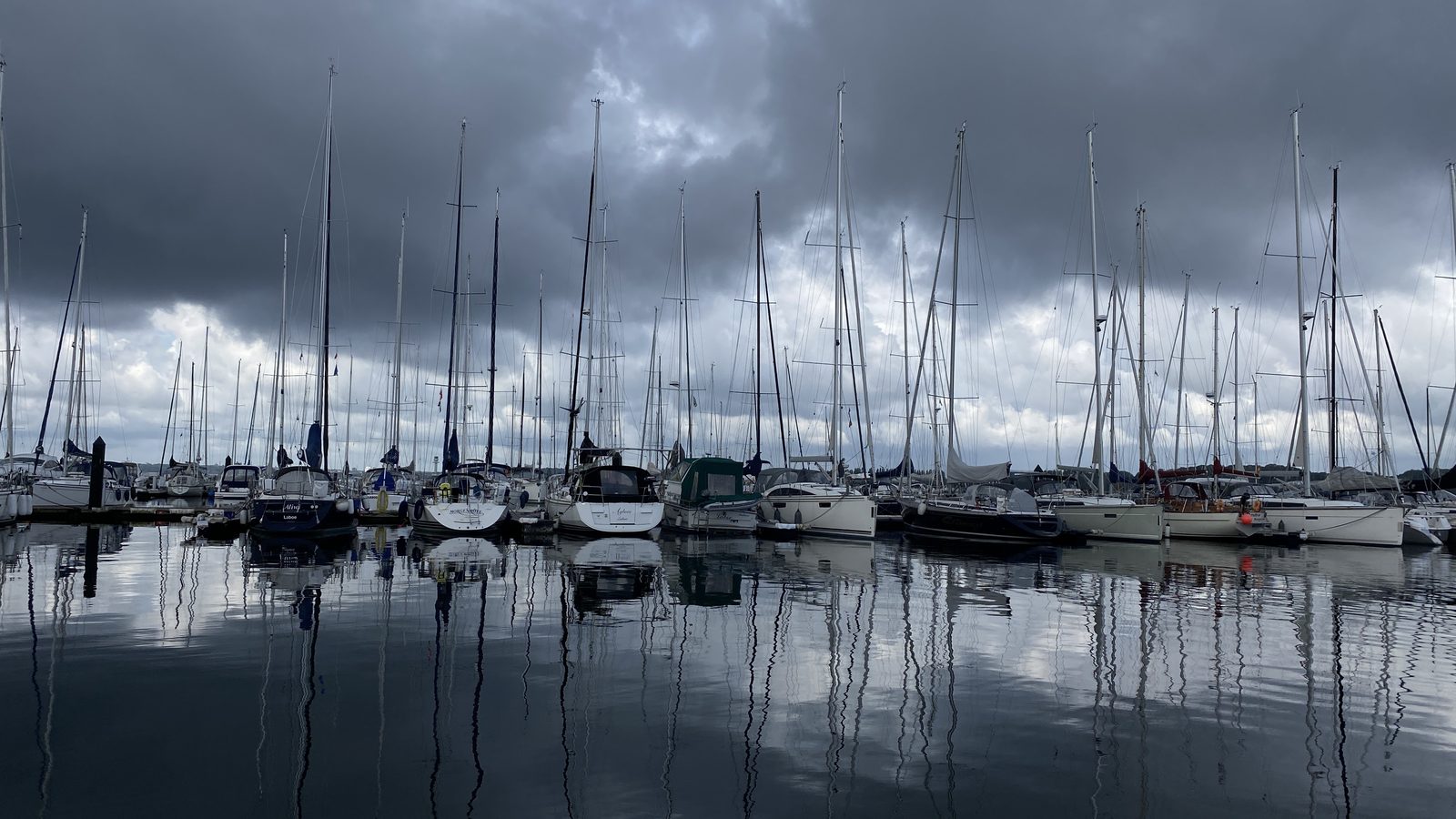
It wasn’t quite a beautiful sight when we arrived in Laboe, no blue sky, only dark clouds and a threat of rain but the marina itself was truly stunning.
With the thruster batteries on their last legs we decided to remain in Laboe for a couple of days to organize new batteries for bow and stern thrusters and get them installed before continuing our voyage to Riga. This turned out to be more difficult than we thought, although there were two marine repair docks in Laboe none of them was particularly helpful in sourcing the required batteries. Fortunately one of the biggest battery dealers (Battery24) is just outside Kiel so David and Martin set off in an Uber and got the 4 required batteries themselves, each weighing a hefty 50 kg. The Uber driver was not impressed!
The batteries needed to be installed in the lazarette and below the bed in the state room in a 24V parallel configuration. Of course the existing batteries of similar size and weight had to be removed first. The work required quite a bit of elbow grease and is probably one the hardest jobs we had to get accomplished on the trip. Installing heavy equipment in small spaces that are tricky to reach unfortunately is part of life onboard but at the end of the day everything was in place and thrusters whirred confidently with their juicy new power supply.
Meanwhile, Mikel confirmed she would be joining us in Riga from August 8–24, what perfect timing and everyone was very much looking forward to another reunion and some more Mexican Train (well, maybe not quite everyone to the prospect of more Mexican Train….)
Laboe is a picturesque coastal town located on the Kiel Fjord in northern Germany, along the Baltic Sea. Known for its marina and harbor, it serves as a popular destination for sailors, tourists, and day-trippers exploring the region. The town combines maritime charm with natural beauty, offering calm waters, sandy beaches, and scenic waterfront promenades.
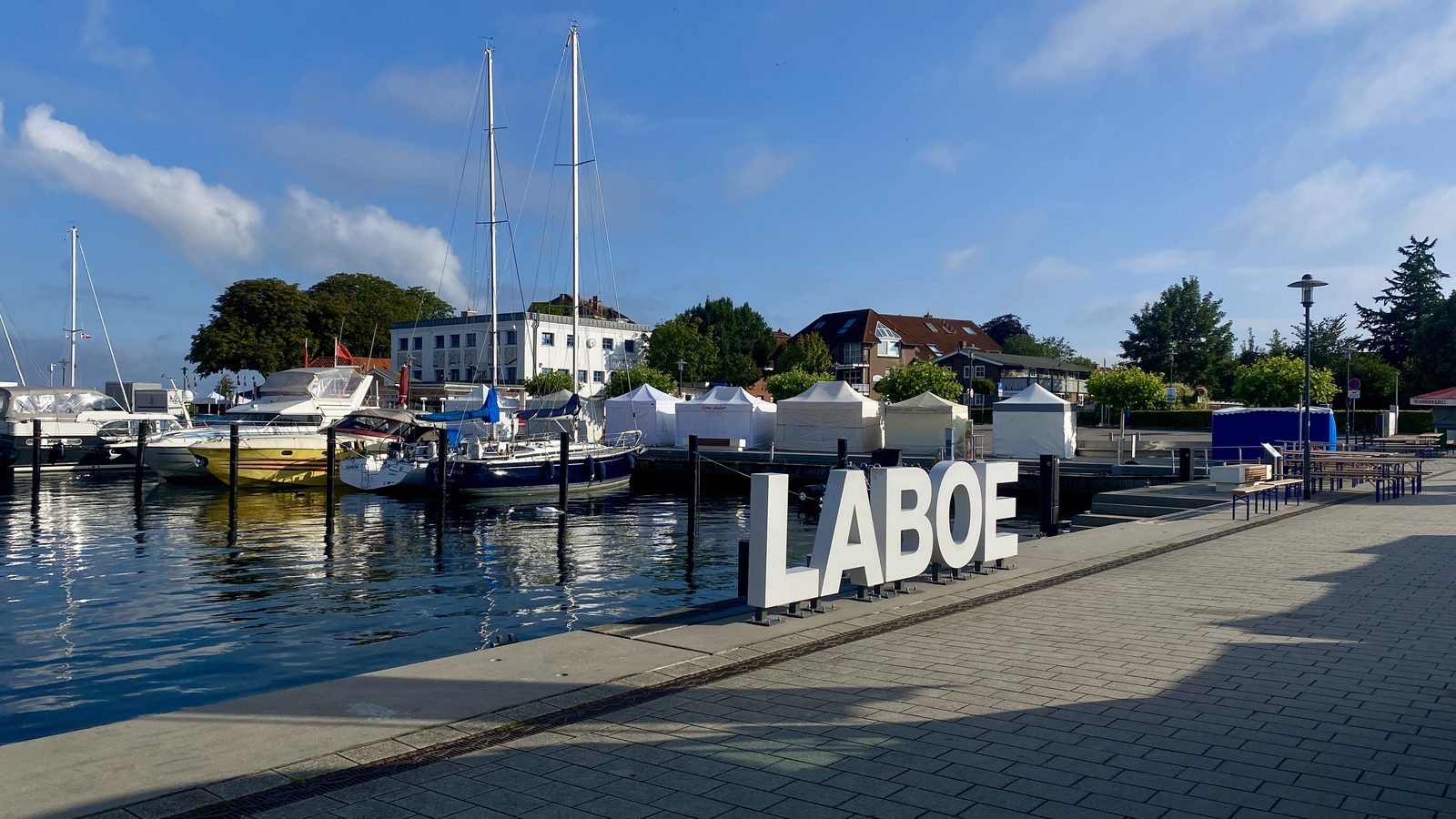
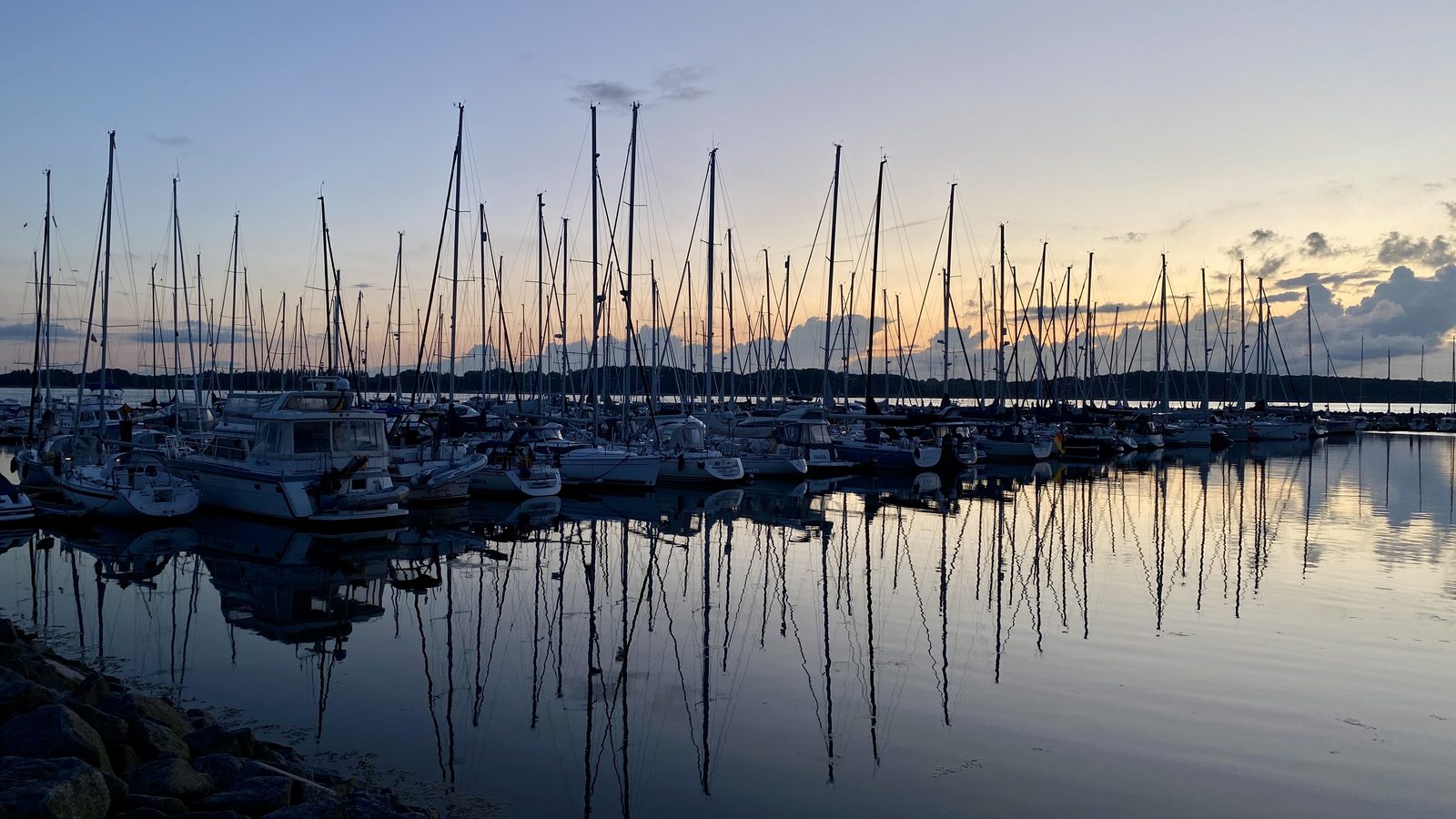
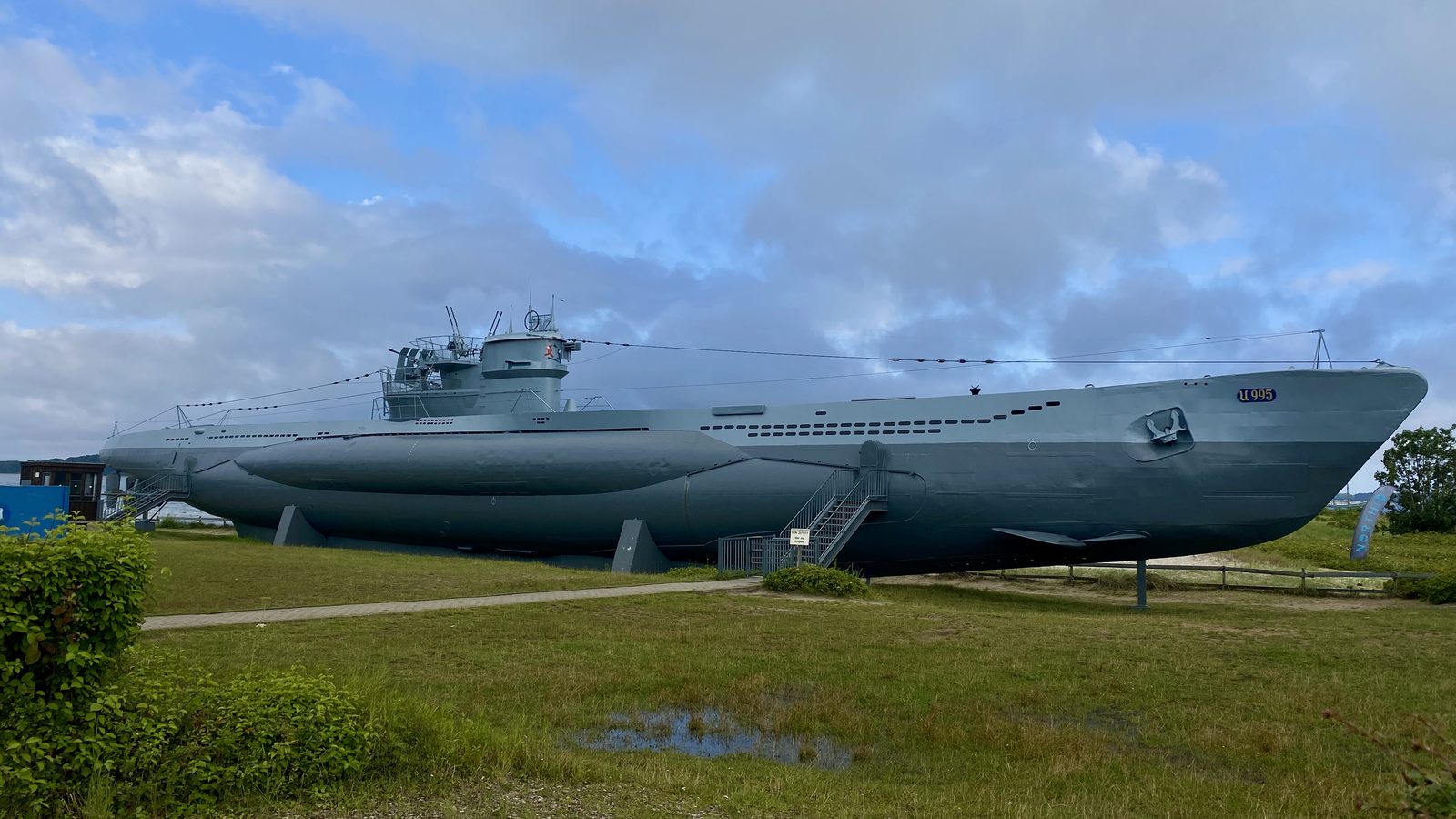
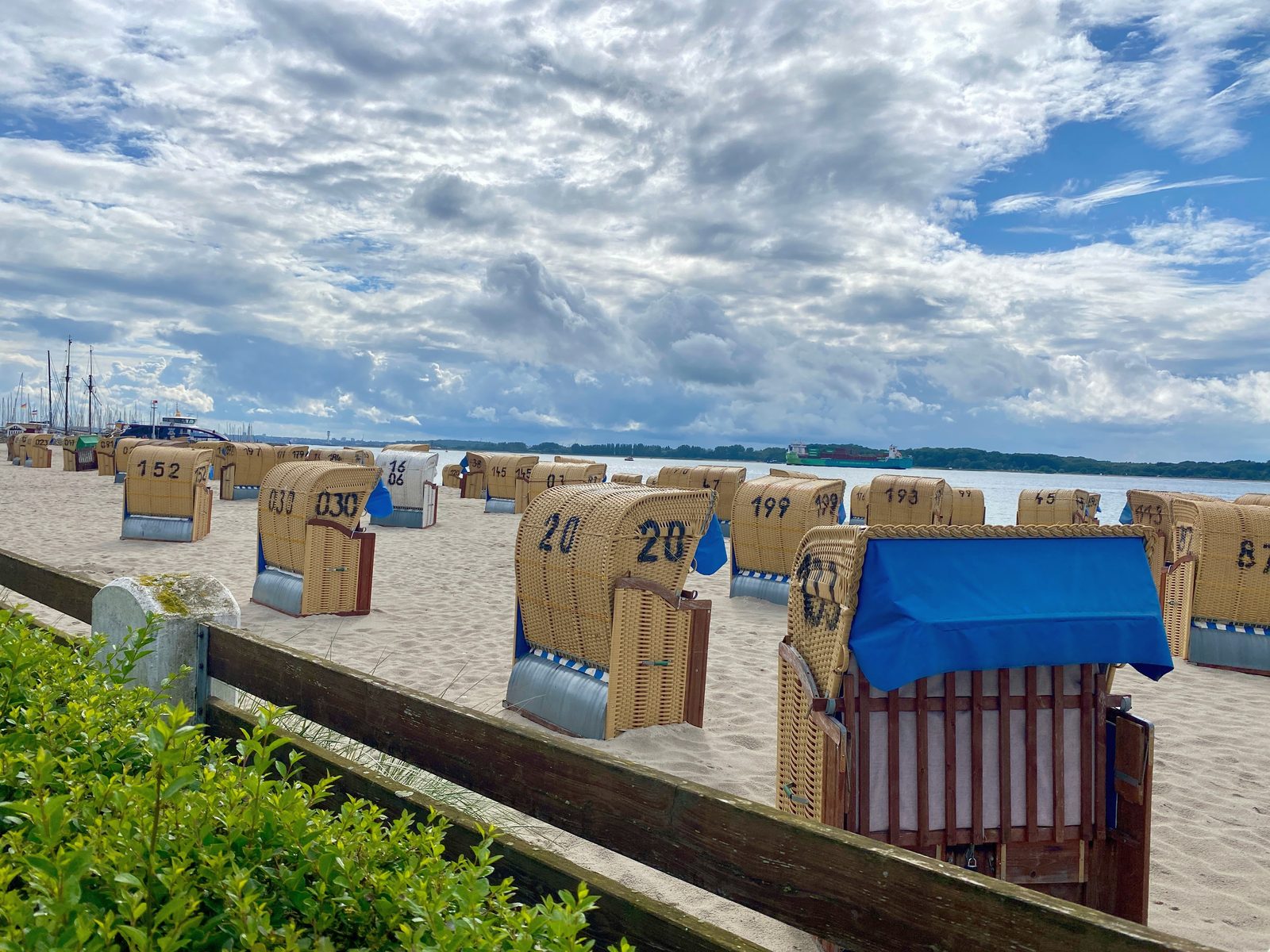
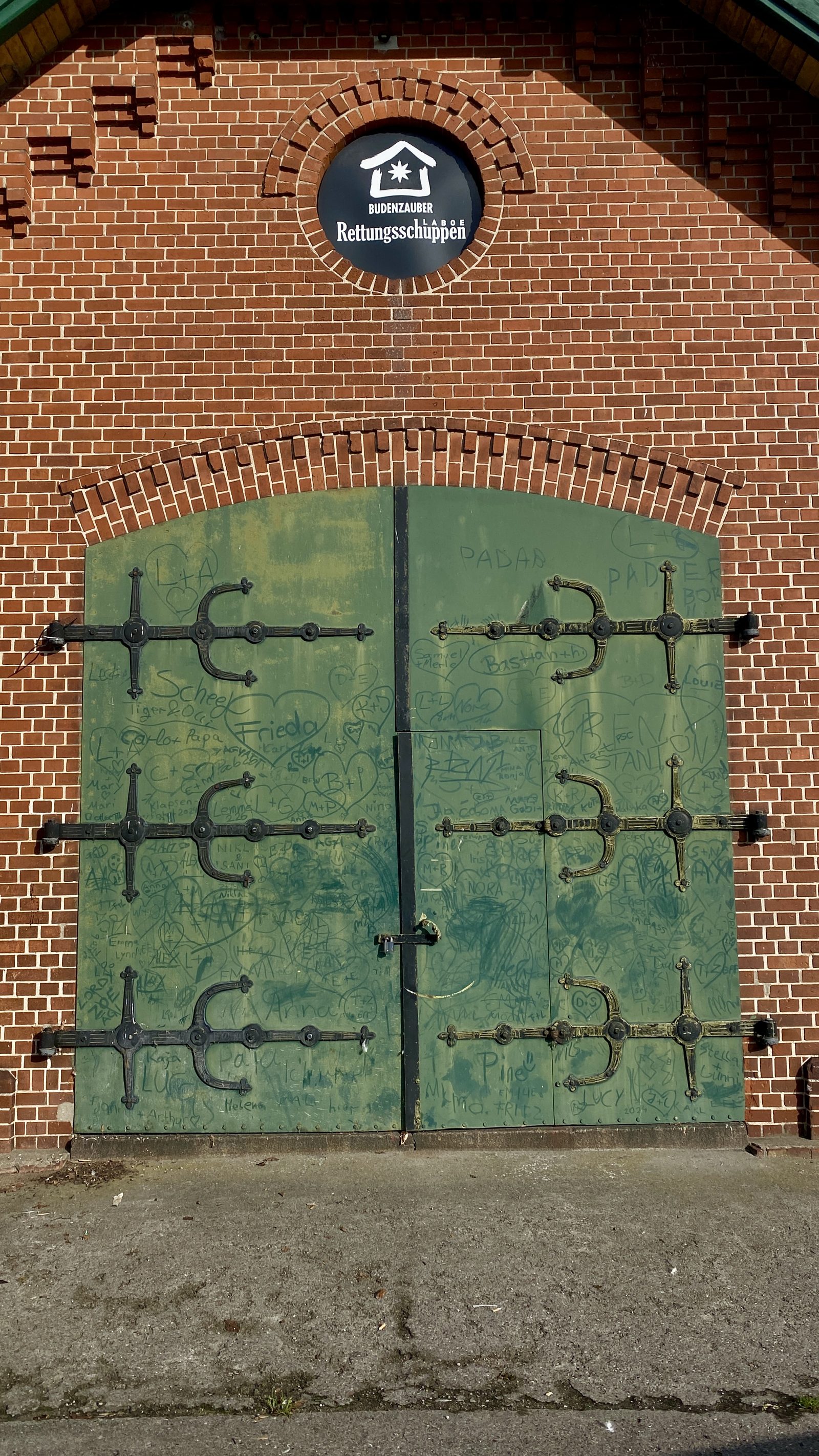
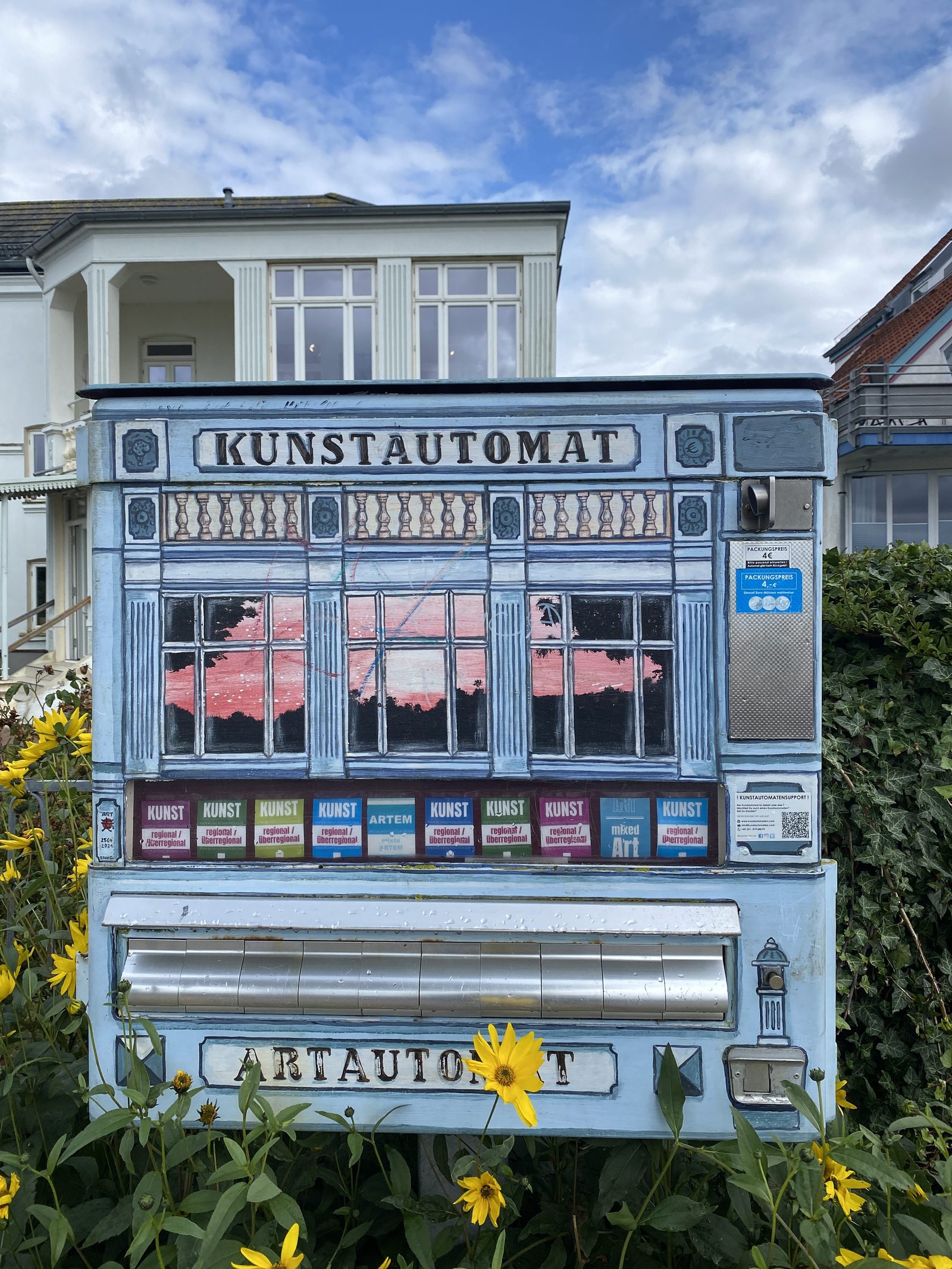
Laboe is perhaps most famous for the Laboe Naval Memorial (Marine-Ehrenmal), a striking monument commemorating German naval personnel of both World Wars, and the U-995 submarine, which is open for public visits. The harbor area features cafés, restaurants, and shops, making it ideal for relaxation after a day at sea. Small parks and walking paths along the fjord provide opportunities for strolls, cycling, or simply enjoying the views of the water and passing boats.
With its combination of sailing facilities, historical sites, and serene coastal scenery, Laboe is a peaceful and convenient stop for cruisers navigating the Baltic Sea or the Kiel Canal.
Before we left Laboe, we had a lovely meal at Fischküche Laboe, a lively spot with a very entertaining service staff. The vibrant and welcoming atmosphere made for a memorable waterfront dining experience. What a perfect way to conclude our time in Laboe !
Comments
From the old site. Comments are closed; write to us through the contact page.
Jay Wyper, 4 October 2025
David and Mikel
What a wonderful journal ! I love following your writings on the maps and am amazed by the distances you have already traveled.
Looking forward to the next installment,
Heather and Jay