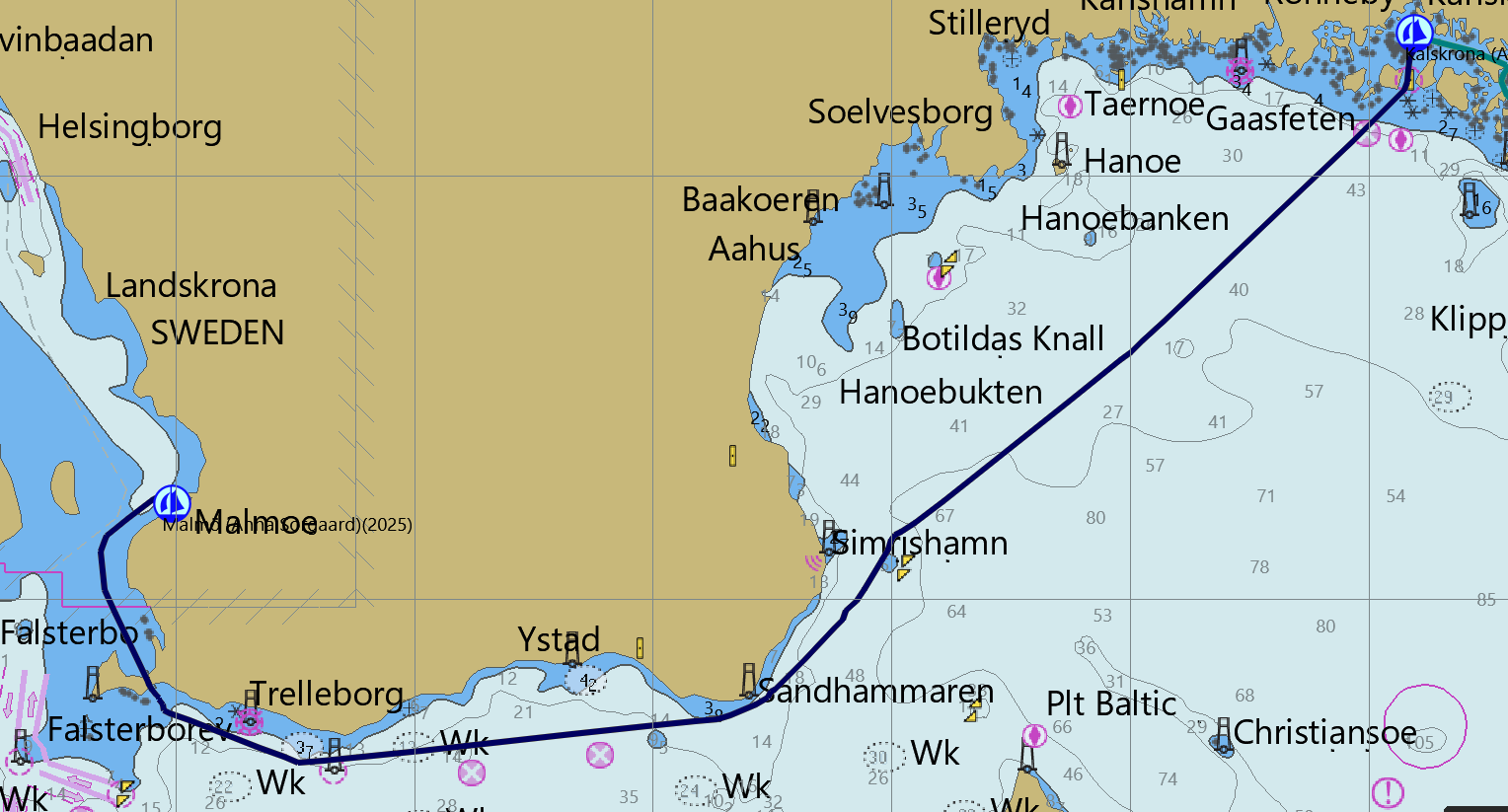
On September 13 at 12:15 pm, we departed from Karlskrona Gästhamn and began our overnight cruise southwest along the Baltic coast toward Malmö. The journey covered approximately 120 nautical miles, following Sweden’s southern coastline through the afternoon, night, and into the next morning. Early conditions were favourable, with cool autumn temperatures, partly cloudy skies, occasional sunshine, and good visibility. Light to moderate southwesterly winds created comfortable cruising conditions, while the Baltic Sea remained gentle with low swells and slight chop, allowing for a smooth and steady passage.
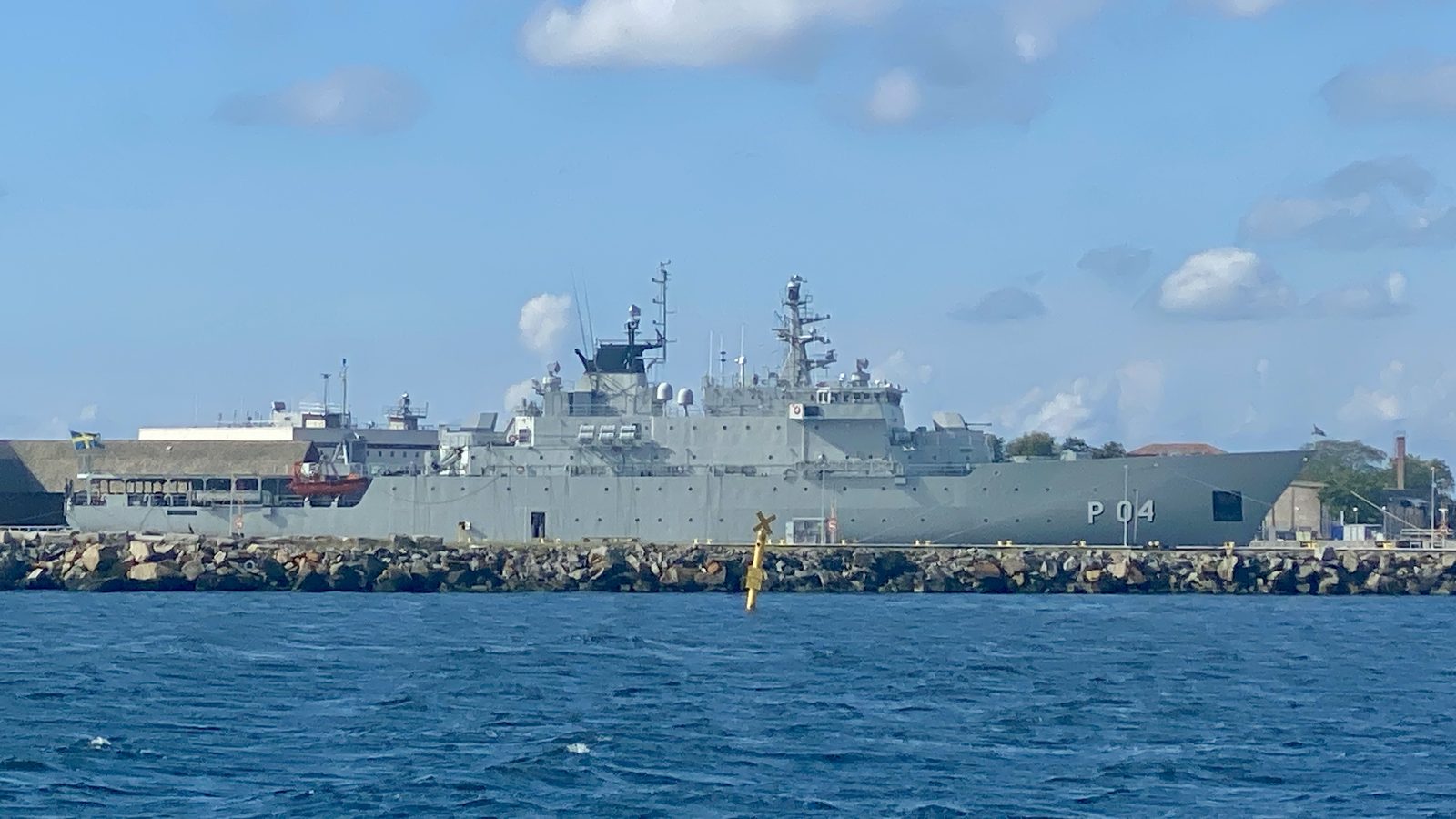
Leaving Karlskrona we sailed past the Karlskrona Naval Base (Karlskrona örlogsbas) the largest naval base of the Swedish Navy. From the sea we got a close view of the HSwMS Carlskrona, the largest ship in the Swedish fleet.
As evening fell, the weather turned more challenging. By the night of Sep 13, the seas became choppy, with heavy downpours, frequent lightning, and rough swells. Anna pitched through the waves, requiring careful watchkeeping and full attention from the crew. Despite the demanding conditions, the vessel handled the rough seas well, and the rhythm of night sailing, the movement of the yacht, distant coastal lights, defined the hours at sea.
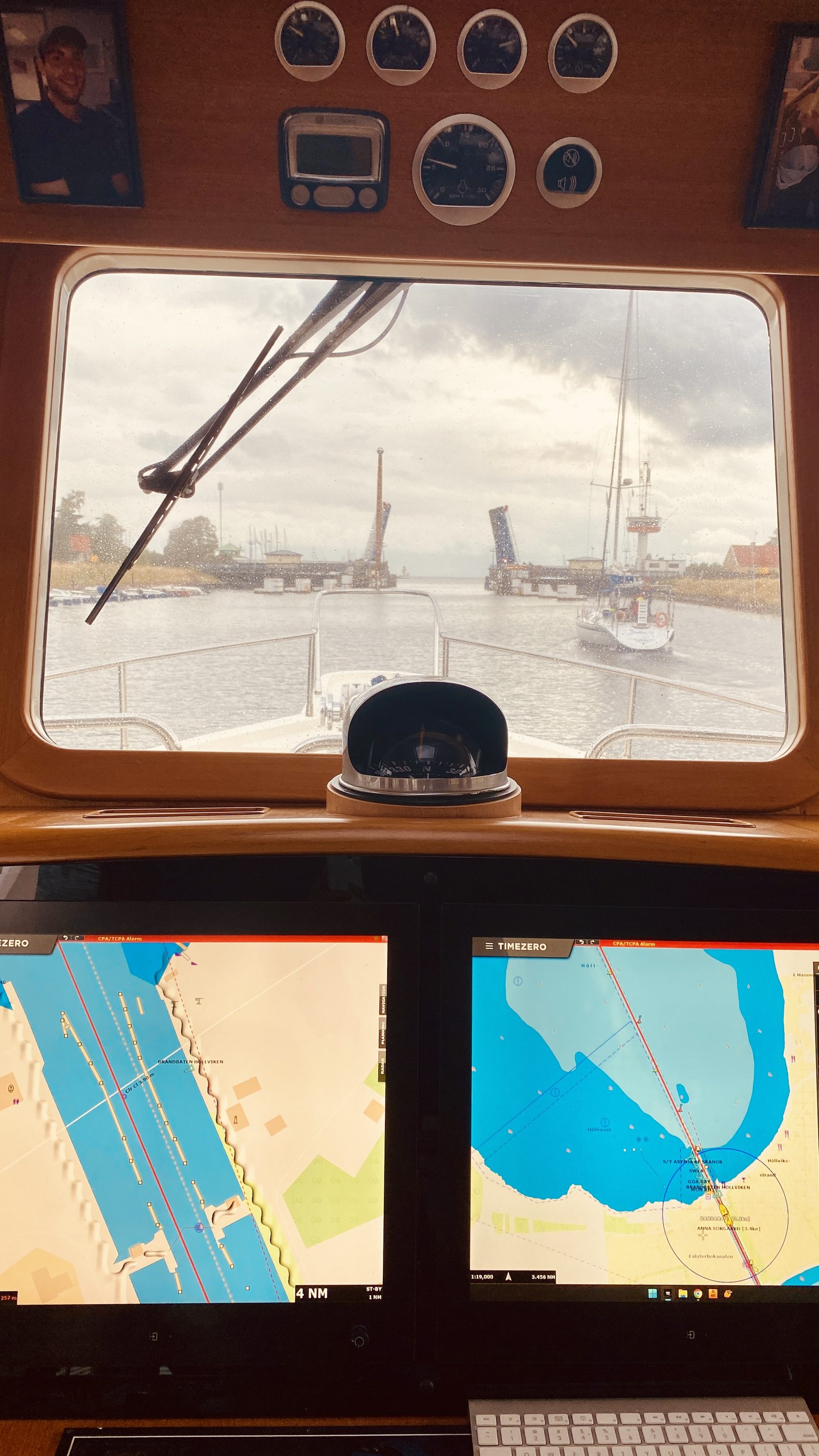
By the morning of Sep 14, the wind had eased and the sea moderated to gentle–moderate swells. We decided to take the shortcut through the Falsterbo Canal (Falsterbokanalen), a short canal that allows ships to pass inside Falsterbo, Skanör and Ljunghusen from the Baltic to the Øresund. There is a bridge at the end of the canal with fixed opening times. From April 15 to September 30, it opens every 2 hours starting at 06:00. Having arrived just before 7 am we had a bit of a wait, so we hovered outside the canal and could relax for an hour after our overnight journey..
Once we had passed into the Øresund the coastline around Malmö gradually came into view. We passed under the stunning Øresund Bridge, a combined railway and motorway cable-stayed bridge that connects Denmark and Sweden. It is the second longest bridge in Europe running nearly 8 kilometres (5 miles) from the Swedish coast to the artificial island of Peberholm in the middle of the strait. The Øresund Link is completed by the four-kilometre (2+1⁄2-mile) Øresund Tunnel from Peberholm to the Danish island of Amager.
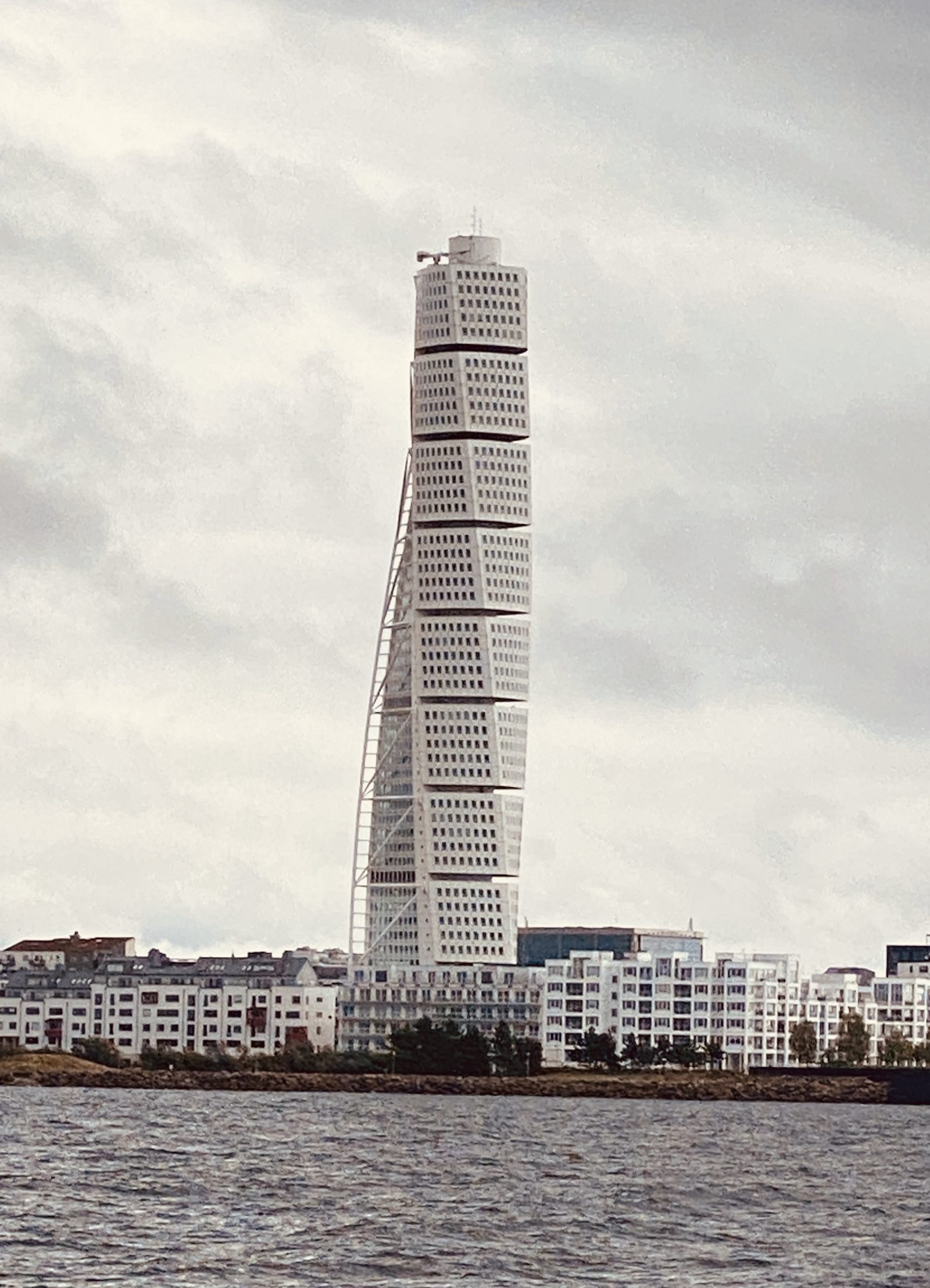
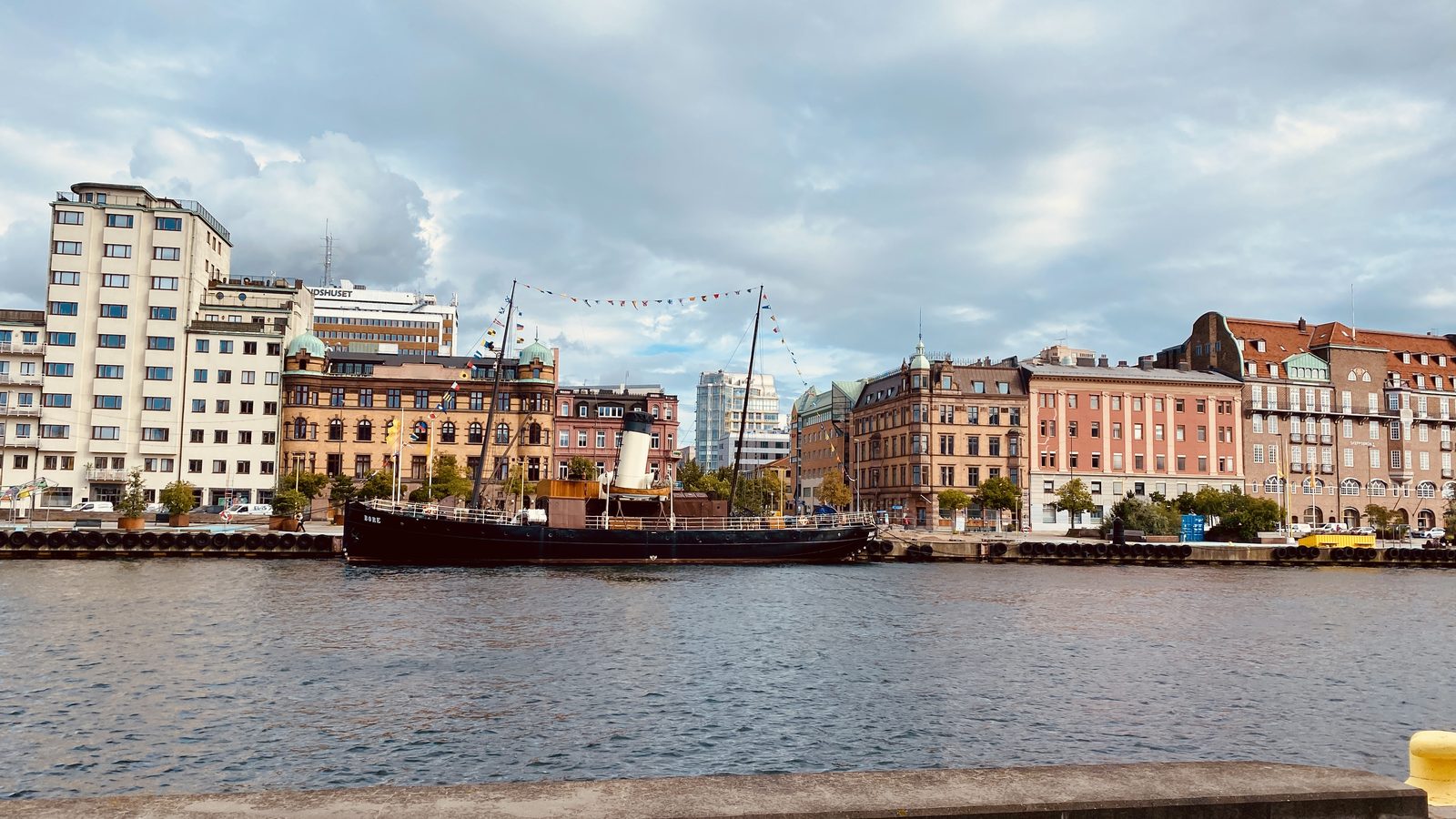
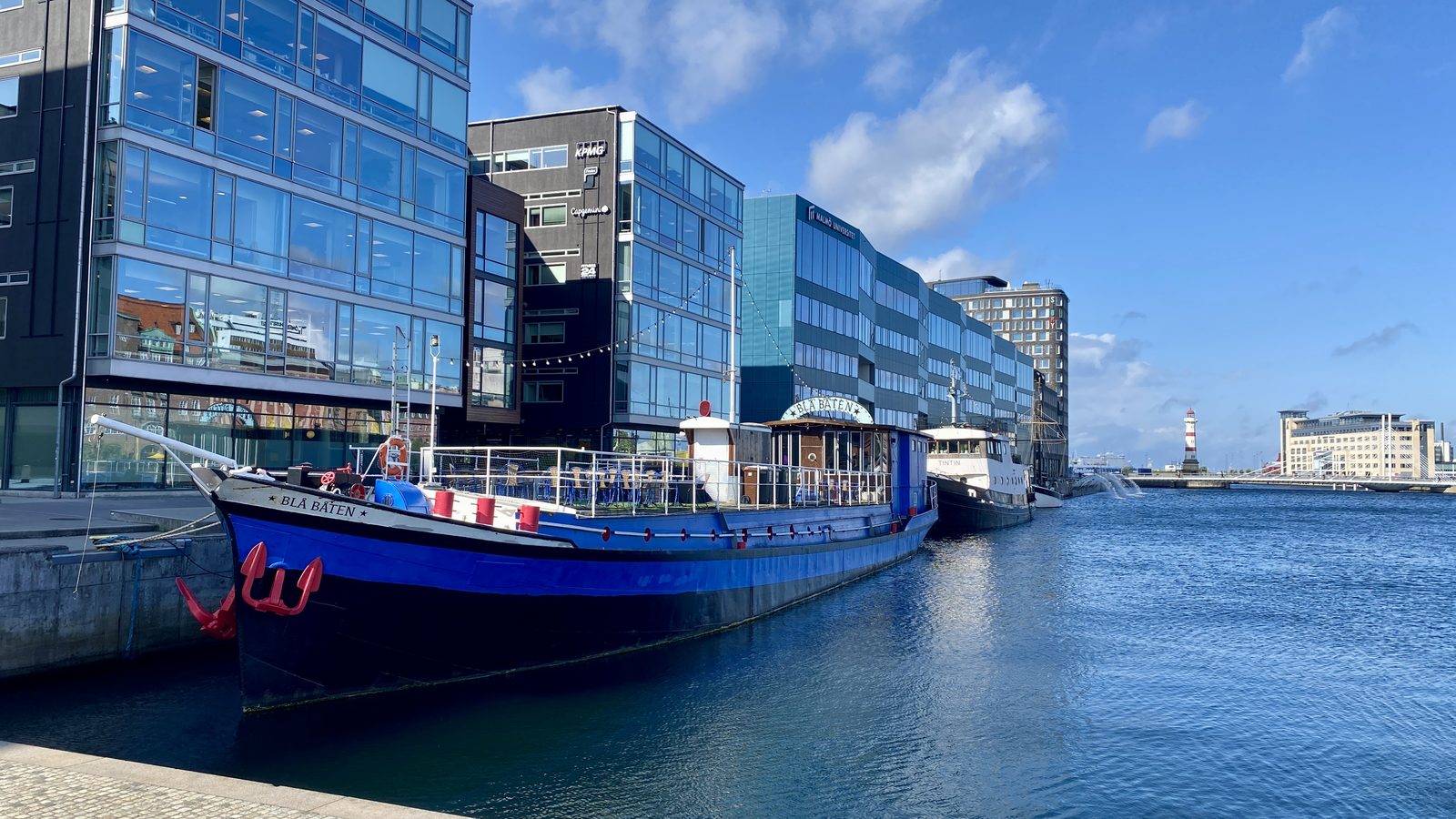
Soon the Twisted Toso, Malmö’s premier landmark came into view and shortly after we arrived at Malmö Gästhamn. Anna was safely tucked into her berth right at the town end of the marina at around 11:30 am, concluding another memorable leg of the voyage.
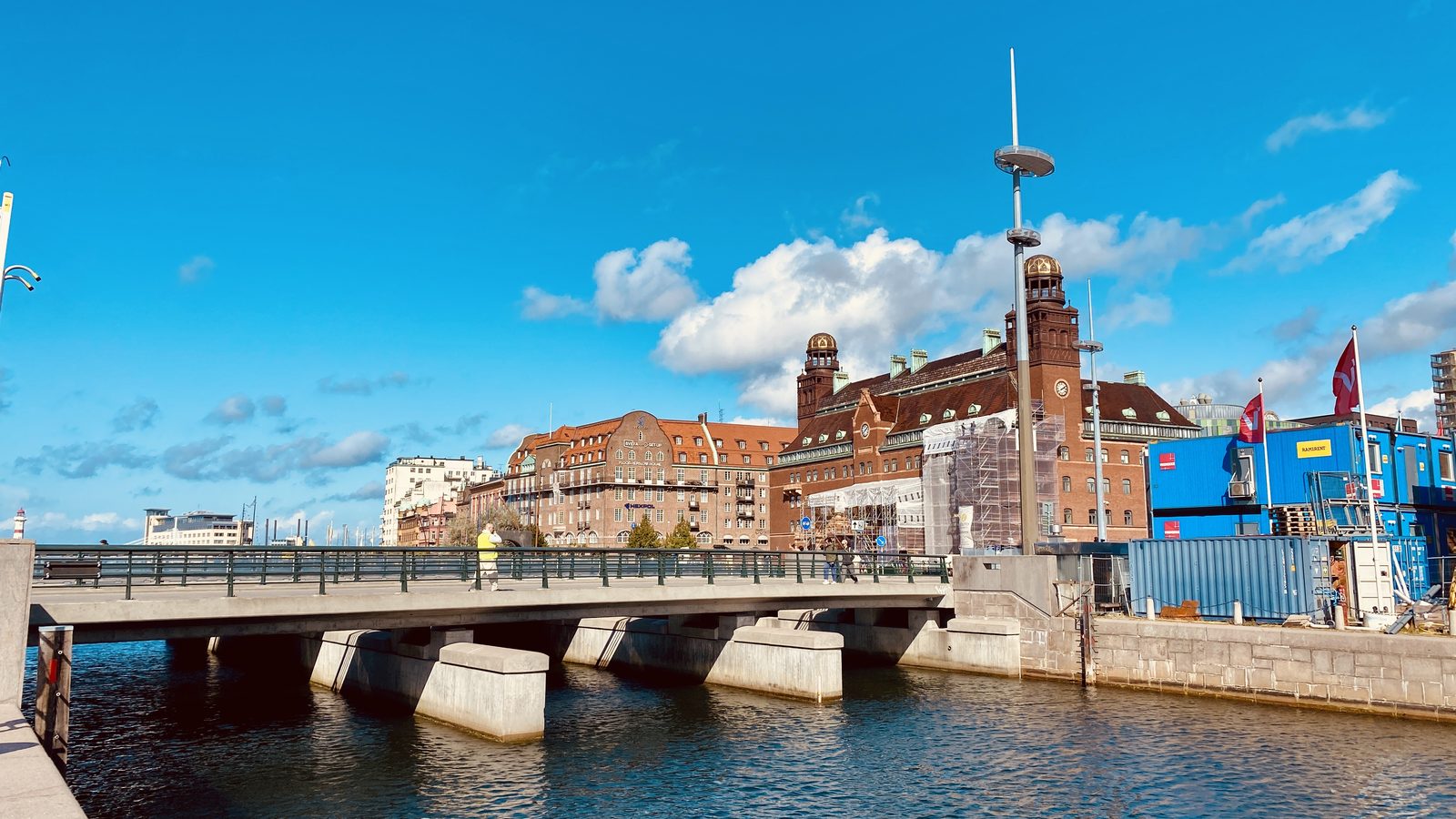
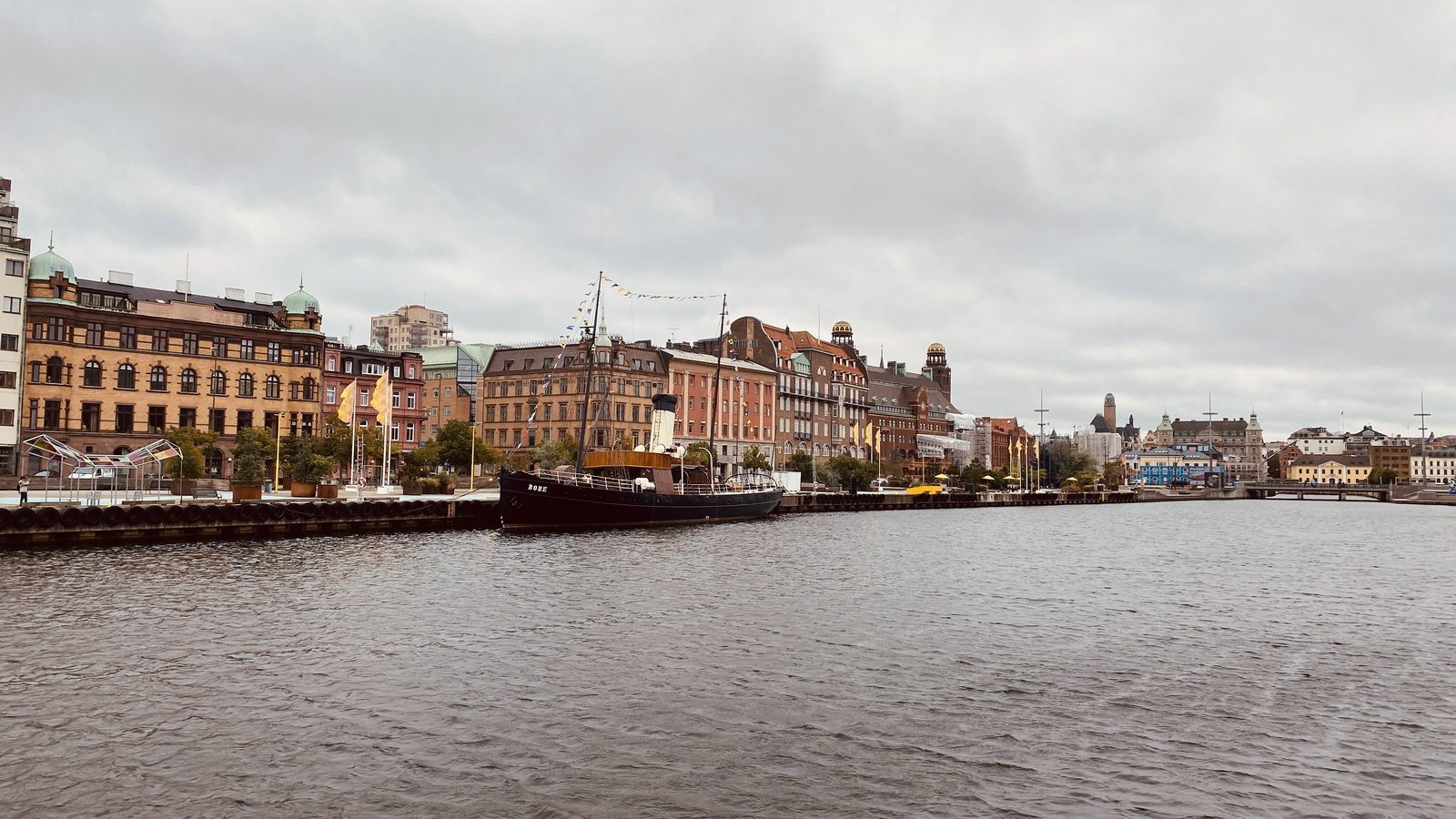
Malmö Gästhamn (📍55.611° N, 12.988° E) is a centrally located marina and guest harbor in the heart of Malmö, offering visiting yachts convenient access to the city’s waterfront, restaurants, and historic center. Situated near the modern Western Harbour district and within walking distance of Malmö’s main attractions, the marina is popular with sailors cruising through the Øresund and southern Baltic region. The harbor provides a relaxed yet lively atmosphere, with views of contemporary Scandinavian architecture, waterfront promenades, and the iconic Turning Torso rising above the skyline. Its sheltered berths and central location make it a comfortable and welcoming stop for both short visits and longer stays along Sweden’s southern coast.
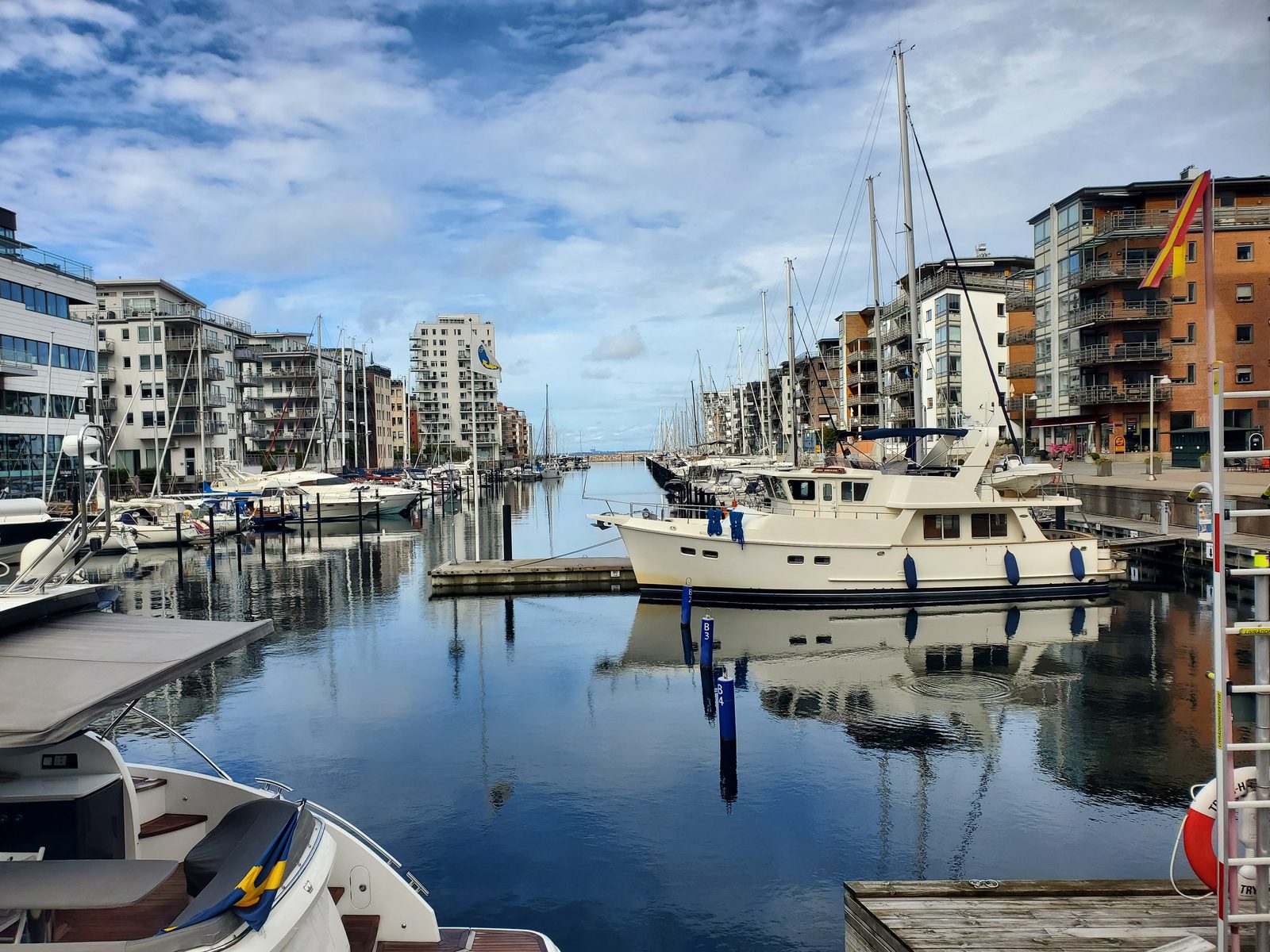
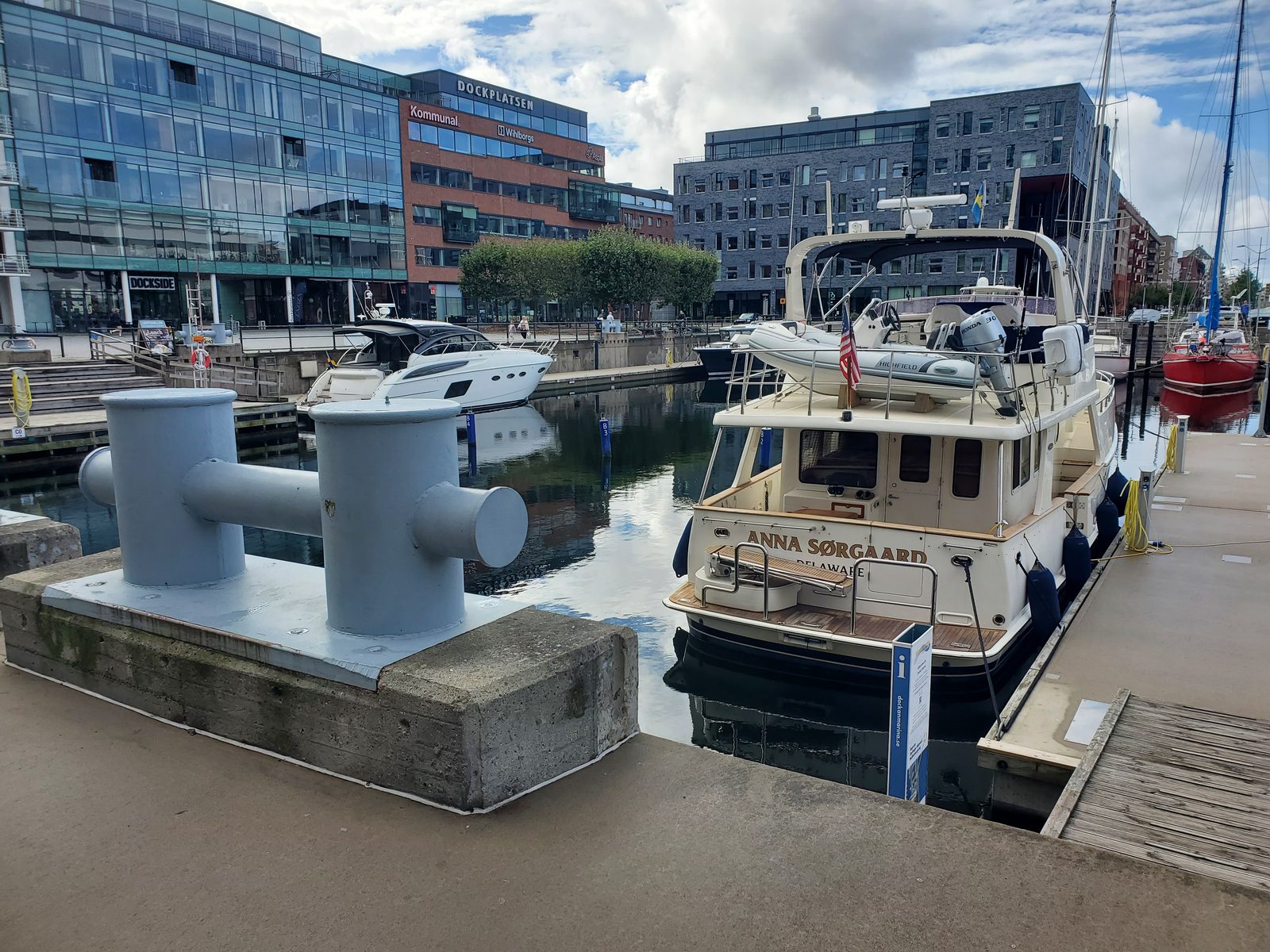
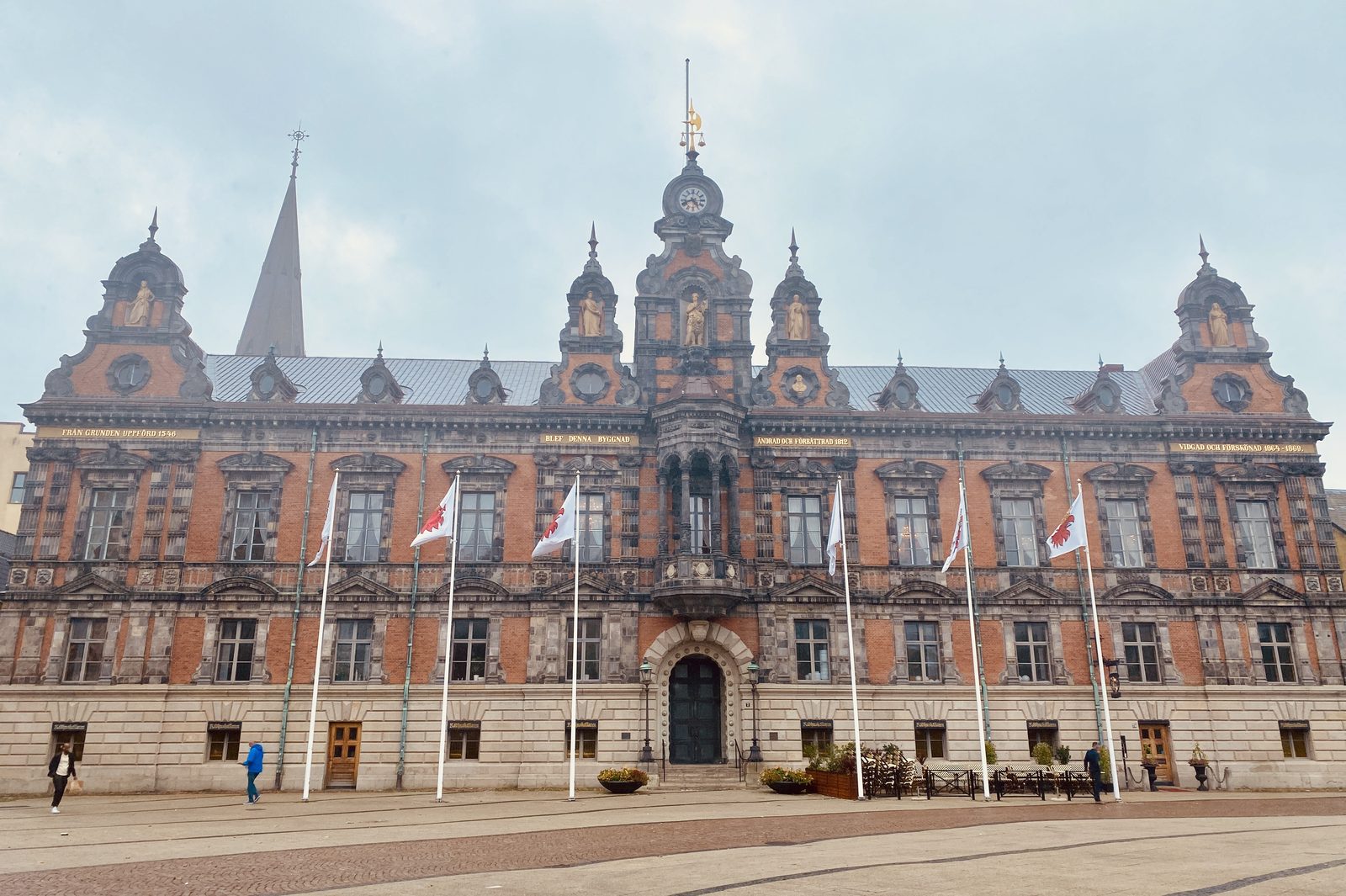
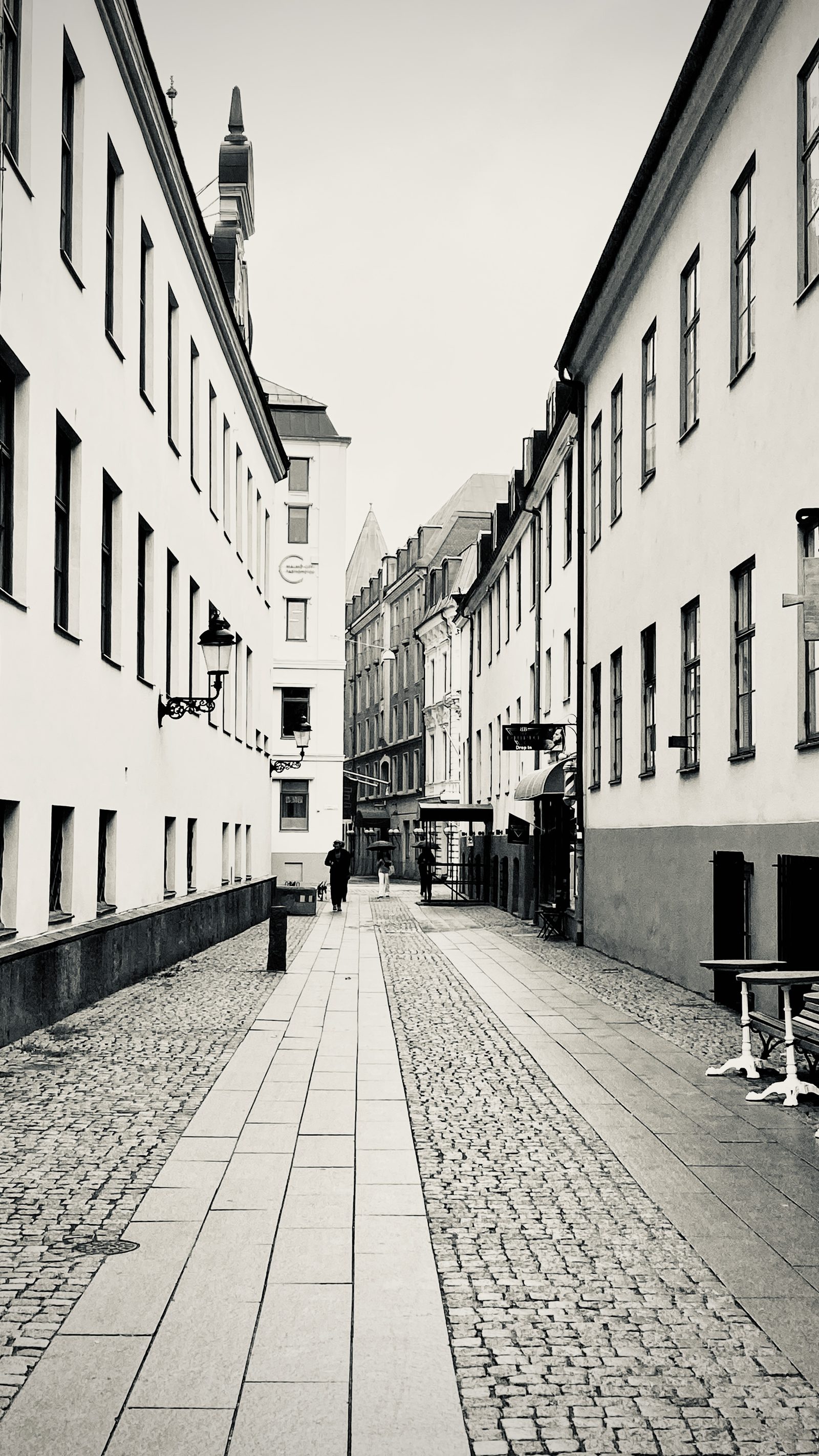
Malmö is Sweden’s third-largest city and a vibrant coastal destination known for its mix of historic charm, modern architecture, and relaxed Scandinavian lifestyle. Malmö combines cobbled old-town streets, canals, parks, and waterfront promenades with innovative urban design and a multicultural atmosphere. The city’s main attractions include the iconic Turning Torso, Scandinavia’s tallest building, and the picturesque Lilla Torg, a lively square surrounded by cafés and historic timber-framed buildings. Visitors also enjoy Malmö Castle, a Renaissance fortress with museums and gardens, as well as the green waterfront district of Västra Hamnen, known for its sustainable urban design and seaside walkways. Other highlights include St. Peter’s Church, one of Sweden’s oldest brick churches, and the long sandy beach at Ribersborg Beach, a popular spot for swimming, cycling, and sunset views over the Øresund.
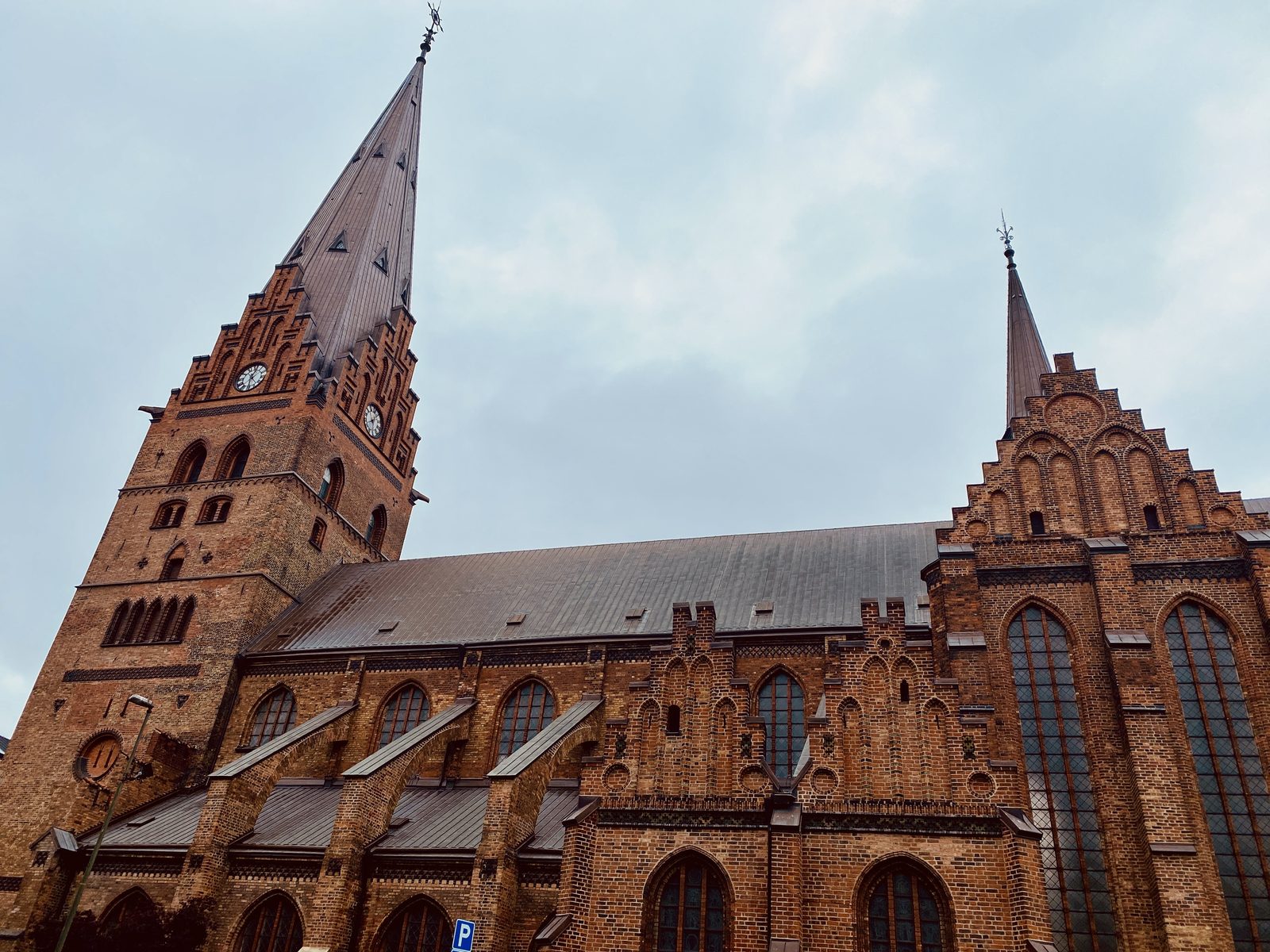
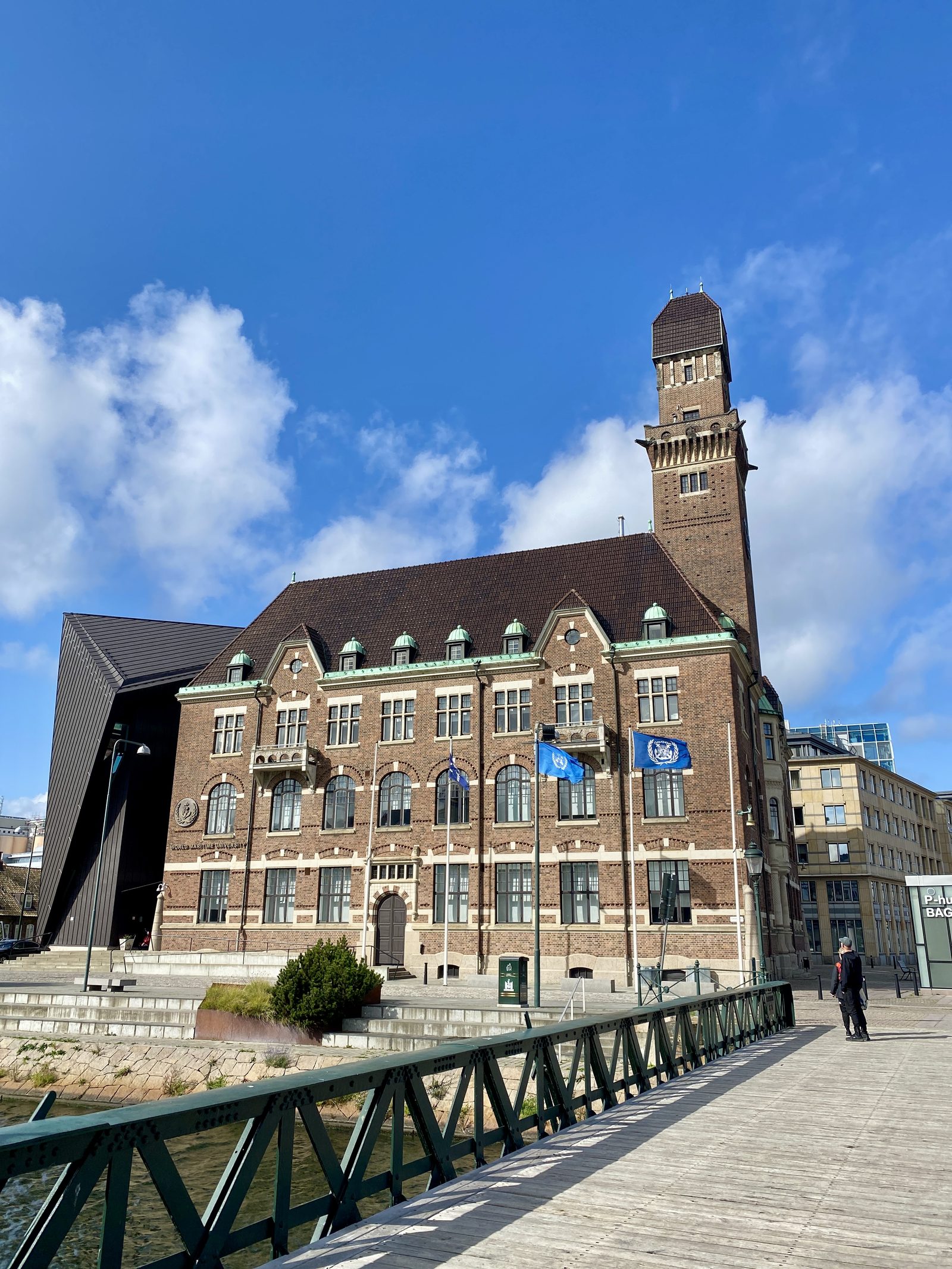
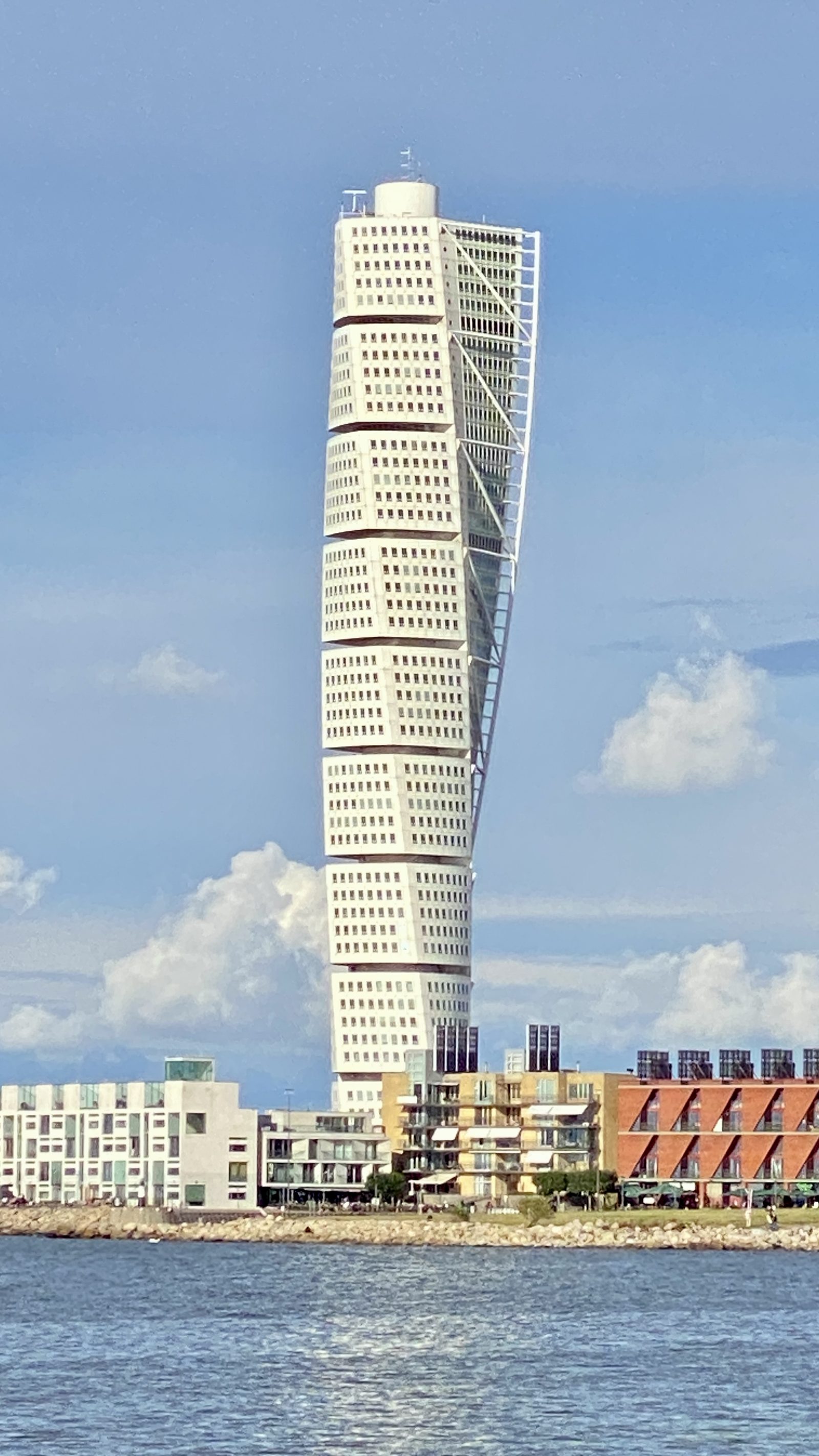
Turning Torso is the most iconic landmark in Malmö and the tallest building in Scandinavia, standing approximately 190 meters high with 54 floors. Designed by Spanish architect and engineer Santiago Calatrava, the tower was inspired by the twisting form of a human body in motion and features a striking spiral design where the structure rotates 90 degrees from base to top. Completed in 2005, Turning Torso transformed Malmö’s skyline and became a symbol of the city’s modern identity, innovation, and sustainable urban redevelopment. Located in the waterfront district of Västra Hamnen, the tower is visible from far across the Øresund and represents Malmö’s transition from an industrial port city into a contemporary Scandinavian hub of architecture and design.
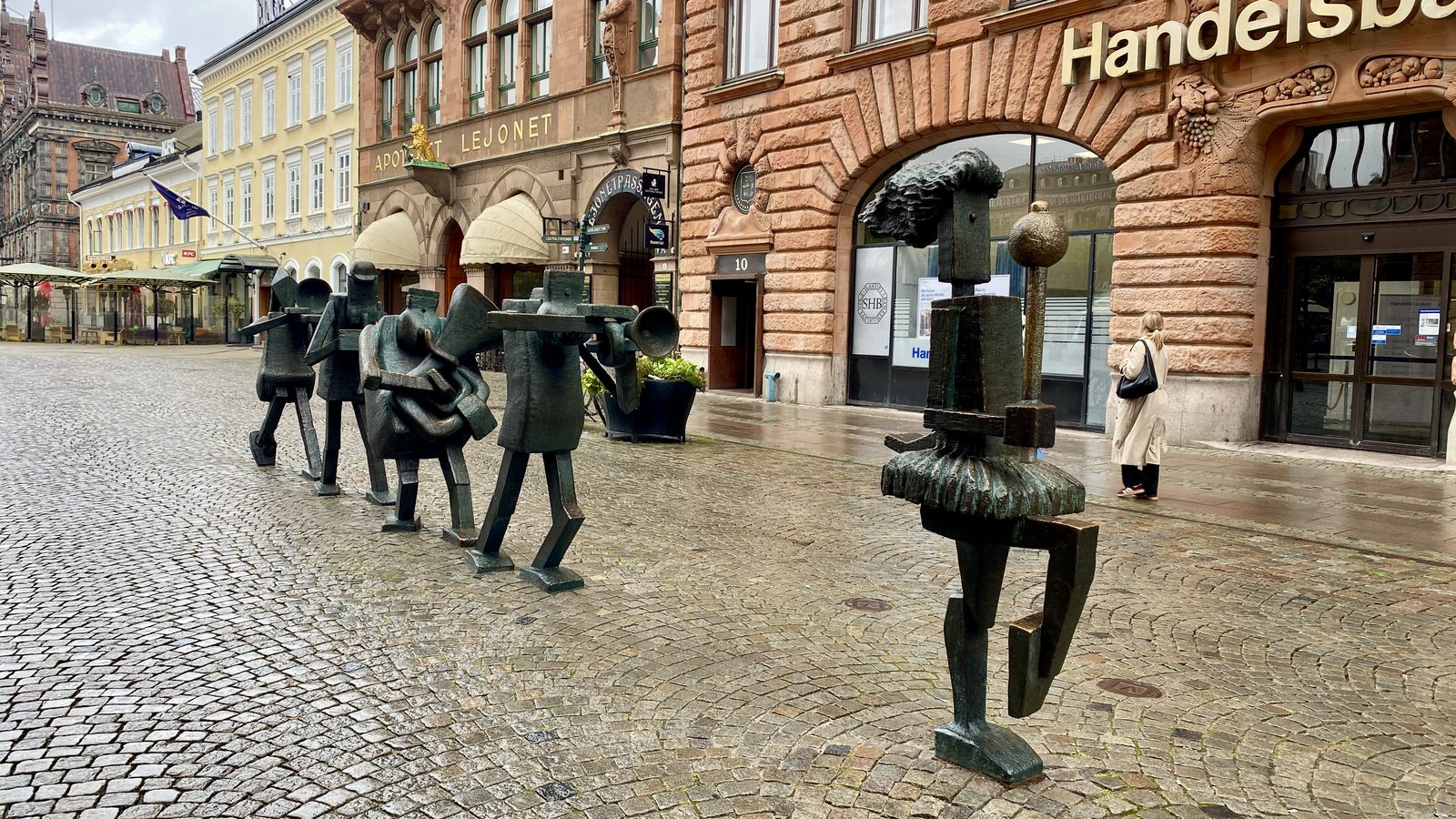
As much as we enjoyed the cruise from Karlskrona, Malmö quickly revealed itself as another stunning destination not to be missed. We could hardly wait to get back on our feet and begin exploring the city. What makes Malmö especially captivating is the way it effortlessly blends old and new: historic cobbled streets, medieval churches, and charming town squares sit comfortably alongside bold contemporary architecture and modern waterfront developments.
One of the most striking features of Malmö is its historic tram. The Malmö tramway network was a tram network that existed as a public transit system in Malmö, Sweden in some extent from 1887 until 1973. In 1987 a new route of about 2 km (1.2 mi) was built as a historic line, which remains in operation today.
History : The tramway operated between 1887 and 1973. It started service as a horsecar. The horsecars were replaced by electric trams starting in December 1906, with the last horses being retired in February 1907. With the introduction of right-hand traffic in 1967 most tram lines were withdrawn and replaced by buses, although line 4 to Sibbarp remained until April 27, 1973.
The city feels modern yet unhurried, lively yet calm, a place where history, innovation, and everyday Scandinavian life coexist beautifully.
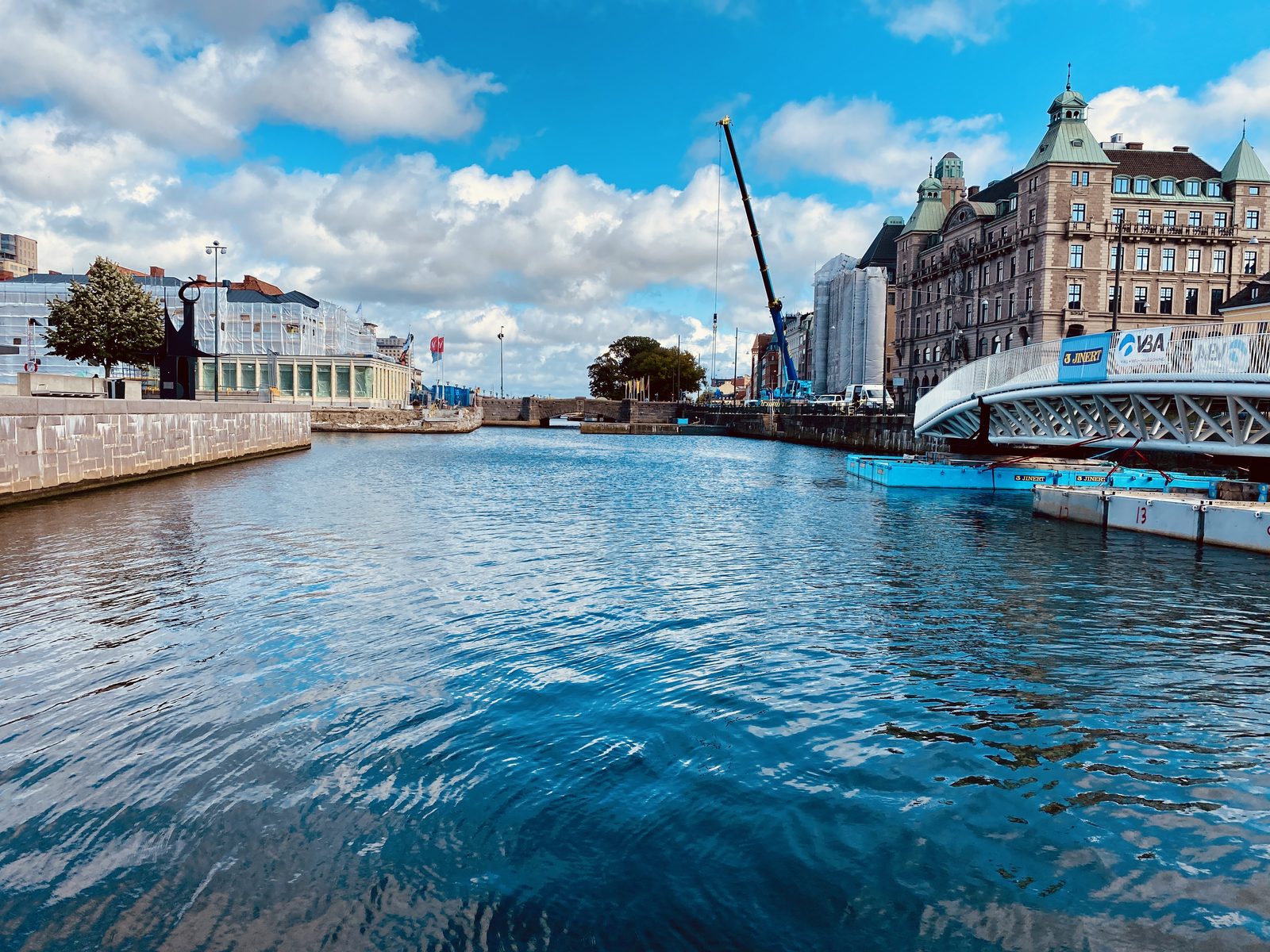
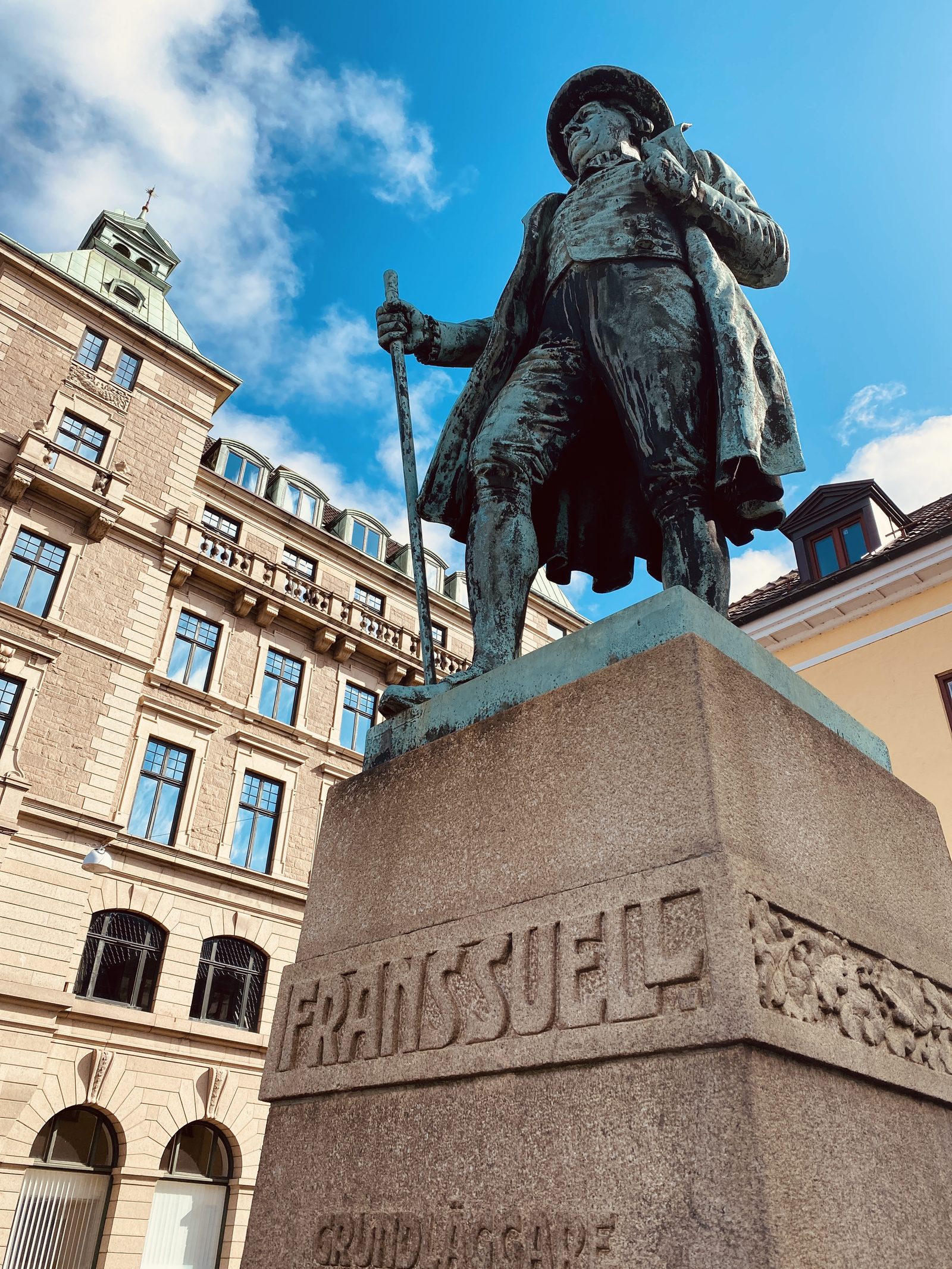
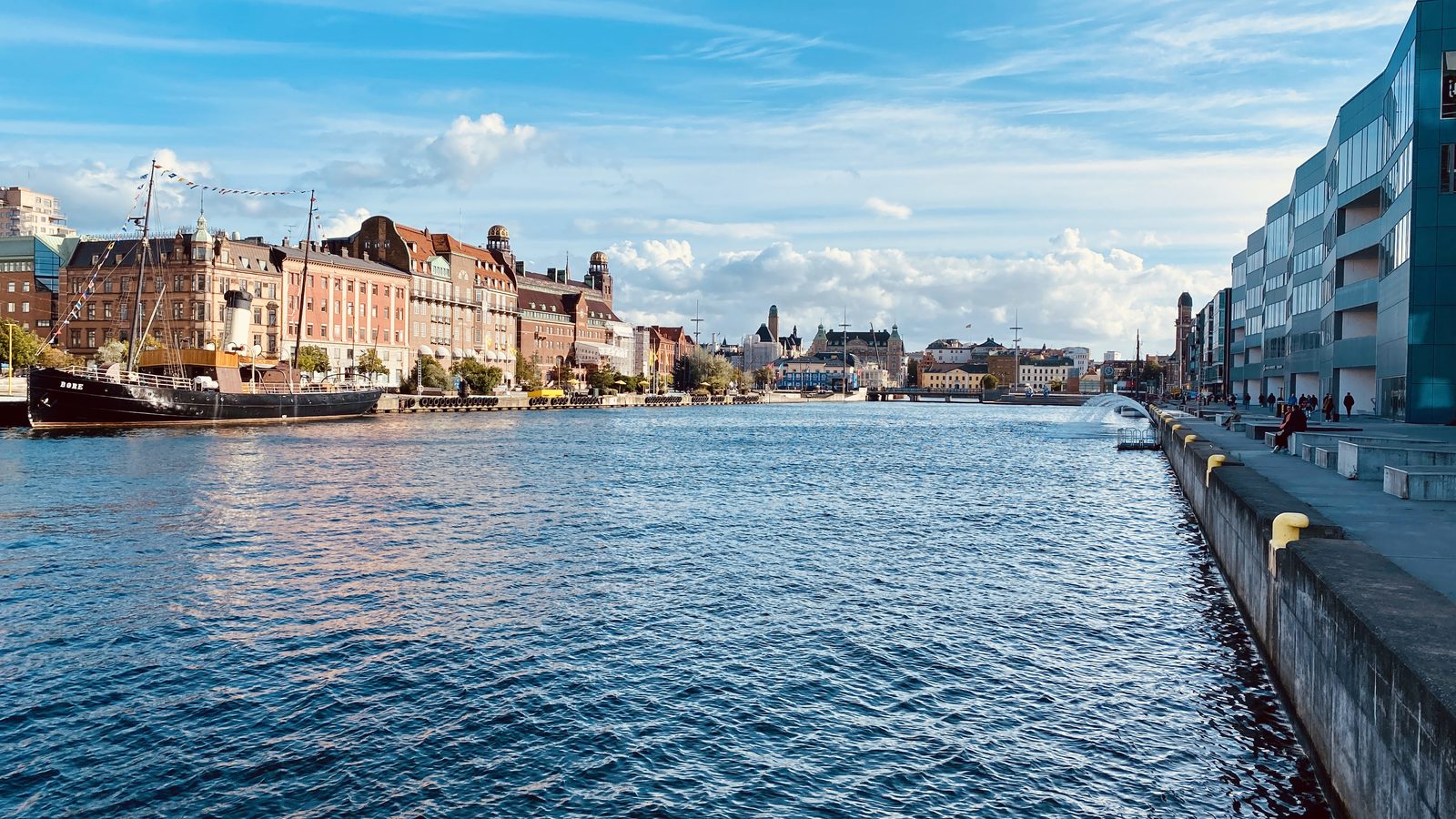
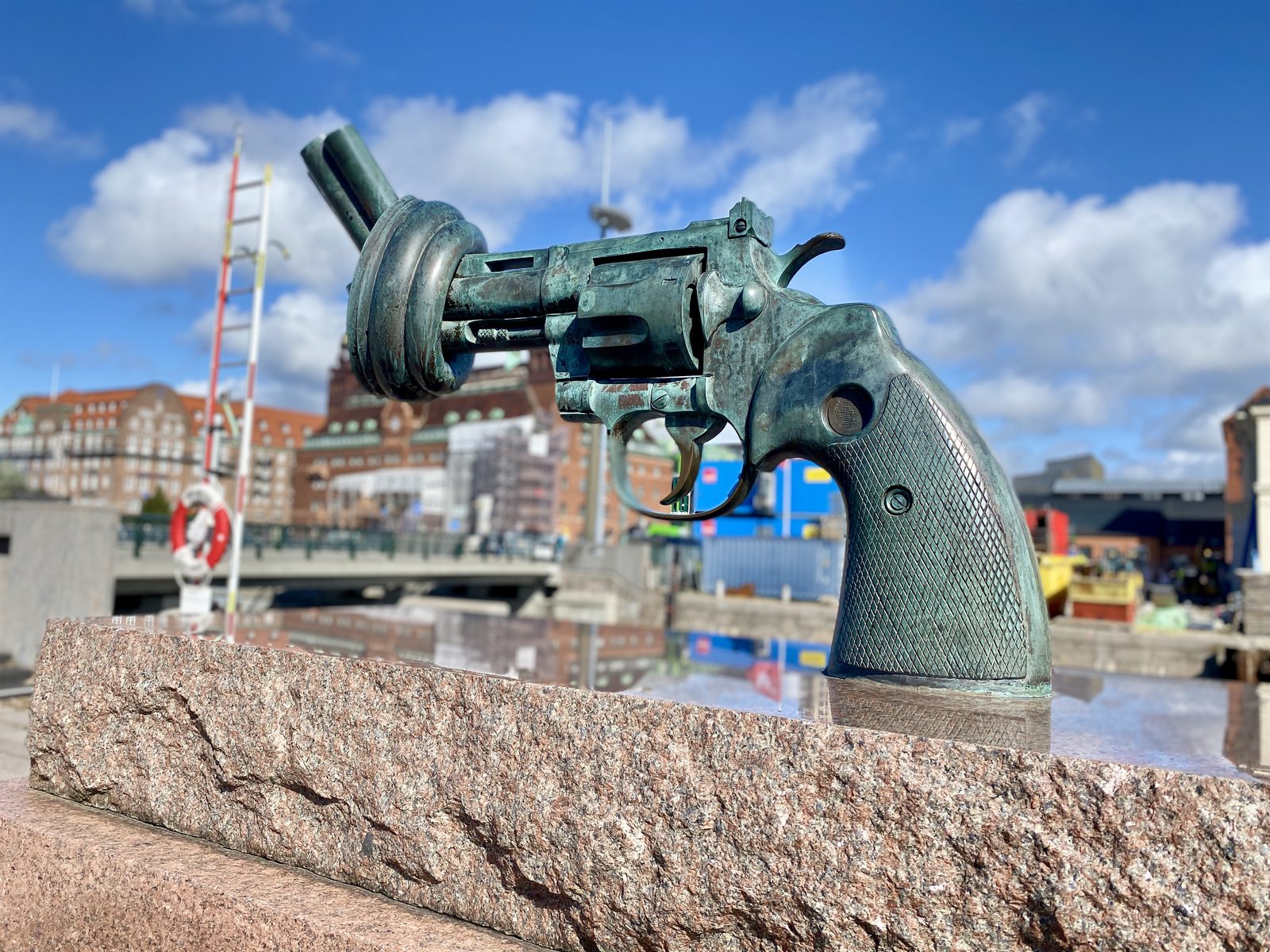
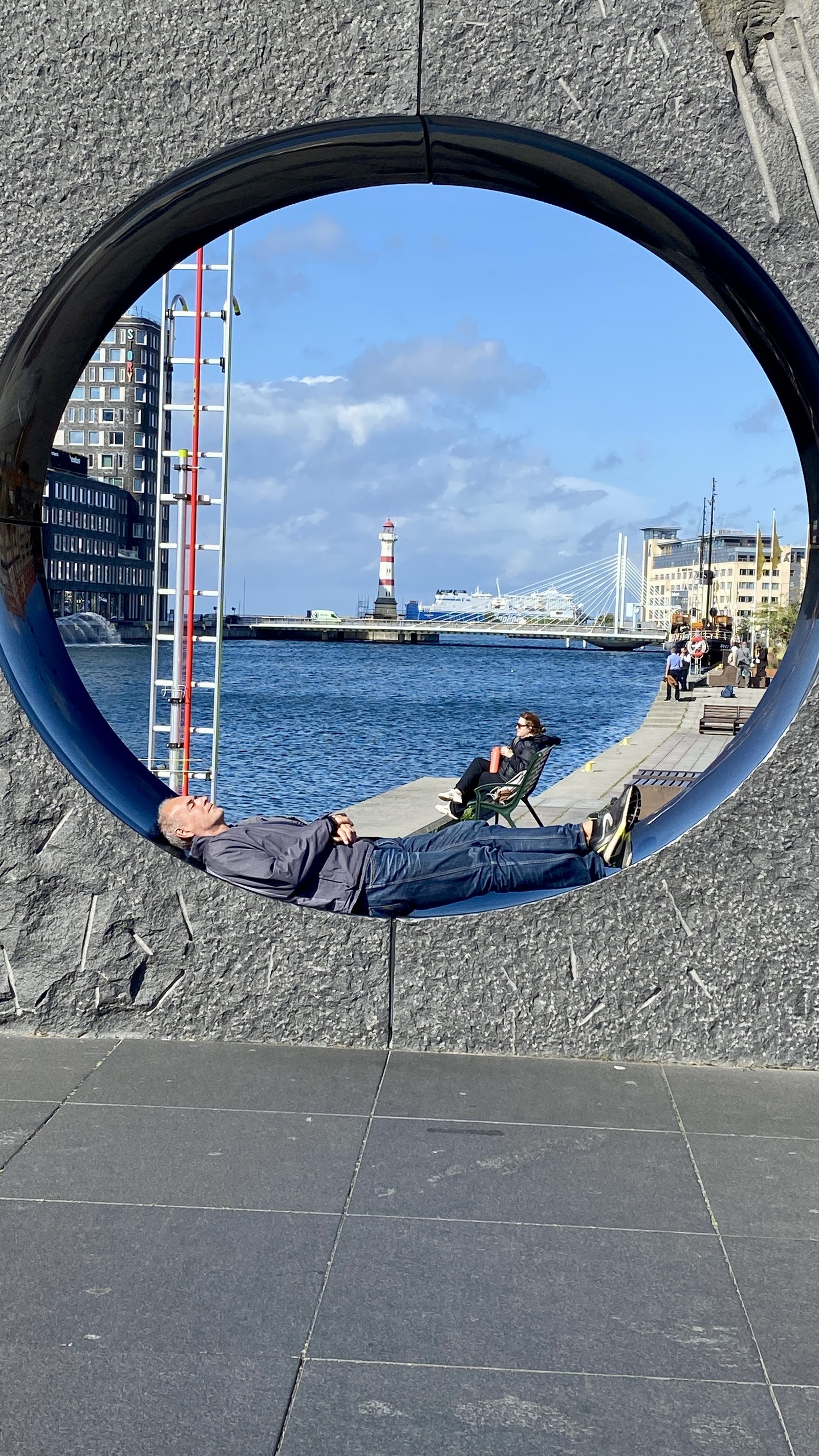
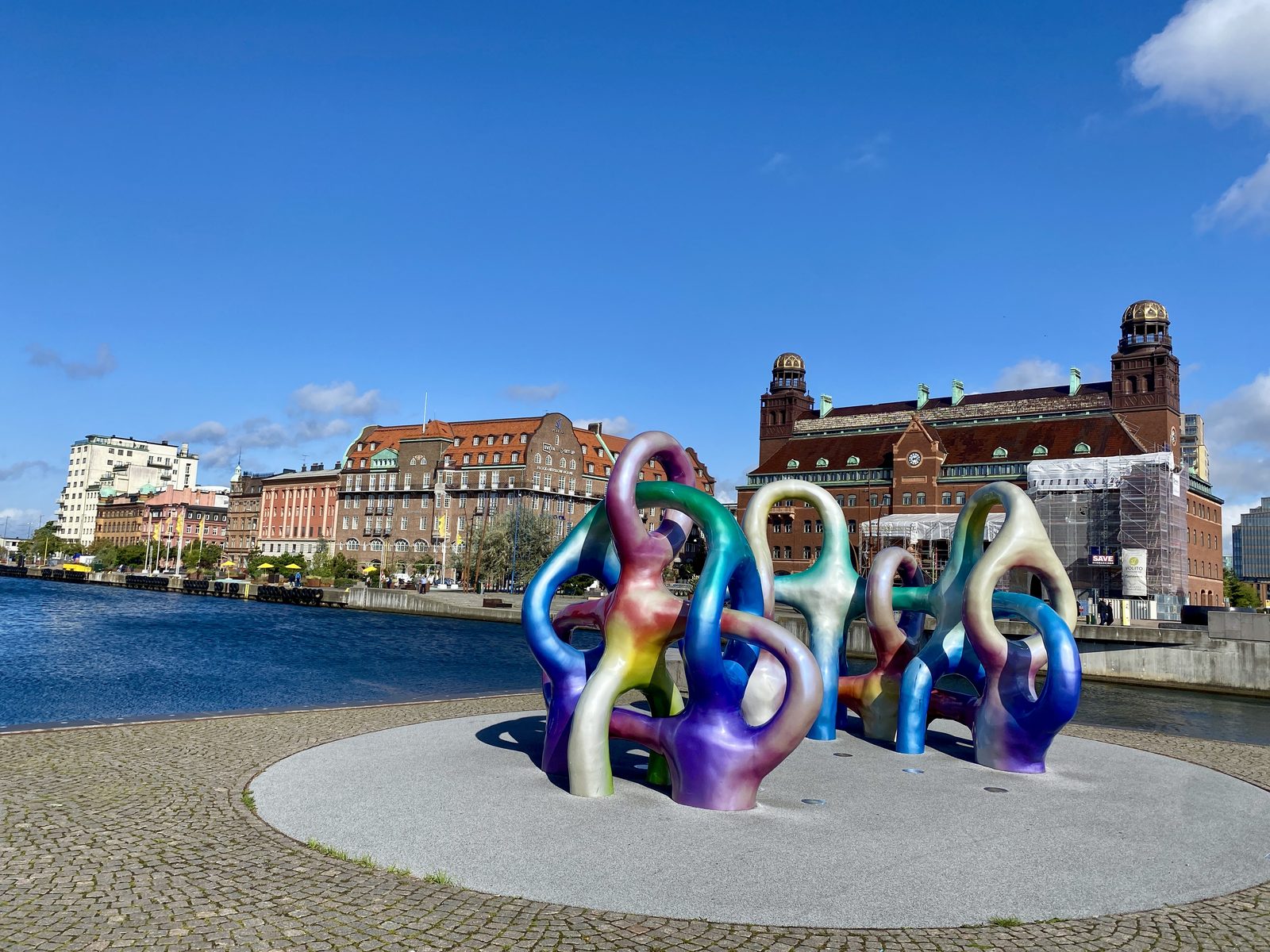
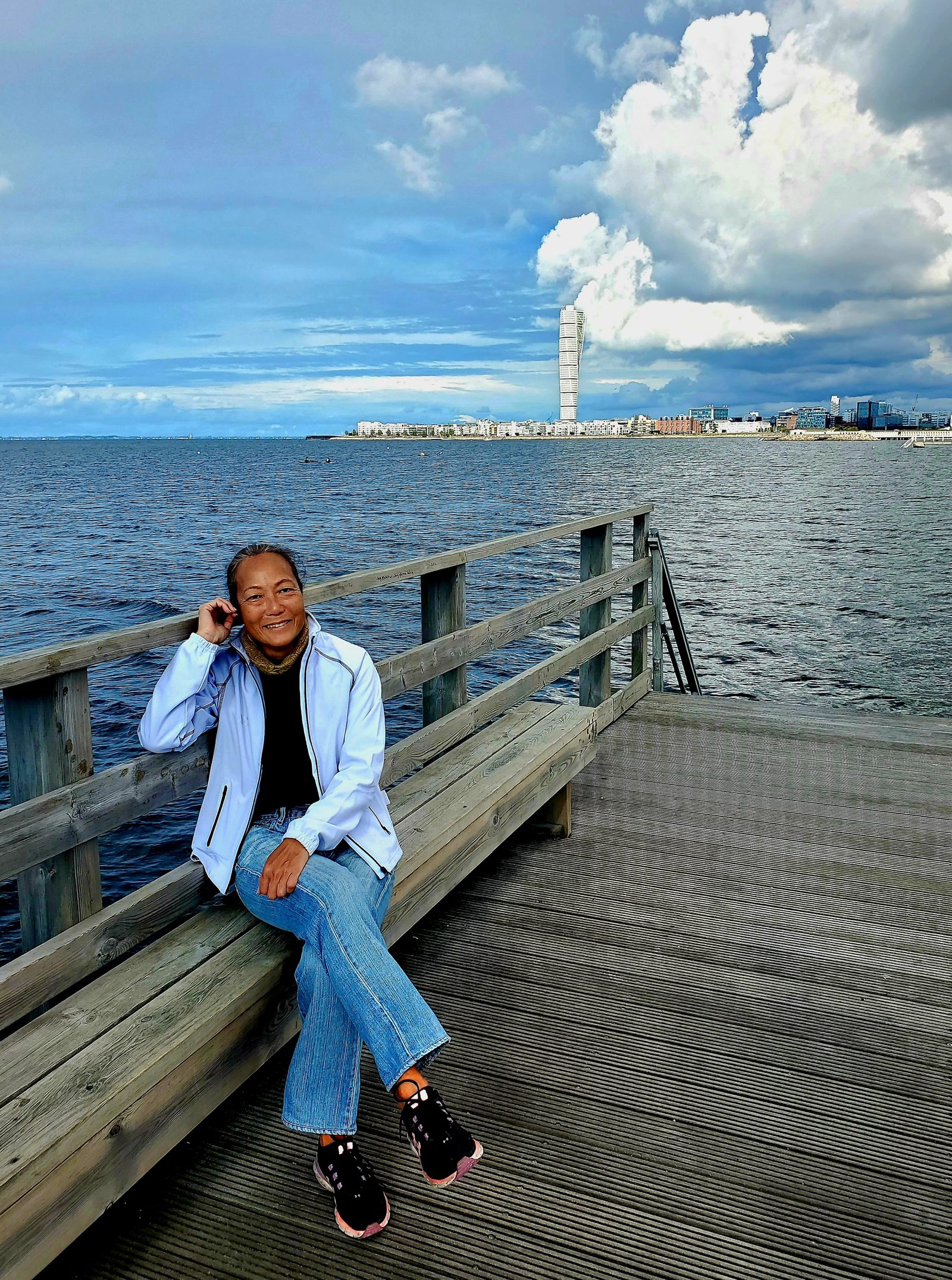
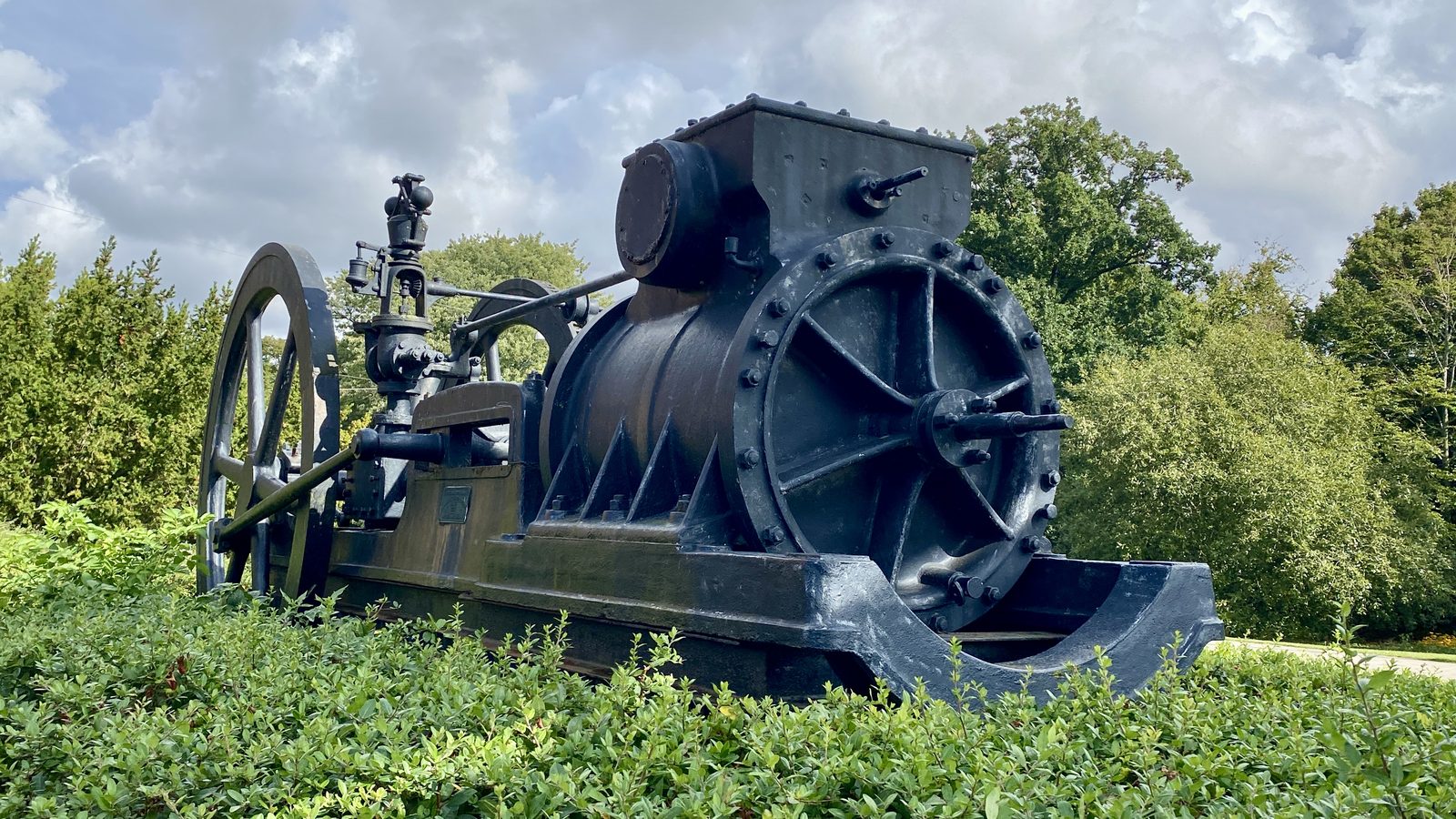
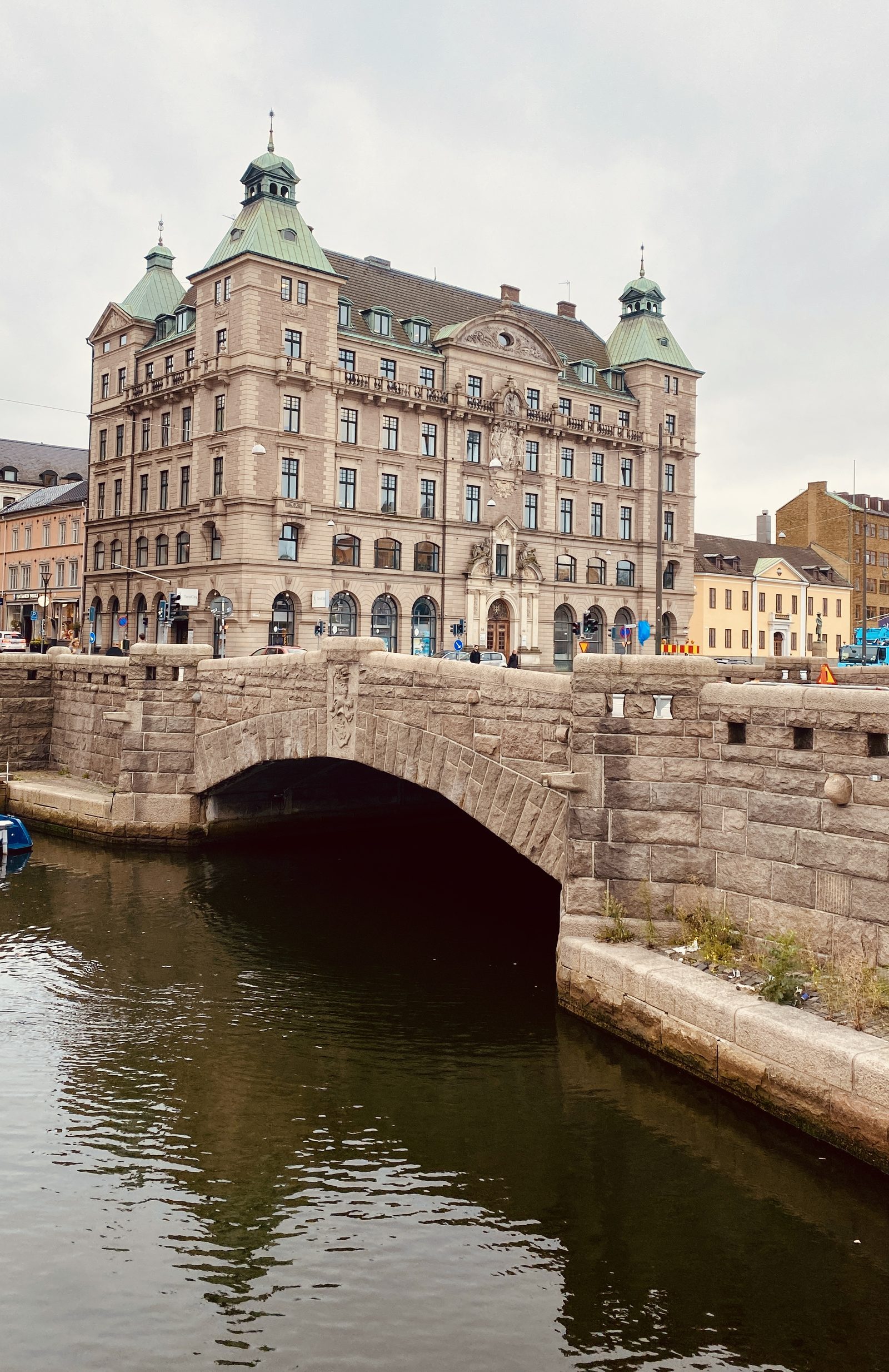
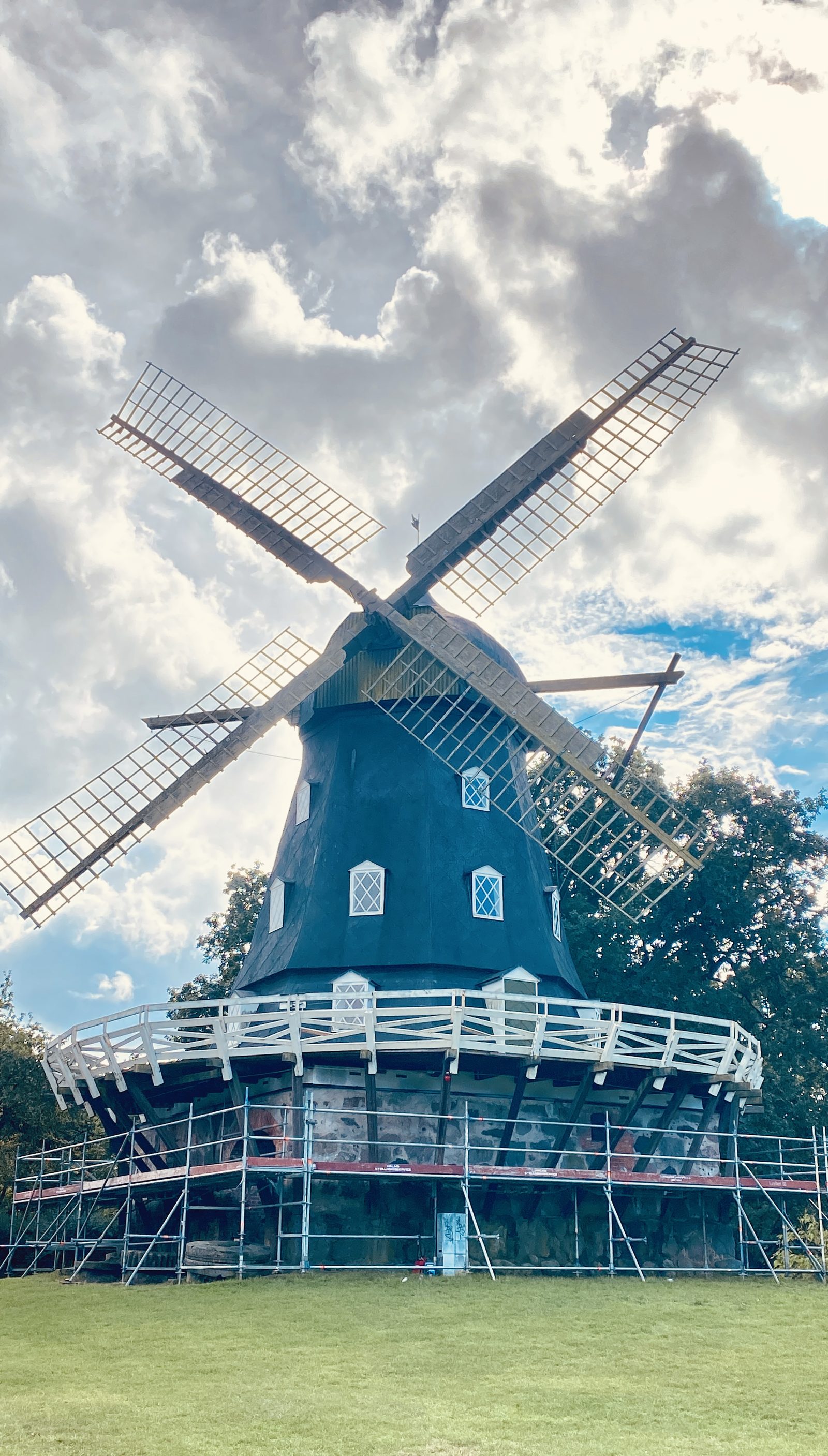
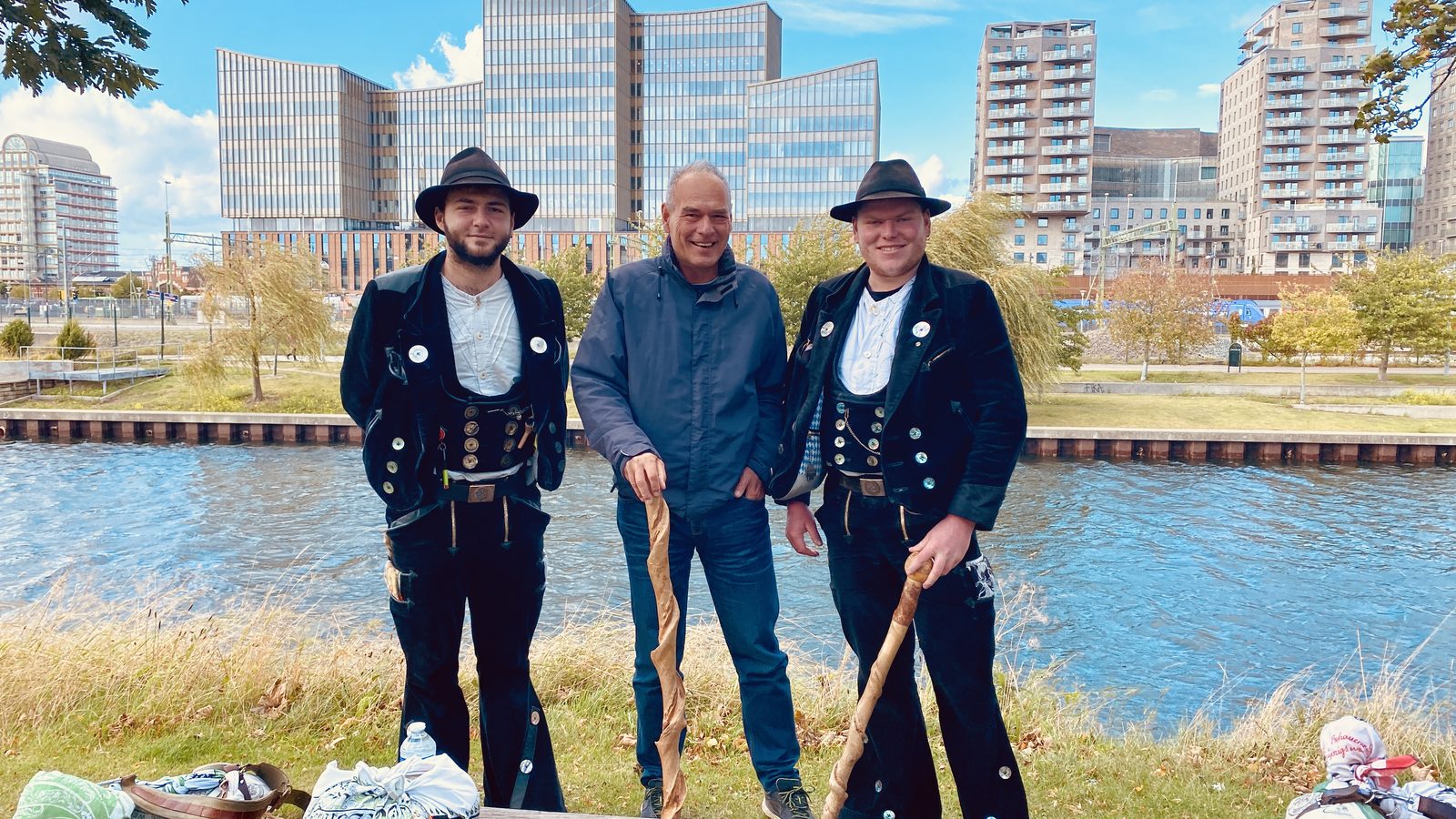
During Martin and Ivy’s geocaching mission, they had the unexpected pleasure of meeting two Wandergesellen — German journeyman craftsmen traditionally dressed in black corduroy attire with wide-brimmed hats. Friendly and approachable, they happily allowed us to take photographs and spent some time chatting with them, creating another memorable and uniquely cultural encounter. Experiences like these only deepened our appreciation for Sweden and firmly placed Malmö among our favourite destinations, a fitting and unforgettable final stop on the Swedish leg of our journey.
On September 16, we went to Malmö Central Station to pick up our friend Ronny, a Norwegian who lives in Sweden. Interestingly, he works in Norway, and when we told him about our adventure on Anna, he was thrilled to join for a few days. David kindly extended an invitation for Ronny to come aboard, adding yet another exciting and fun chapter to our Scandinavian journey.