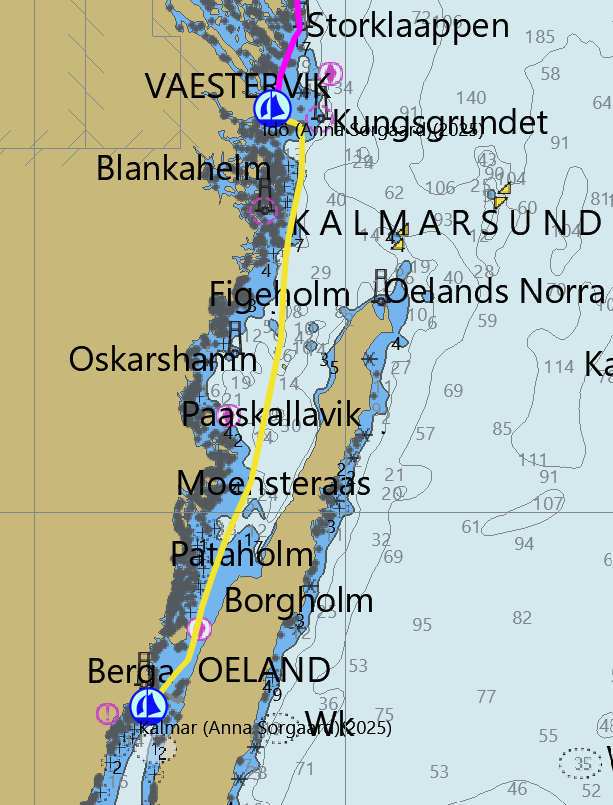
The departure from Idö at 6:30 am on Sep 9 unfolded in a thick, lingering mist, the kind that softens every outline and turns the world into a quiet, pale silhouette. Visibility was poor, just a few hundred meters at best, and the island’s forests and cottages faded quickly into a grey haze as Anna edged cautiously out of the harbour.
The water in the cove was completely glassy and still, but the shallow depth made the exit tense, too tense. Within minutes, Anna lightly scraped the bottom, a reminder of how tricky the rocky archipelago can be when the morning light is weak and the soundings deceptive.
For the first couple of hours, the fog clung persistently to the sea. From Idö to around Böskar, the world felt wrapped in silence, with only gentle ripples against the hull and the muted thrum of the engine breaking through the stillness. Winds were almost nonexistent, 2–4 knots, and the sea state remained smooth, giving a calm but eerie start to the passage.
Around 9:15 am, the first hints of sunlight finally began to break through the mist. Pale golden beams spilled onto the water, slowly warming the air and improving visibility. As the fog lifted, a light southwesterly breeze settled in, rising to 7–10 knots, and the sea opened into broader stretches with a low 0.3–0.5 m ripple, gentle, easy cruising conditions.
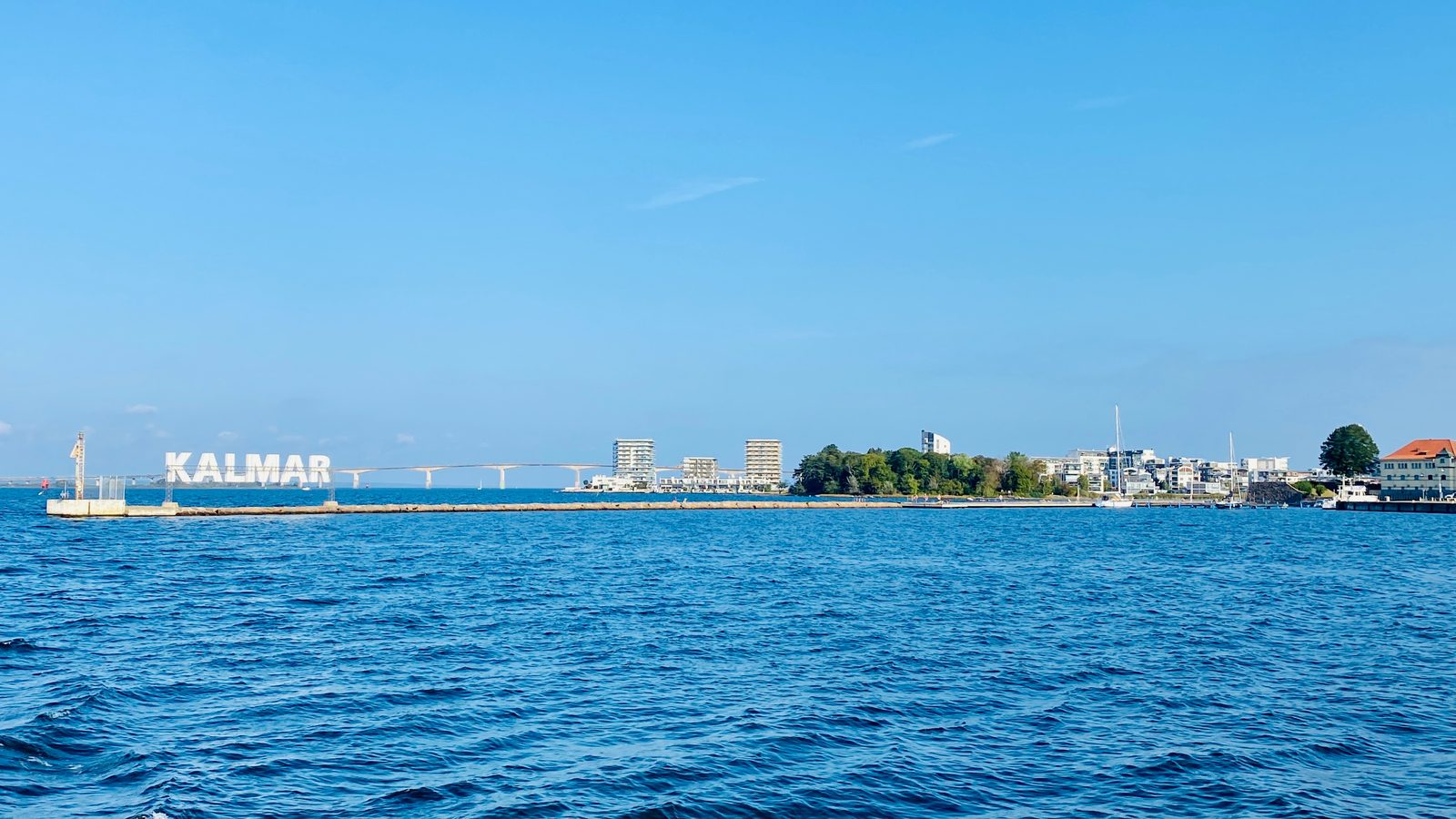
Through midday and early afternoon, the weather stabilized into a classic Swedish late-summer day: cool air, soft sun, and wide open visibility across the Kalmar Strait. The coastline gradually shifted from the rugged archipelago to flatter, more open landscapes as Anna made steady progress southward.
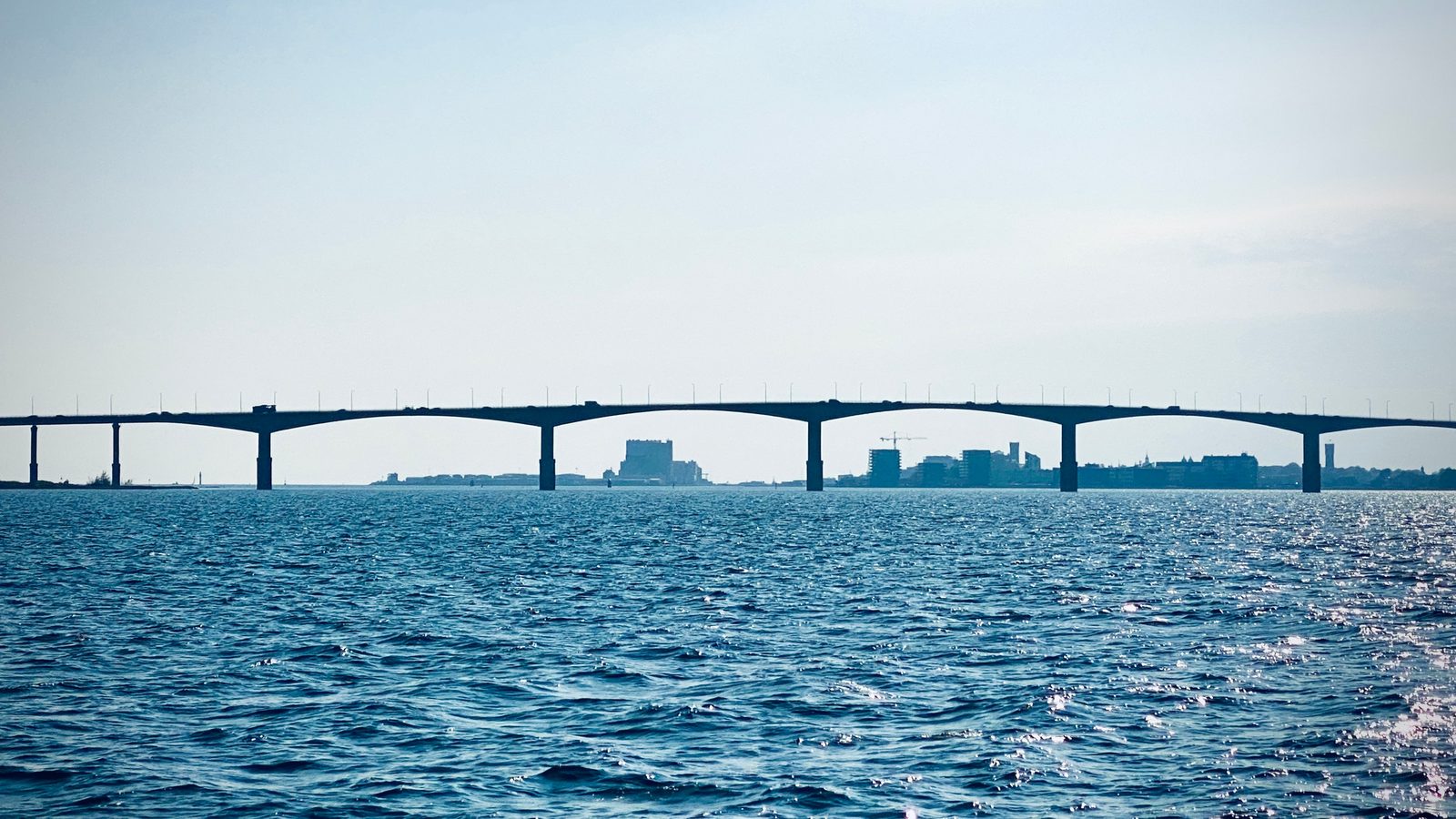
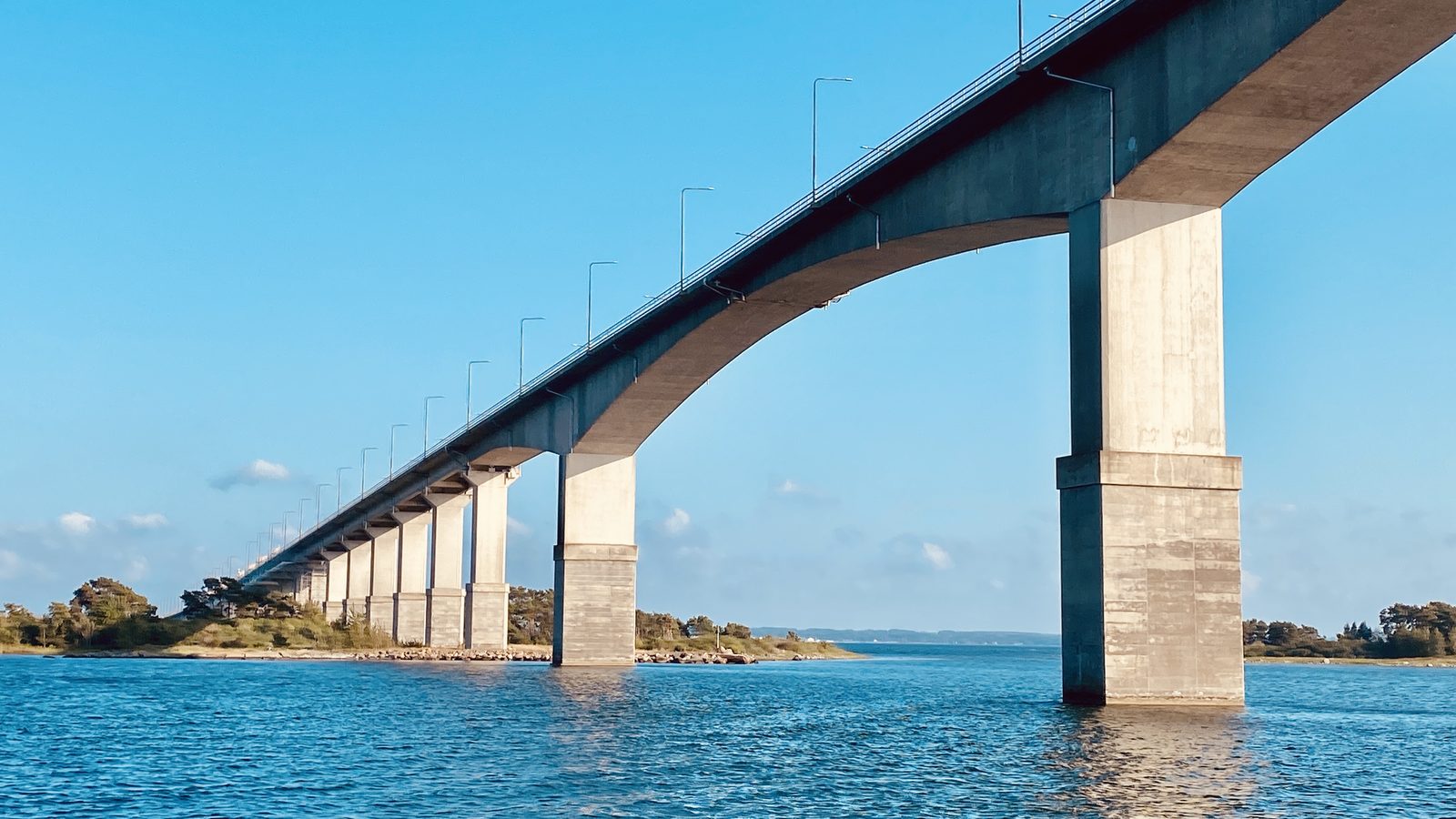
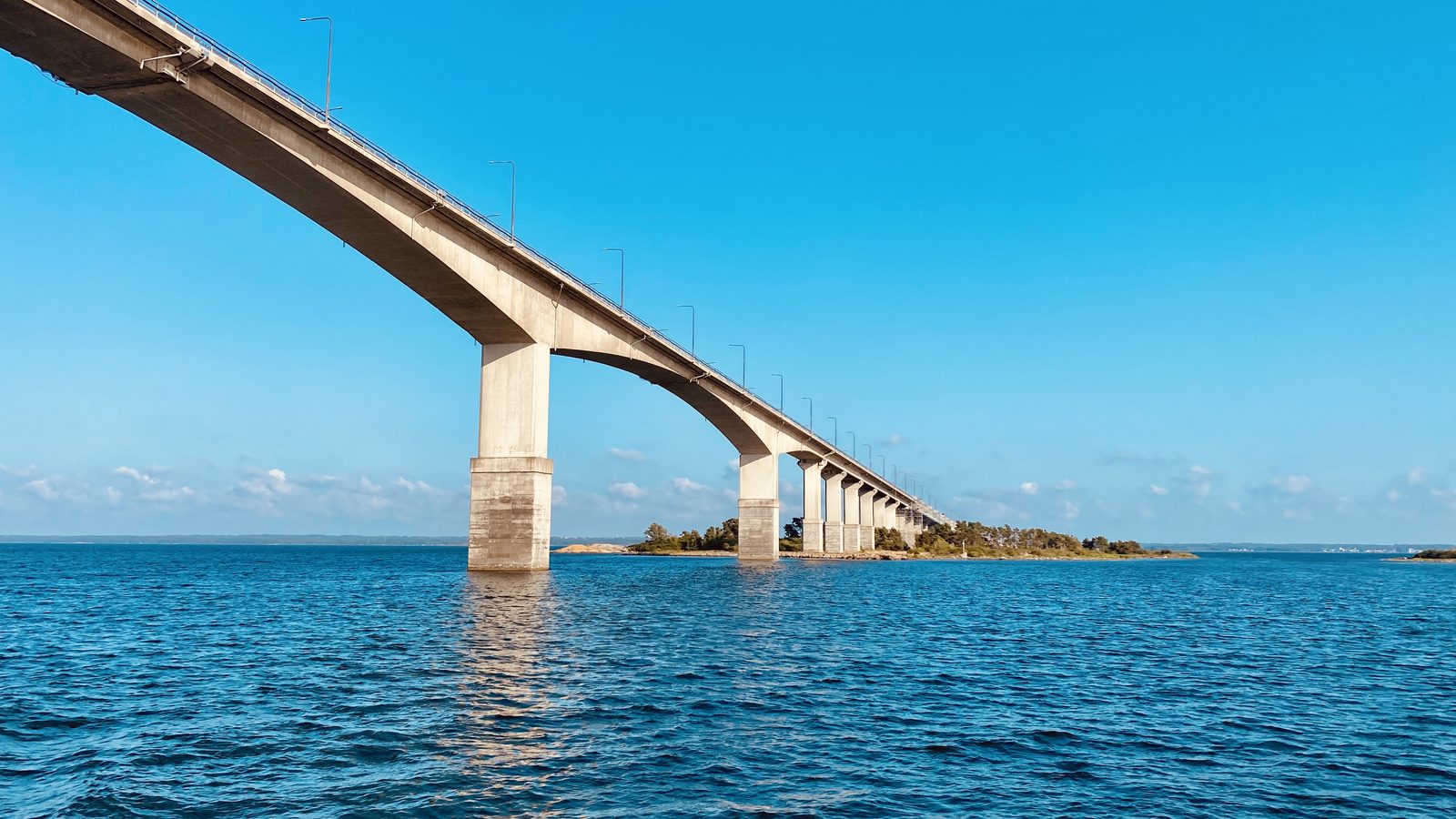
The Kalmar Strait (Kalmarsund) is a wide, calm waterway separating mainland Sweden from the island of Öland. With its open horizons, gentle seas, and mix of rocky shores, sandy stretches, and reed-lined bays, the strait feels both peaceful and expansive. Its defining feature is the Öland Bridge, a graceful 6-km sweep of concrete that links Kalmar to Färjestaden. Seen from the water, the bridge appears almost weightless, its pillars standing in perfect rhythm across the strait. Passing beneath its 36-meter central span gives sailors a striking sense of space and scale.
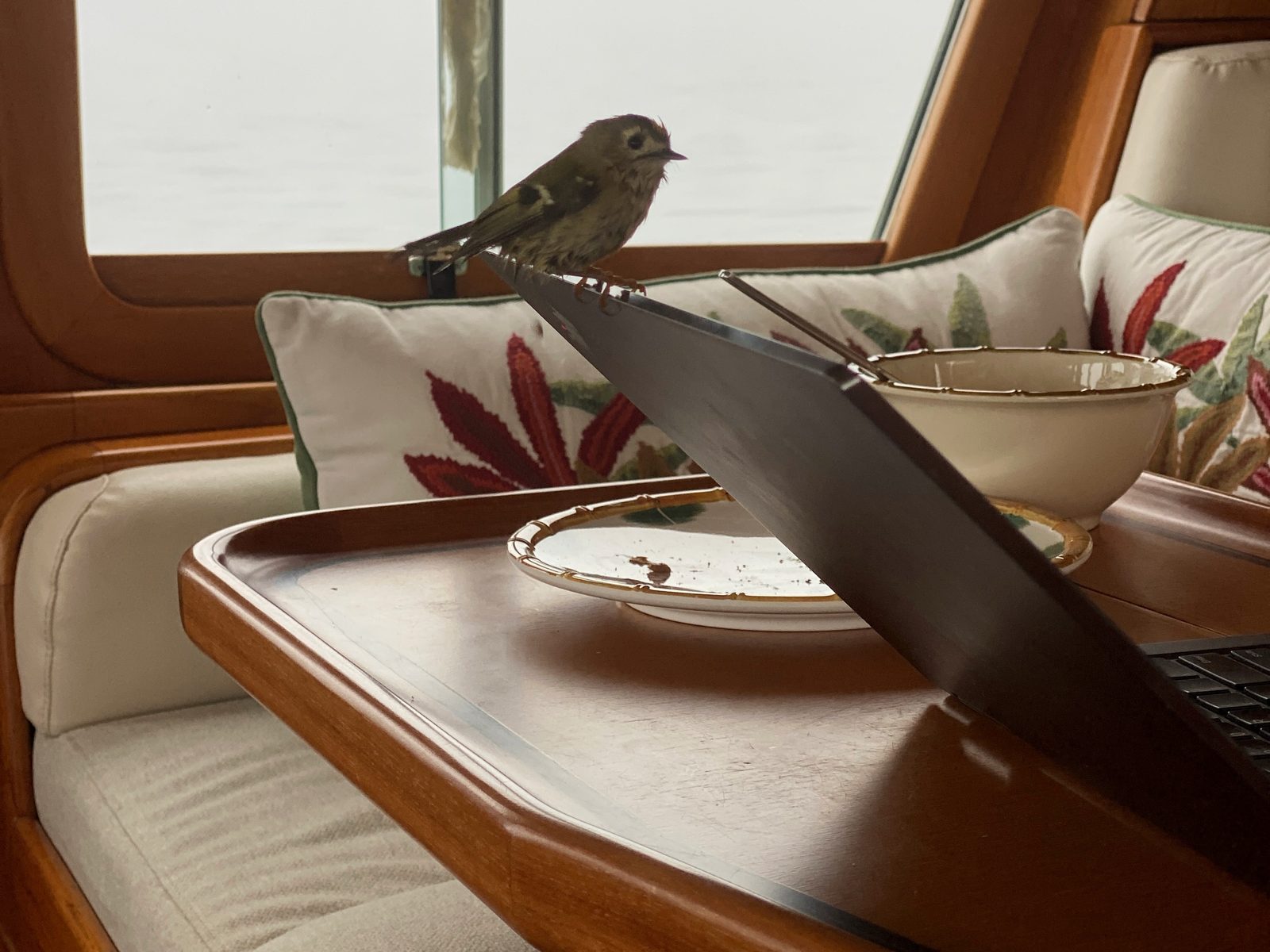
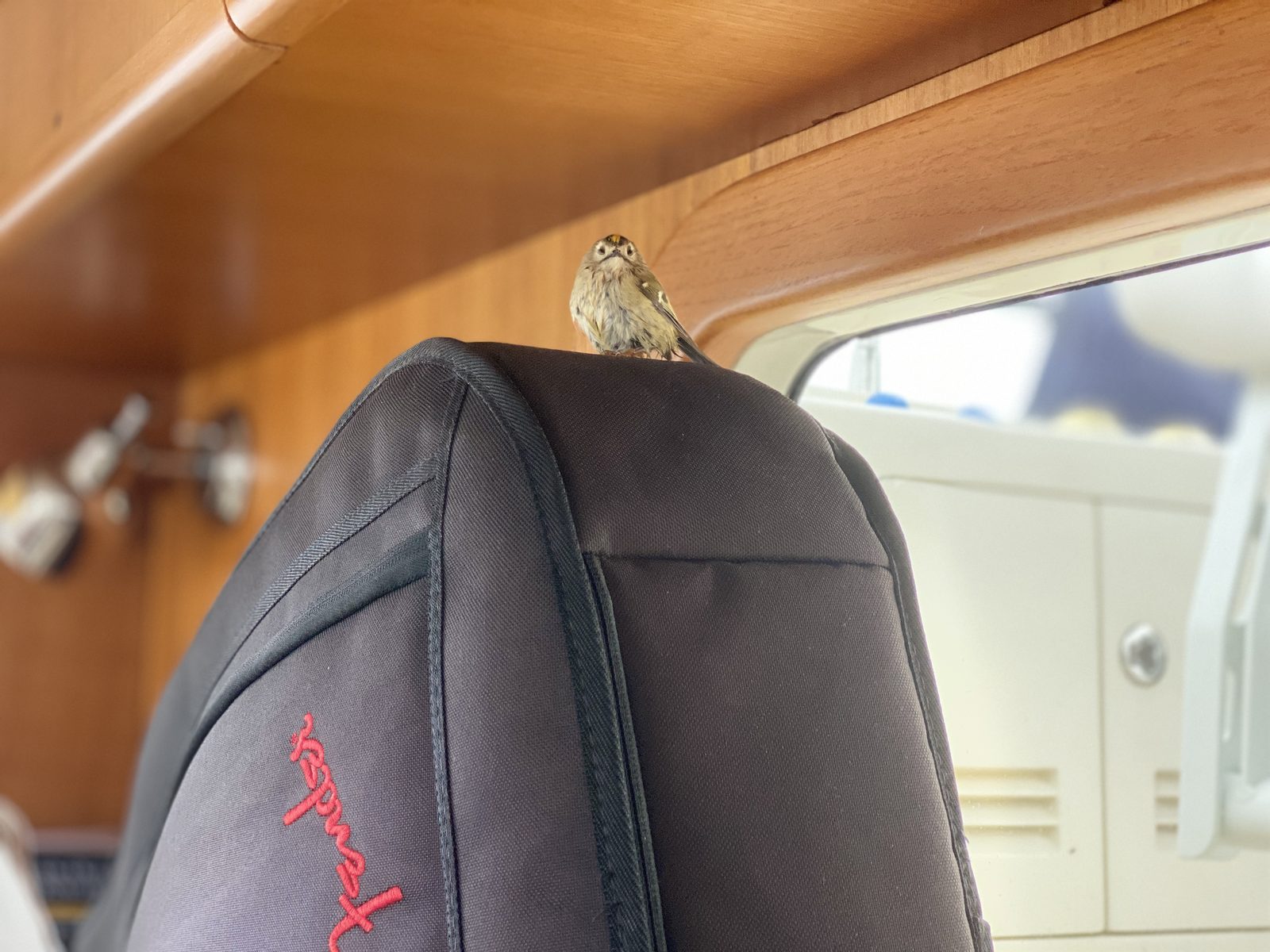
On our way from Idö to Kalmar, we noticed a little Goldcrest quietly sitting behind us in the pilot room where Martin and Ivy were on watch. Calm and curious, the tiny bird observed us peacefully, occasionally fluttering from the port side of the boat to the starboard side before settling down again. The Goldcrest is recognised as the smallest bird in Europe, measuring only about 9 cm in length and weighing a mere 5–6 grams. Despite its size, its presence brought a special charm to the journey, and we had the privilege of its quiet company for nearly two to three hours.
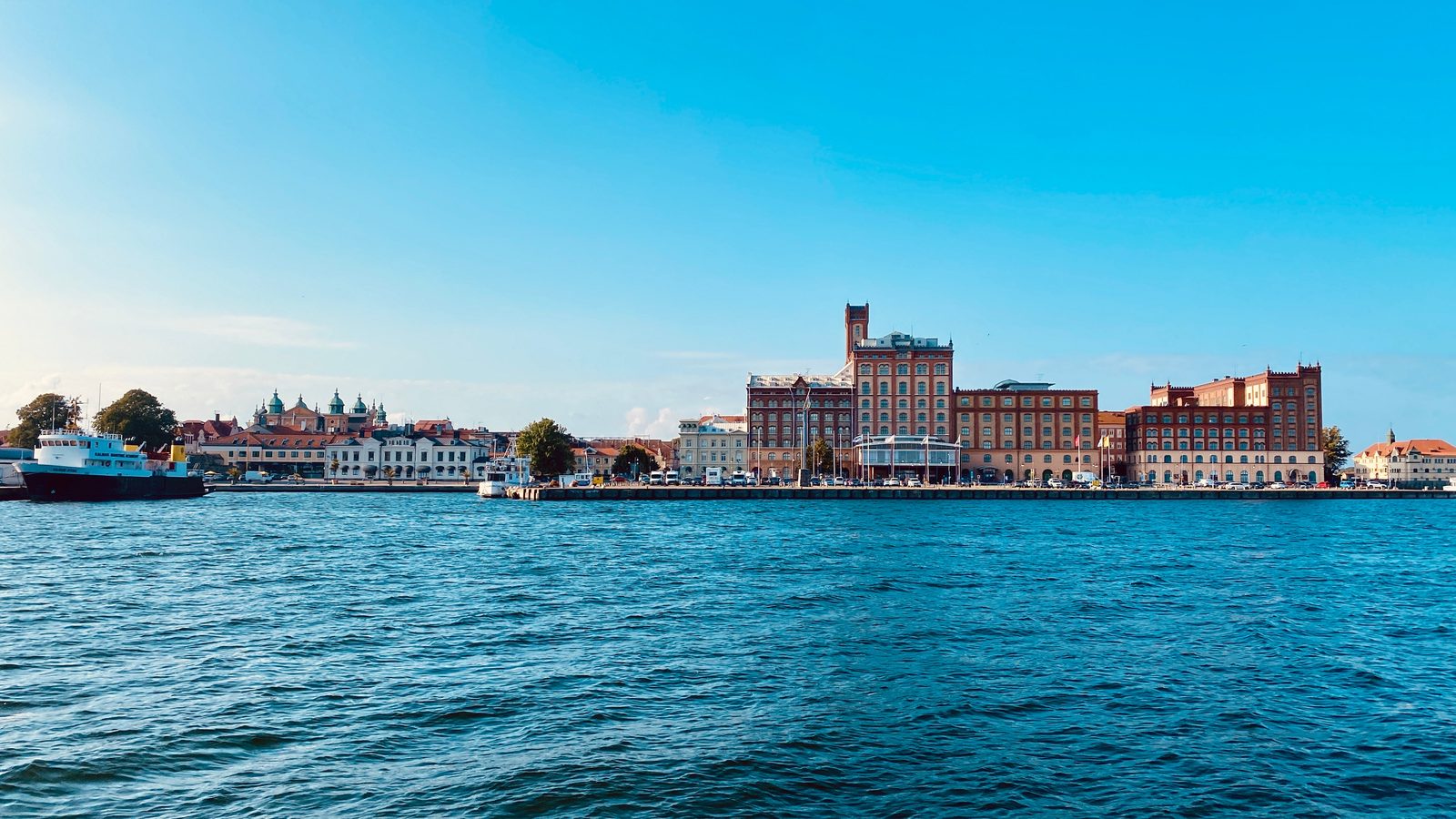
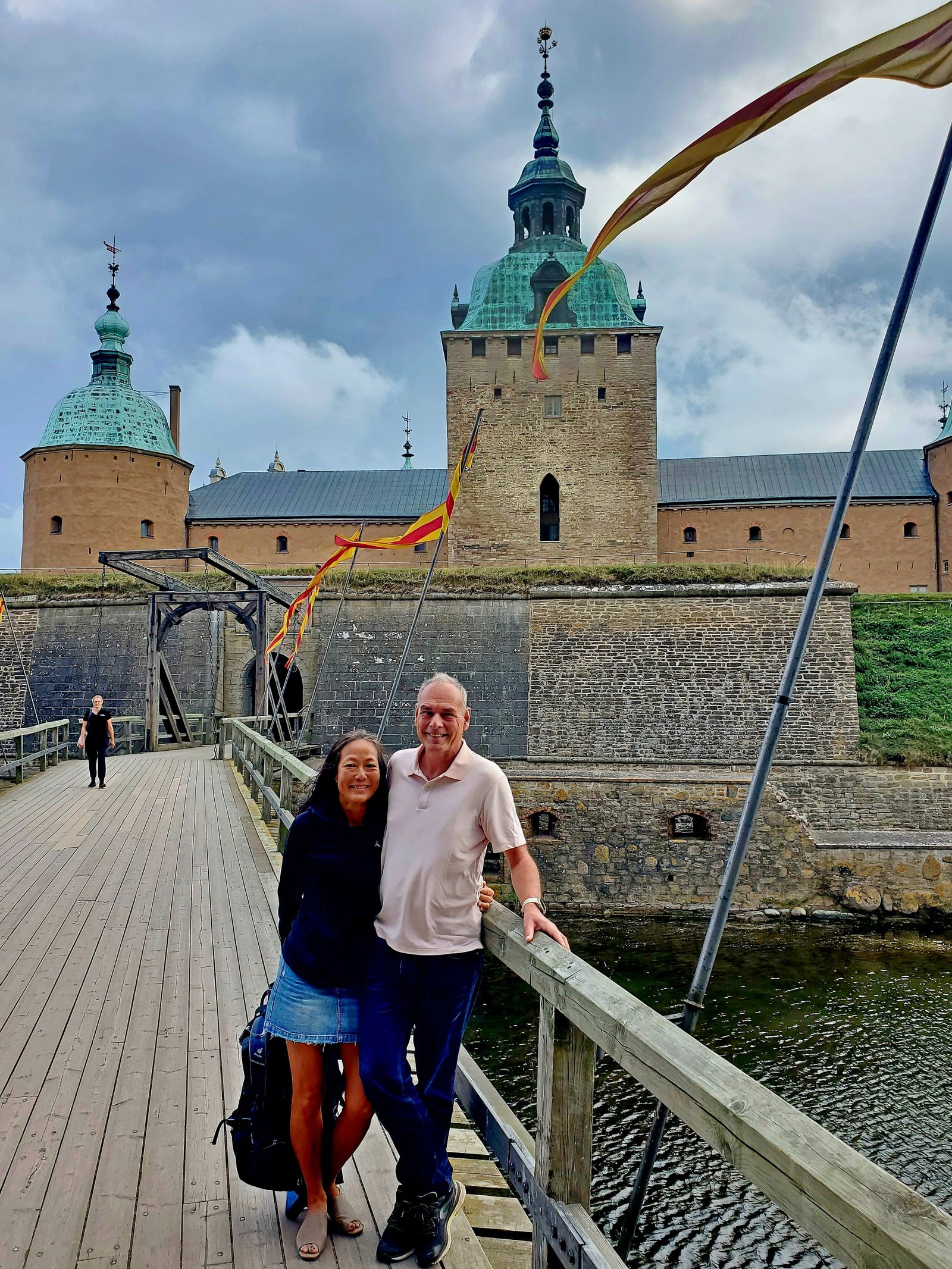
Approaching Kalmar, the view becomes truly iconic, Kalmar Castle rising on one side, the long arc of the Öland Bridge ahead, and Öland’s low coastline stretching across the horizon. A light 10–12-knot breeze greeted the final approach, but the sea stayed gentle, with only small wavelets and no swell. It made for a calm, relaxed entry into one of the most photogenic passages on Sweden’s east coast.
At 4:45 pm, Anna entered Kalmar Gästhamn Marina (📍 56.65971° N, 16.36135° E)under calm, bright conditions, sliding into the well-sheltered marina without a ripple. What began as a fogbound and cautious departure ended as a warm, sunlit arrival, a full day’s passage marked by shifting weather, atmospheric contrasts, and the gentle rhythm of the Baltic Sea.
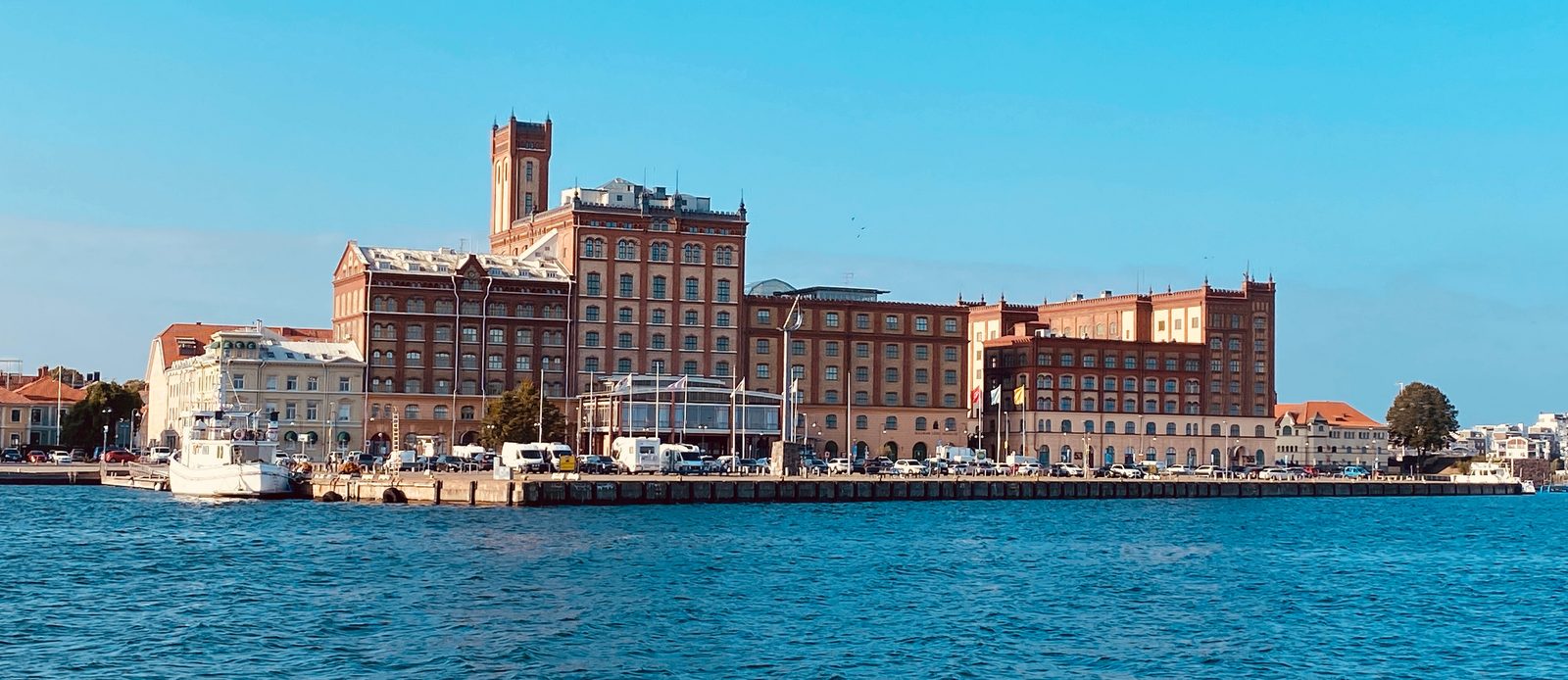
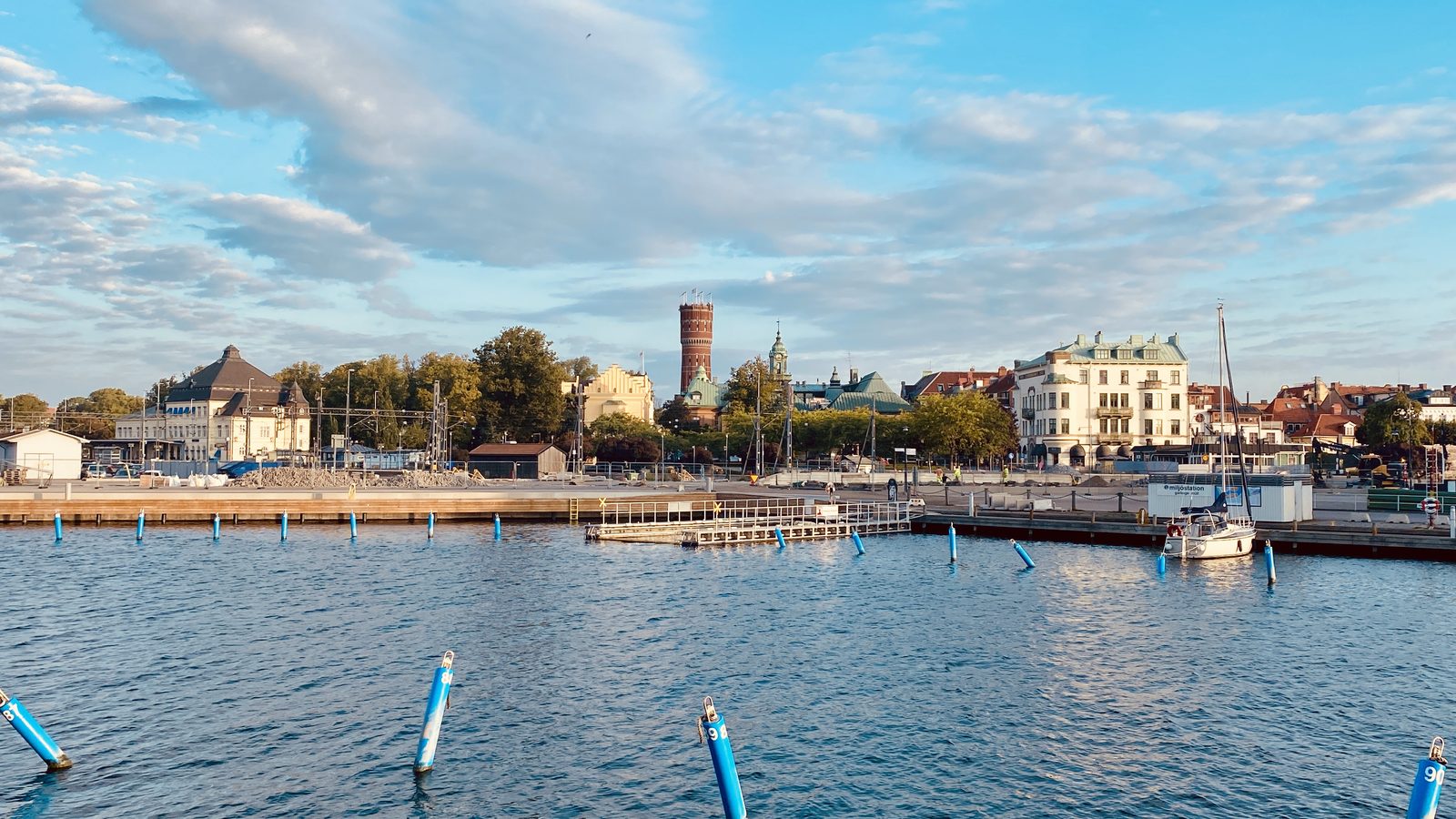
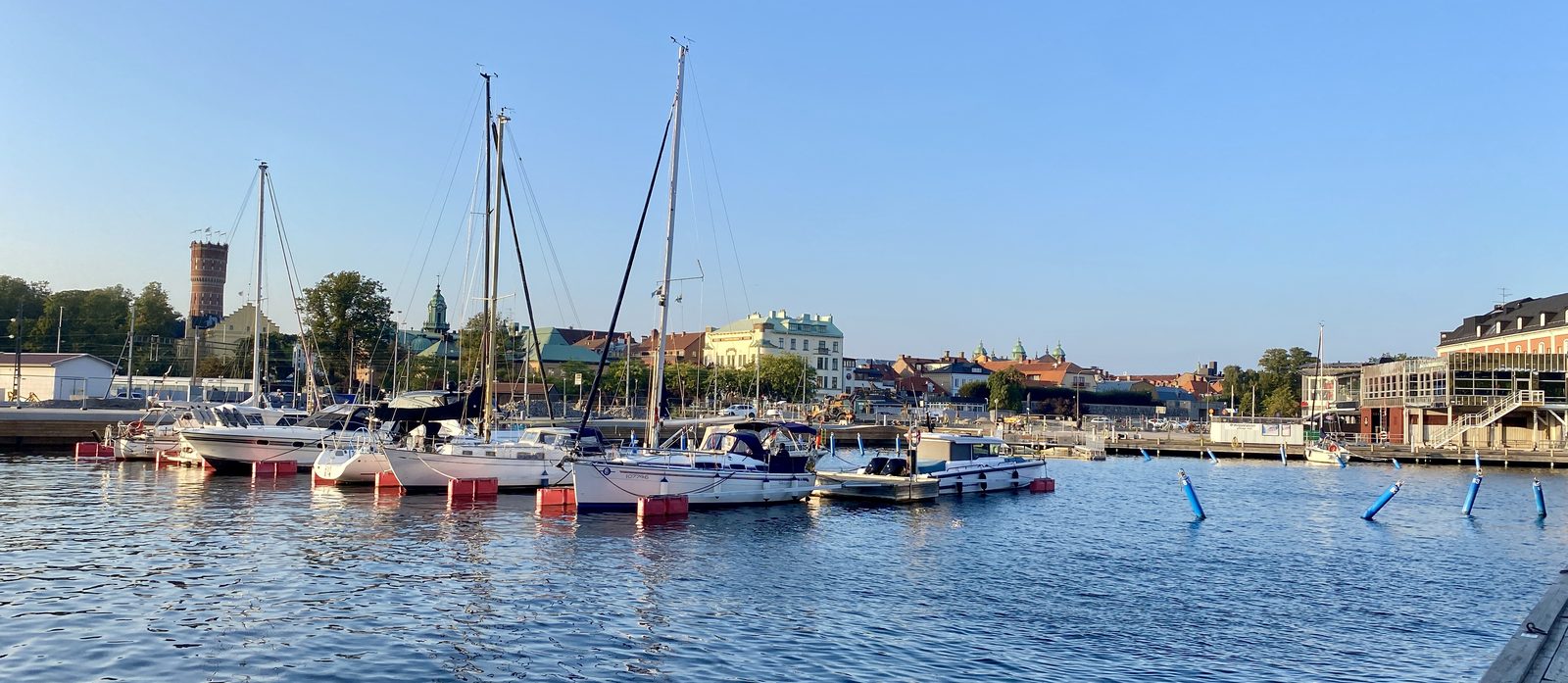
Kalmar Gästhamn is a spacious, well-run marina located right in the heart of Kalmar, offering around 150 berths with depths from 2–4.5 m. It provides all essential facilities such as showers, toilets, sauna, laundry, Wi-Fi, electricity, freshwater, pump-out, and access to a nearby fuel dock. Mooring is on buoys, Y-booms, or alongside the quay, and a hull boatwash service is also available.
Its central location on Ölandskajen puts you within a short walk of Kalmar Castle, shops, cafés, and the historic old town. The marina combines city convenience with a calm, pleasant atmosphere, making it an excellent stop for cruisers exploring Sweden’s southeast coast.
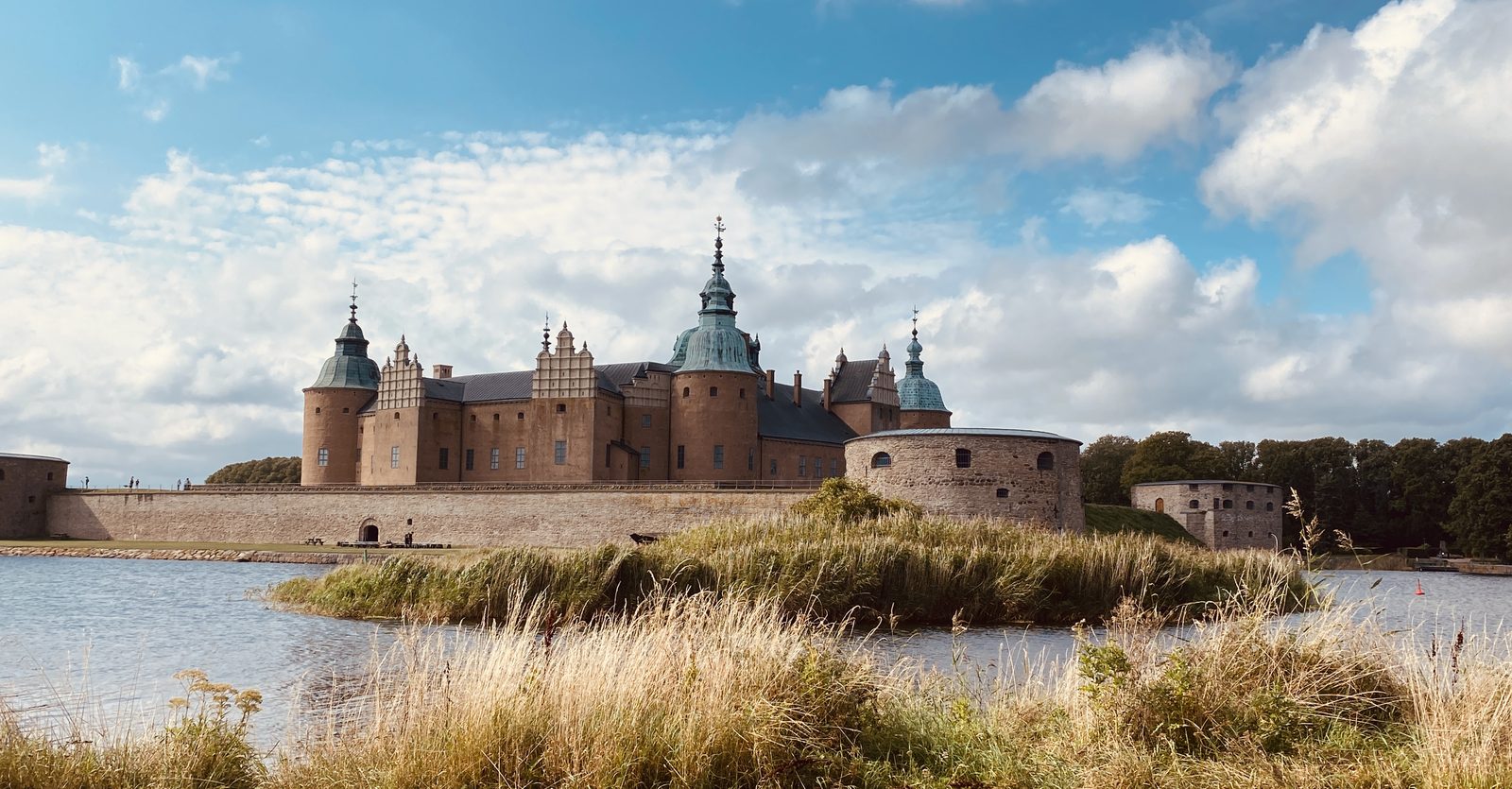
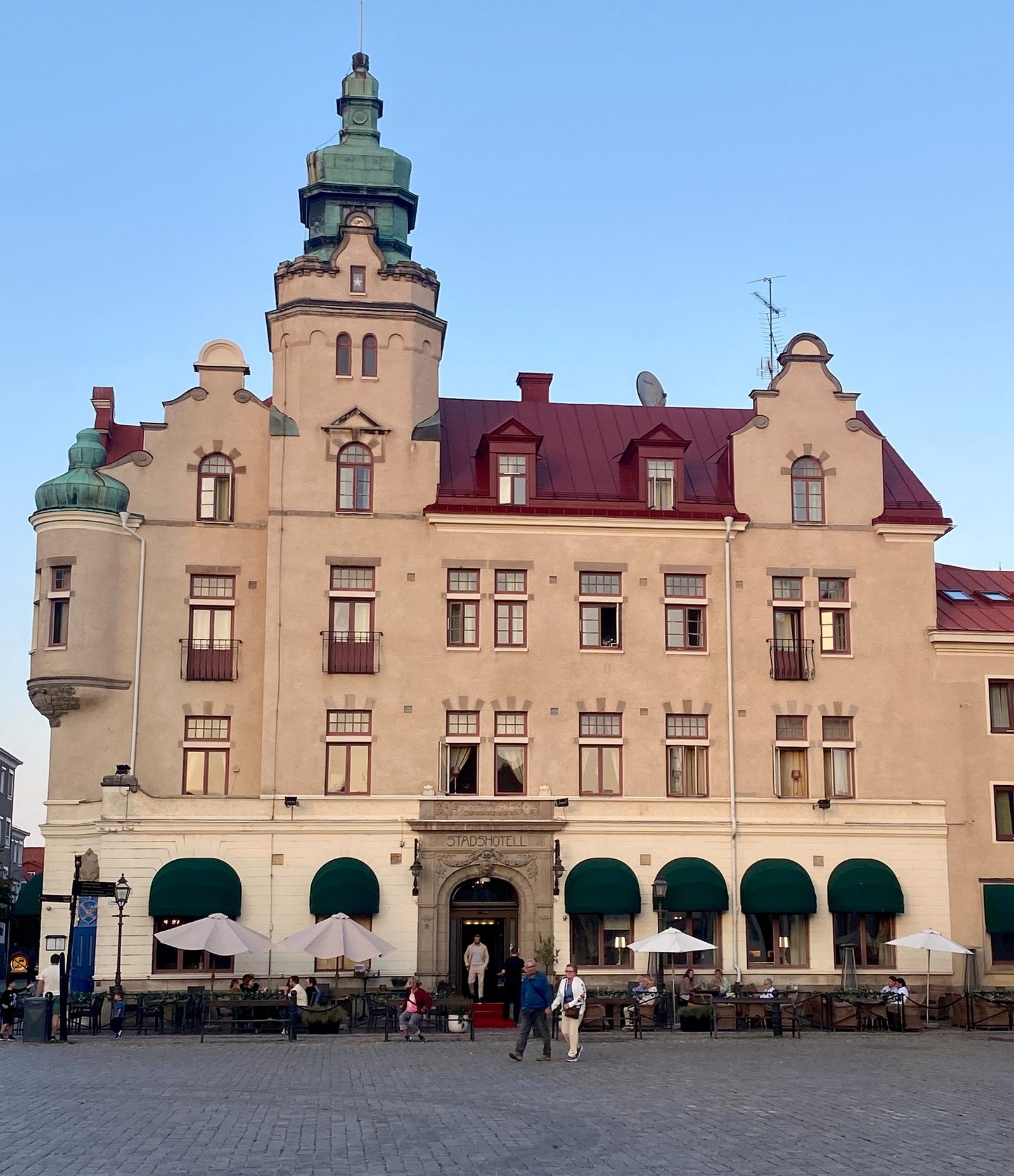
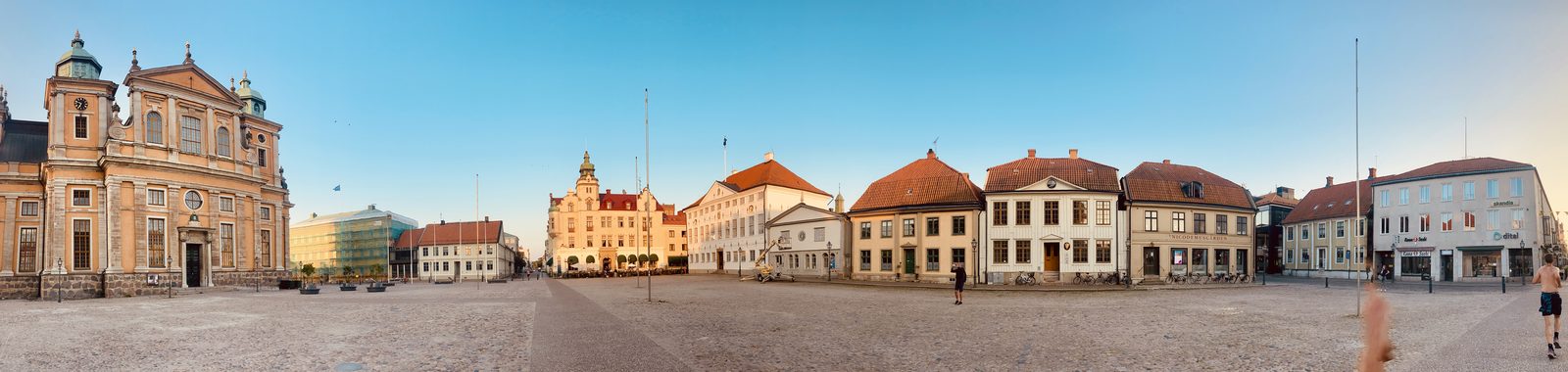
Kalmar offers a wonderful mix of maritime charm and historic beauty, perfect for sailors exploring the city. Its highlights include the majestic Kalmar Castle, the cozy streets of Gamla Stan, the grand Kalmar Cathedral, and the impressive Öland Bridge stretching across the strait. Visitors can enjoy maritime history at the Kalmar County Museum, relax at Kattrumpan Beach, stroll the old city walls, and wander through the peaceful Stadsparken. Altogether, Kalmar blends scenic waterfront views with rich cultural landmarks, making it a standout stop along Sweden’s east coast.
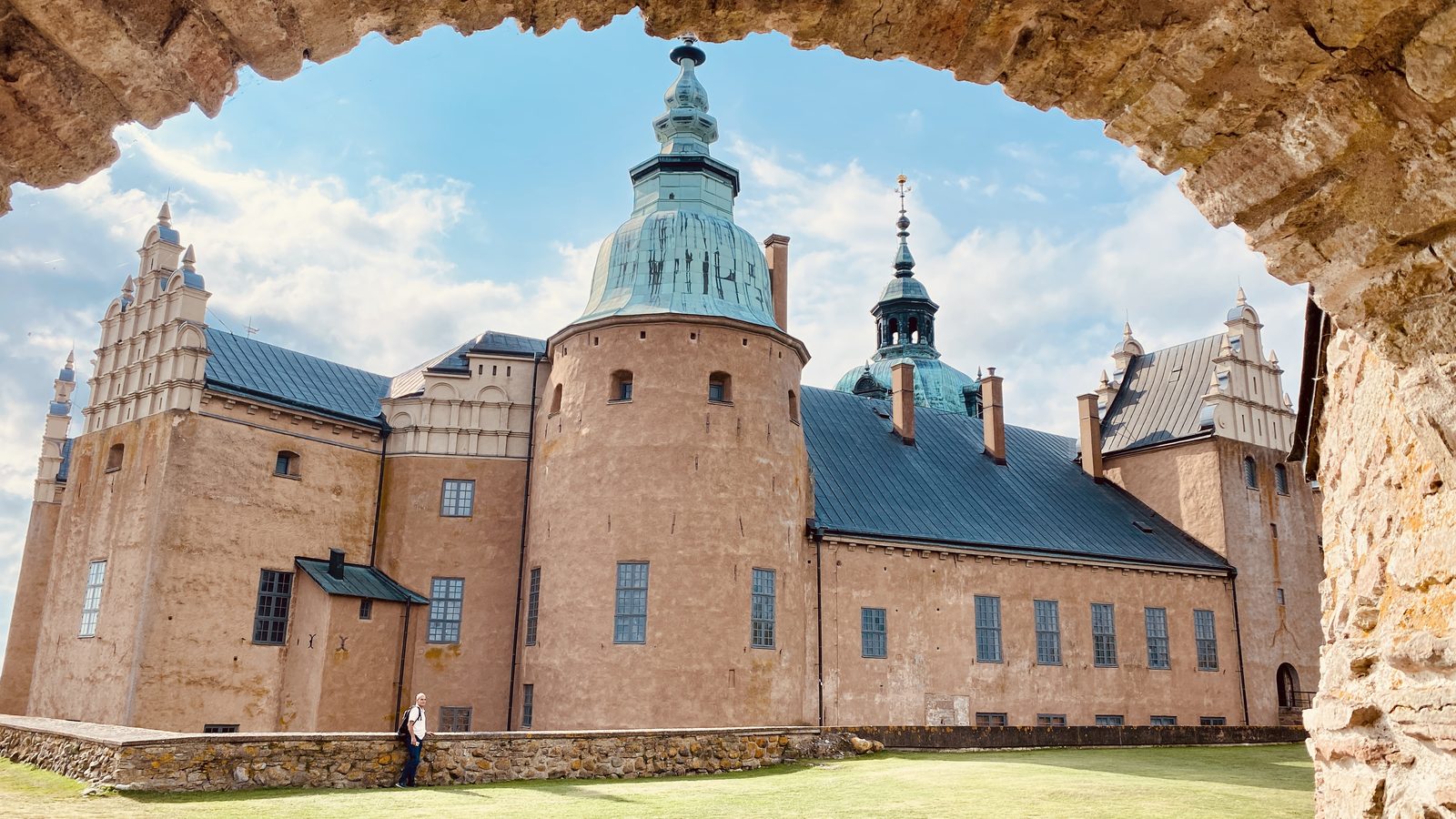
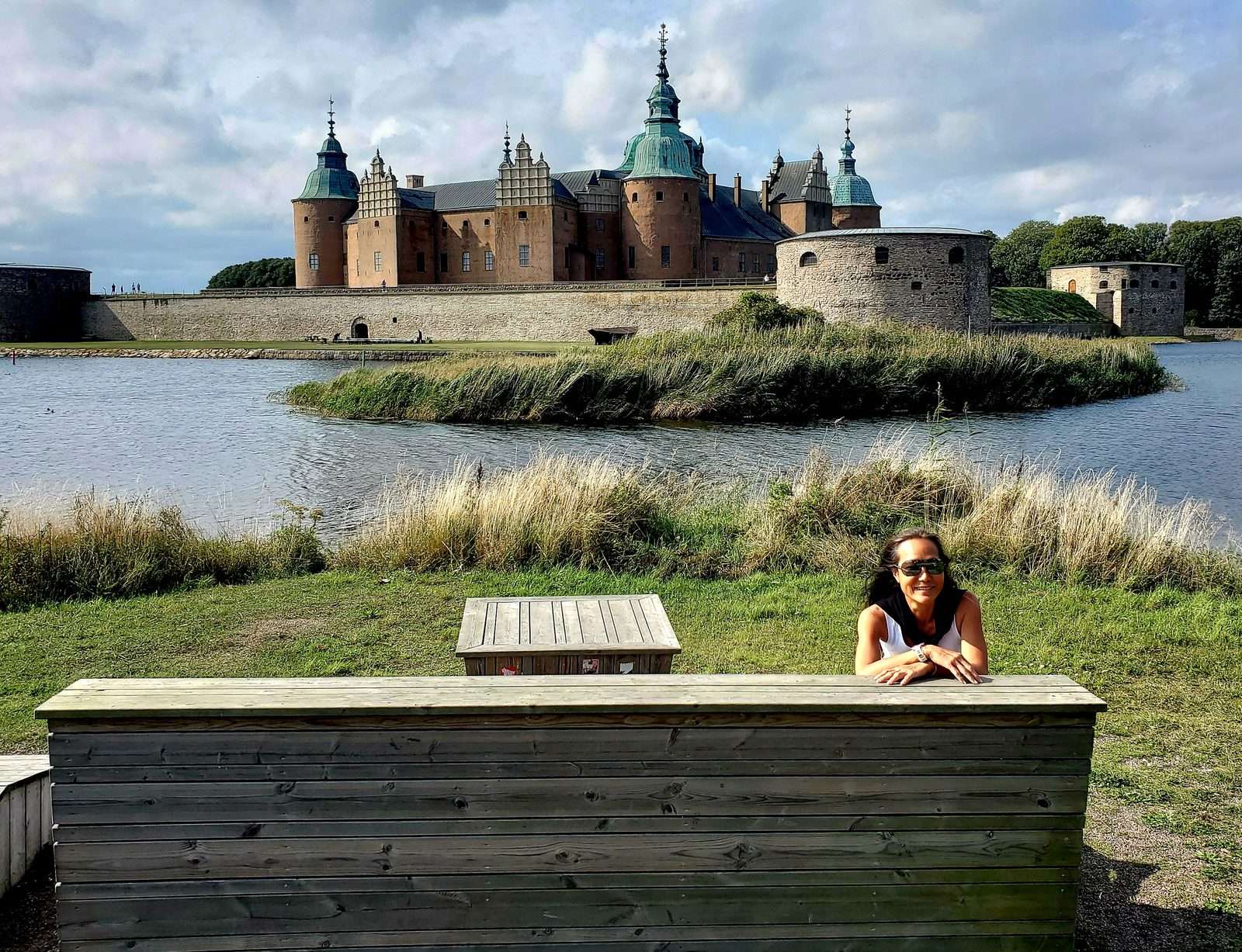
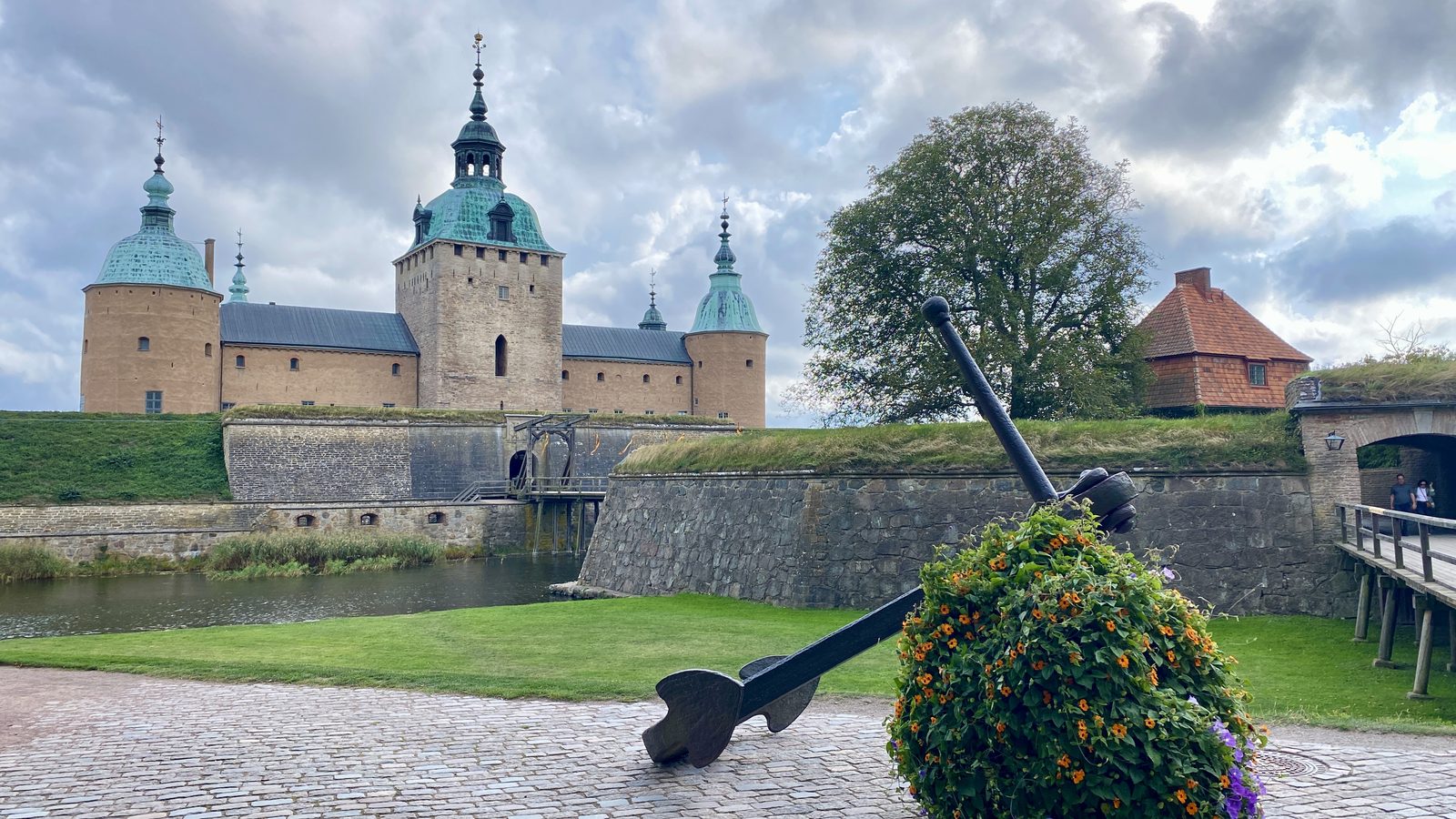
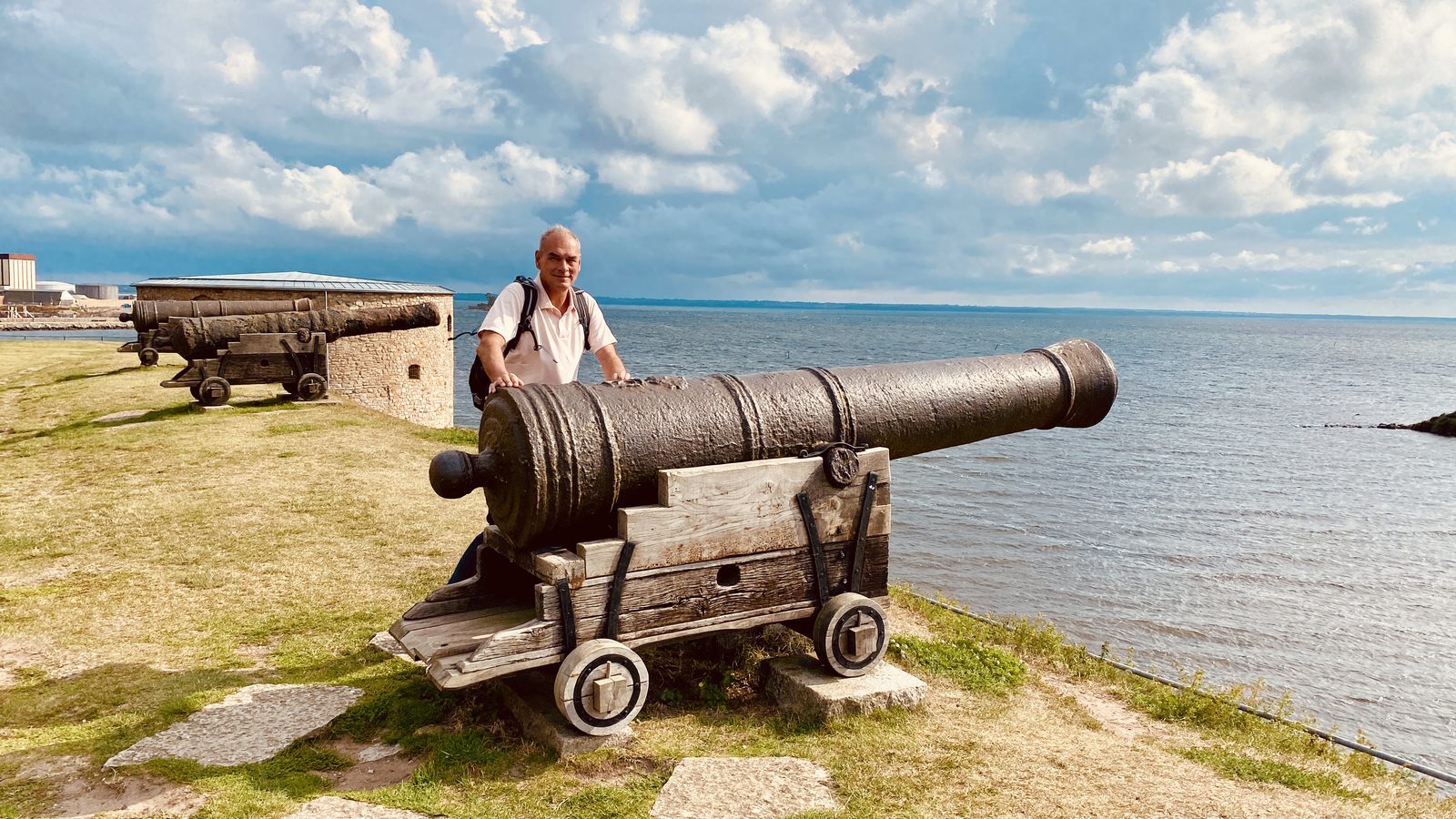
Kalmar Castle is one of Sweden’s most well-preserved and historically significant castles, located right by the Baltic Sea in Kalmar. Originally built in the 12th century as a defensive tower, it was later expanded during the Renaissance into a grand royal fortress. The castle played a key role in Nordic history, most notably as the site where the Kalmar Union was formed in 1397, uniting Denmark, Norway, and Sweden under a single crown. Surrounded by moats and strong stone walls, Kalmar Castle today stands as a major cultural landmark and museum, offering visitors insight into medieval politics, royal life, and Sweden’s maritime heritage.
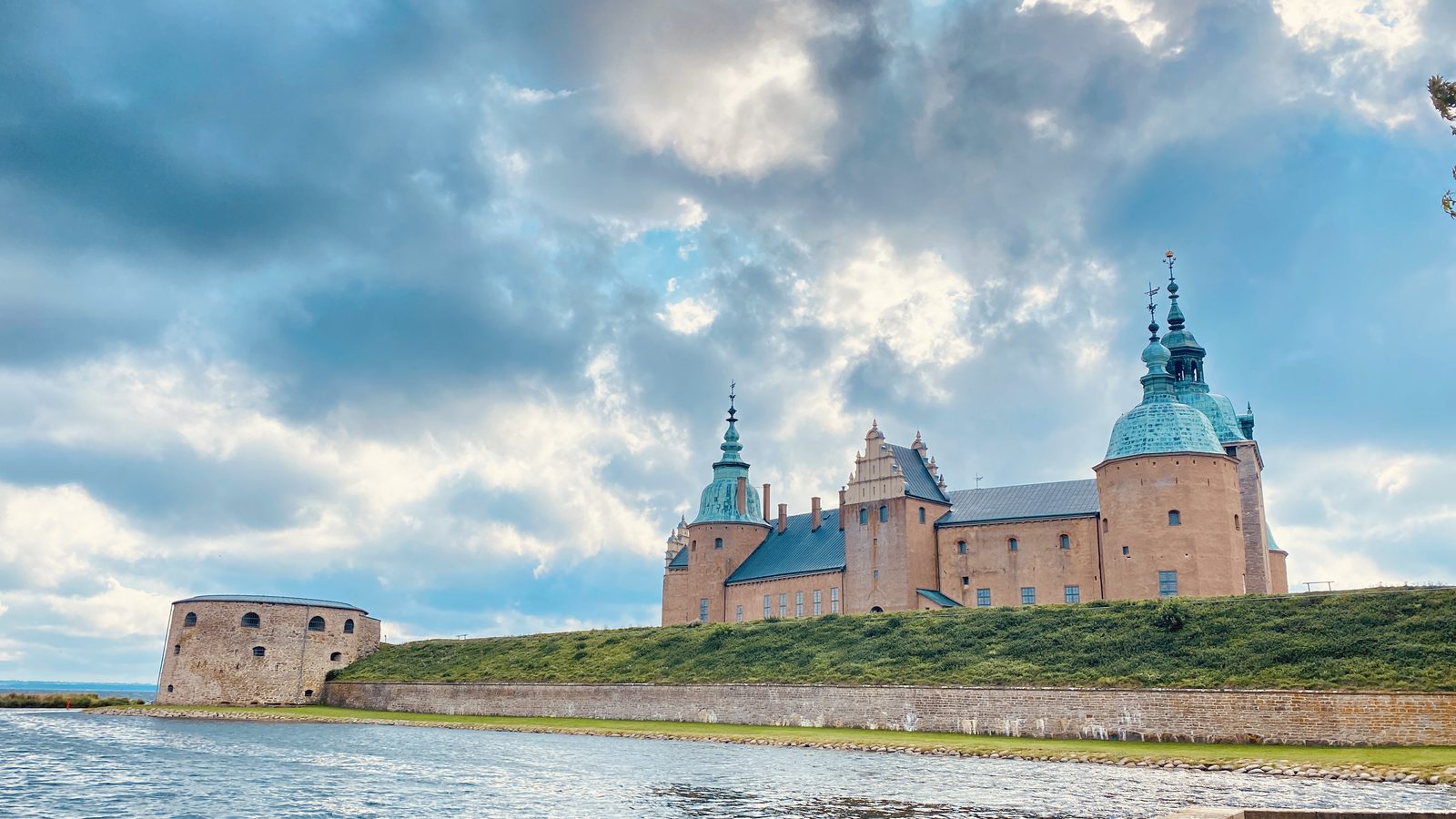
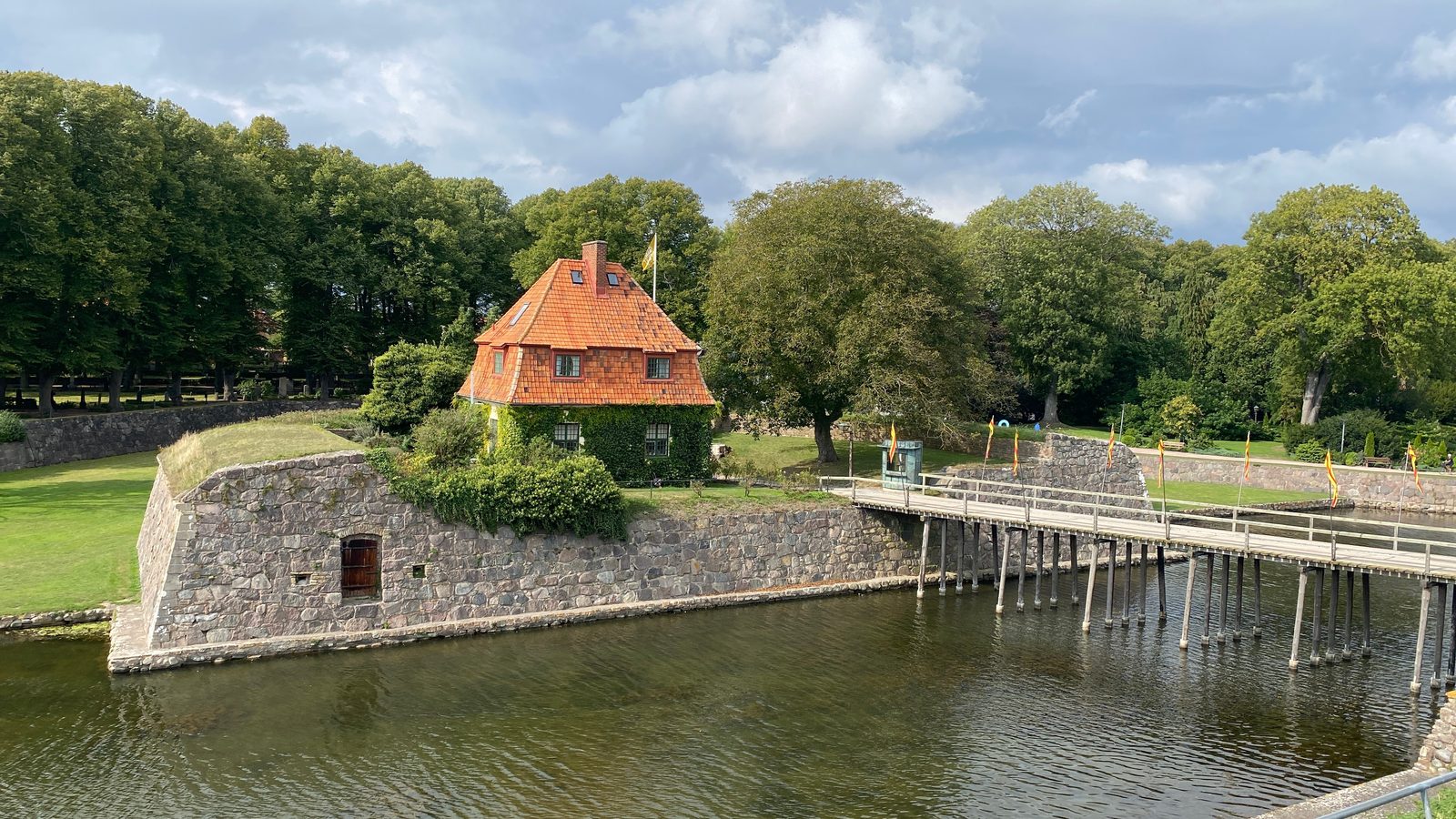
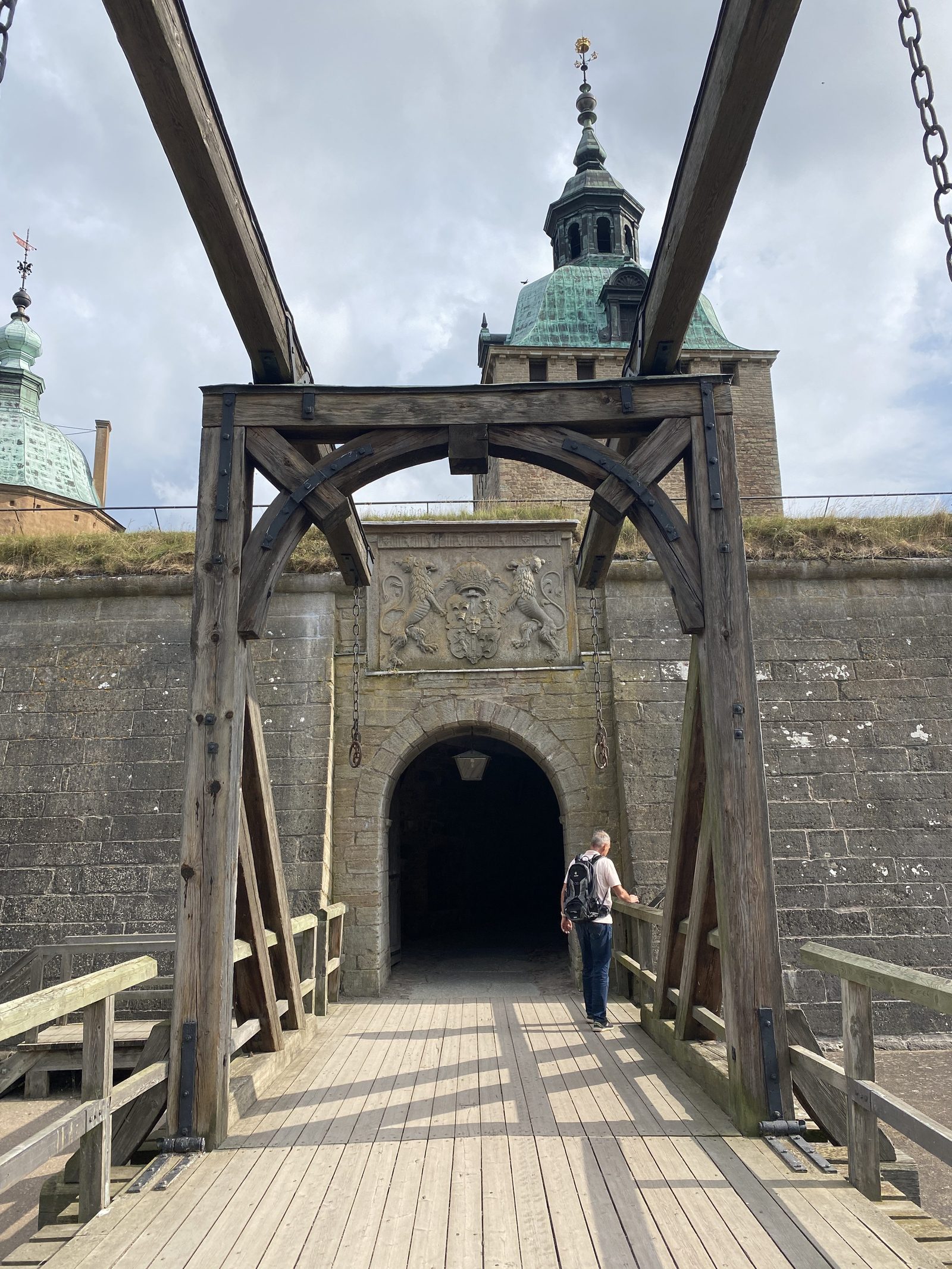
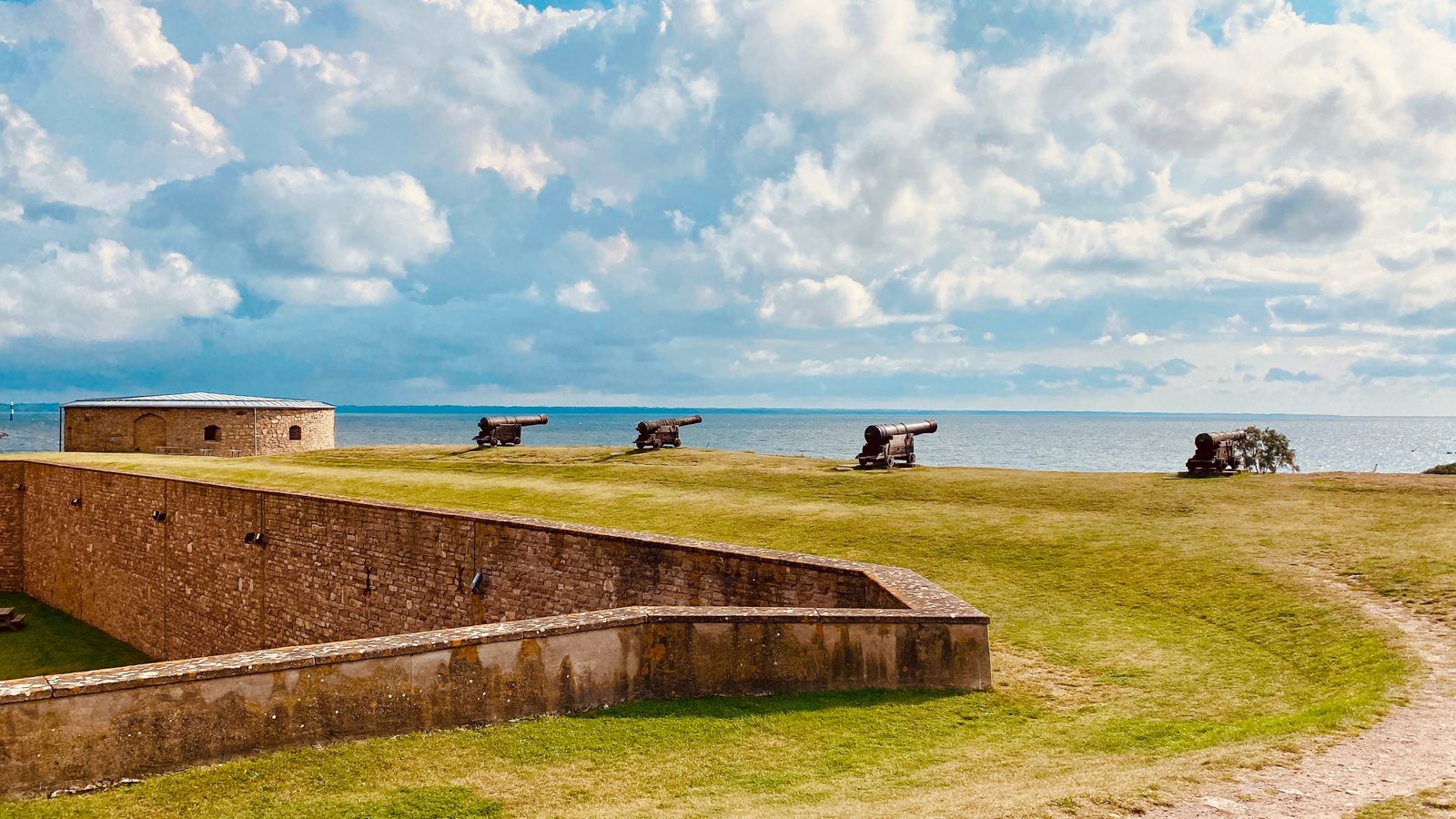
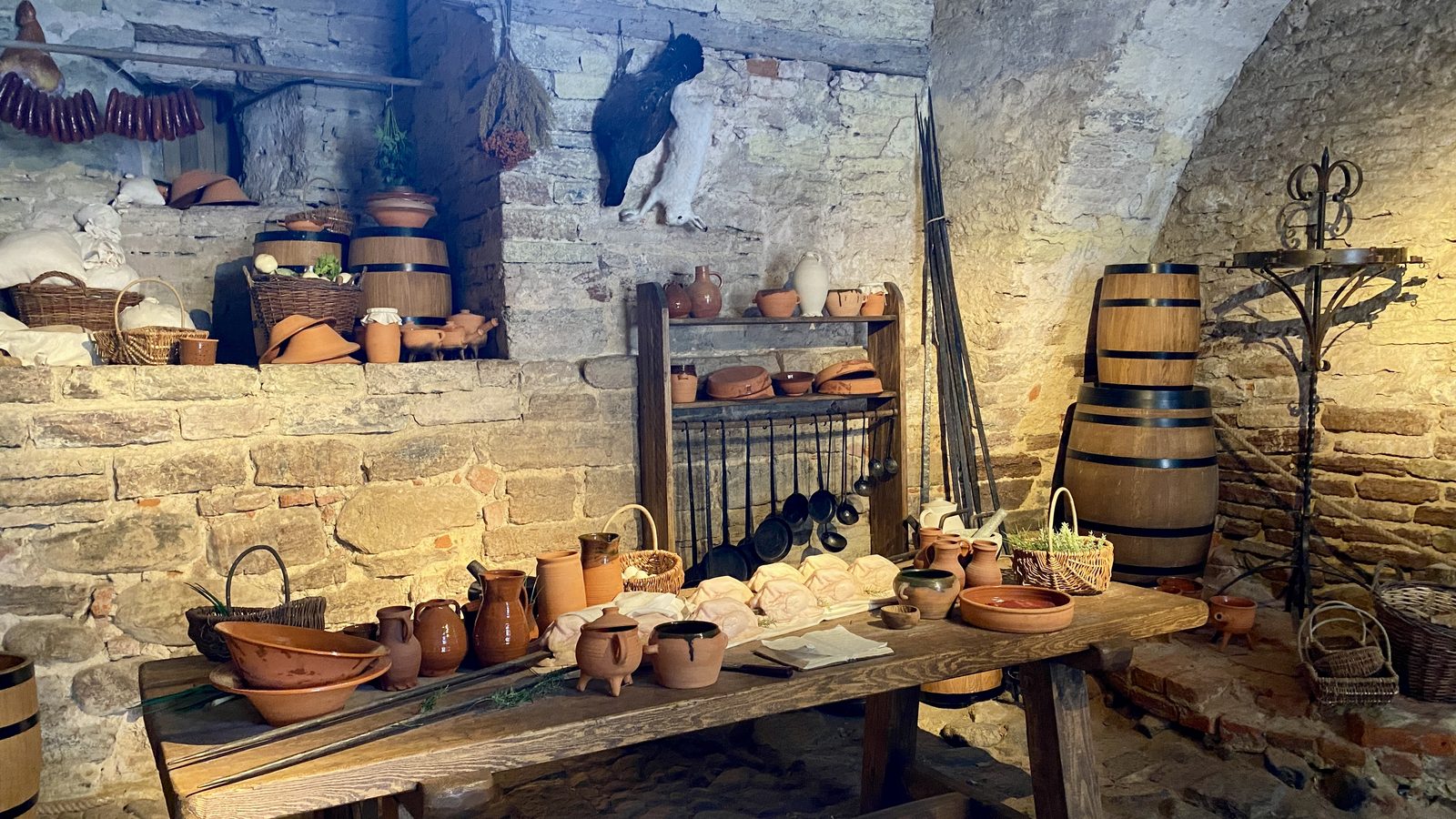
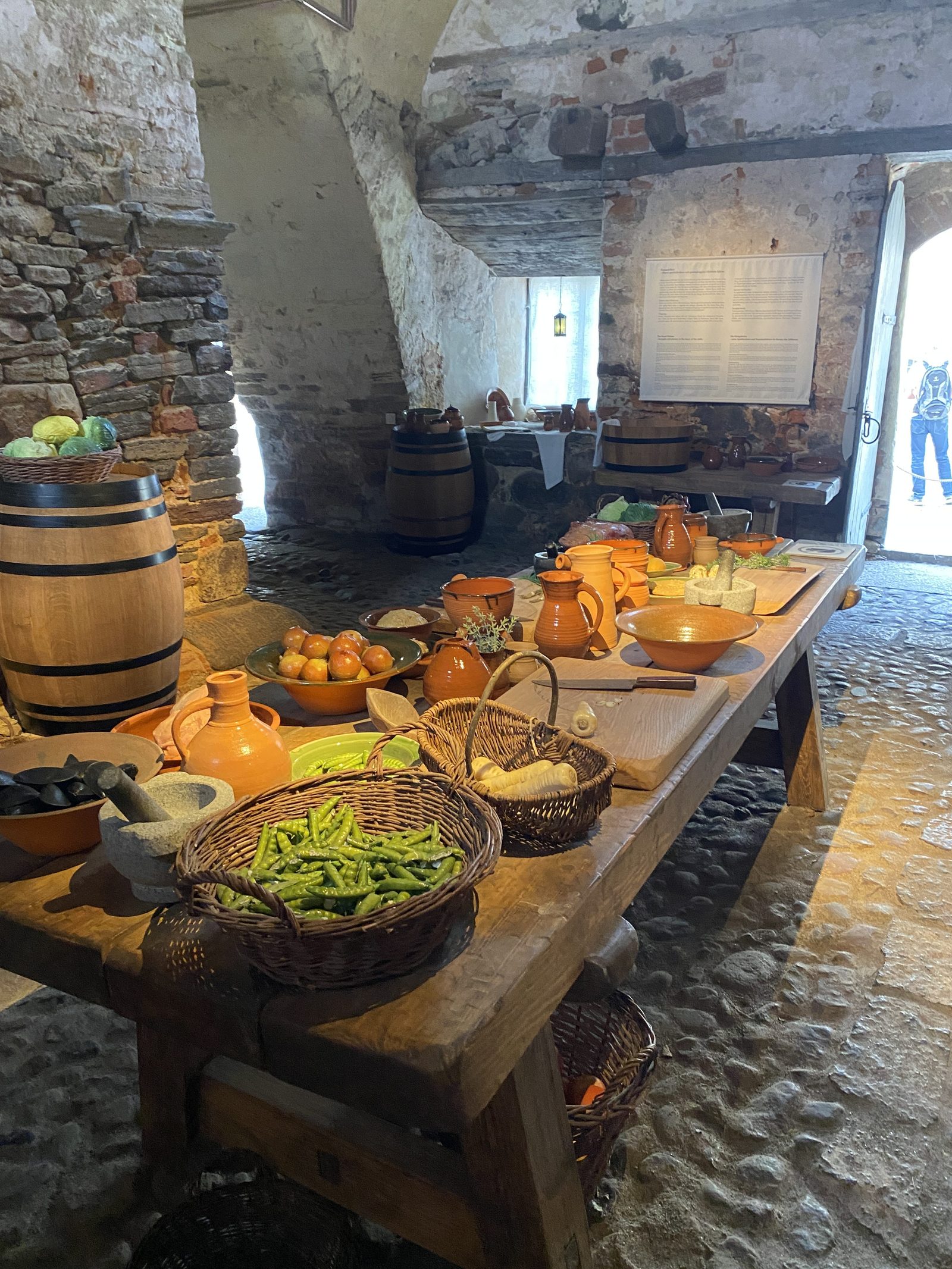
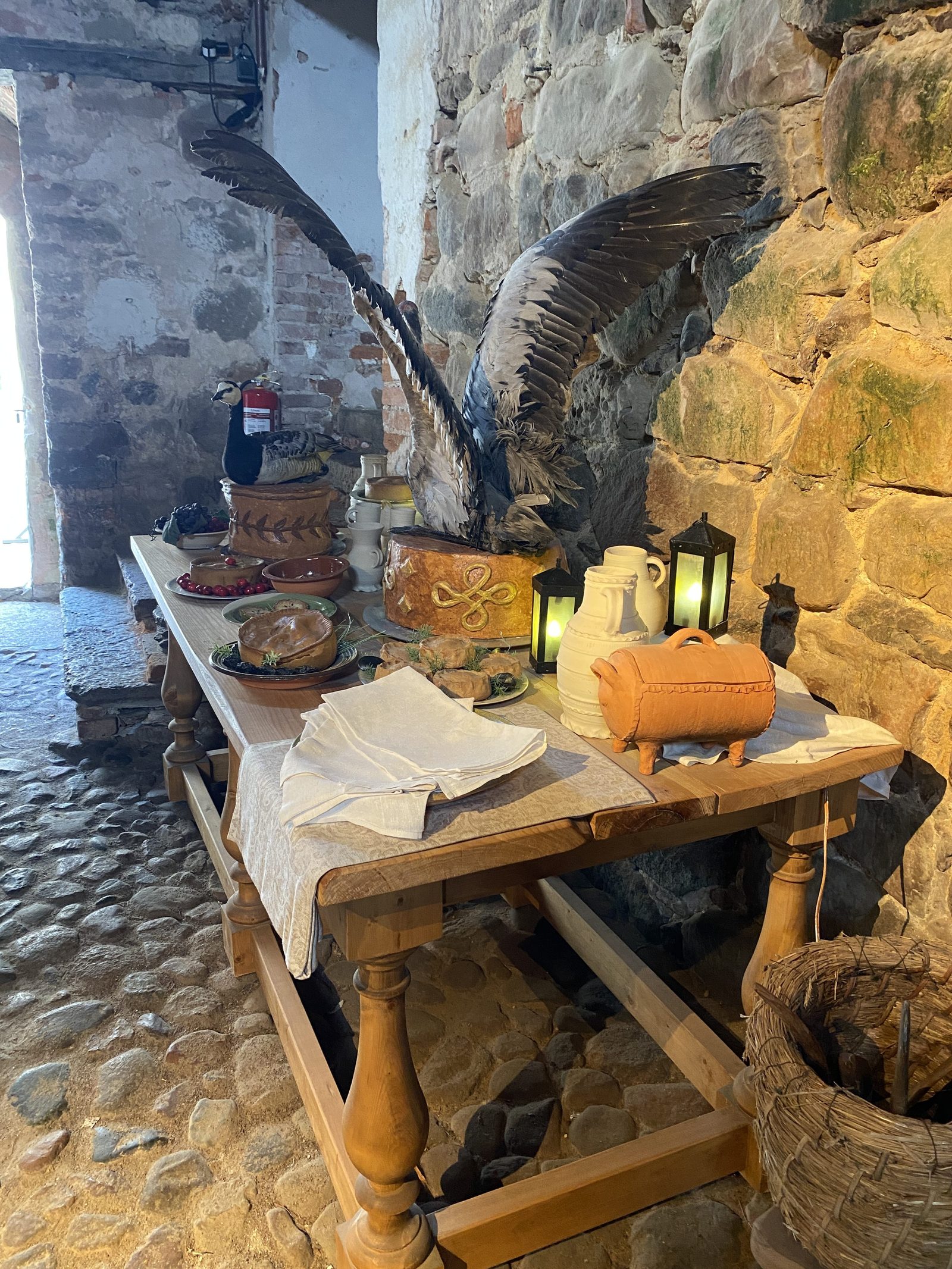
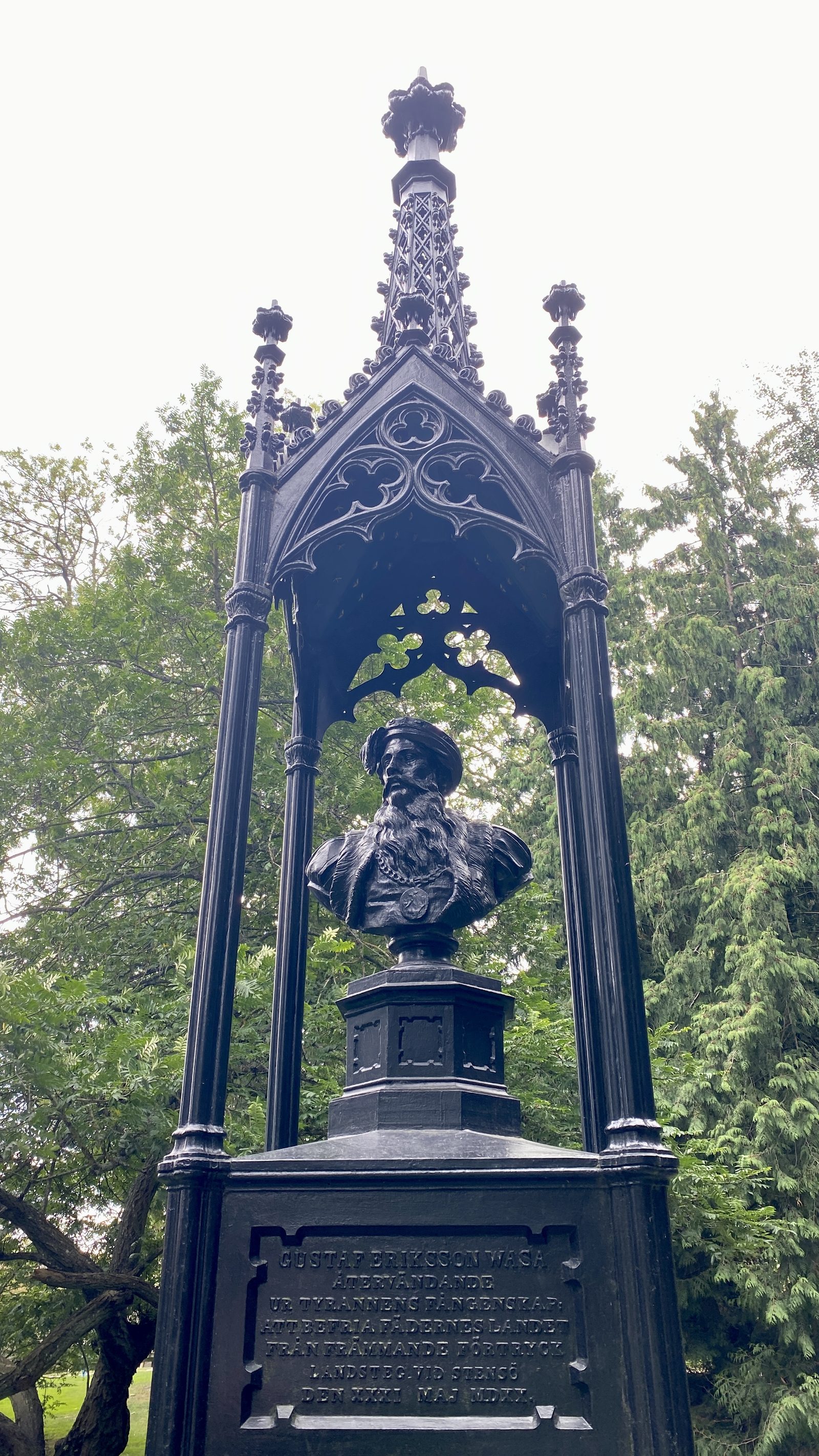
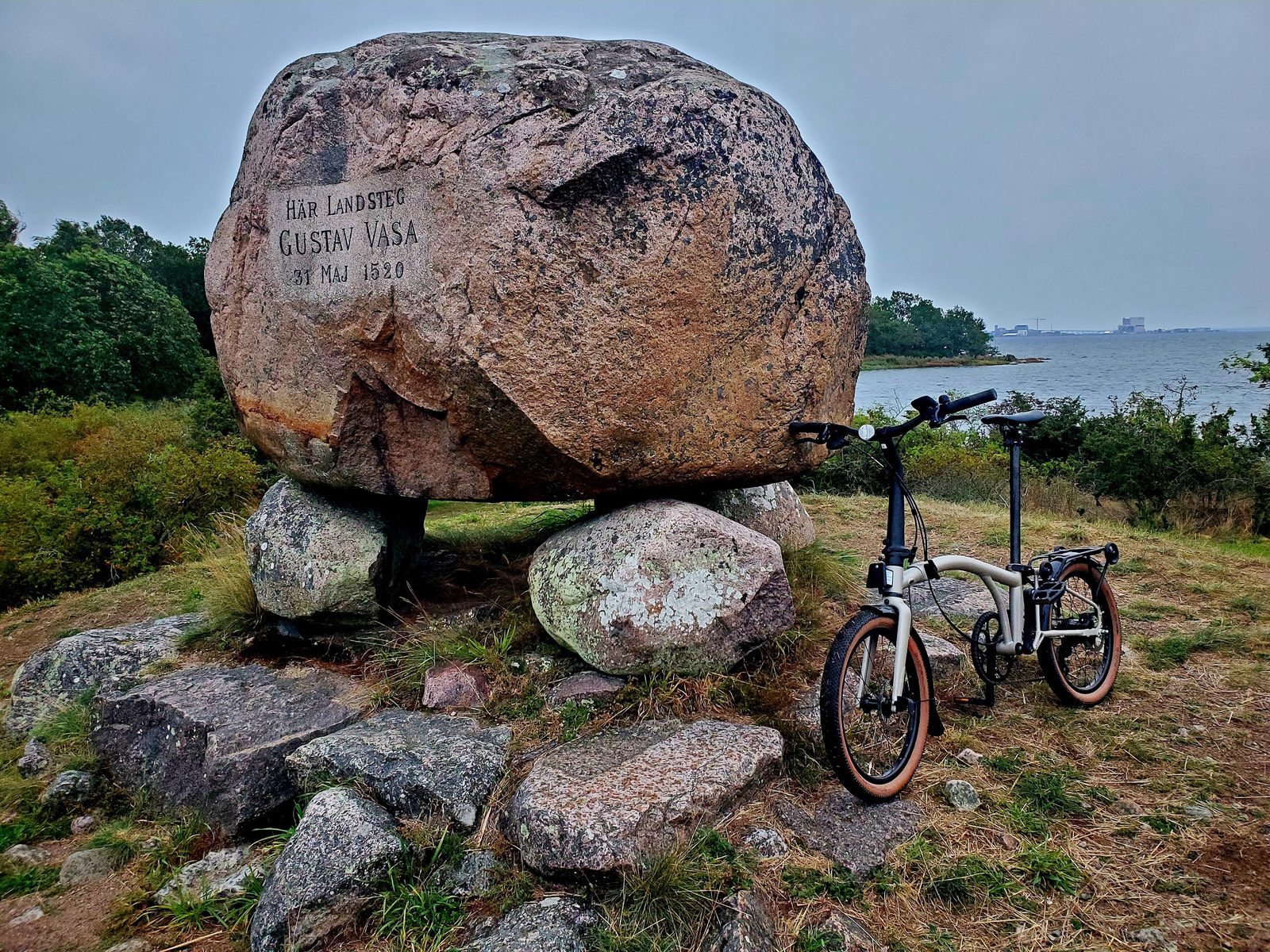
On the early morning of Sep 11, just before leaving for Karlskrona, Martin set out for a quick bike ride and unexpectedly found himself near the historic site associated with Gustav Eriksson Vasa’s landing before he commanded the Swedish War of Liberation in 1521 and went on to become King of Sweden from 1523 until his death in 1560. The ride turned into a reflective pause at a place where ambition and history are still deeply felt.
Kalmar – Karlskrona, Sweden
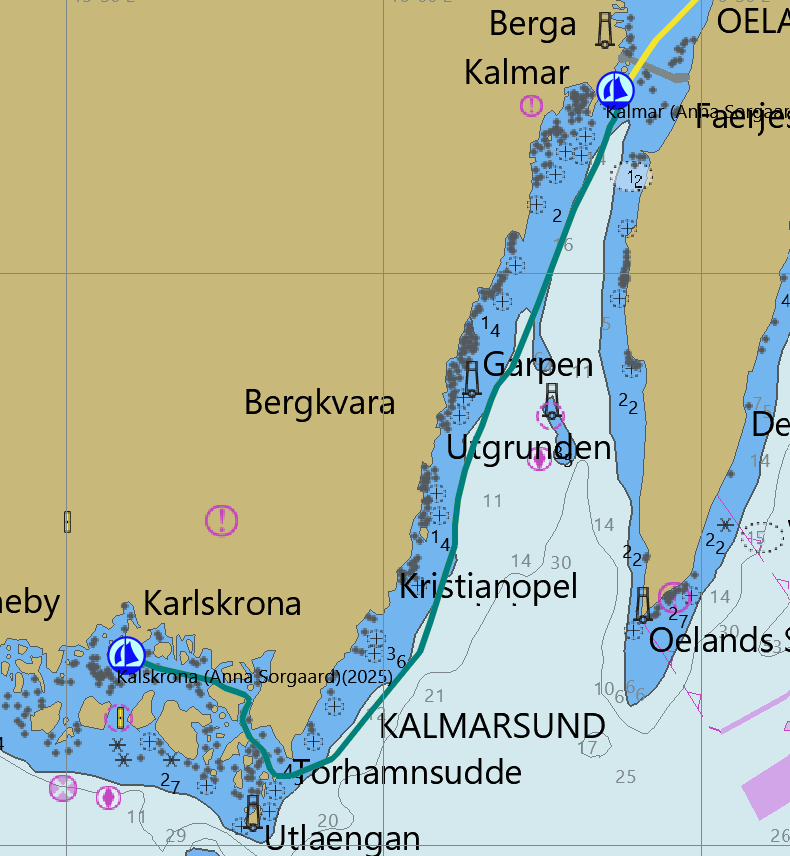
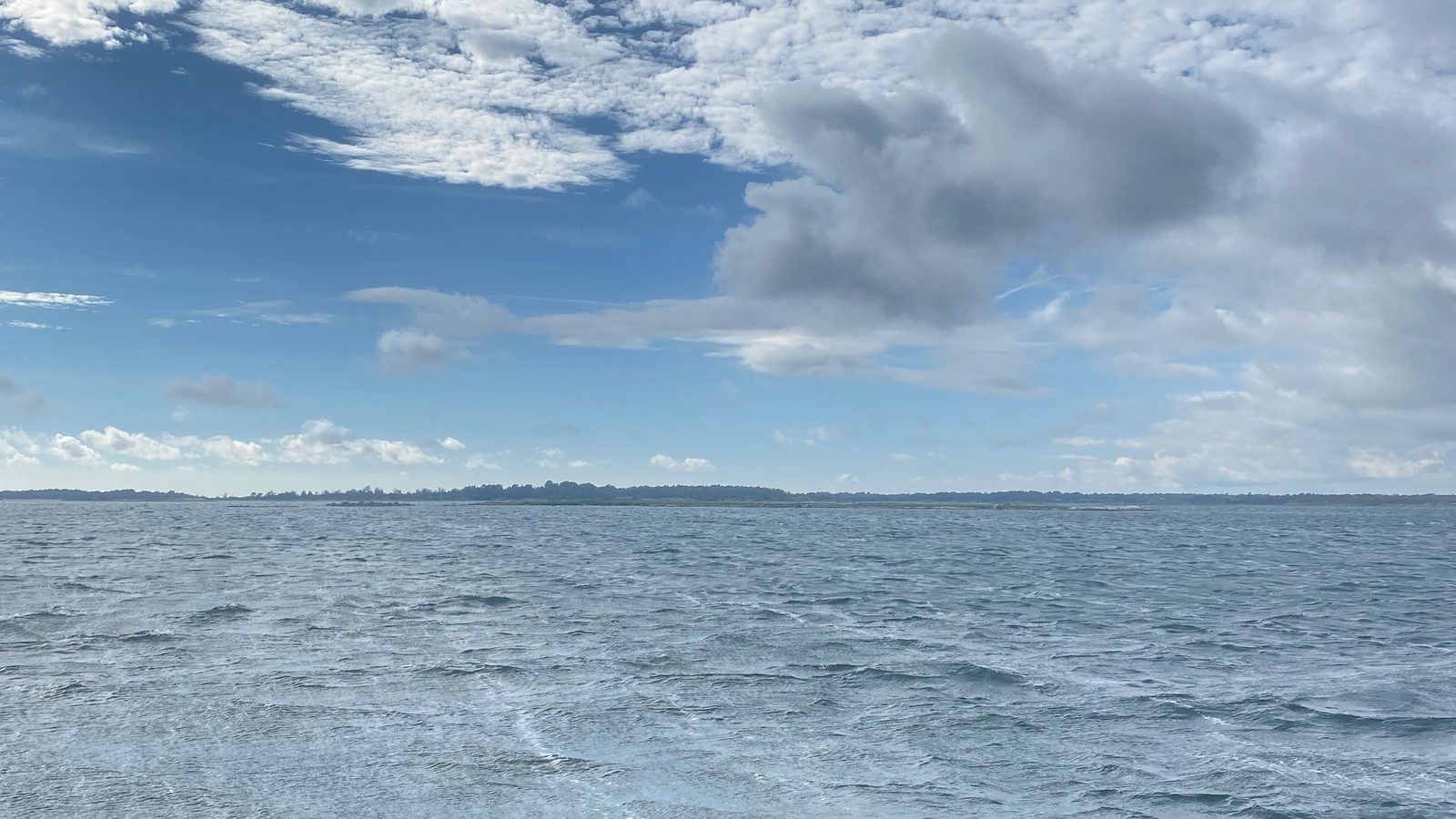
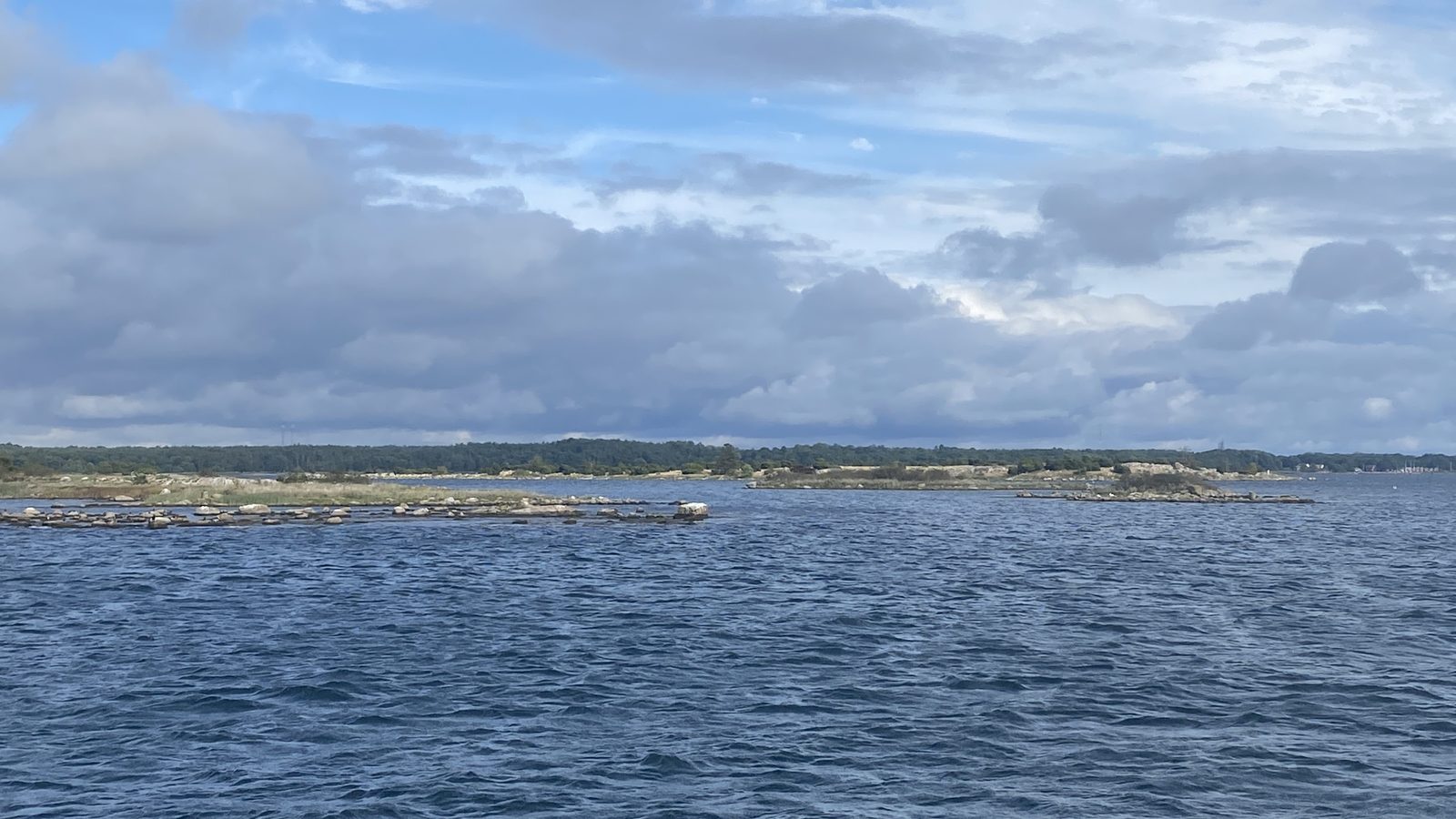
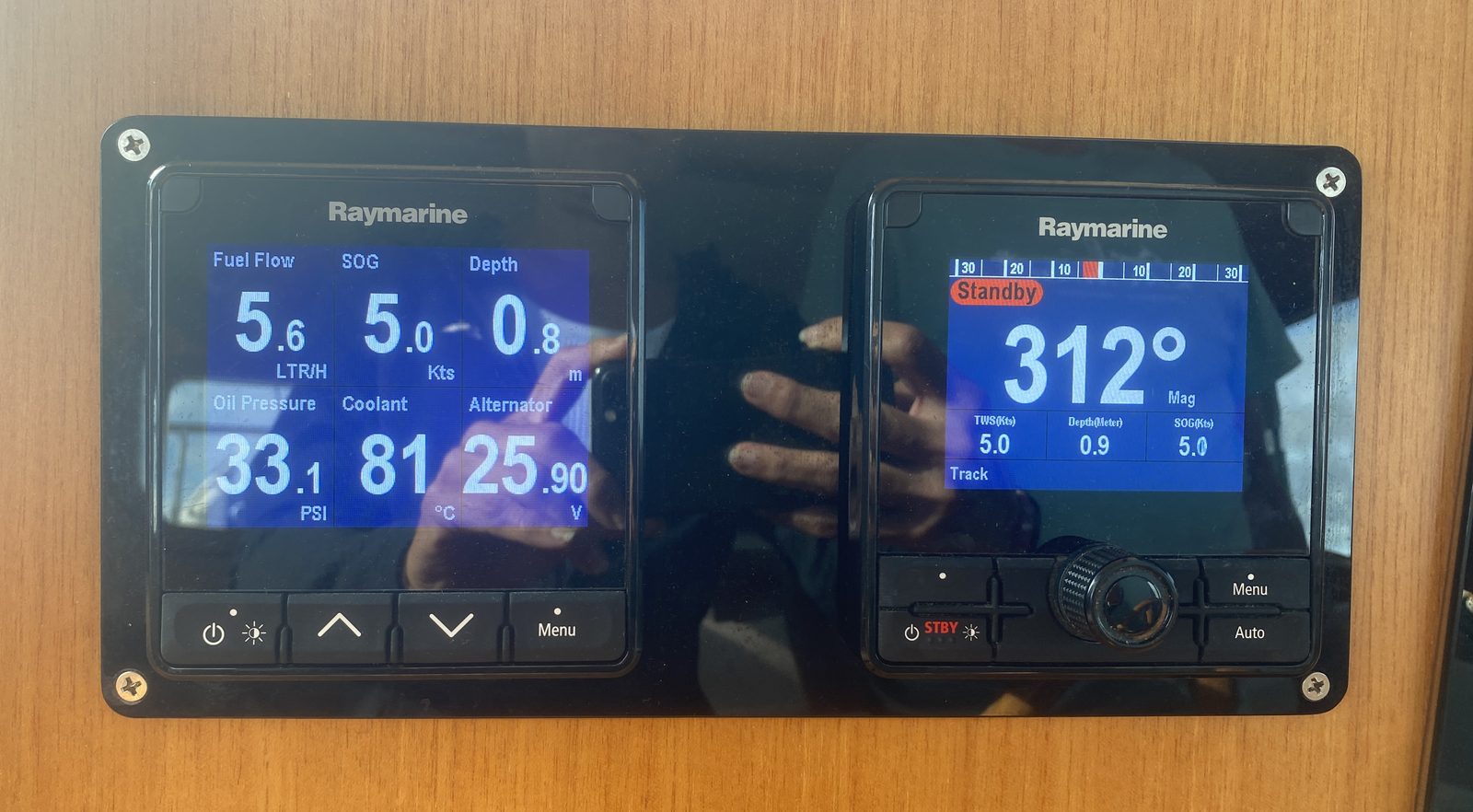
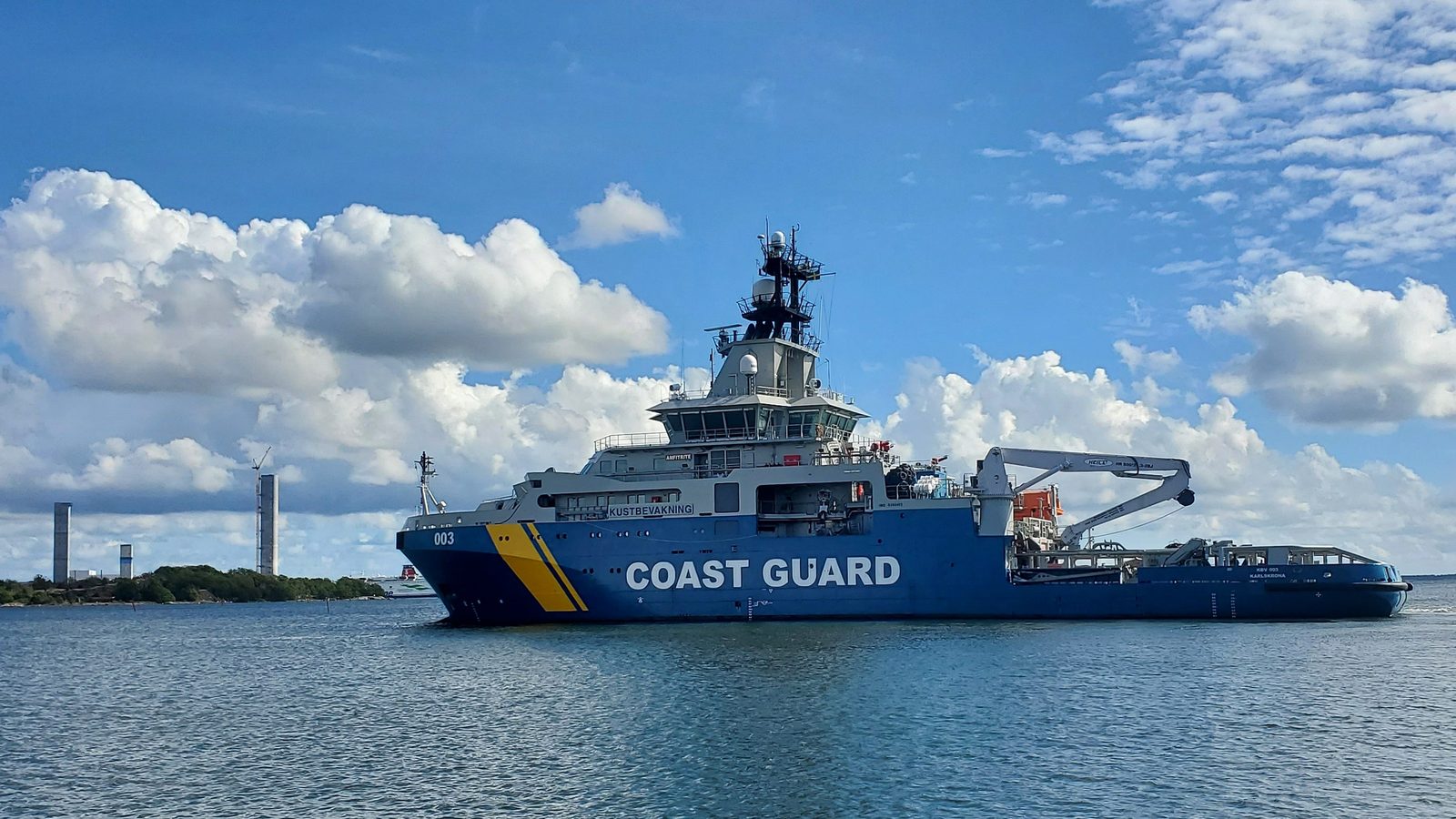
As planned, we departed Kalmar to ensure arrival in Karlskrona during daylight hours. The passage was conducted in shallow coastal waters, including areas of very limited depth near Marlingsgrund, which influenced the sea conditions. Weather remained stable and typical for early autumn in the Baltic Sea, with generally moderate conditions. Winds were light to moderate, producing a slight to moderate sea state. Coming into the archipelago southeast of Kalskrona the chart was littered with rocks and shallows and only very narrow channels provide safe passage for the last 10 miles into Karlskrona. Strangely, we encountered two coastguard ribs near the Långören lighthouse that actively signalled us to get off the channel and pass the channel port marker on our starboard side whilst they were blocking the regular channel passage. We later got a visit from the Coastguard at Karlskrona, they checked our papers but never provided any explanation why they pushed us off track. The narrow channel through Storasund and later through Möcklösund required full concentration but visibility was generally good, with no significant precipitation.
Storasund is a narrow, picturesque strait (cieśnina) located in the beautiful eastern archipelago of Karlskrona, Sweden, separating the mainland from the islands of Ytterön and Hästholmen whereas Möcklösund is a picturesque strait in the Blekinge archipelago of southeastern Sweden. It is best known for the Möcklösund Bridge (Möcklösundsbron), a stunning 18-meter-high structure that connects the mainland to the islands of Senoren and Sturkö. Conditions remained manageable throughout the passage, with no notable deterioration prior to arrival in Karlskrona at approximately 17:00.
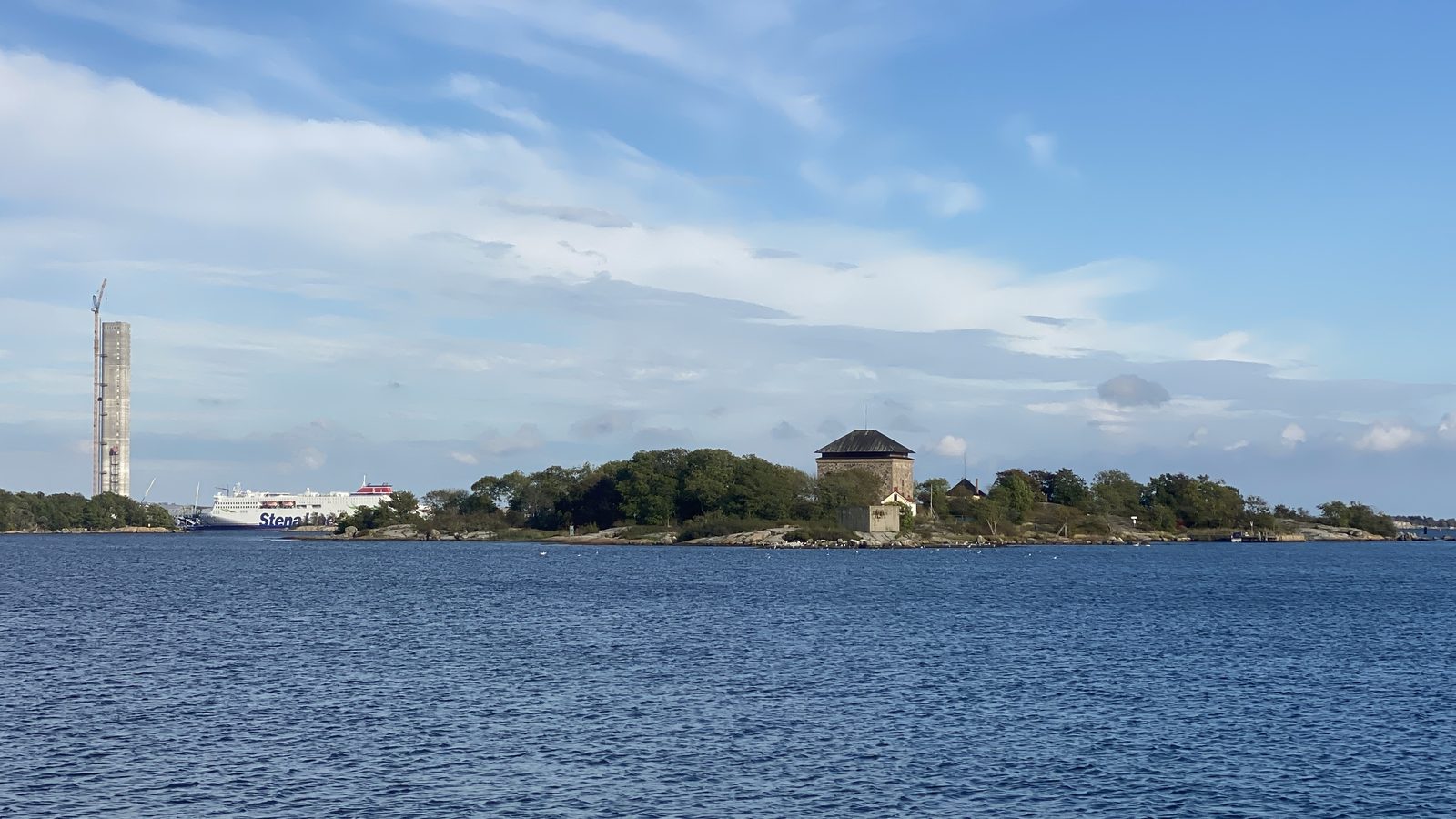
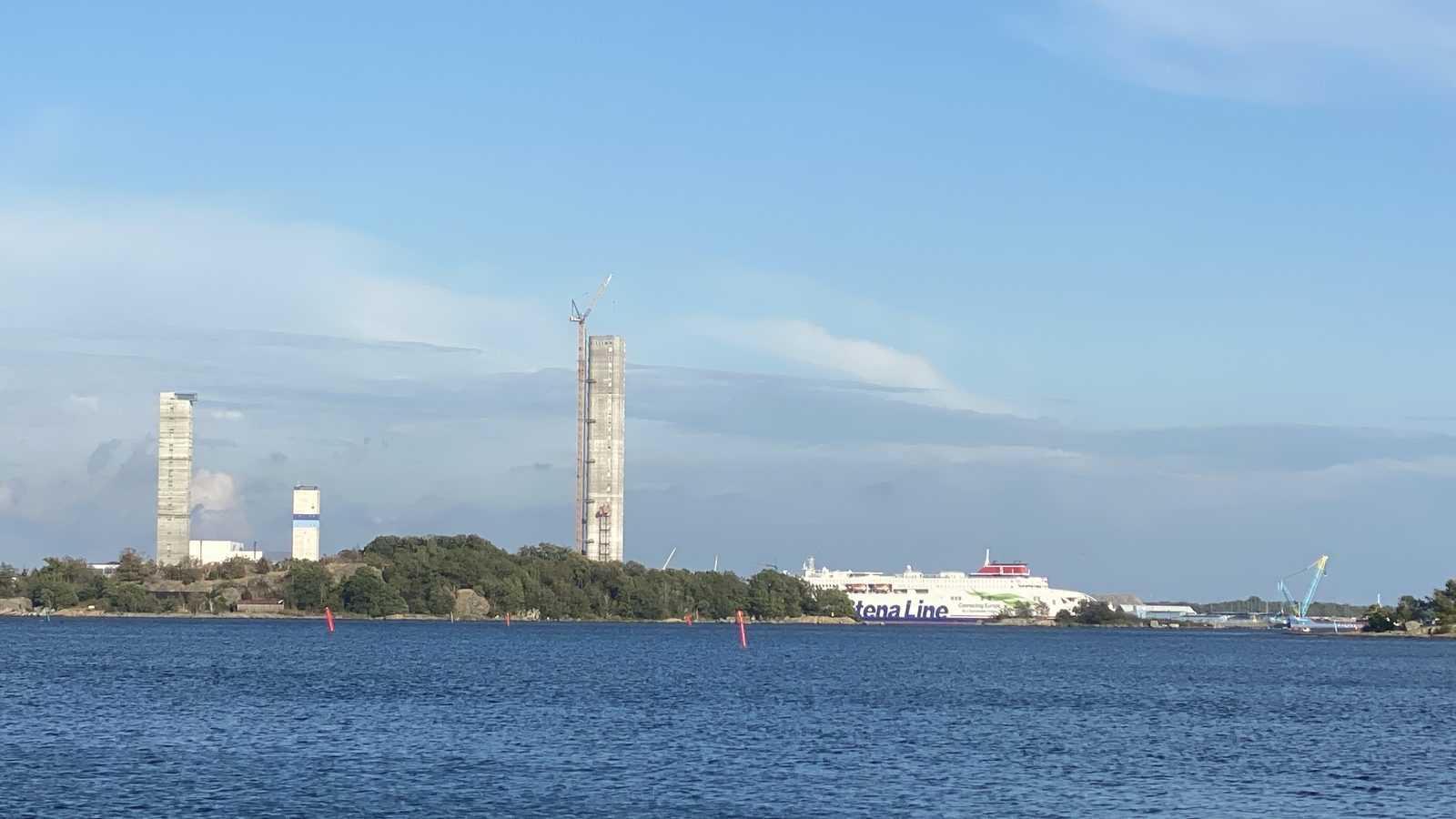
Closer to Karlskrona, an interesting landmark is NKT’s cable extrusion tower, known as “NKT Crown,” a striking 200-meter industrial structure built to manufacture high-voltage offshore power cables. The tower’s exceptional height allows newly insulated cables to hang vertically during the extrusion and cooling process, ensuring precise and uniform insulation quality essential for long-distance HVDC transmission. As one of the tallest structures in Sweden, the tower forms the centerpiece of NKT’s expansion of its offshore cable factory, supporting the production of advanced subsea cables used to connect offshore wind farms and strengthen Europe’s renewable energy grid infrastructure.
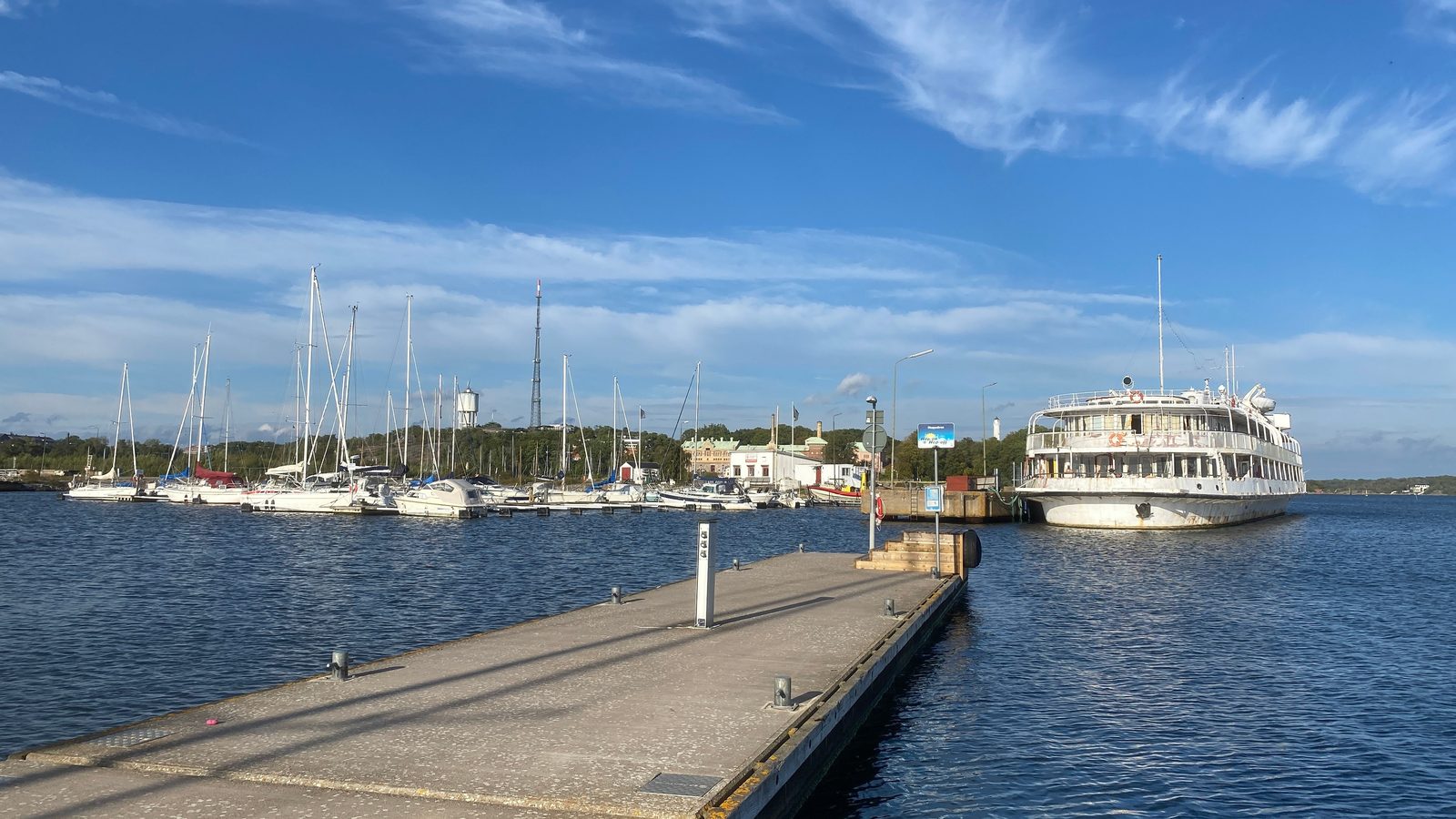
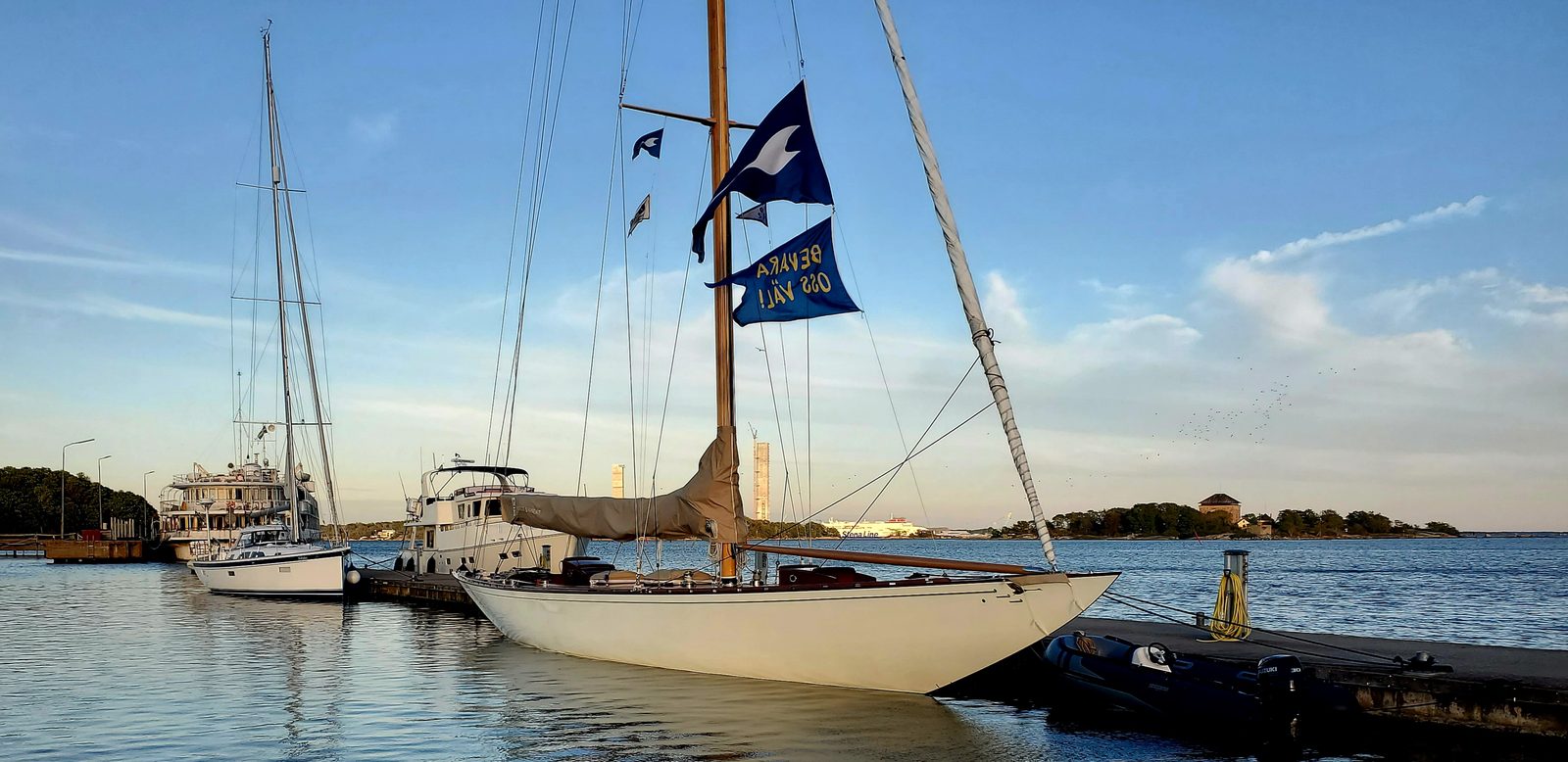
Karlskrona Gasthamn Marina (📍56 ° 10.0 N, 15 ° 35.18 E) The marina is centrally located on Trossö in Karlskrona’s city centre within the inner commercial port. It offers modern facilities including showers, toilets, sauna, laundry, fresh water, land power, waste disposal, BBQ area, and tourist information, with the harbour office in the same building as Handelsbanken. Harbour depth is 3–5 m with mooring by boom or alongside pontoon. Caravan and motorhome parking are available. Nearby amenities include a bathing area at Stumholmen (1 km), a grocery store 800 m away, a boat accessories store 1.5 km away, and a boatyard on Saltö 2.5 km from the marina.
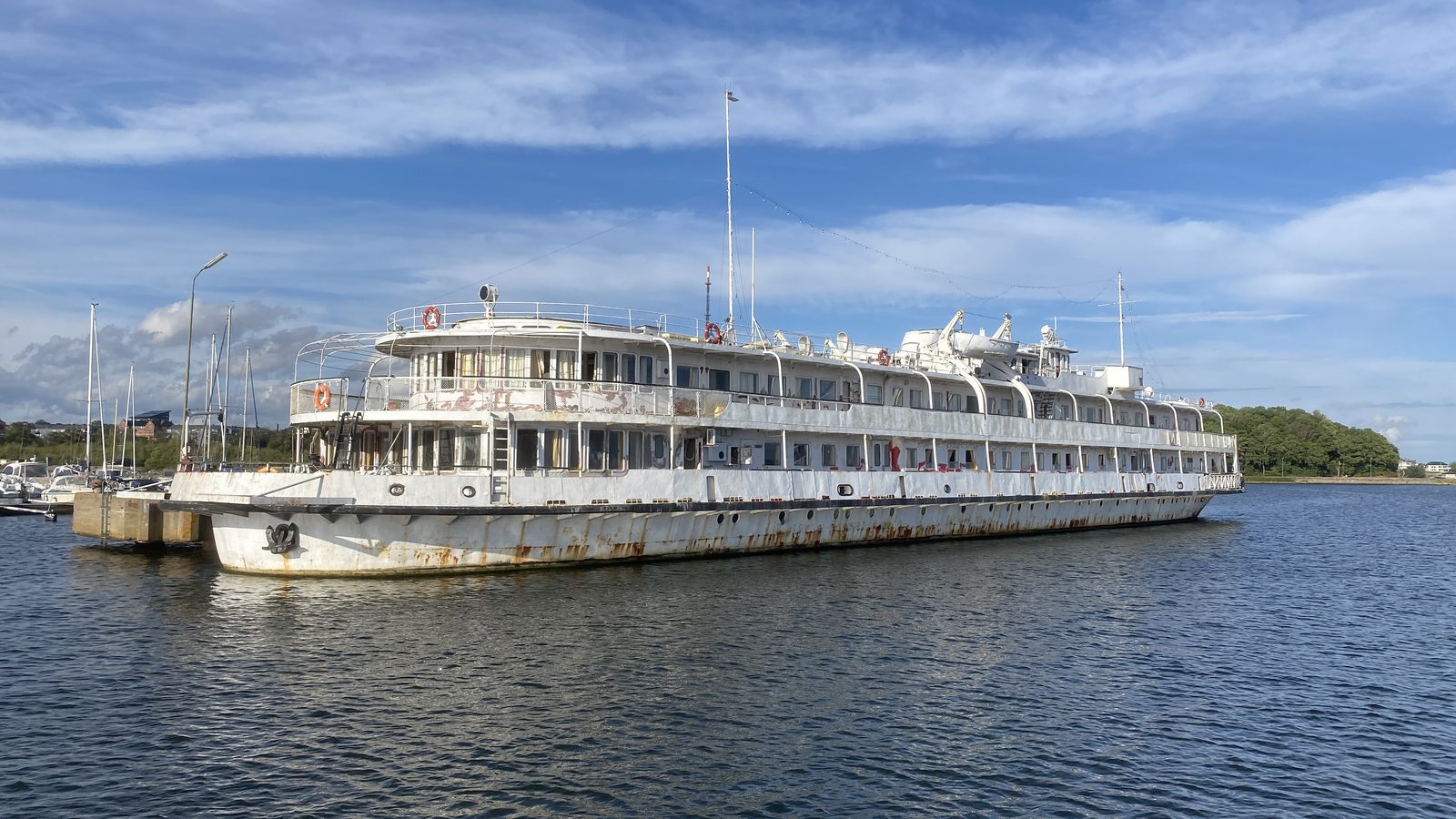
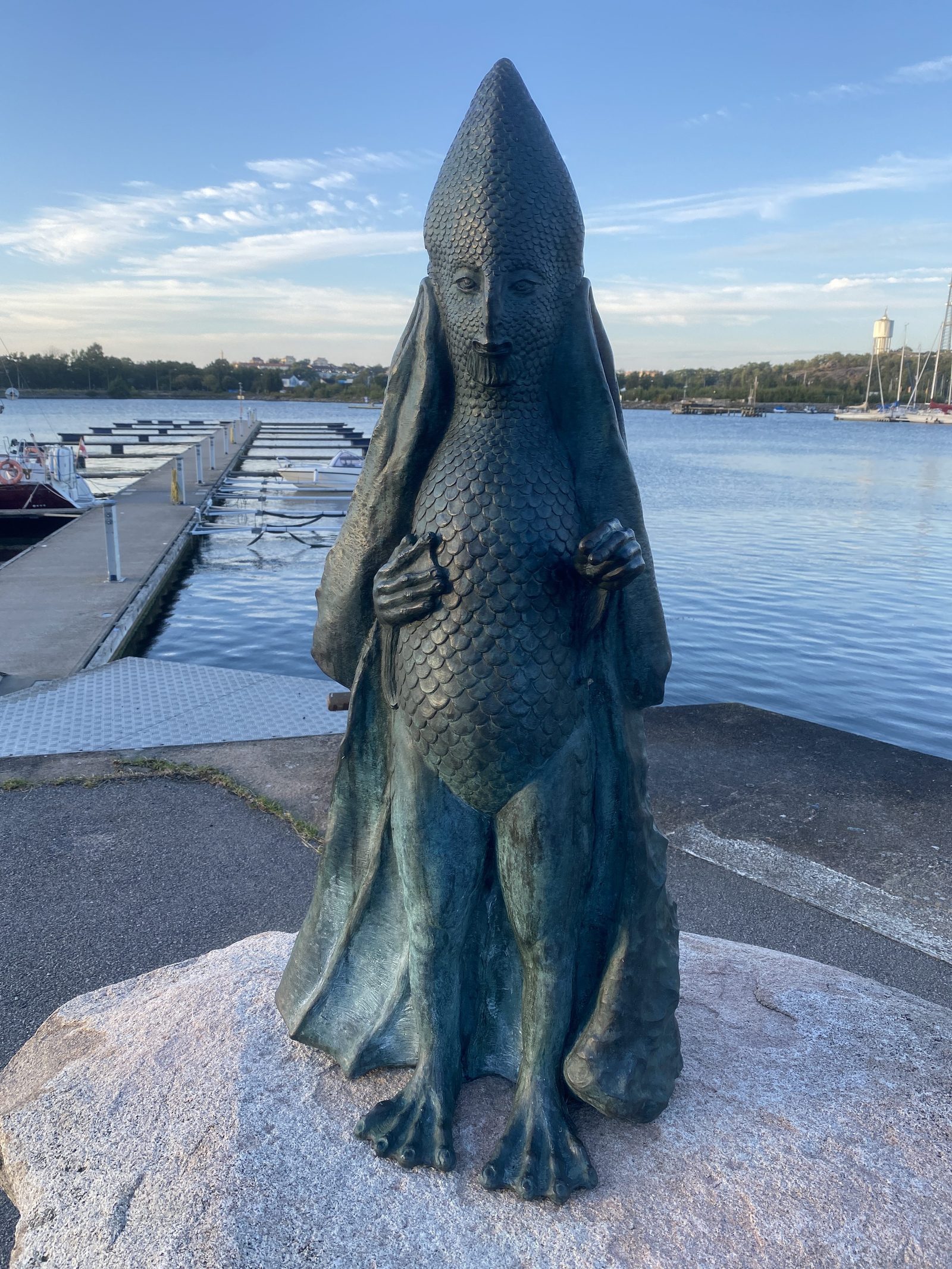
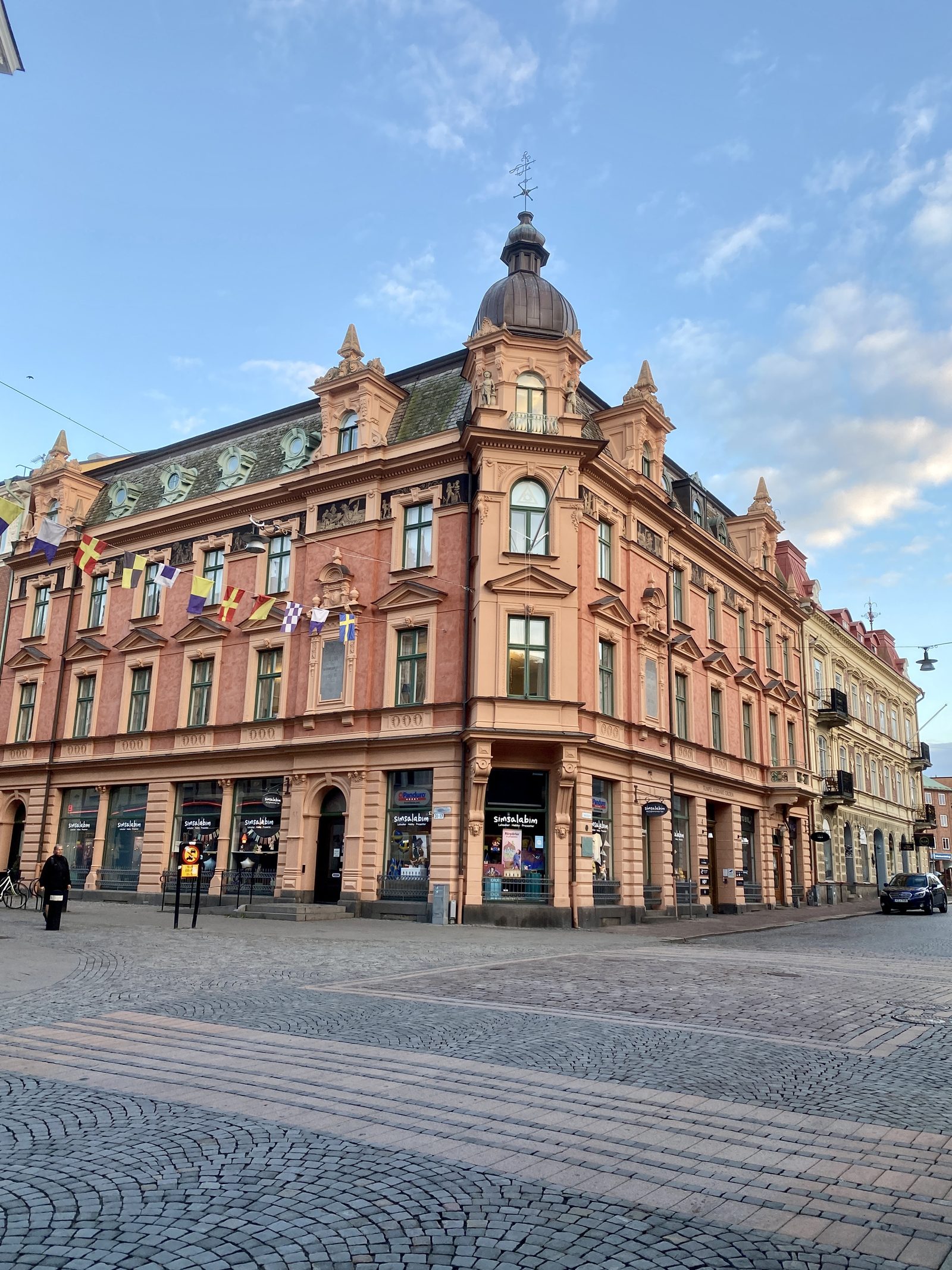
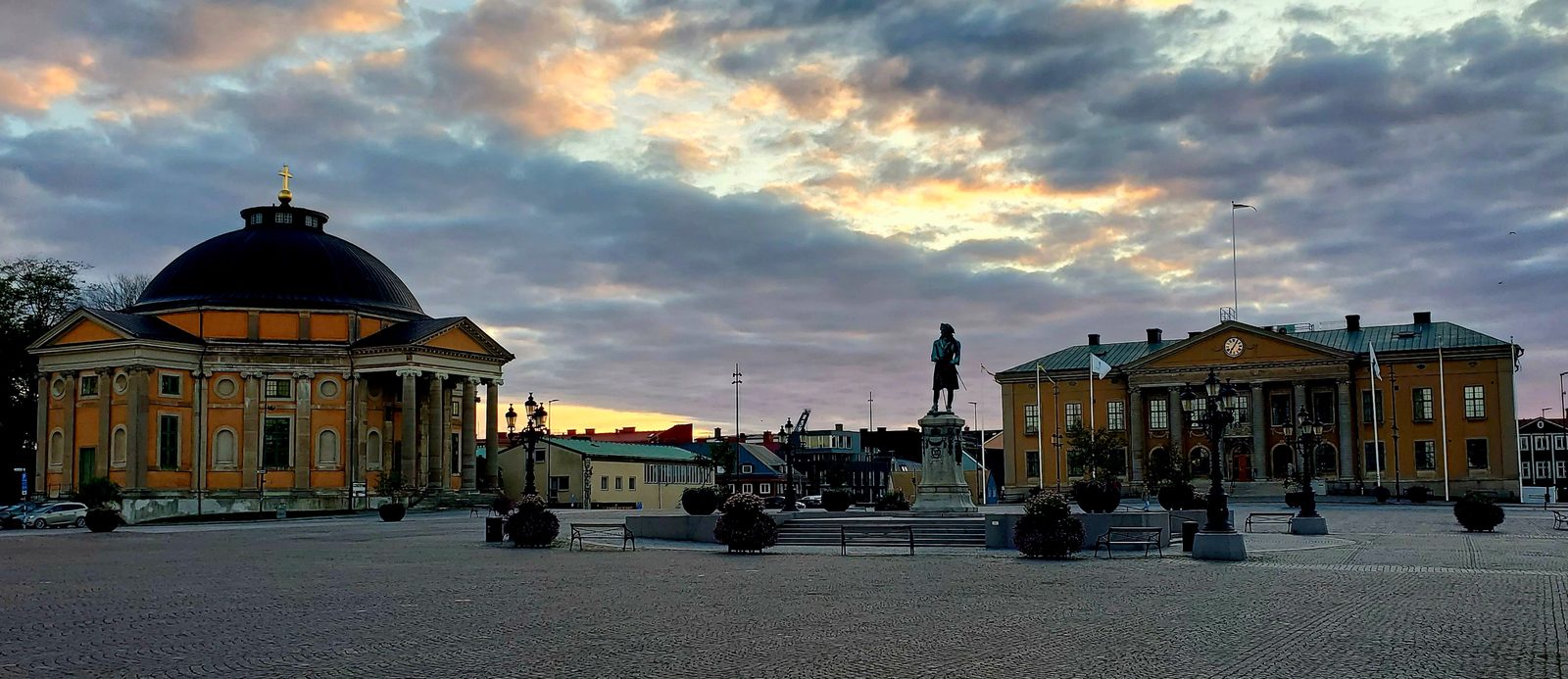
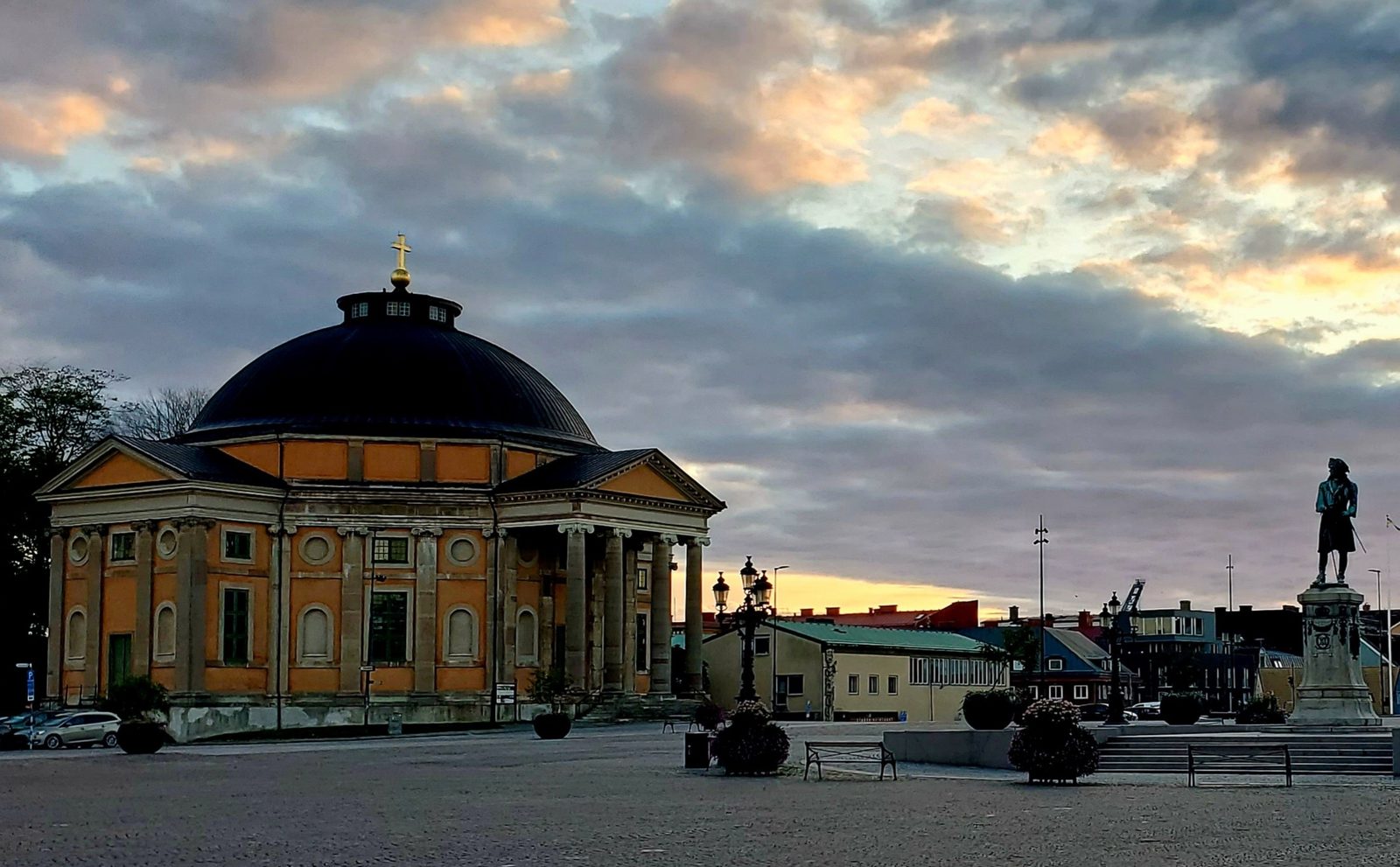
Karlskrona is a charming coastal city in southern Sweden known for its rich naval history, beautiful Baltic archipelago, and well-preserved baroque architecture. Founded as Sweden’s naval base in the 17th century, the city is now a UNESCO World Heritage Site that blends maritime heritage with relaxed Scandinavian charm. Its main attractions include the historic Karlskrona Naval Port, the grand square Stortorget, the impressive Naval Museum, and the scenic Karlskrona Archipelago. Visitors can also admire historic churches, sea fortifications, and the modern industrial landmark NKT Crown, one of the tallest structures in Sweden.
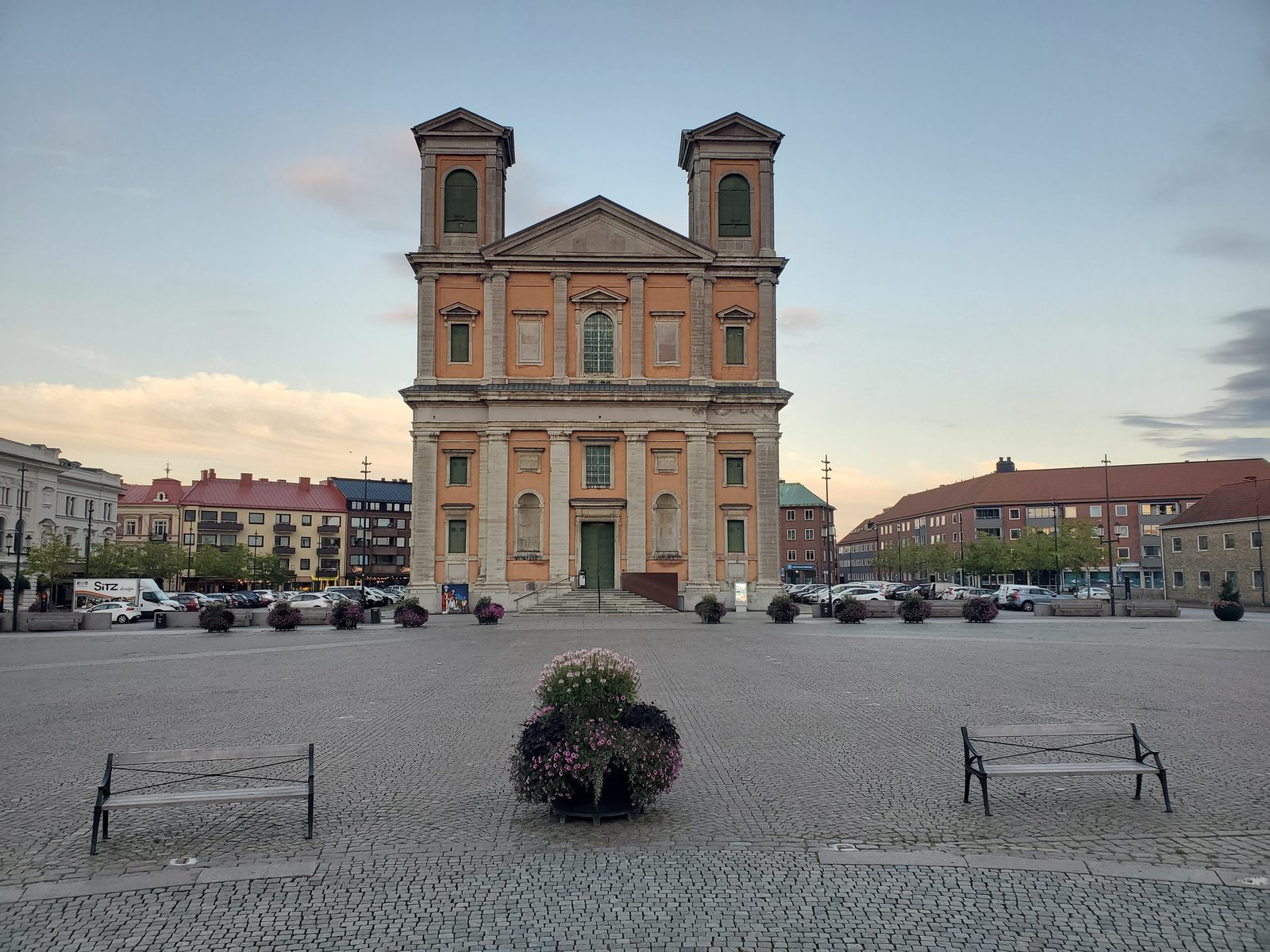
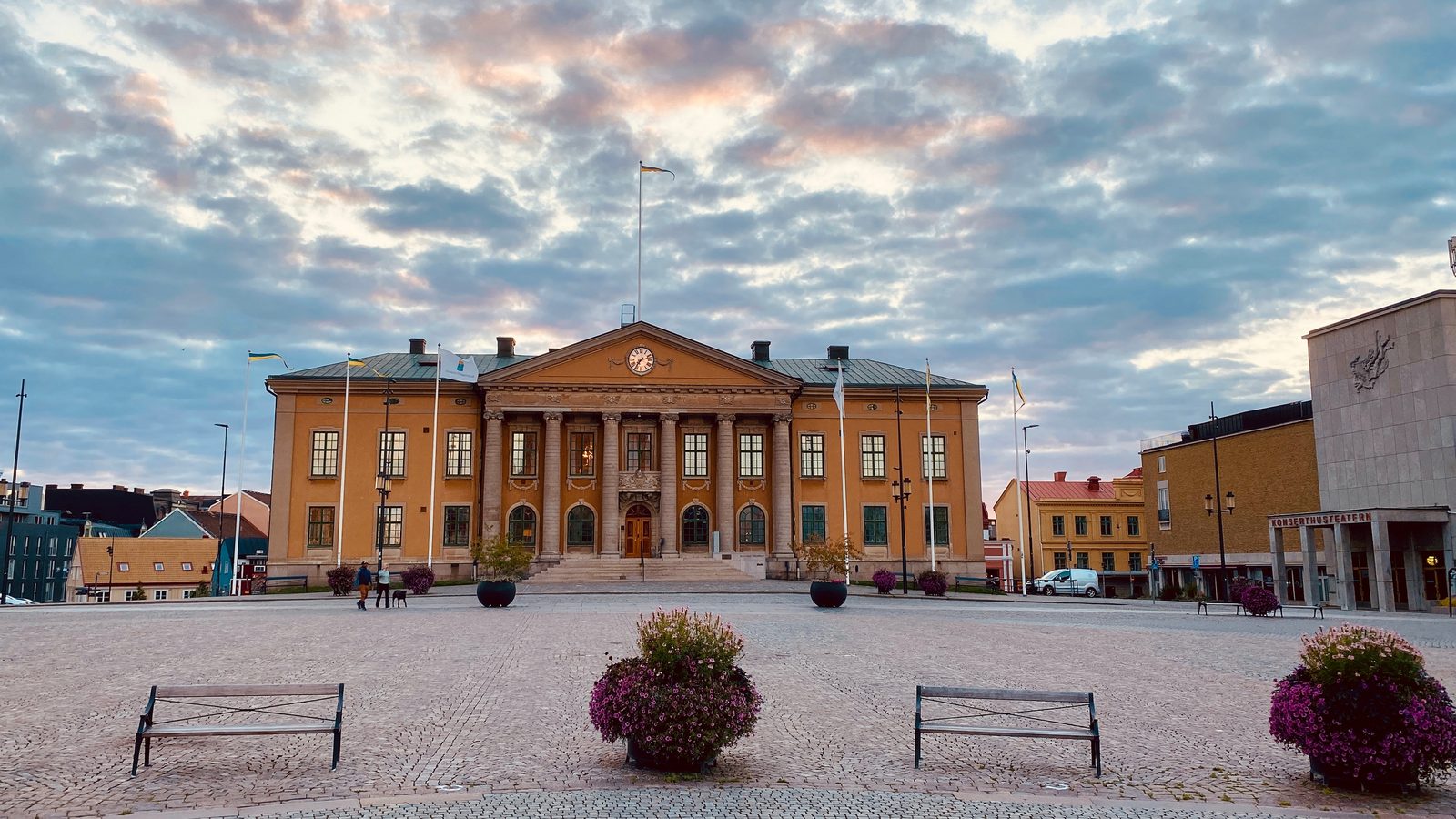
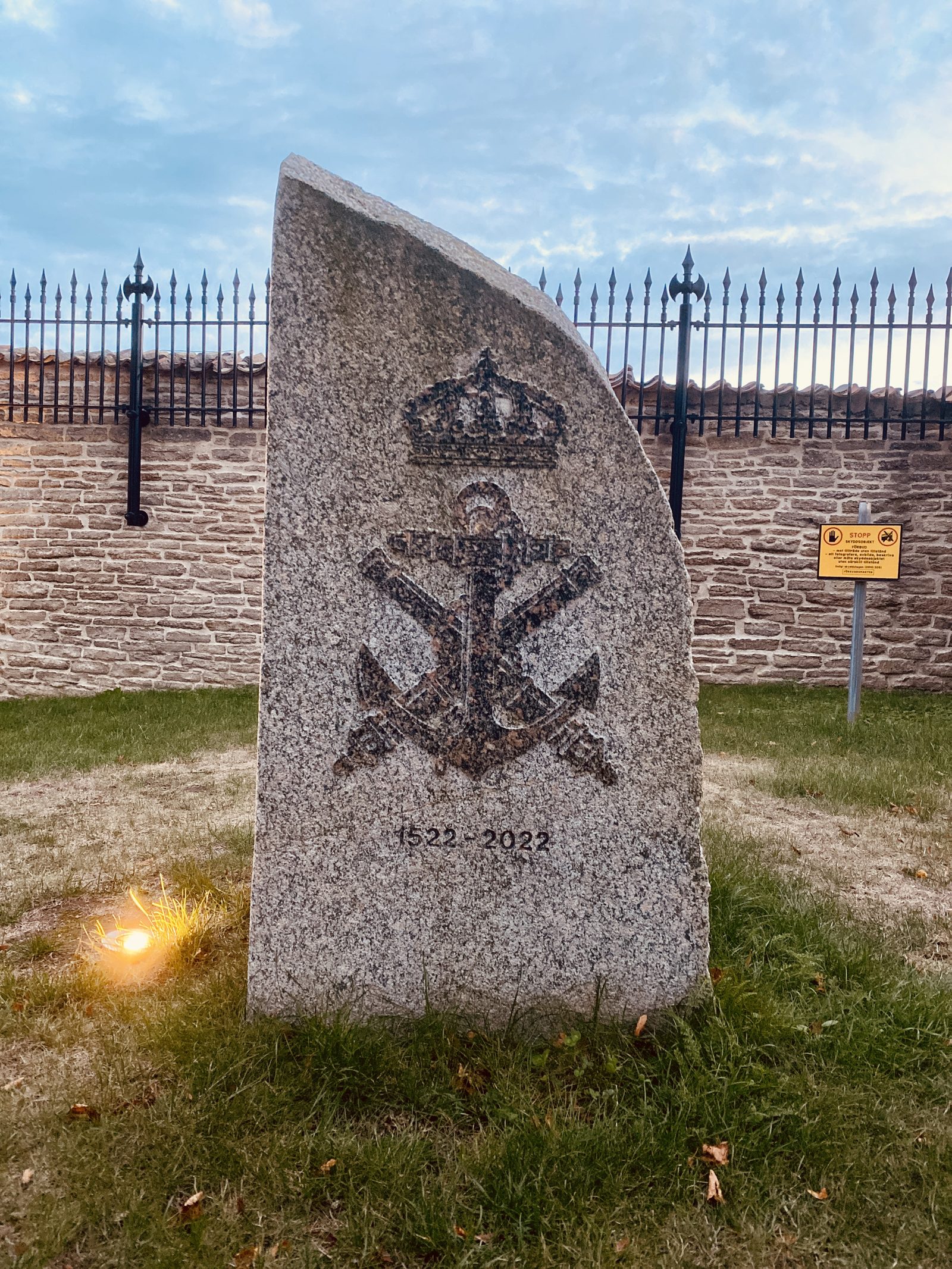
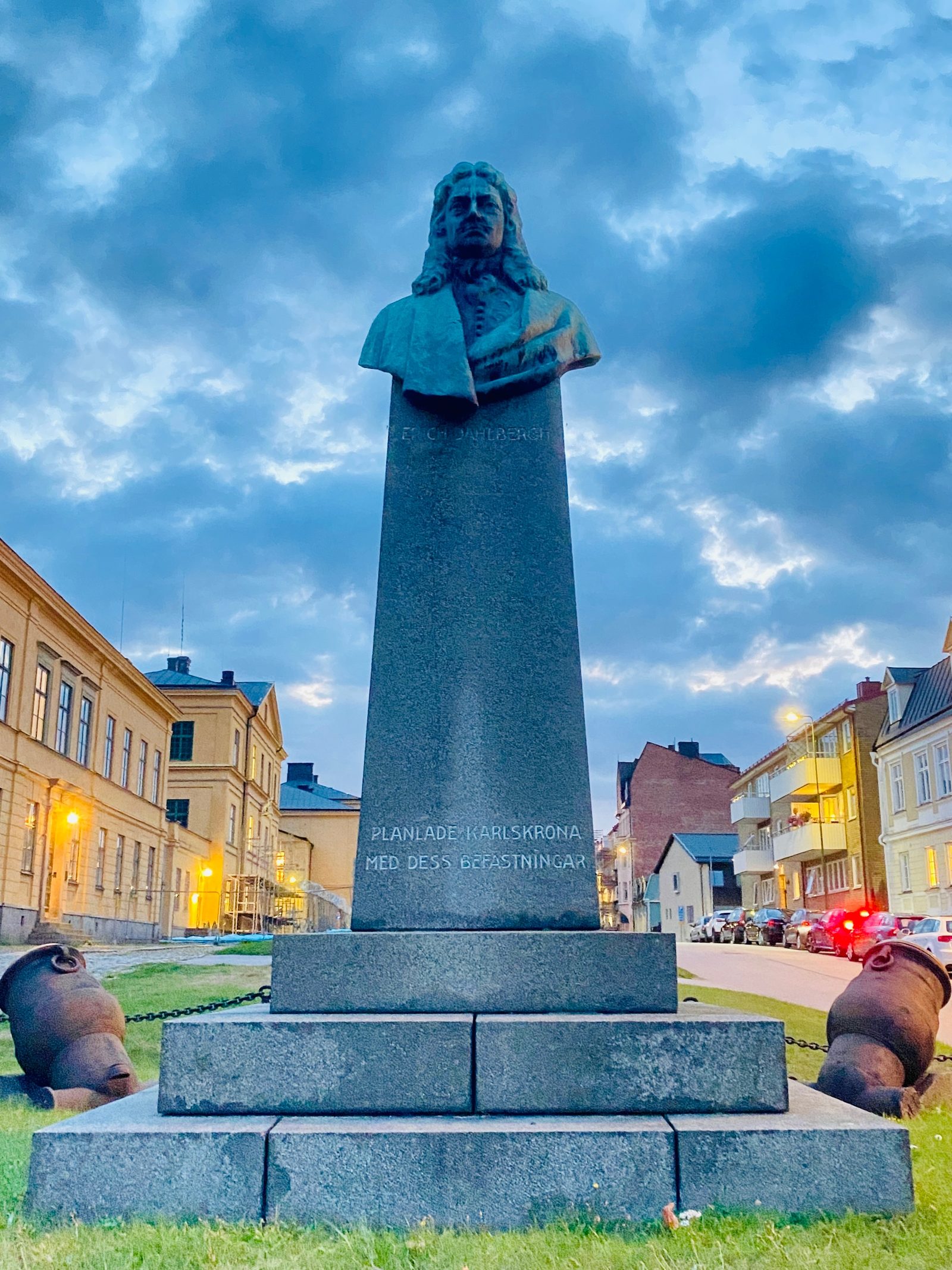
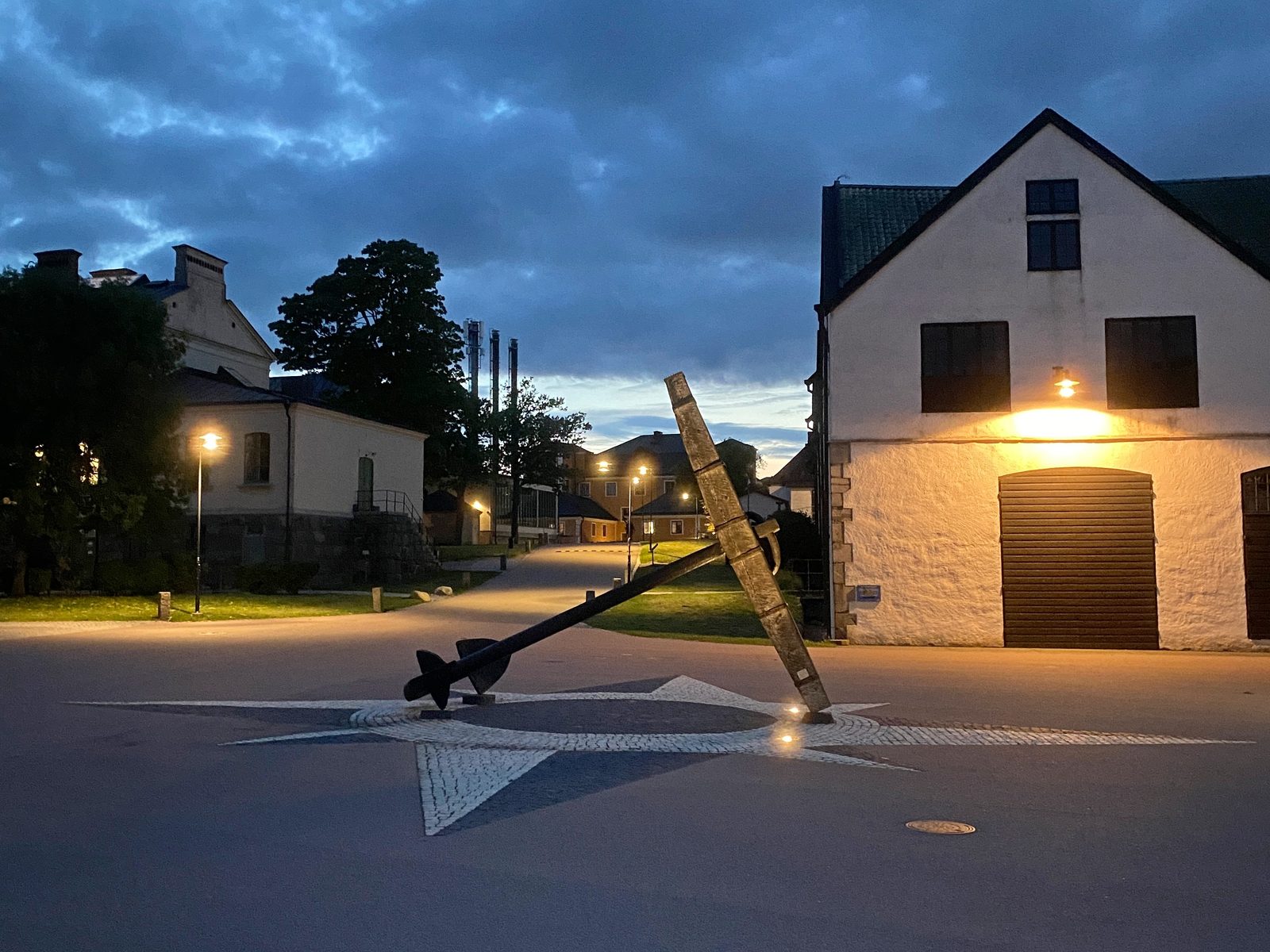
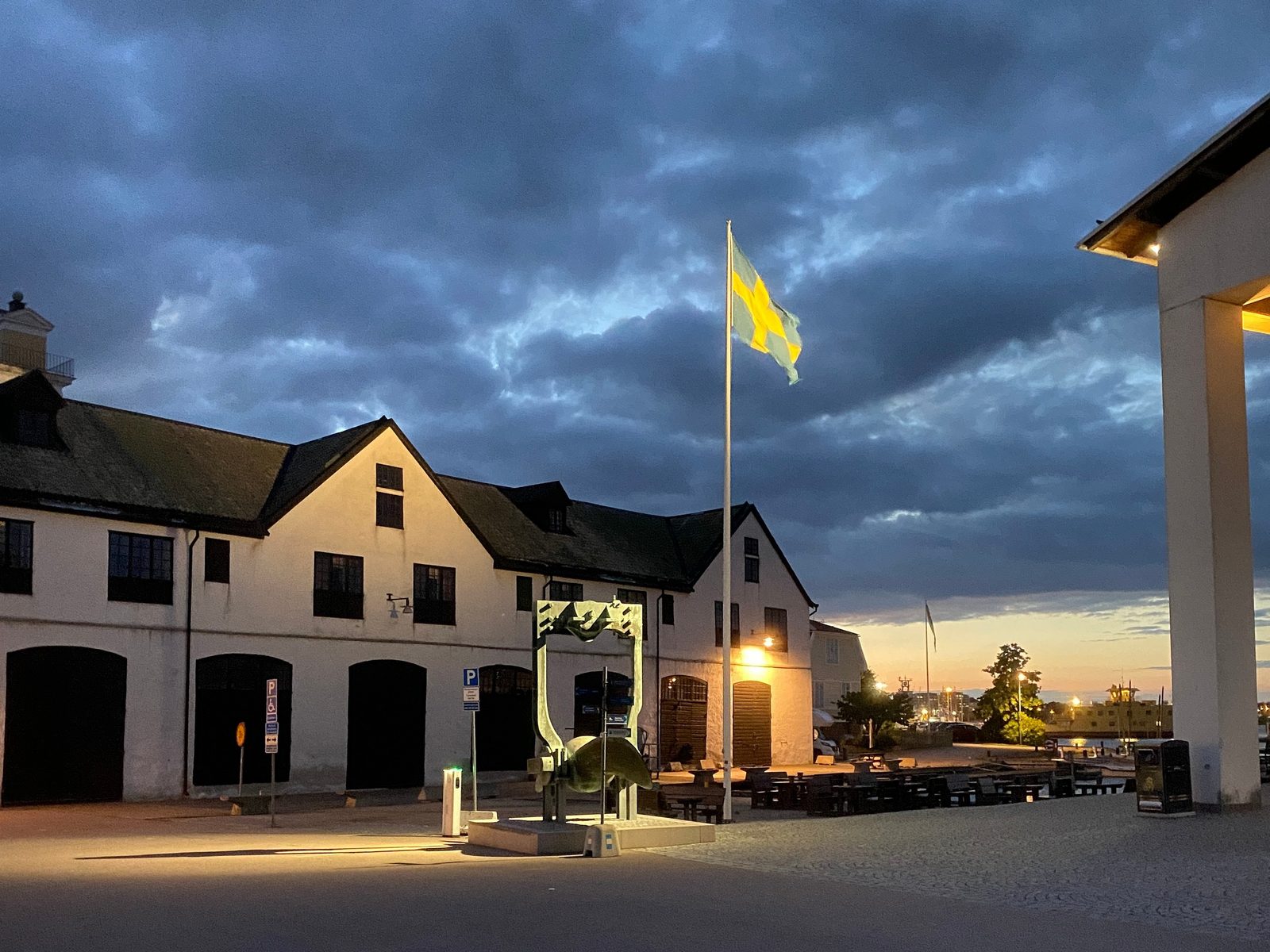
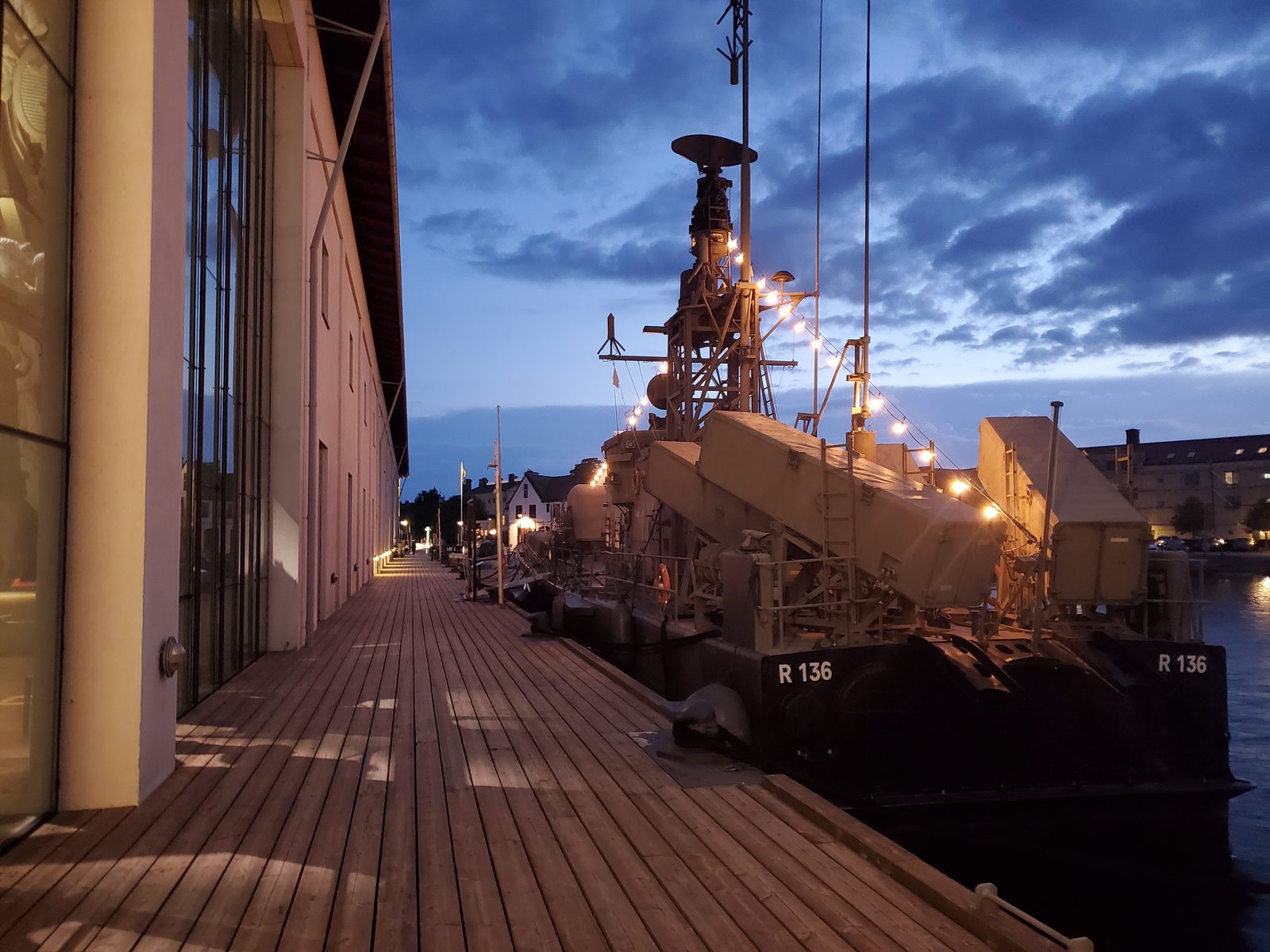
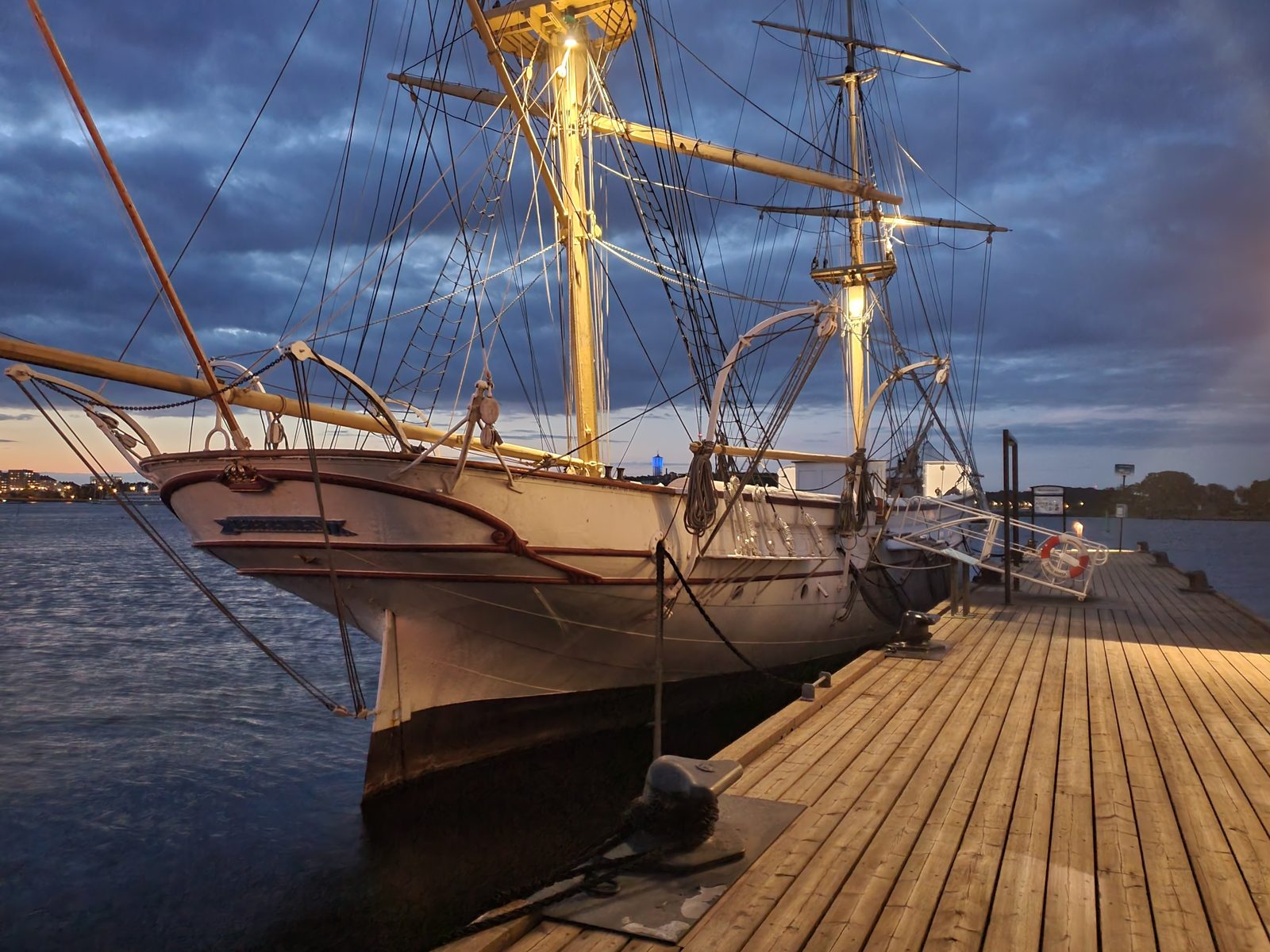
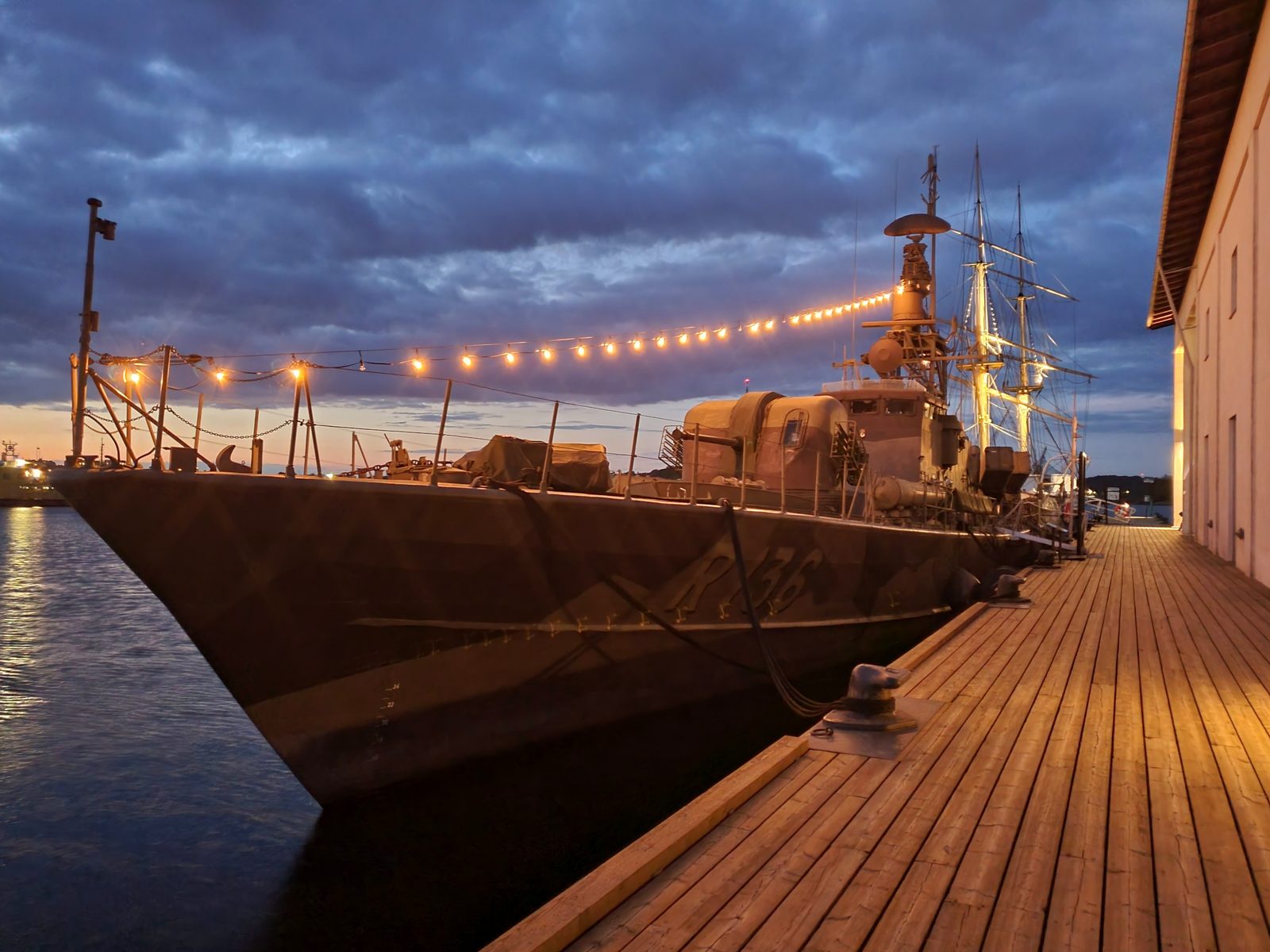
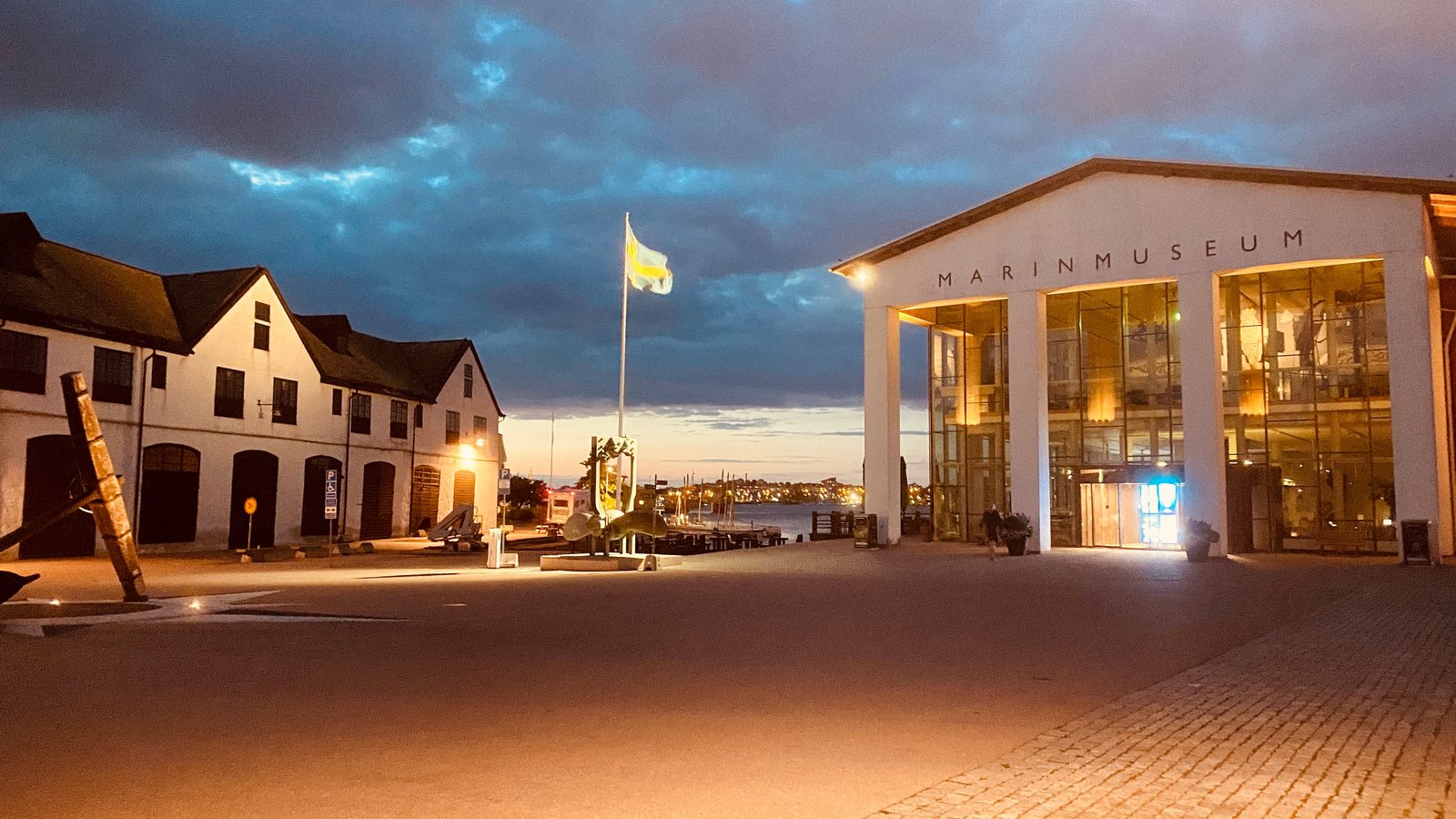
Naval Museum (also known as Marinmuseum) is Sweden’s national museum of naval history, located on the island of Stumholmen in the heart of Karlskrona’s old naval base. It tells the story of the Swedish Navy from the 16th century to the present day through interactive exhibitions, historic ship models, weapons, and maritime artefacts. One of its highlights is the chance to explore submarines and museum ships up close, including walk-through experiences that show life at sea. The museum also features dramatic displays such as figureheads from historic warships, underwater tunnels, and exhibits about Cold War naval operations. Set right by the water in a UNESCO-listed naval city, it is both a cultural landmark and one of Karlskrona’s most popular attractions.
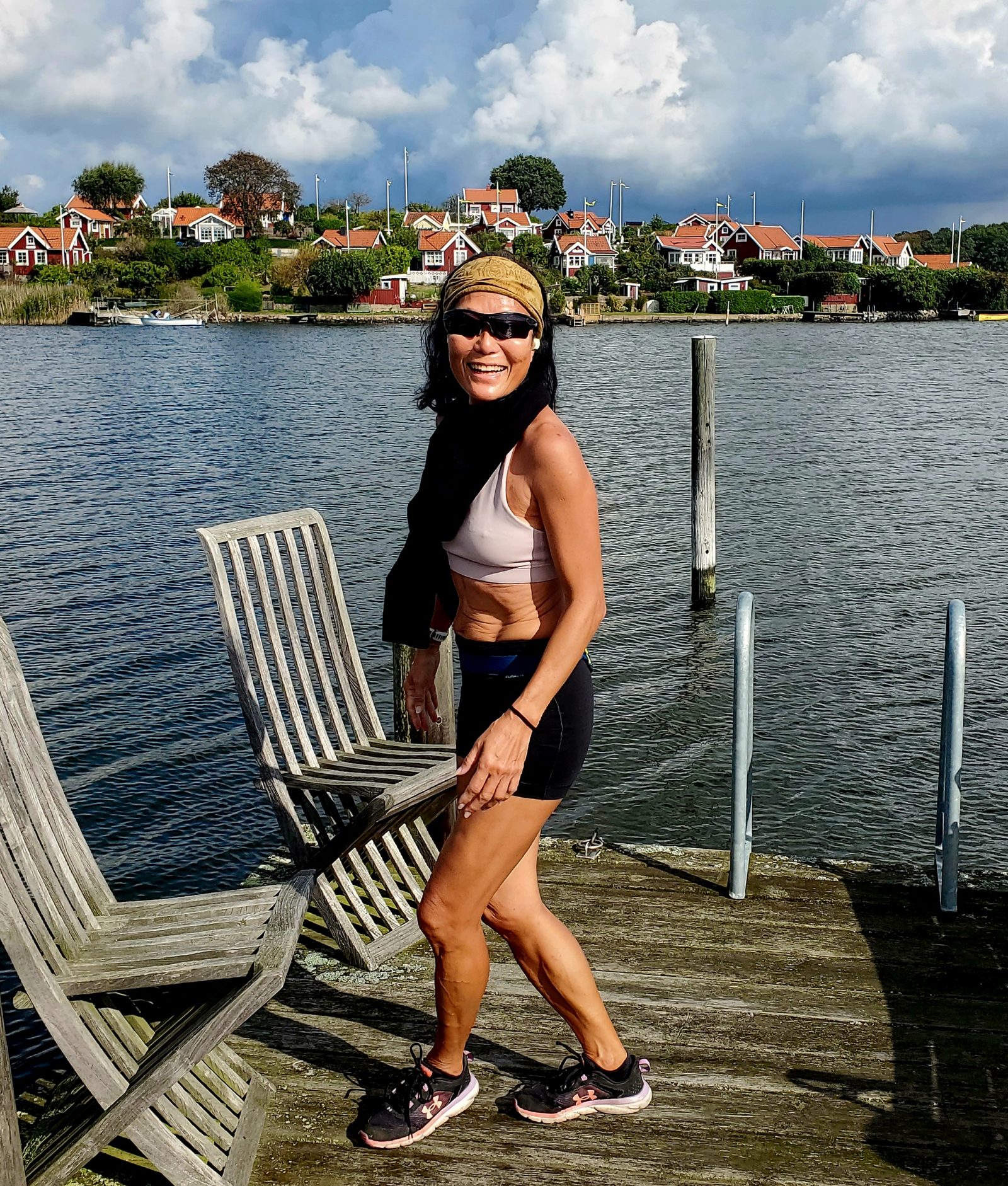
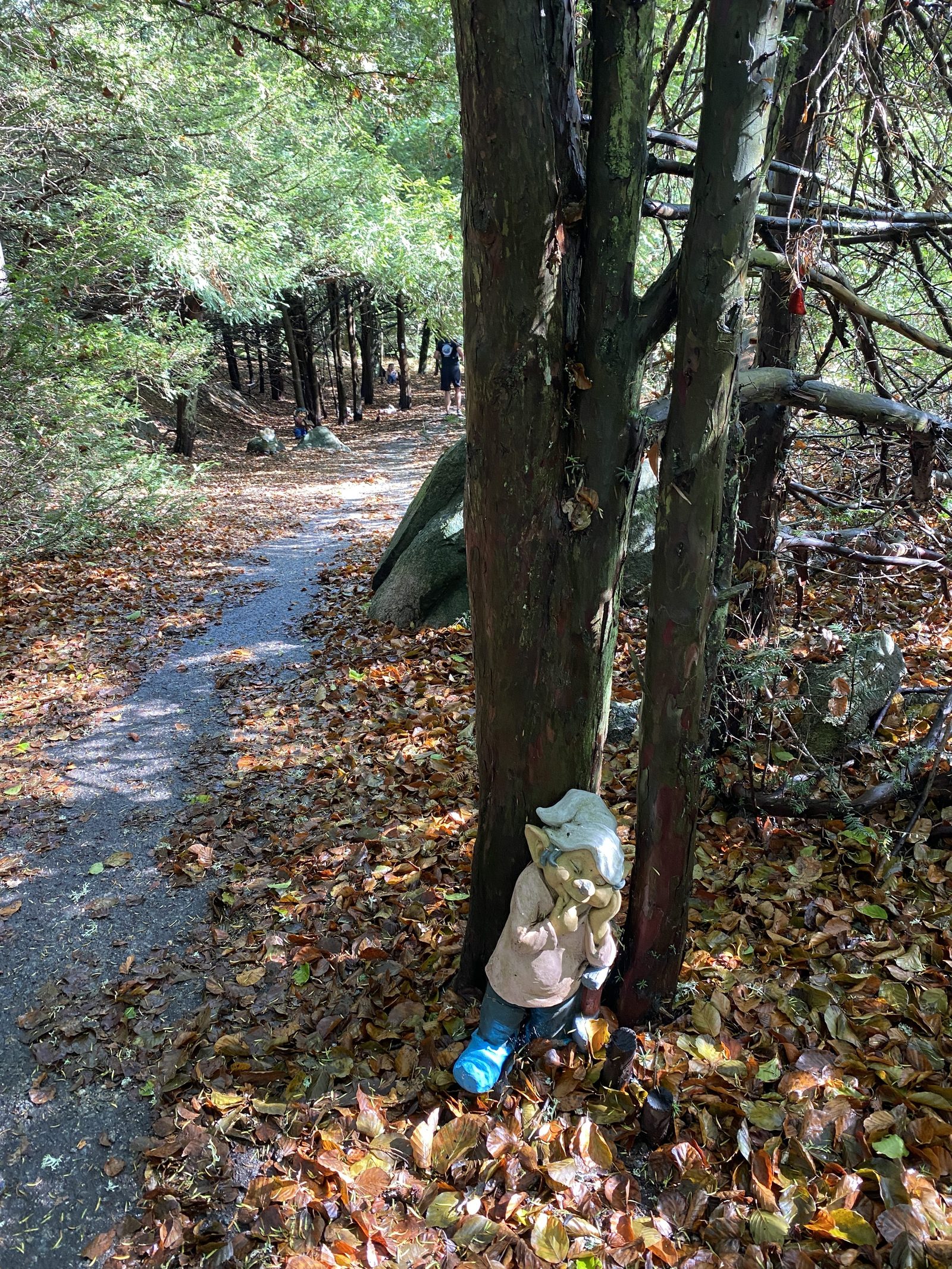
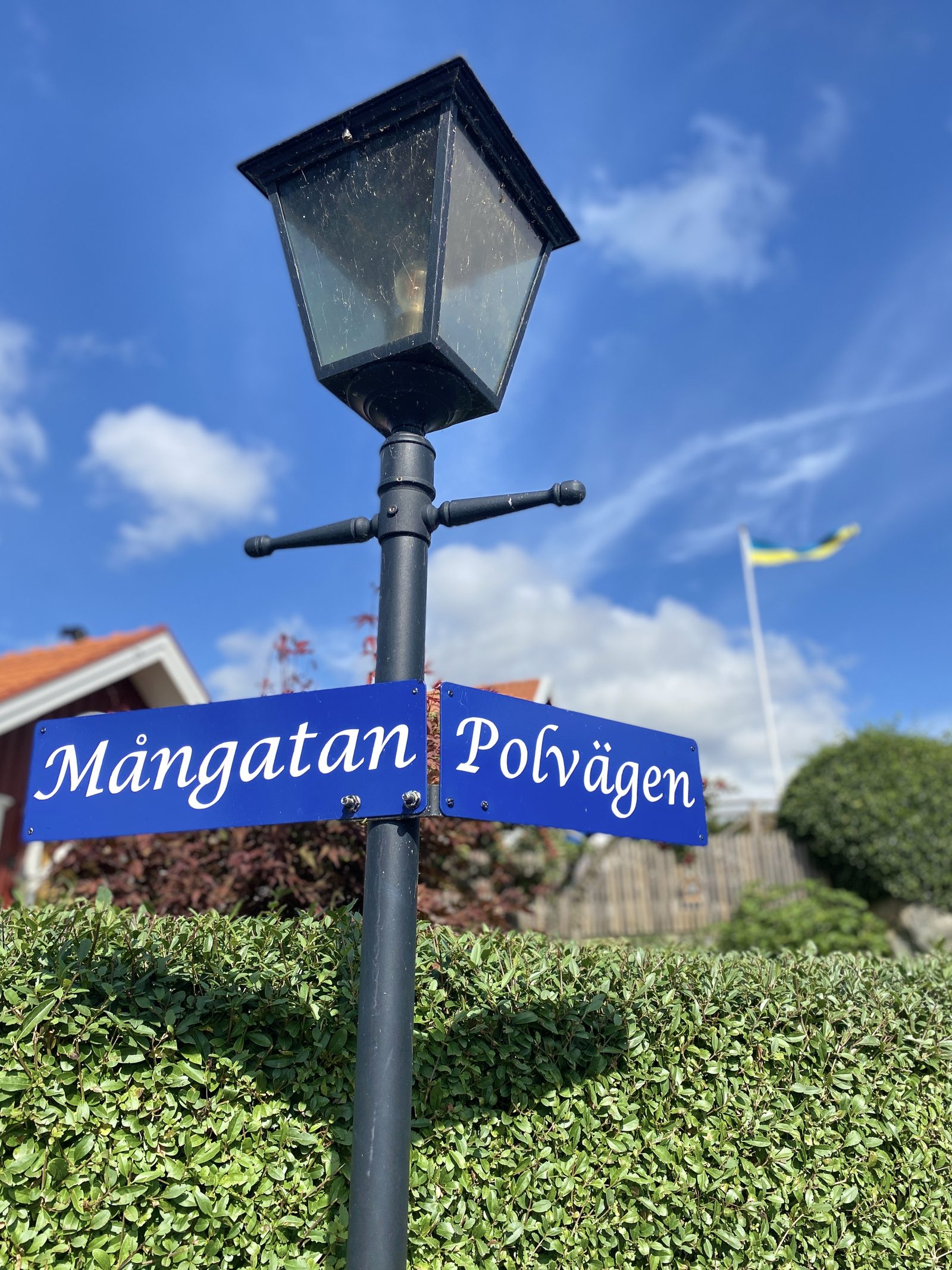
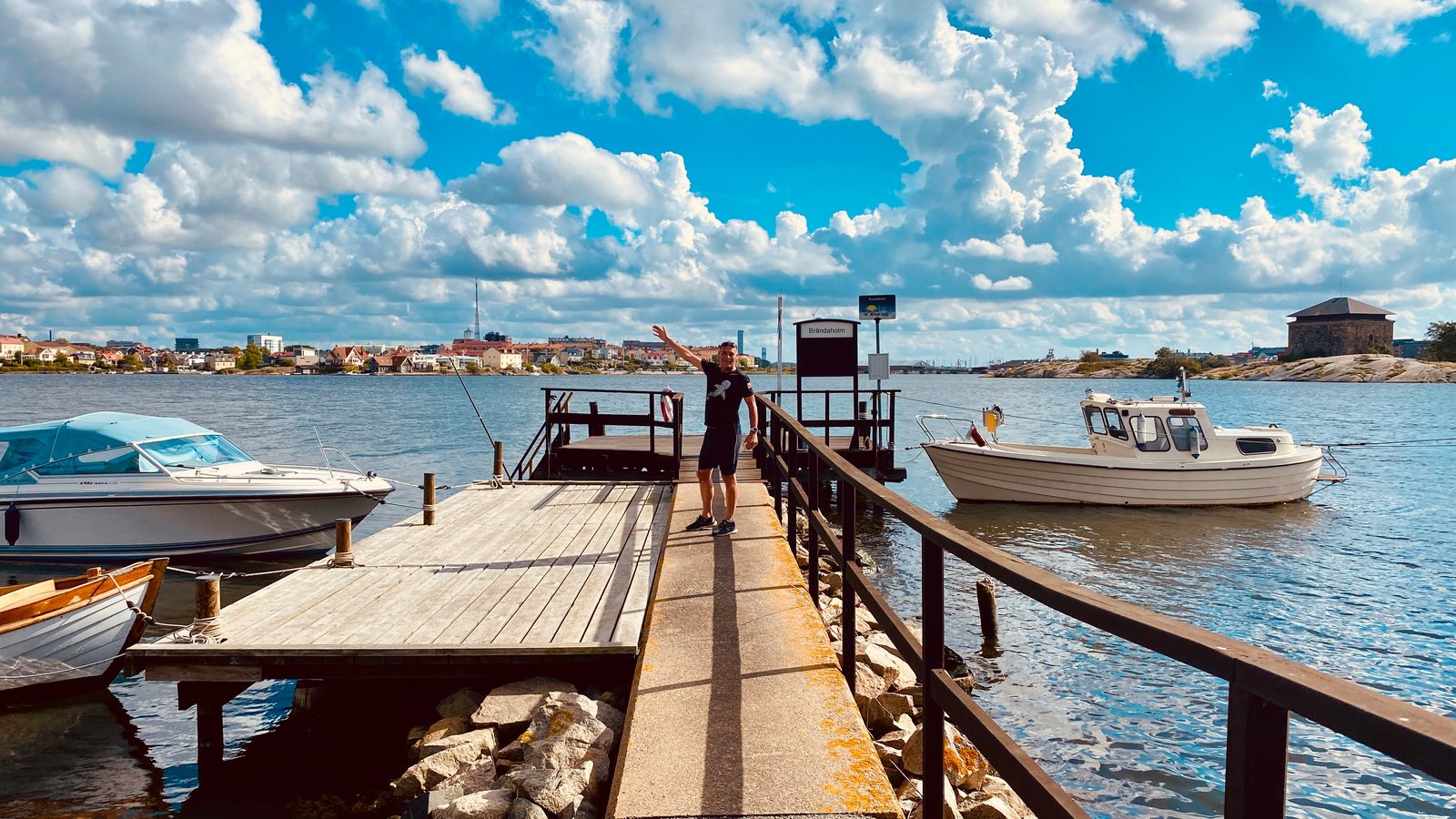
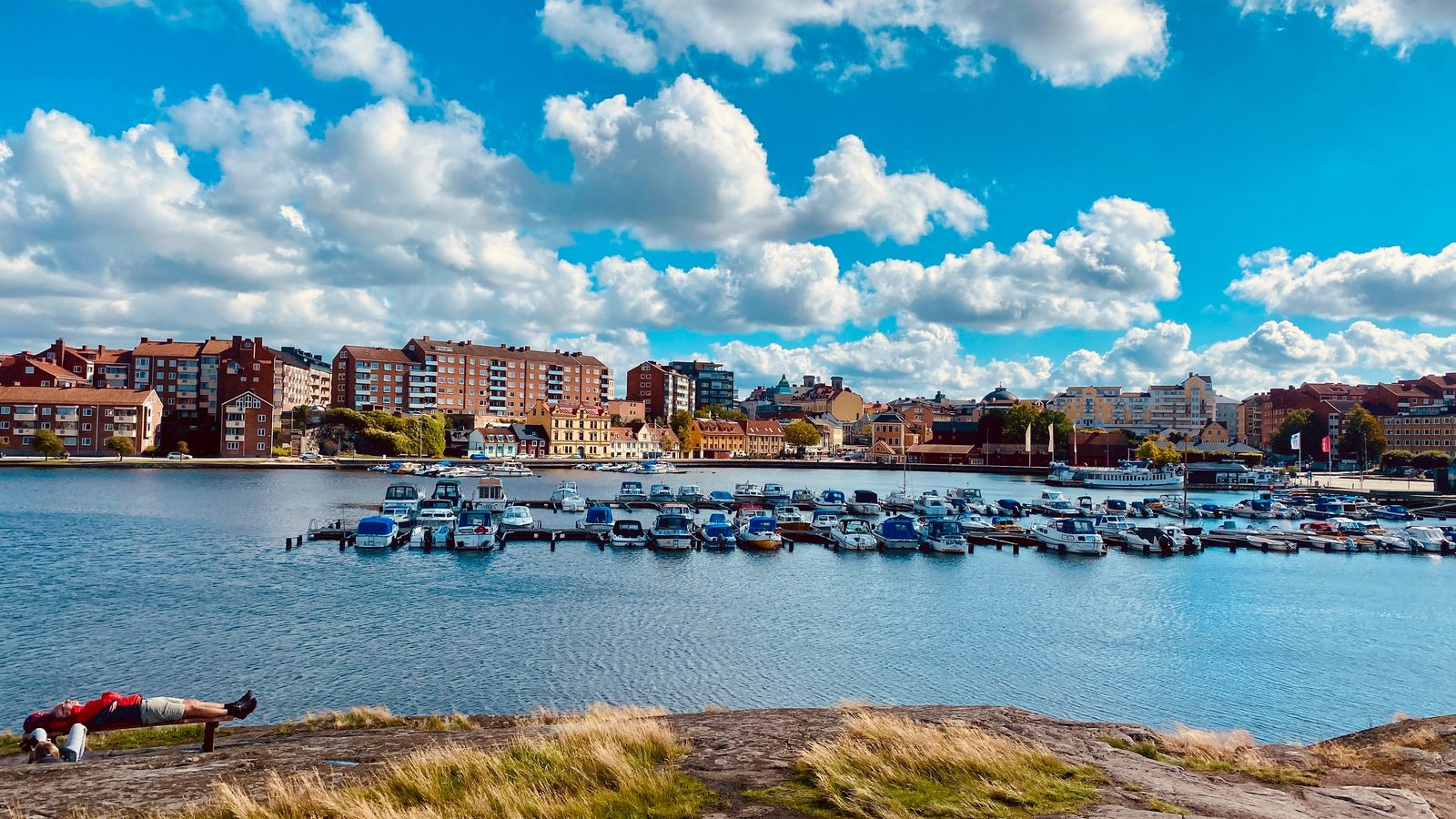
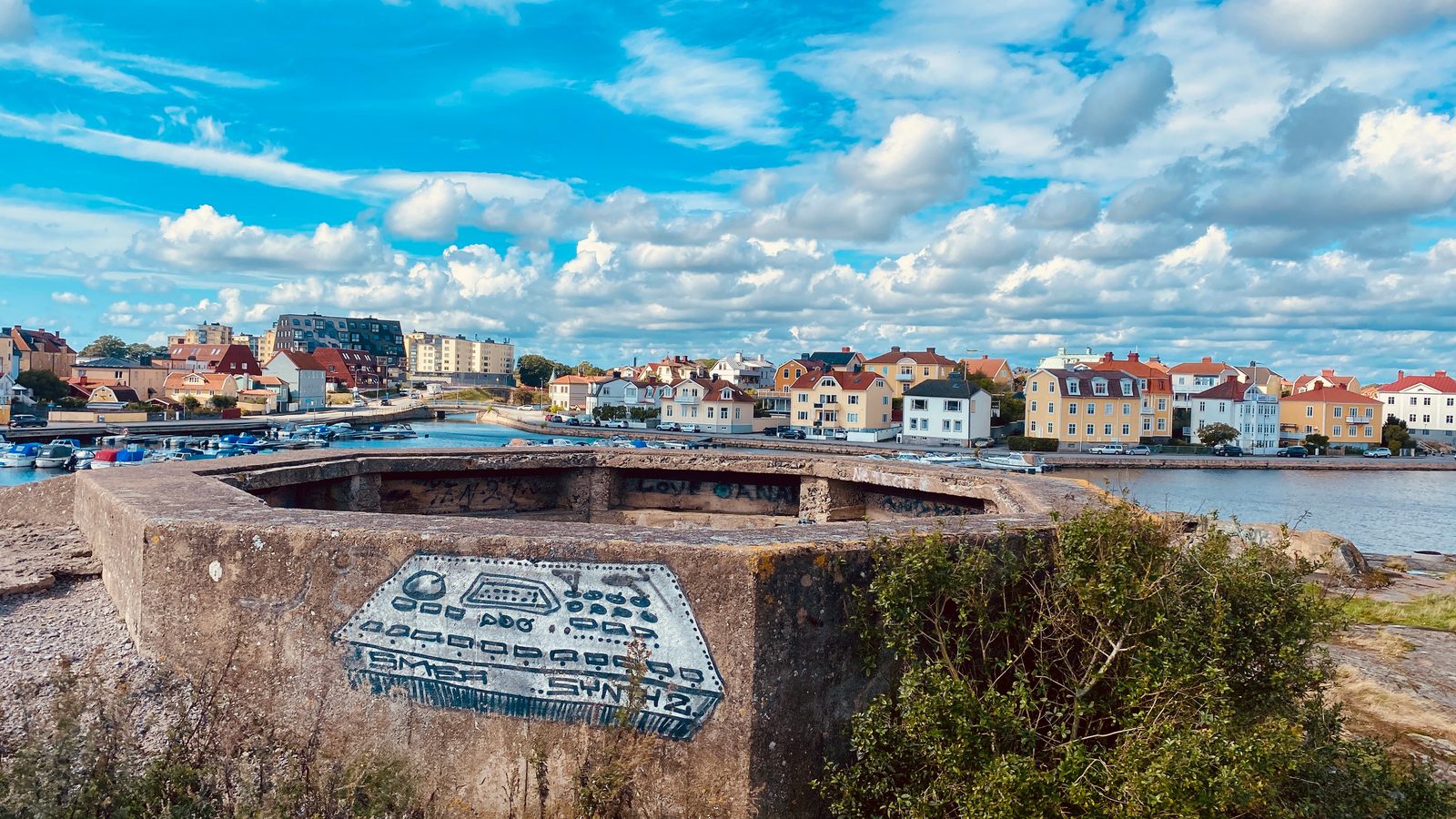
We were fortunate to have an extra day before leaving for Malmö, so Martin and Ivy decided to go for a run and explore the surrounding areas of Karlskrona. The suburban neighbourhoods around Mångatan and Polvägen offer a peaceful coastal lifestyle, with quiet residential streets, greenery, and glimpses of the nearby archipelago. Further north towards Dragsö, the landscape opens up into waterfront parks and family-friendly playgrounds, creating a relaxed connection between nature and the sea. During the run, they also came across a unique Scandinavian tradition known as Stora Nappträdet, or the “Great Pacifier Tree,” where children hang their colorful pacifiers as a symbolic farewell, marking an important and gentle step toward growing up.


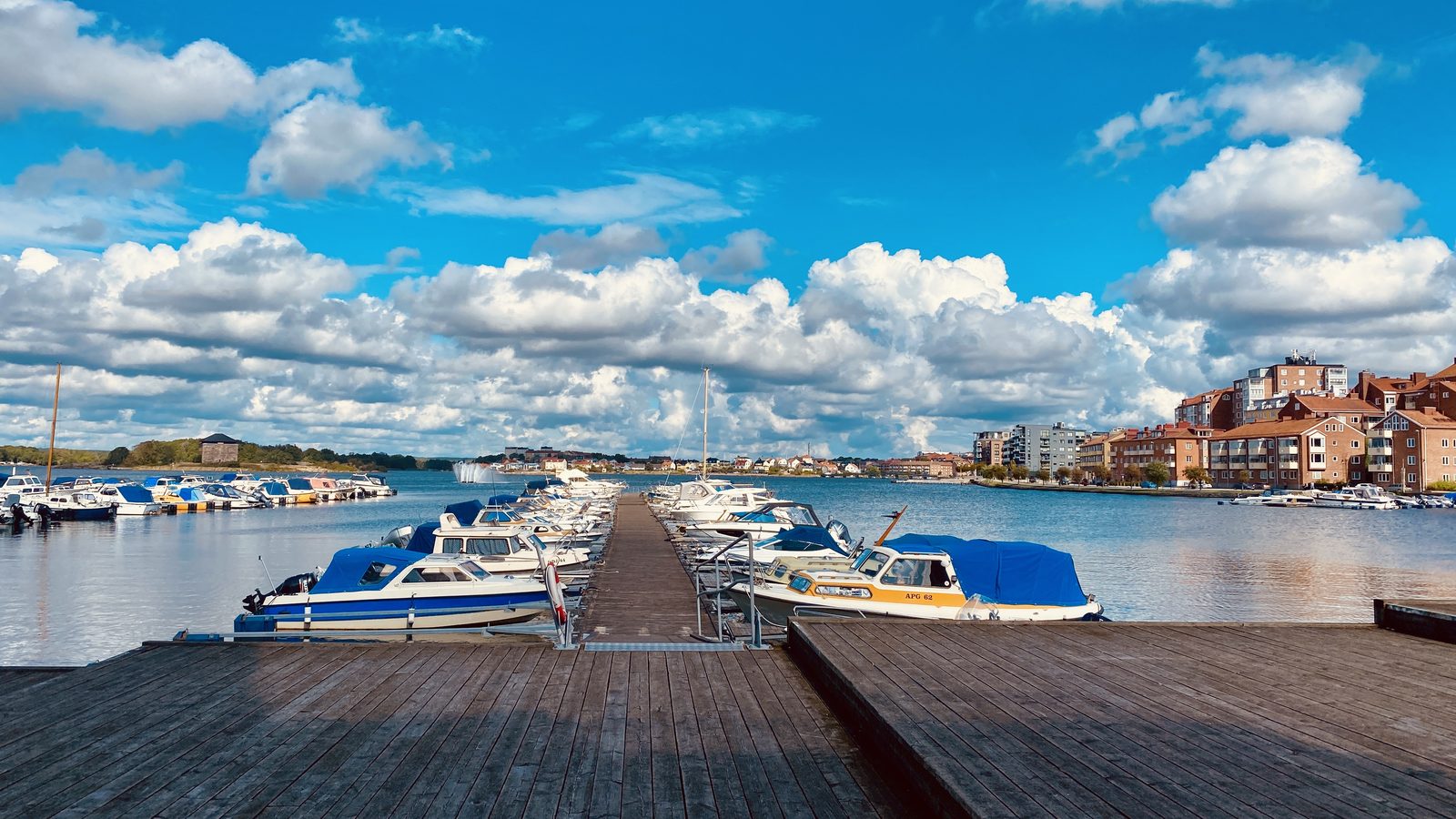
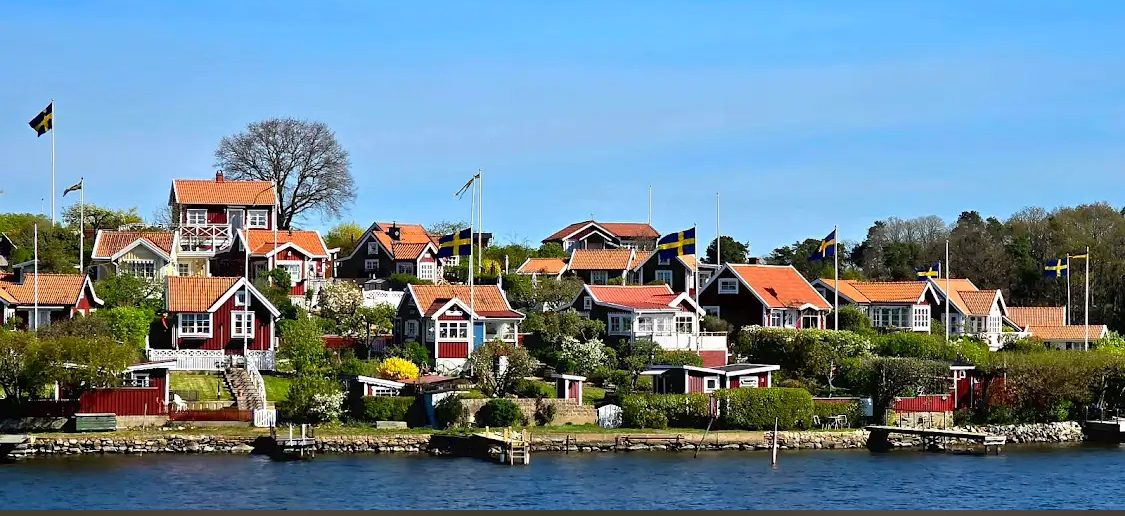
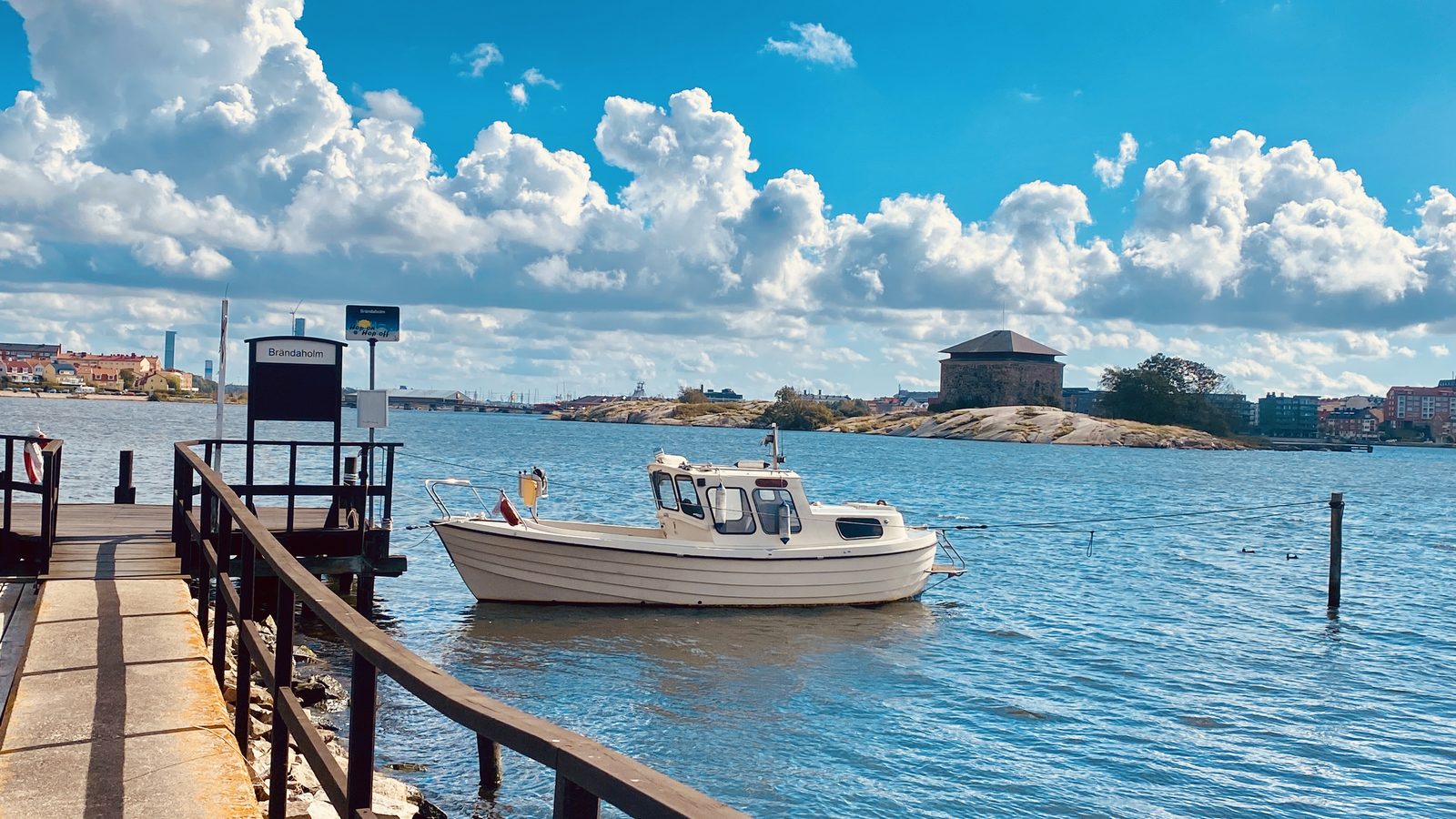
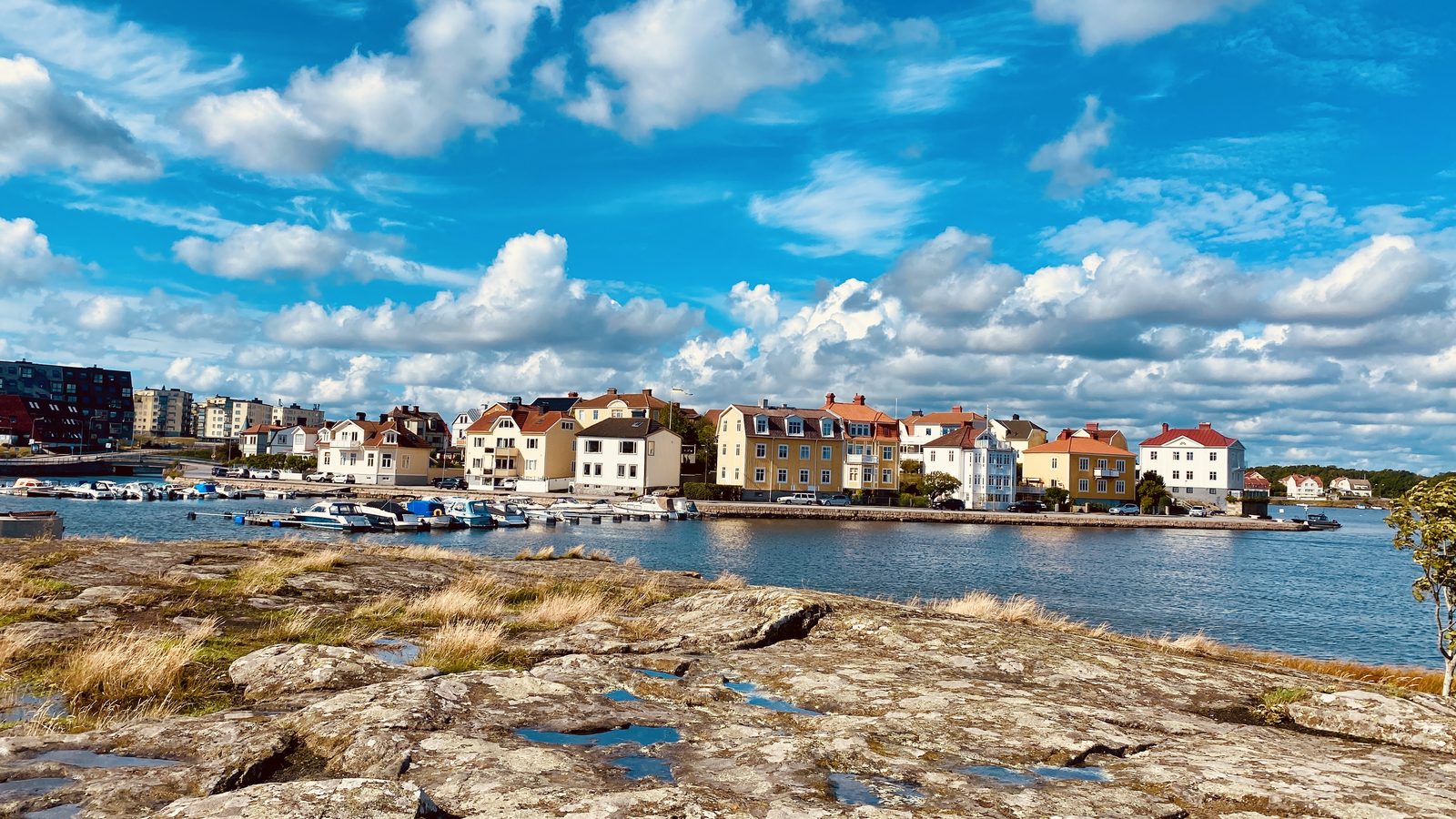
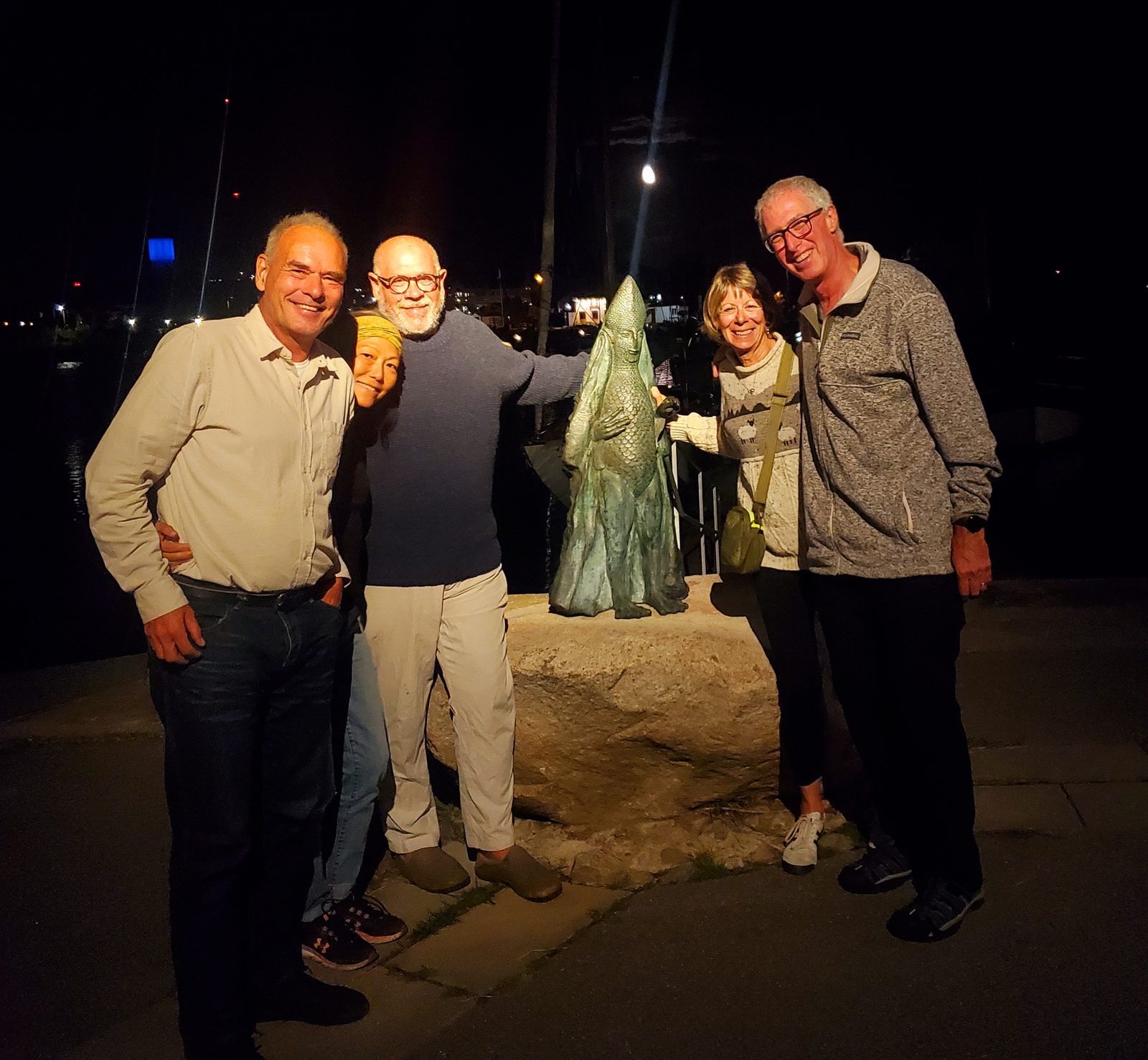
We ended our stay in Karlskrona with a simple but memorable evening, sharing a delicious meal and unhurried conversation with our neighbours MJ & Adam on the same dock. It was one of those moments where everything felt easy and unforced, allowing us to fully enjoy the journey and reflect on the experiences of the days behind us. As the evening settled in, it left us with a lasting memory of yet another meaningful leg of our trip.