Total Distance : 465.43 nautical miles
Average Speed : 6.79 knots
Time Enroute : 68.32 hours
While the original plan was to stop in Bilbao, after some discussion, and weighing both weather and time, we decided that A Coruña would make a better option for our next waypoint. The decision to aim for A Coruña gave us more flexibility and preserved energy for the next leg of our journey.
For reference:
- Portimão to Bilbao: ~550–600 nautical miles (depending on the chosen coastal route around the Iberian Peninsula).
- Portimão to A Coruña: ~400–420 nautical miles (a more direct northward route along the Atlantic coast of Portugal and Galicia).
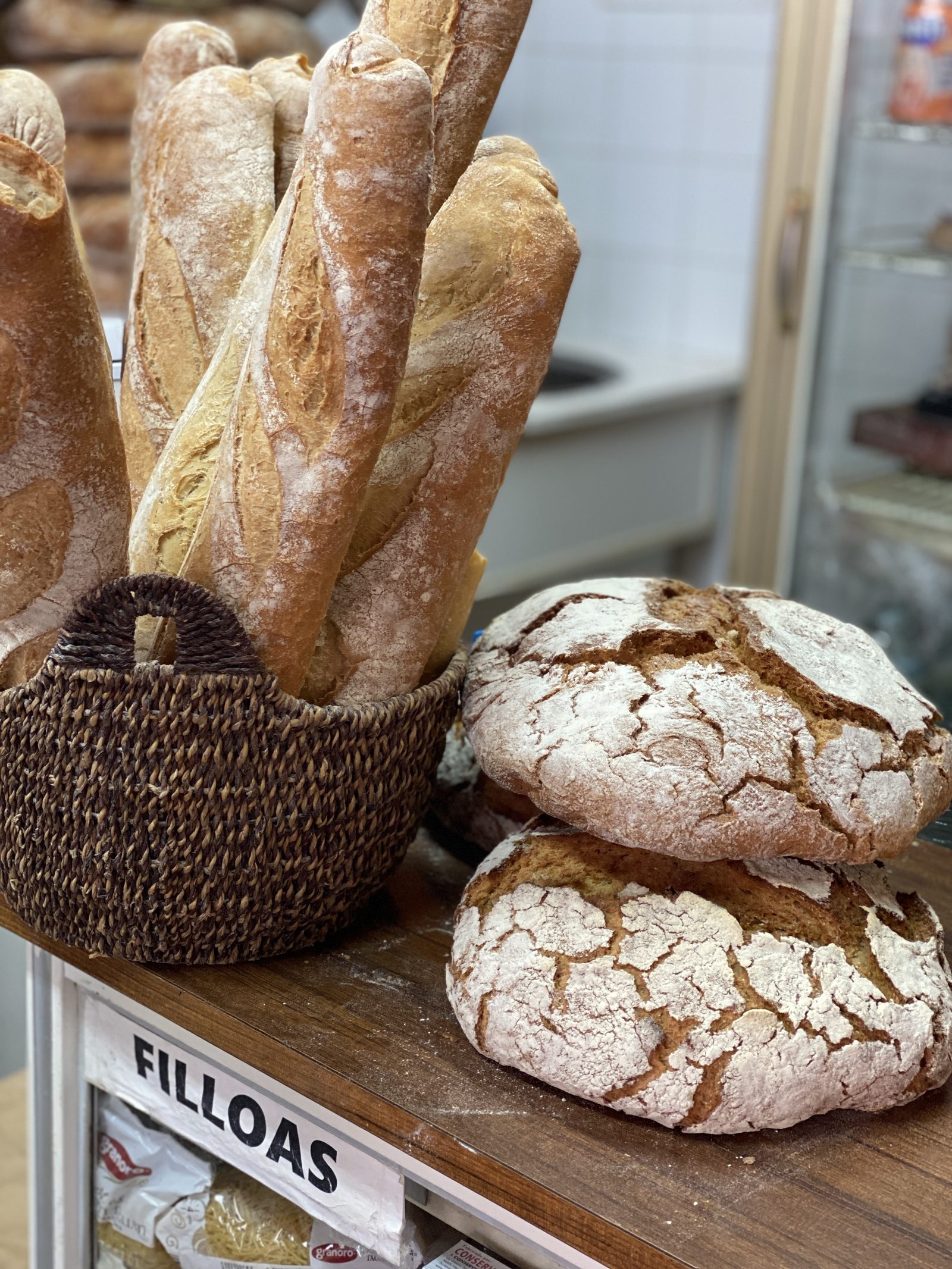
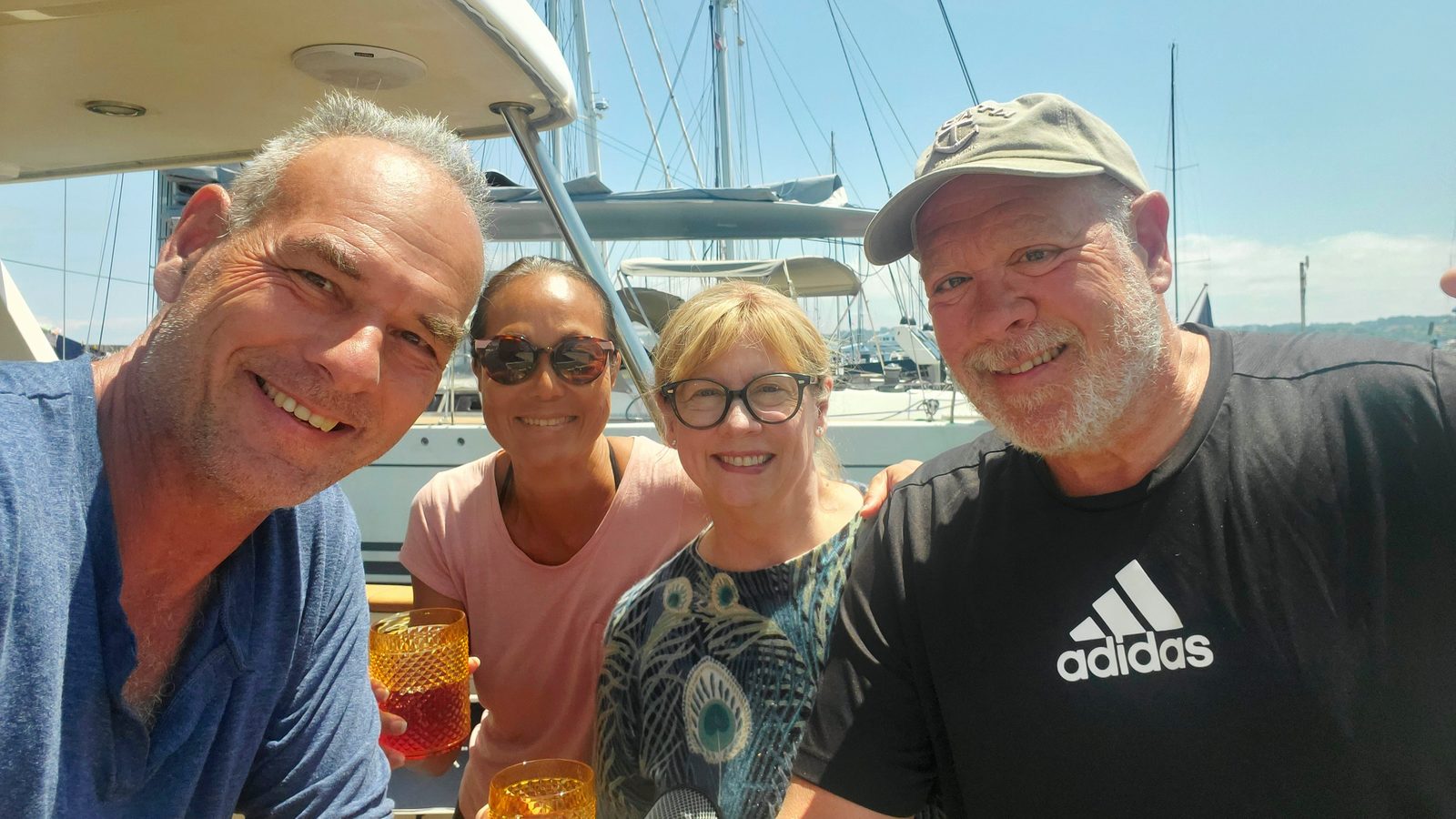
We had an enjoyable reunion with Michel on June 18th before bidding farewell to Portimão. To celebrate, we shared a spread of local wine, artisanal cheese, salami, and fresh fruit, no standard groceries from Lidl, please! (an inside joke between David and Martin). Instead, we visited small local shops, and the quality of everything we picked up was unbeatable – authentic, flavorful, and very Portimão.
The next day, June 19th at 1:00 pm, we set off from Portimão, heading north along the Portuguese coast. We were quite happy to be greeted with clear skies, calm seas, and gentle offshore breezes—perfect cruising weather. Our avid ‘fisherman’ Martin decided to throw out the fishing lure and try his luck. Meanwhile, David, ever industrious, found tasks to do around the boat. Mikel and Ivy opted for something a little more relaxing: a round of Mexican Train, a dominoes-style game that mixes strategy, luck, and plenty of laughs. According to Martin, it’s an “intelligence game”—a title he proudly claims since he wins every time we play.
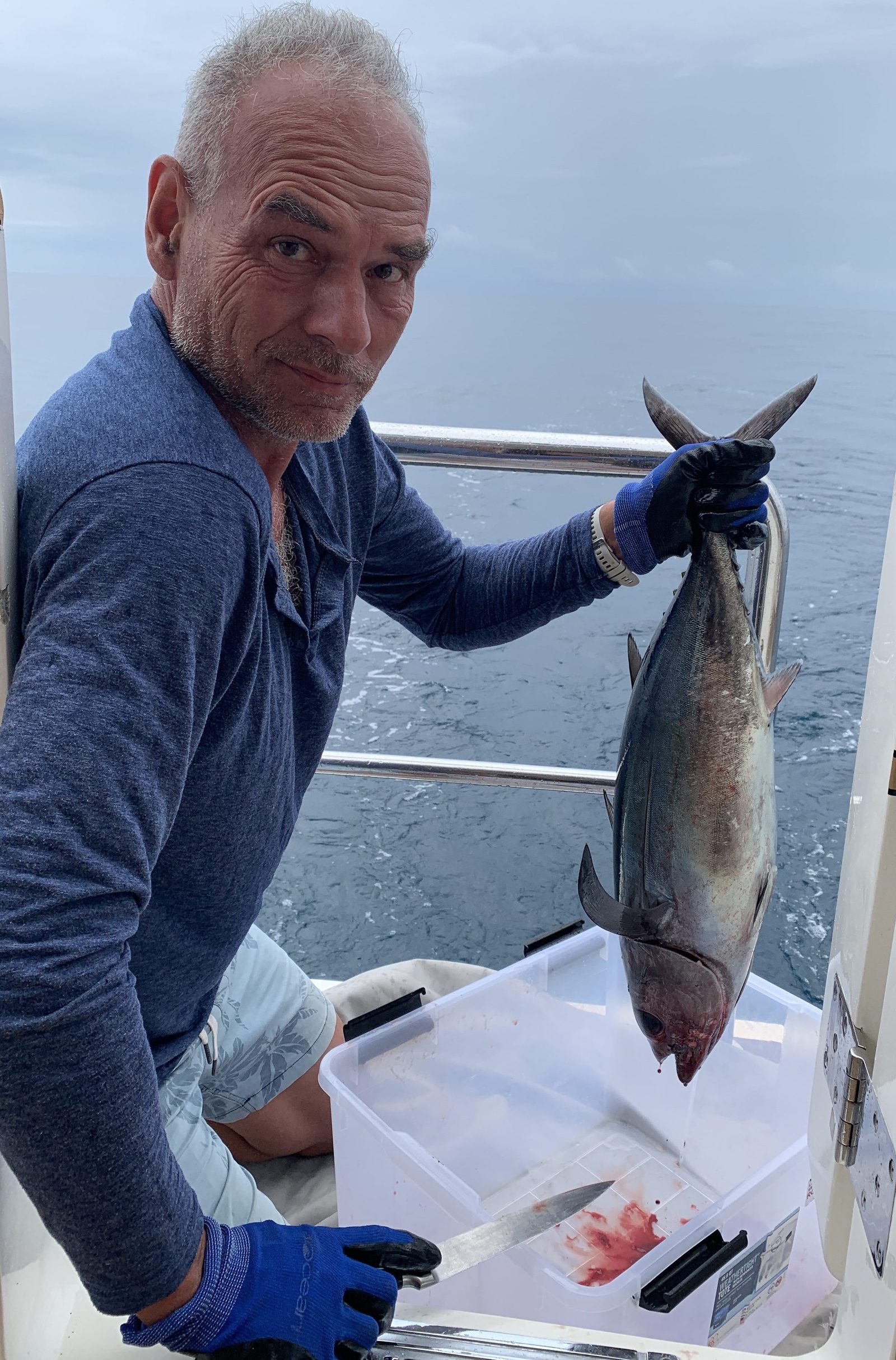
from the sea …
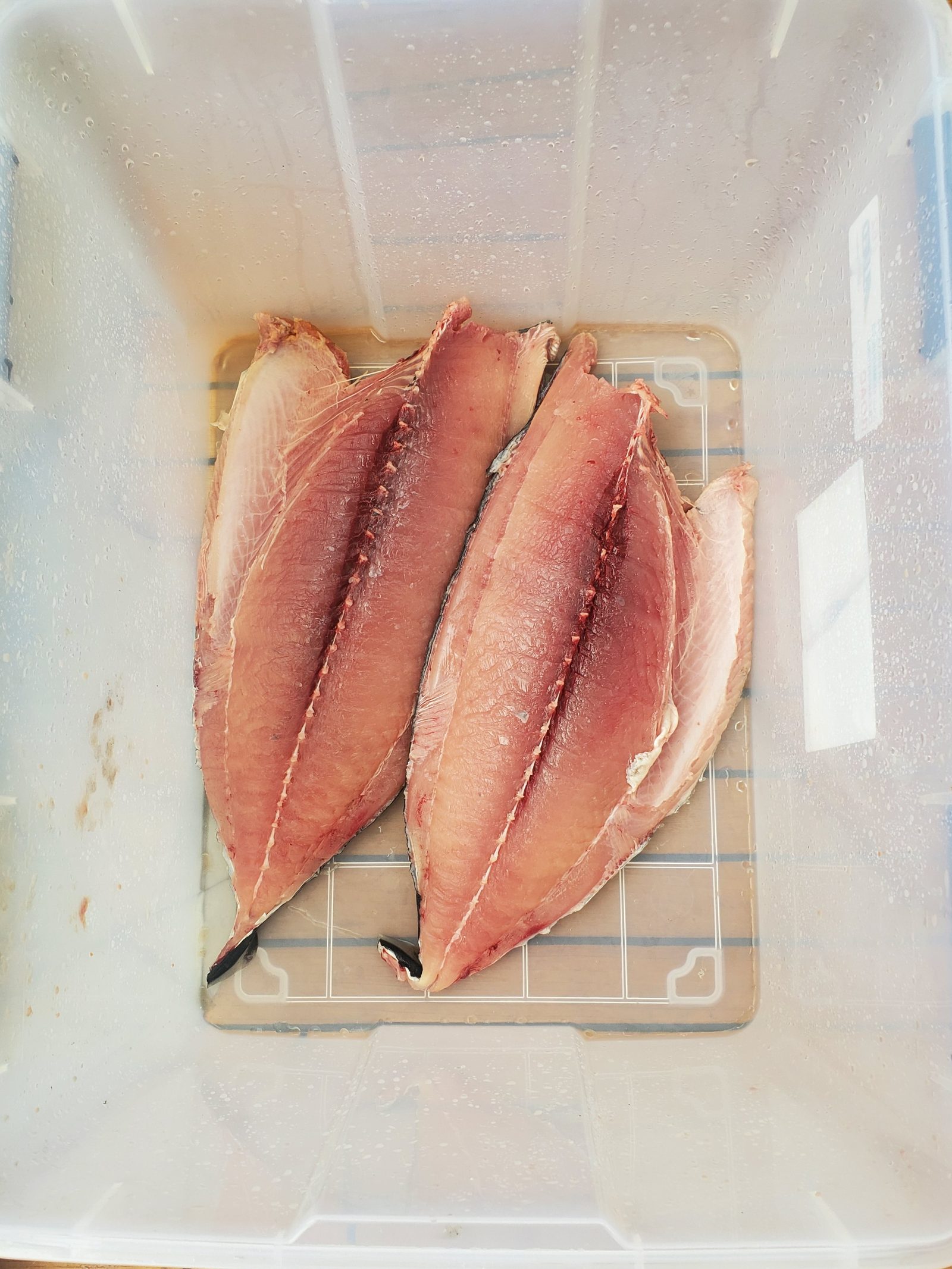
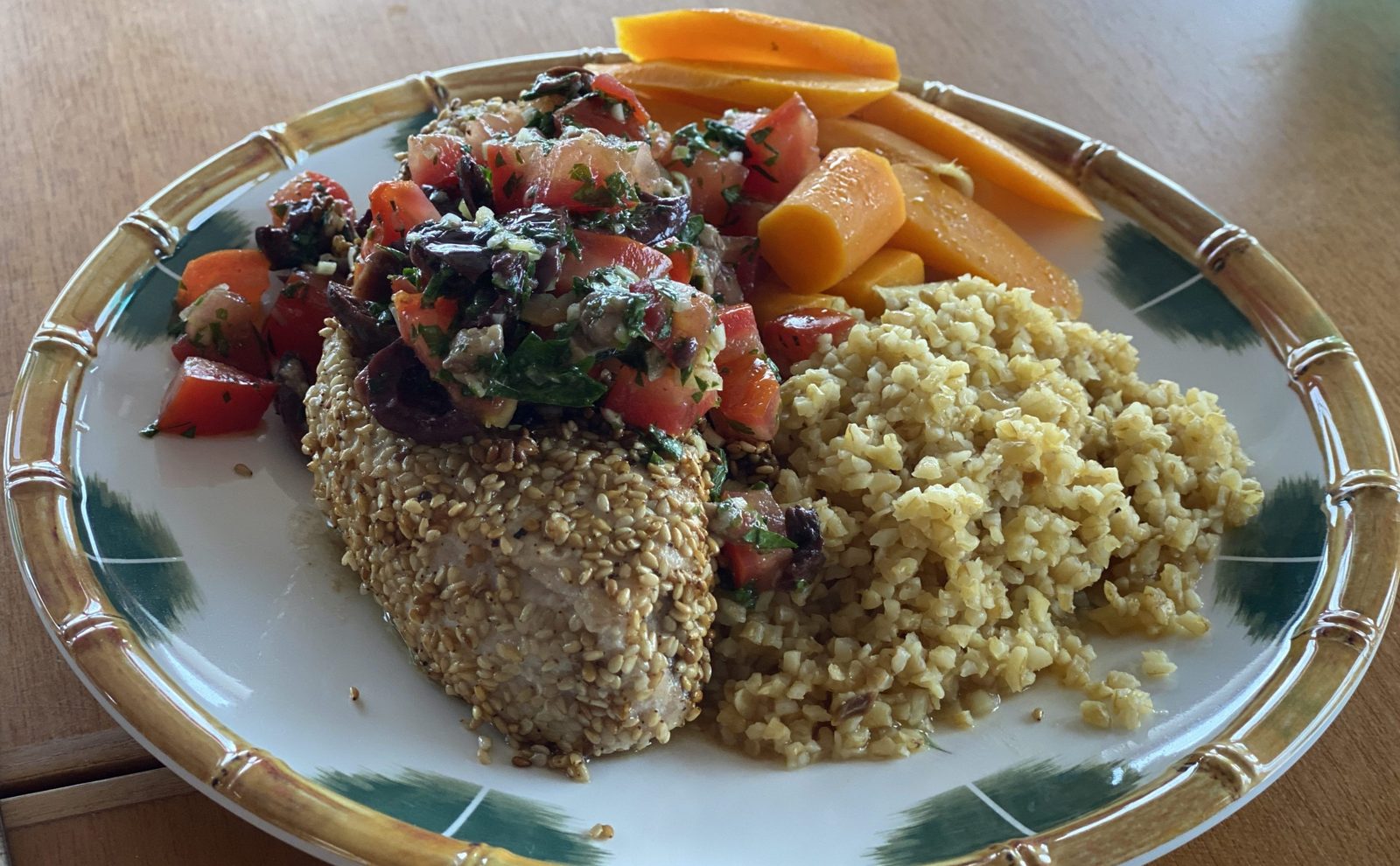
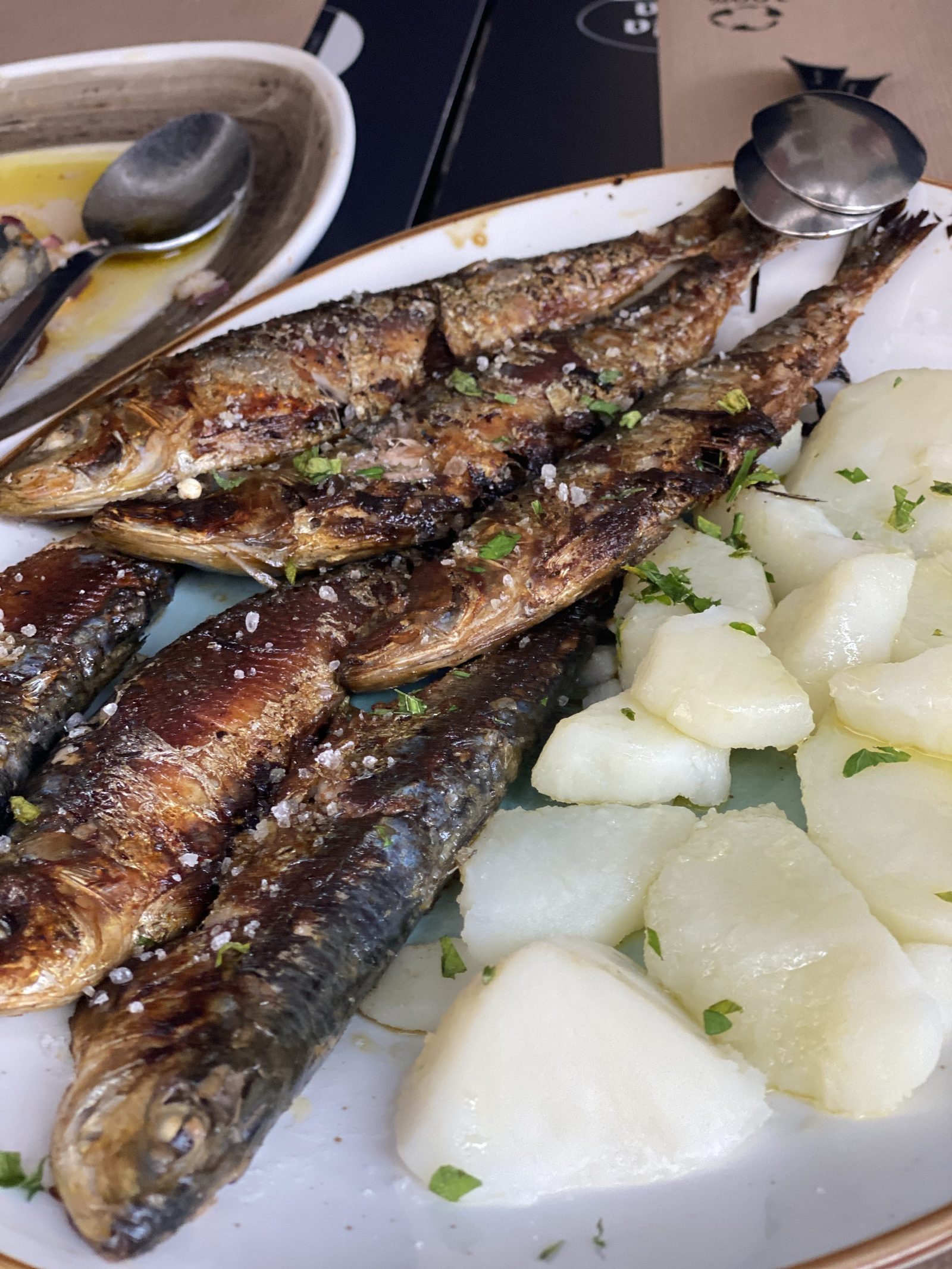
… to the table
Cruising along the Portuguese coast is a scenic and deeply rewarding experience, blending dramatic natural beauty with rich maritime character. The journey offers striking contrasts—golden cliffs giving way to pine-covered headlands, open Atlantic horizons, and charming coastal towns nestled between them.
We were constantly treated to visual highlights: iconic lighthouses, traditional windmills onshore, and offshore wind turbines quietly spinning at sea. Frequent dolphin sightings, especially off Peniche and near Porto, brought moments of pure delight. Seabirds – gulls, shearwaters, and occasionally gannets, glided alongside us, adding to the coastal magic.
Stretching from the sun-kissed Algarve in the south to the more rugged northern border with Spain, this coastline offers sailors a diverse range of stopovers, anchorages, and experiences, each with its own personality and rhythm of life at sea.
On June 19th afternoon was under clear to partly cloudy skies, with light NW breezes at 10-15 knots The visibility was excellent and it was smooth cruising past Cape St Vincent with a little swell near Sagnes. On Day 20th and 21st, we continued our coastal passage along Lisbon to Setubal coastlines, with a notable view passing Cabo da Roca, the westernmost point of mainland Europe. Rounding the Silver Coast: Nazaré, Peniche and Figueira da Foz, we experience winds of 20+ knots but steady cruising on the longest day of the year June 21st.
Our final approach to the Galician coast on the morning of June 22 was smooth and serene. Clear skies stretched overhead, and a light wind gradually eased as we entered the Rías Baixas region. The sea remained calm as we neared A Coruña, the harbor well-protected by both the long breakwater and the natural curve of the coast.
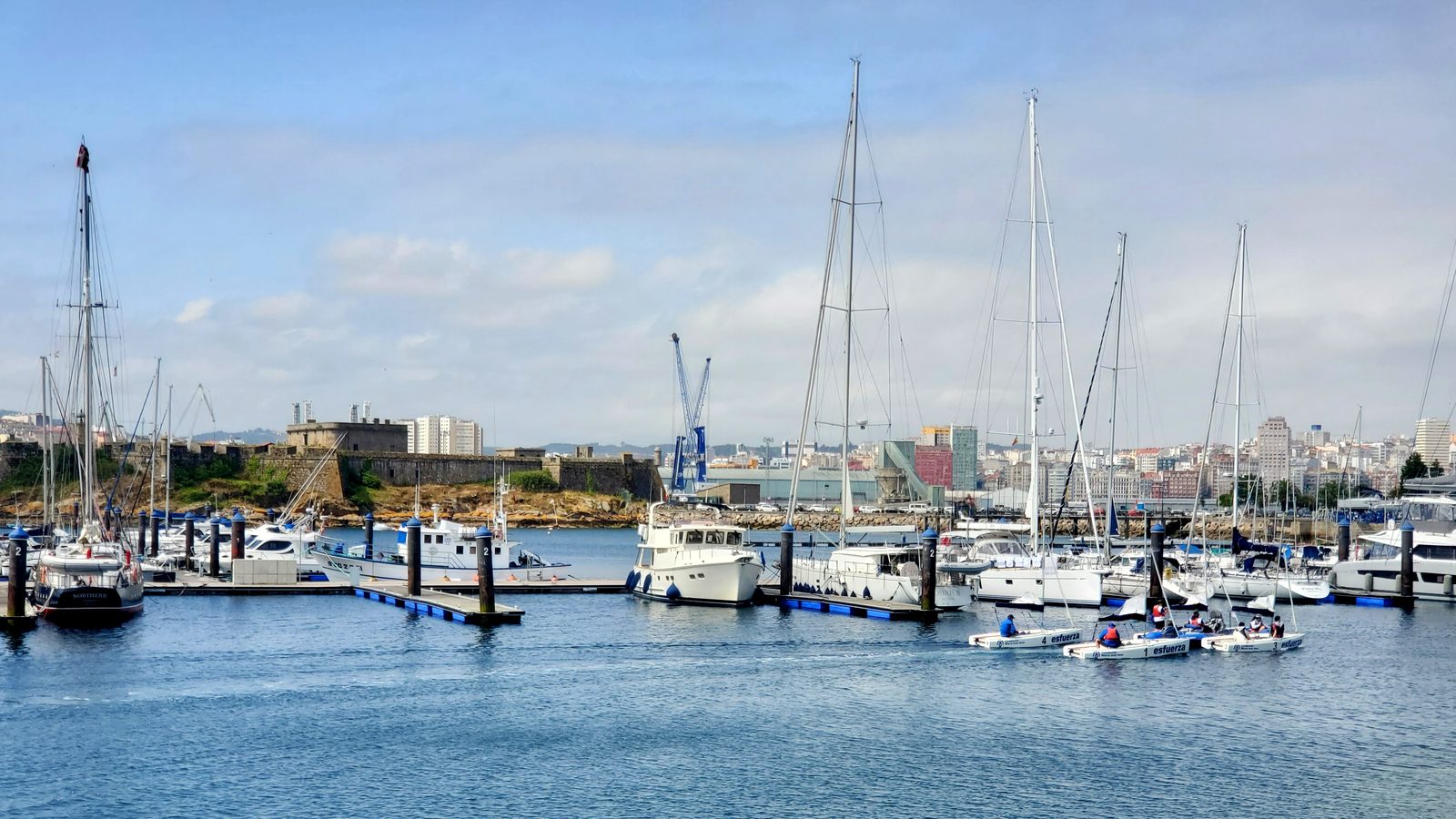
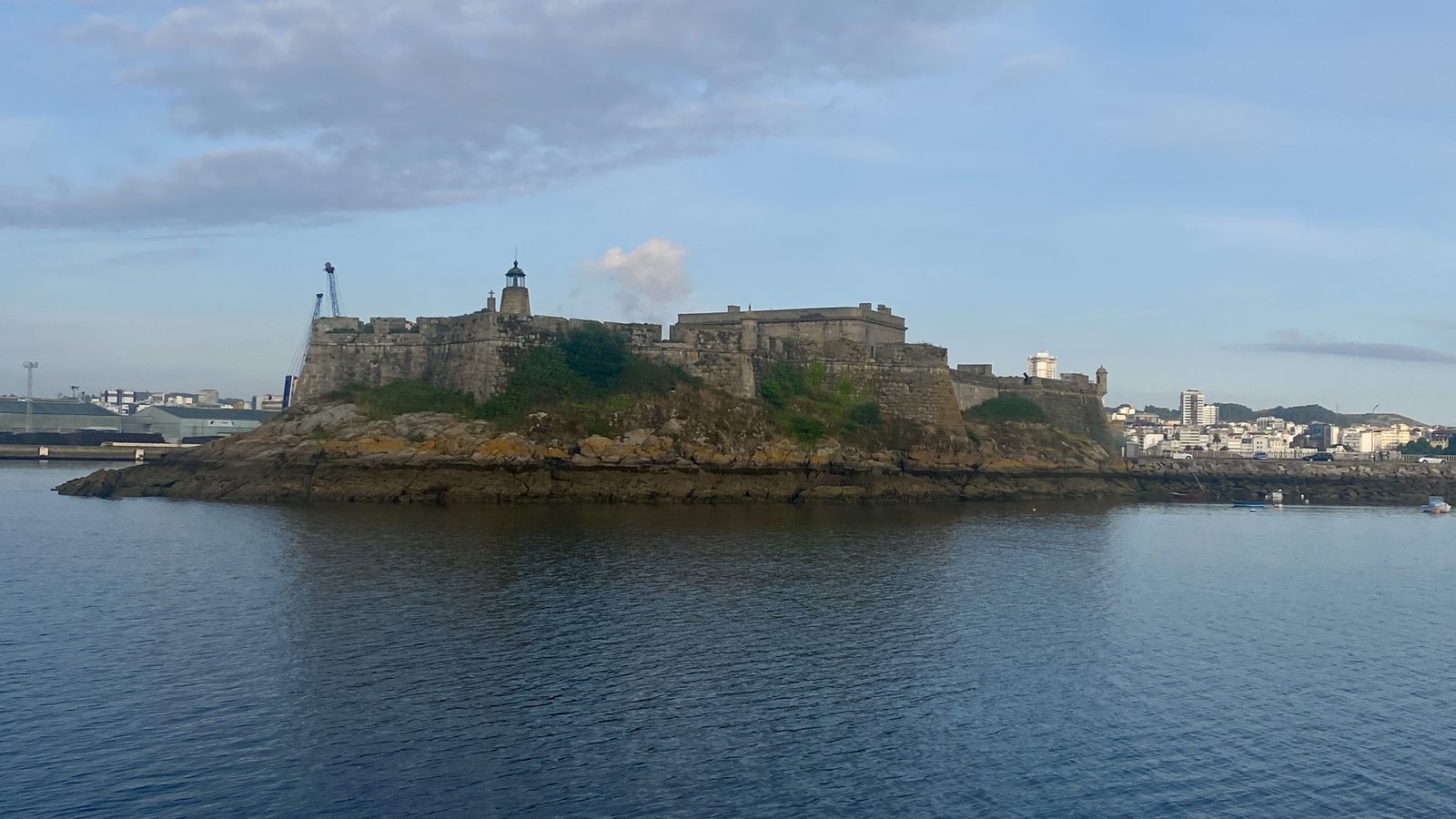
It was a picturesque arrival, sunlight catching the water and ahead of us, the skyline of the city slowly unfolded. As we made our way into the marina, the 16th-century Castelo de Santo Antón stood proudly on our port side, a silent stone sentinel welcoming us into Galicia.
After three days at sea, it was truly pleasant to explore A Coruña by foot. This charming and walkable coastal city in Galicia, Spain, welcomed us with its relaxed pace and rich character.
The marina is perfectly located, just a stone’s throw from the beautiful old town. We strolled along Marina A Coruña (📍43°22′07″ N, 8°23′36″ W), admiring the iconic glass-fronted buildings lining Avenida de la Marina, and soon reached the nearby Castelo de Santo Antón, a 16th-century fortress guarding the harbor.
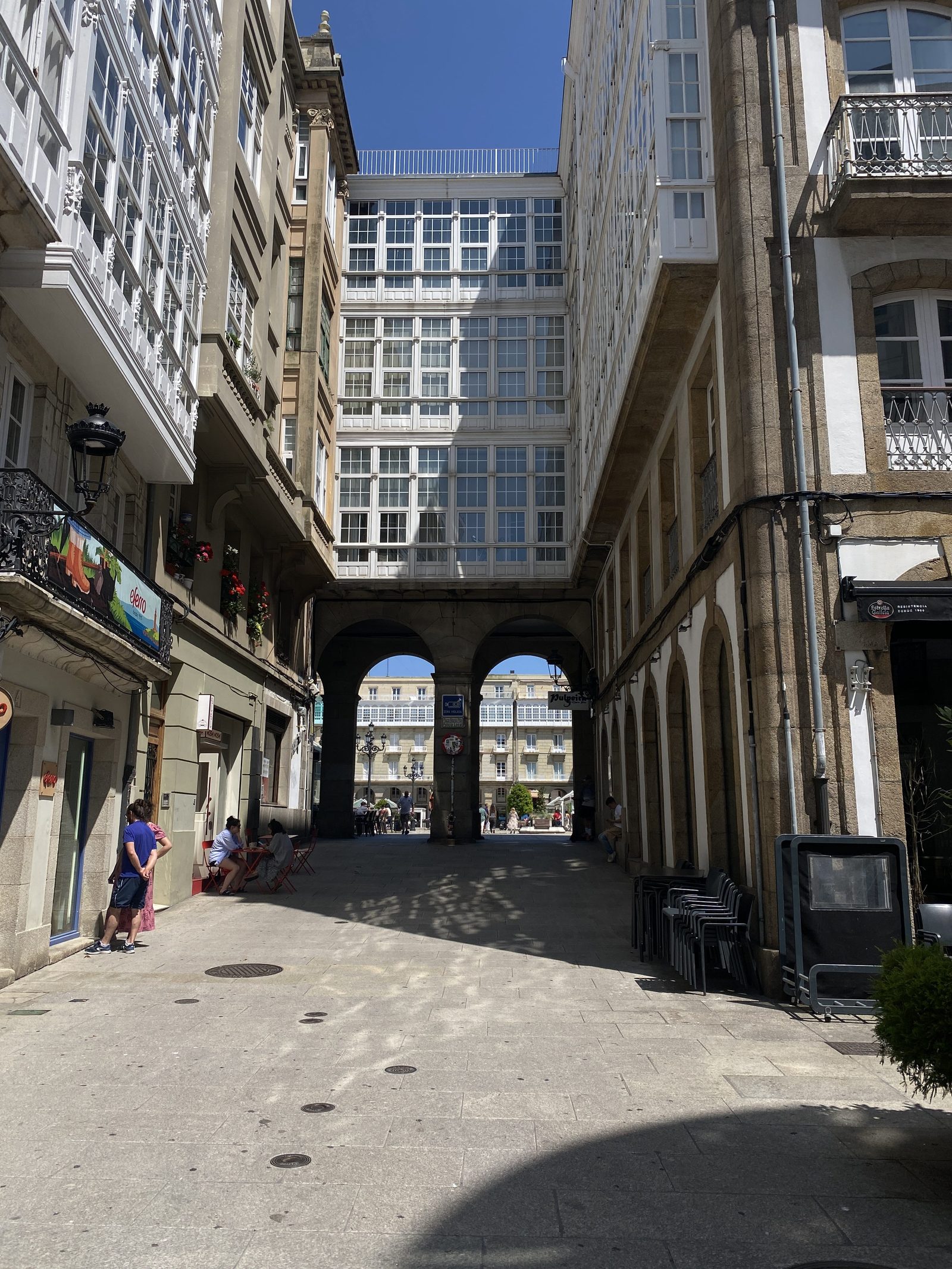
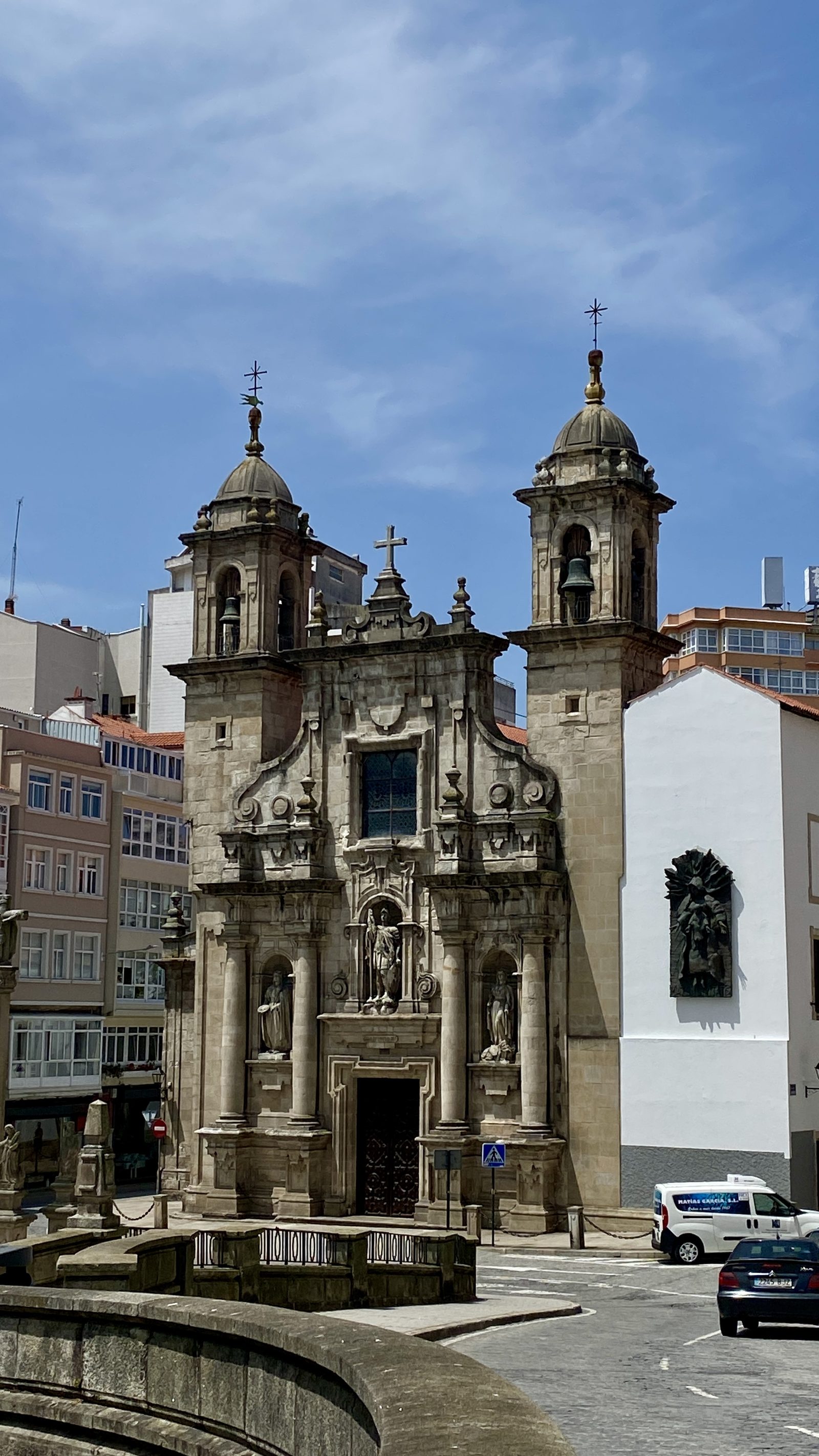
From there, we headed into the Old Town (Ciudad Vieja), wandering through cobbled lanes dotted with tapas bars and traditional shops. Highlights included the Church of Santiago and the lively Plaza de María Pita, where the grand Palacio Municipal stands tall beside a statue of the city’s brave namesake heroine. The Ciudad Vieja square was especially mesmerizing—without a doubt, a true tourist experience that captured all the charm, history, and culture we could hope for.
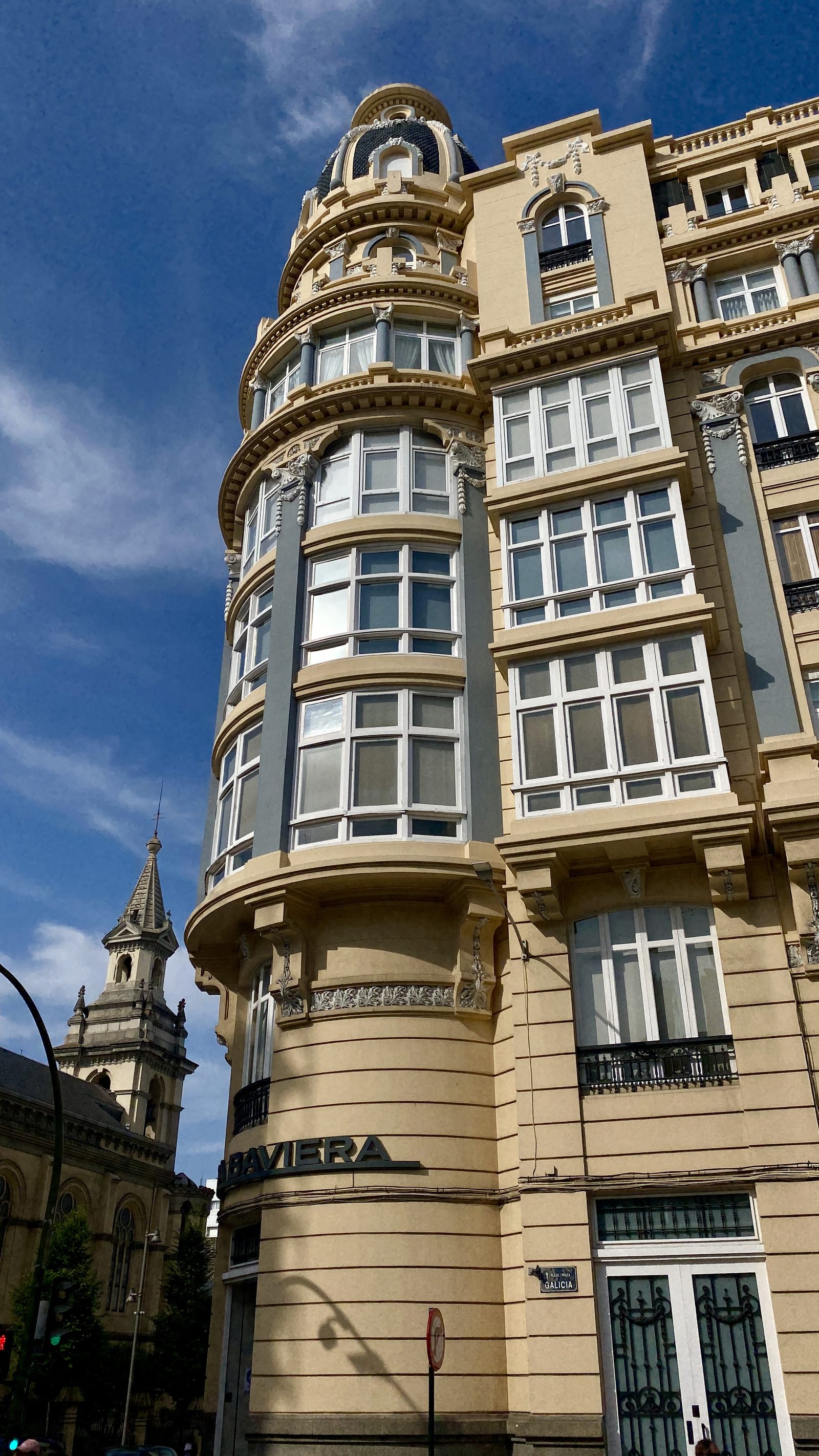
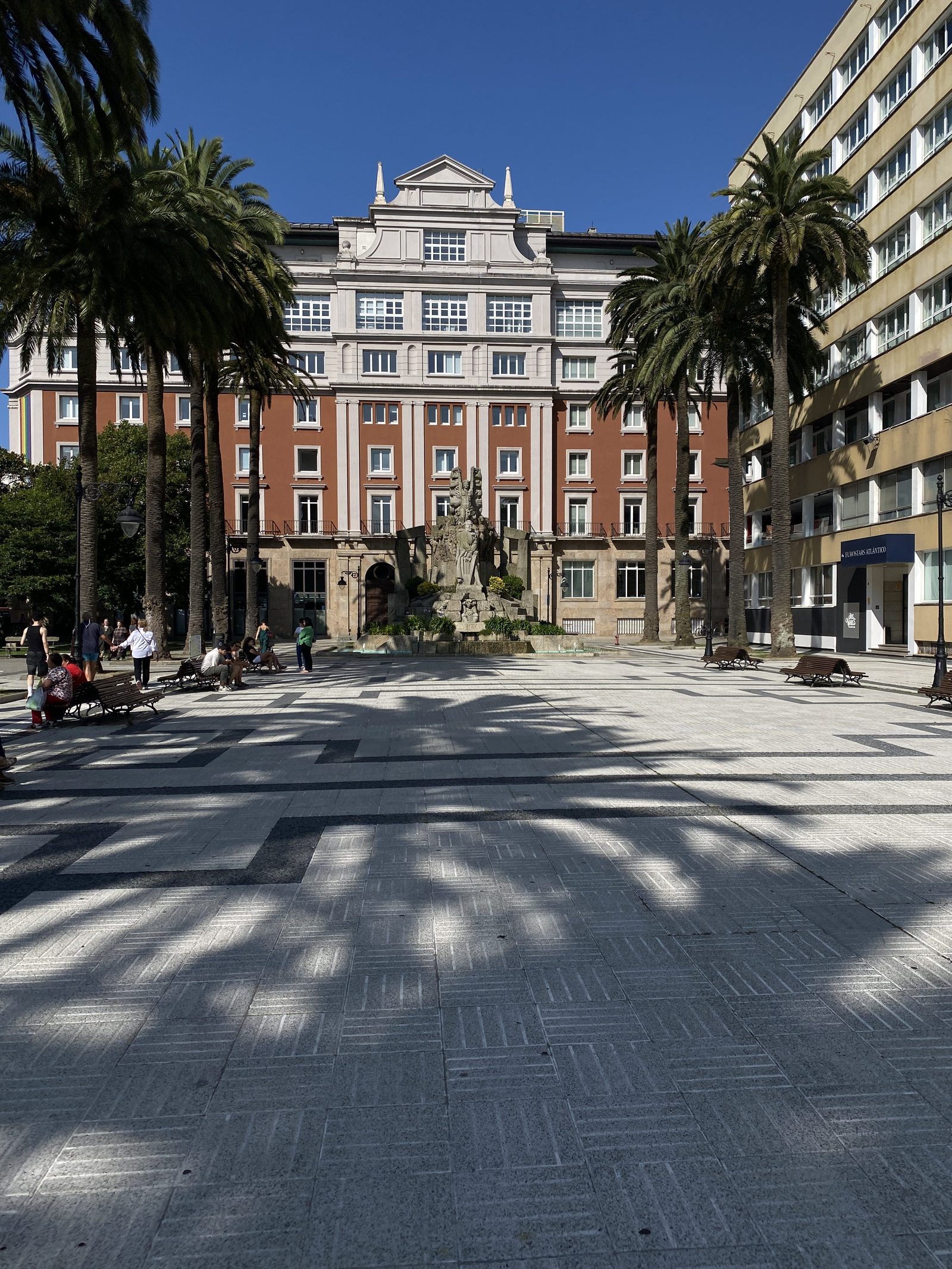
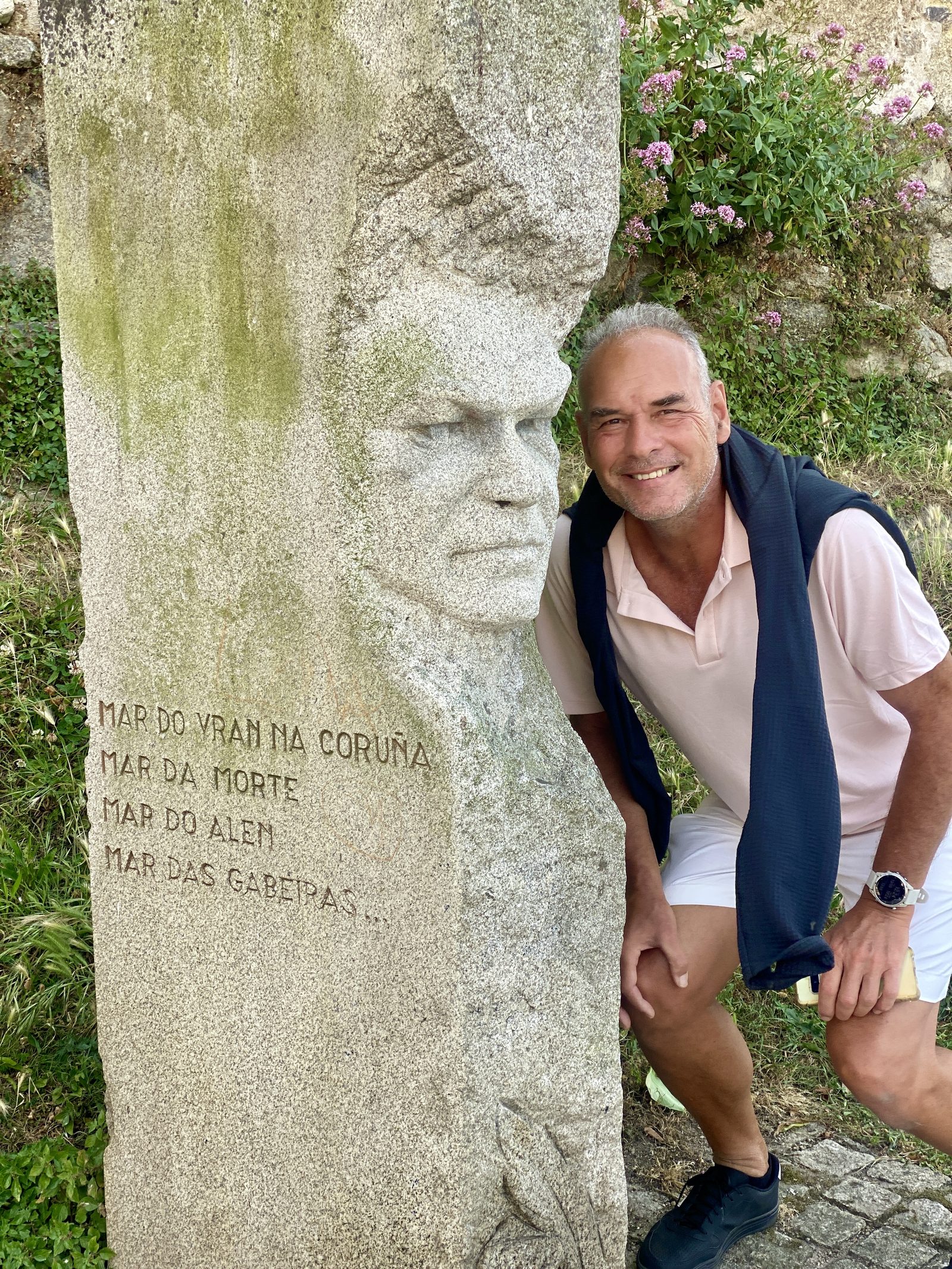
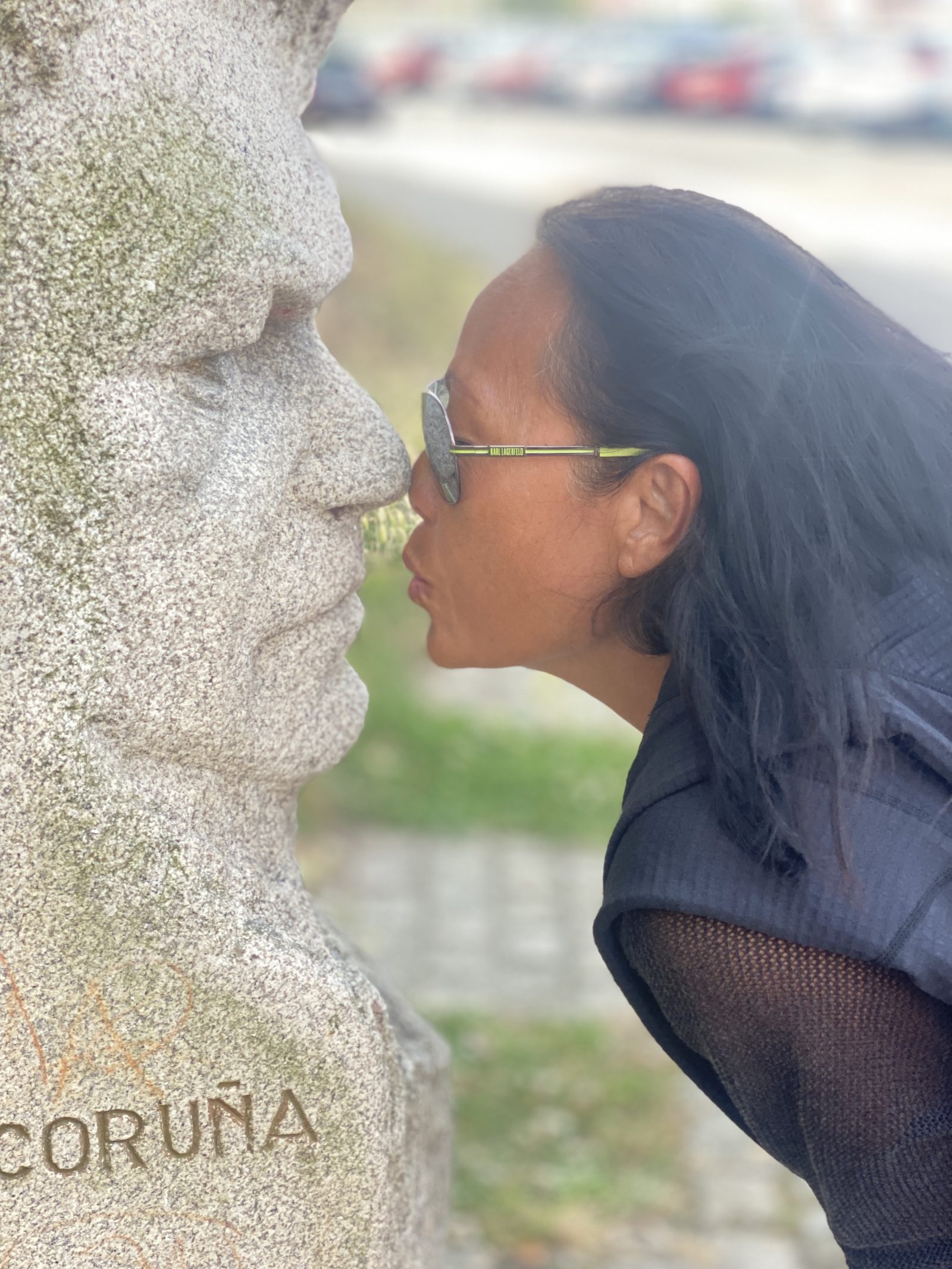
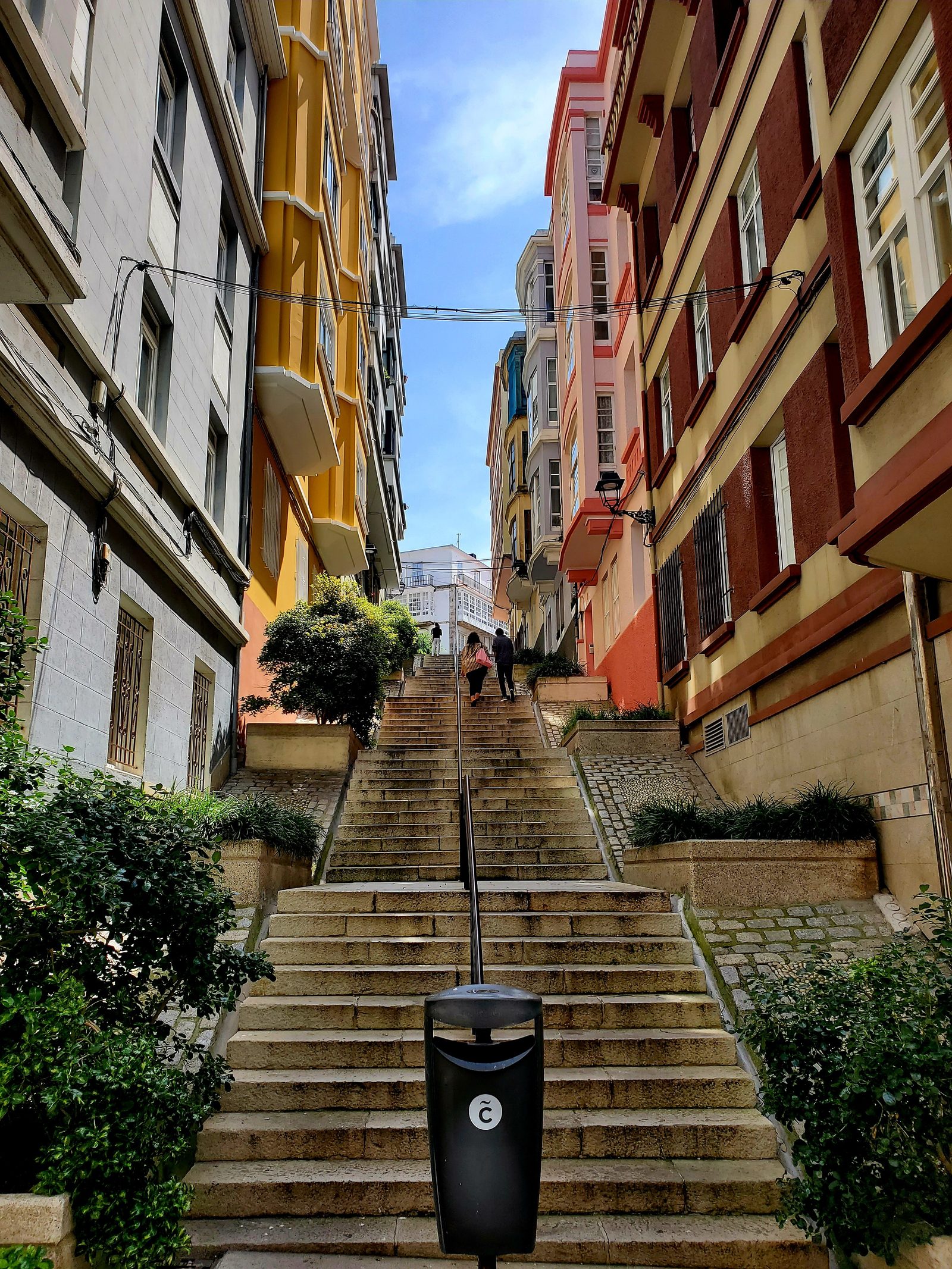
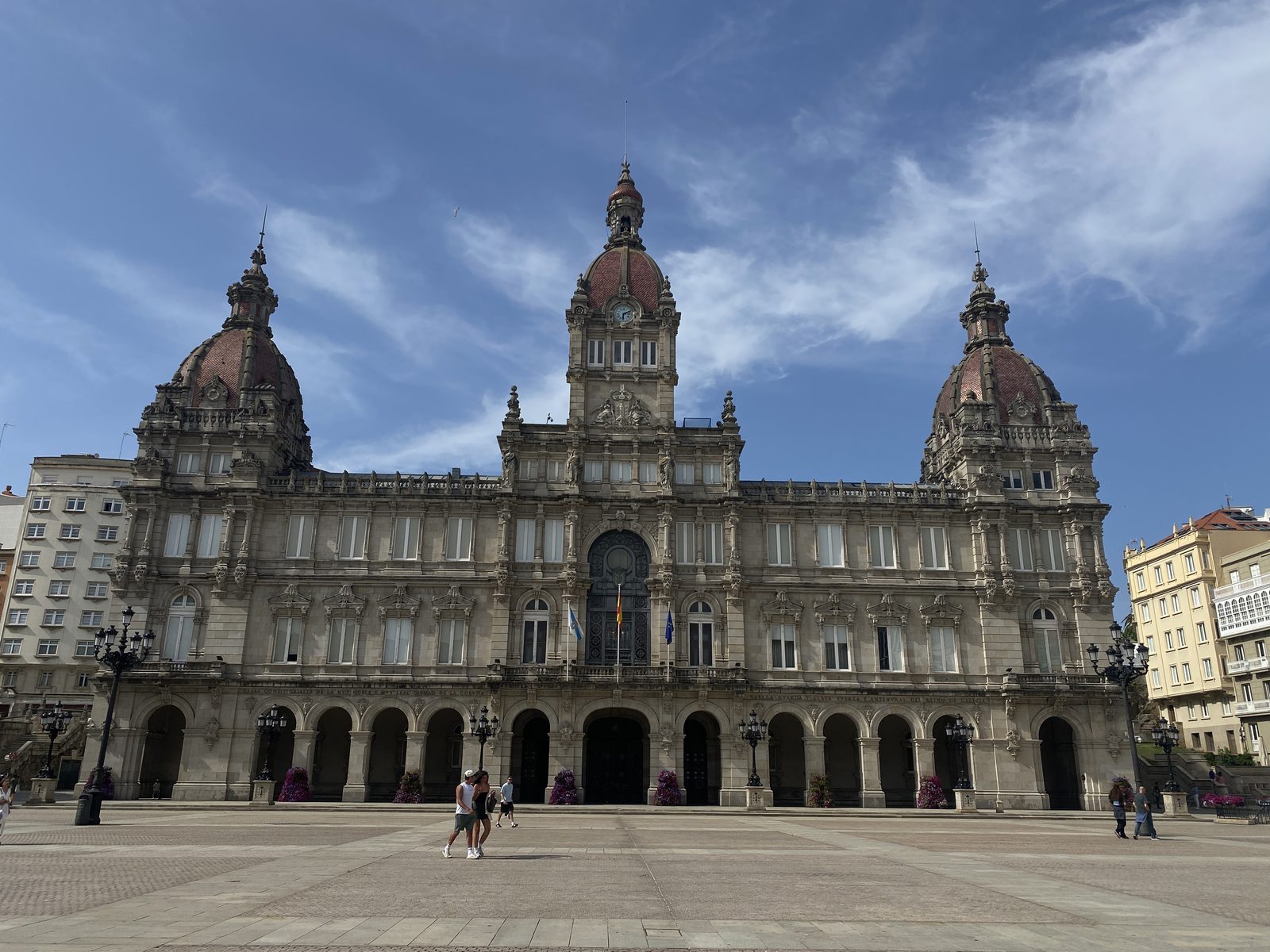
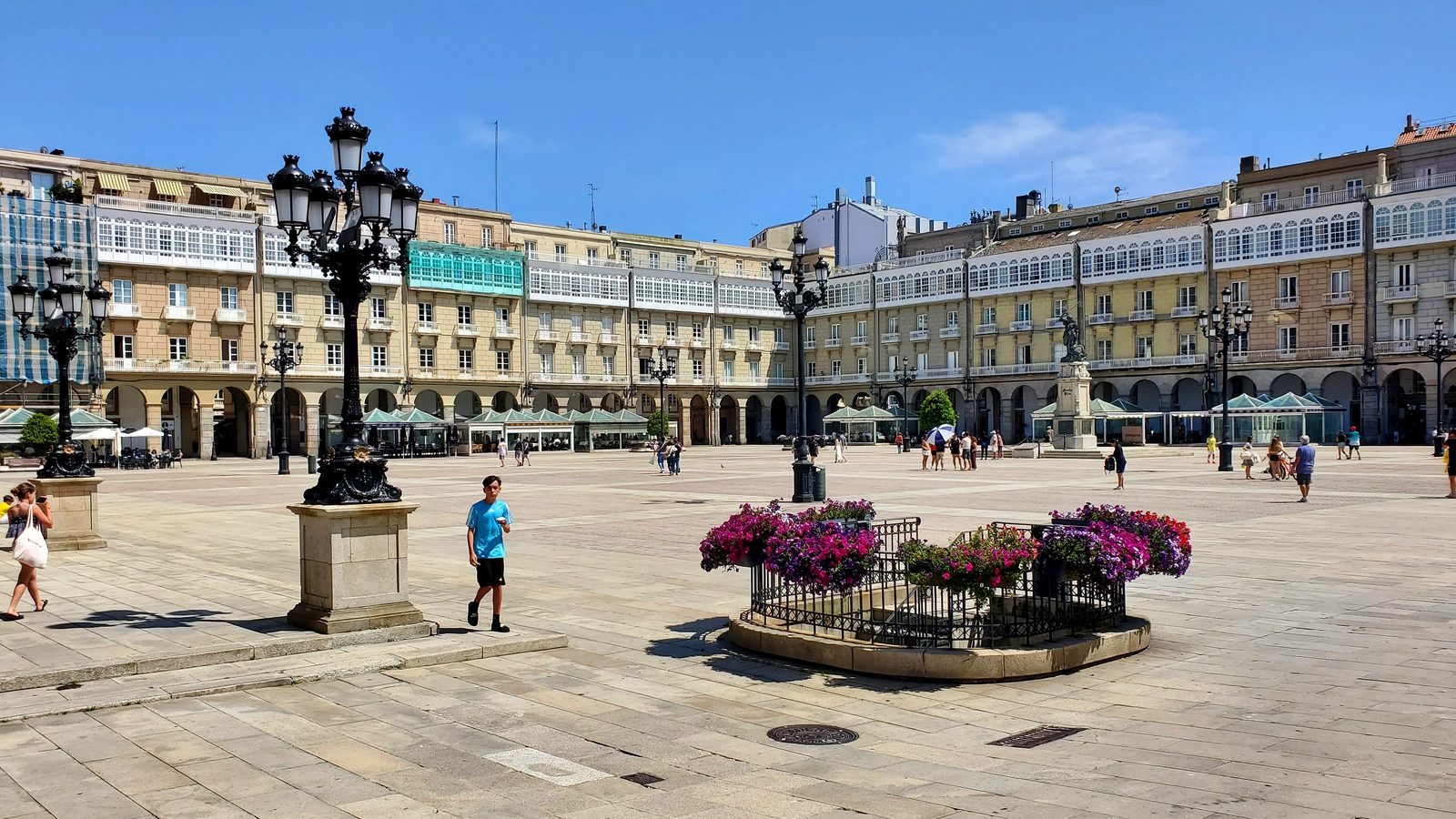
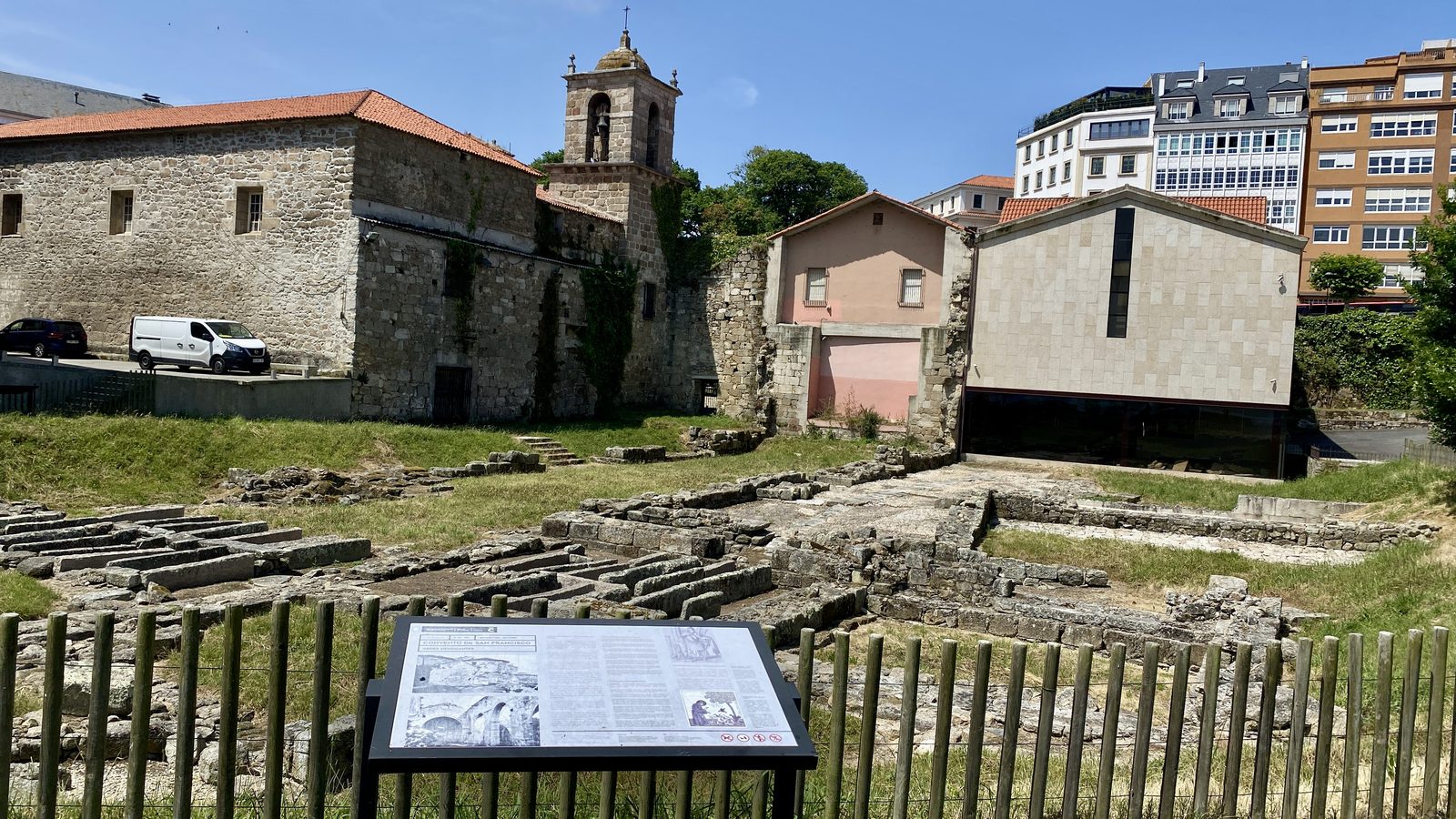
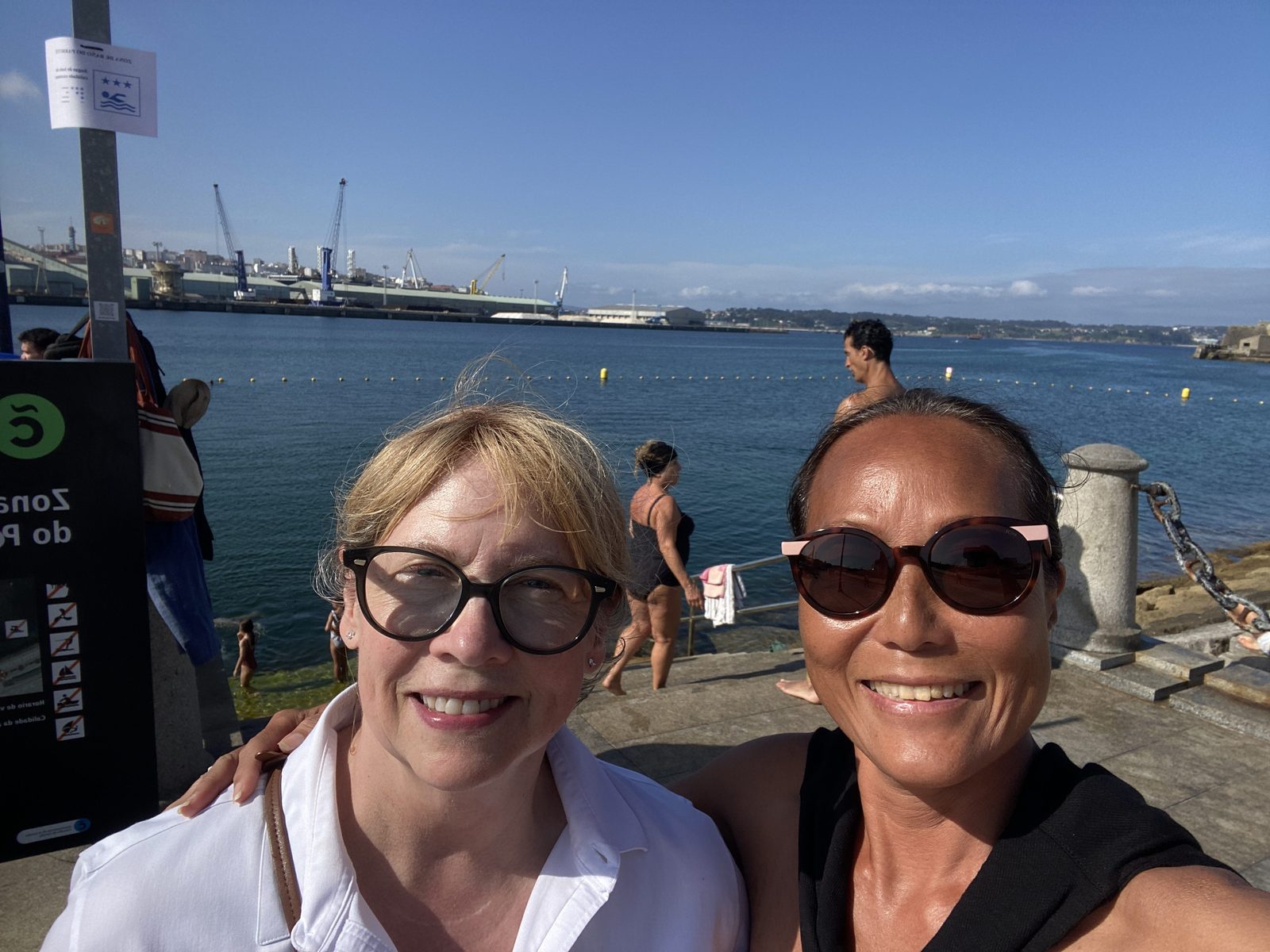
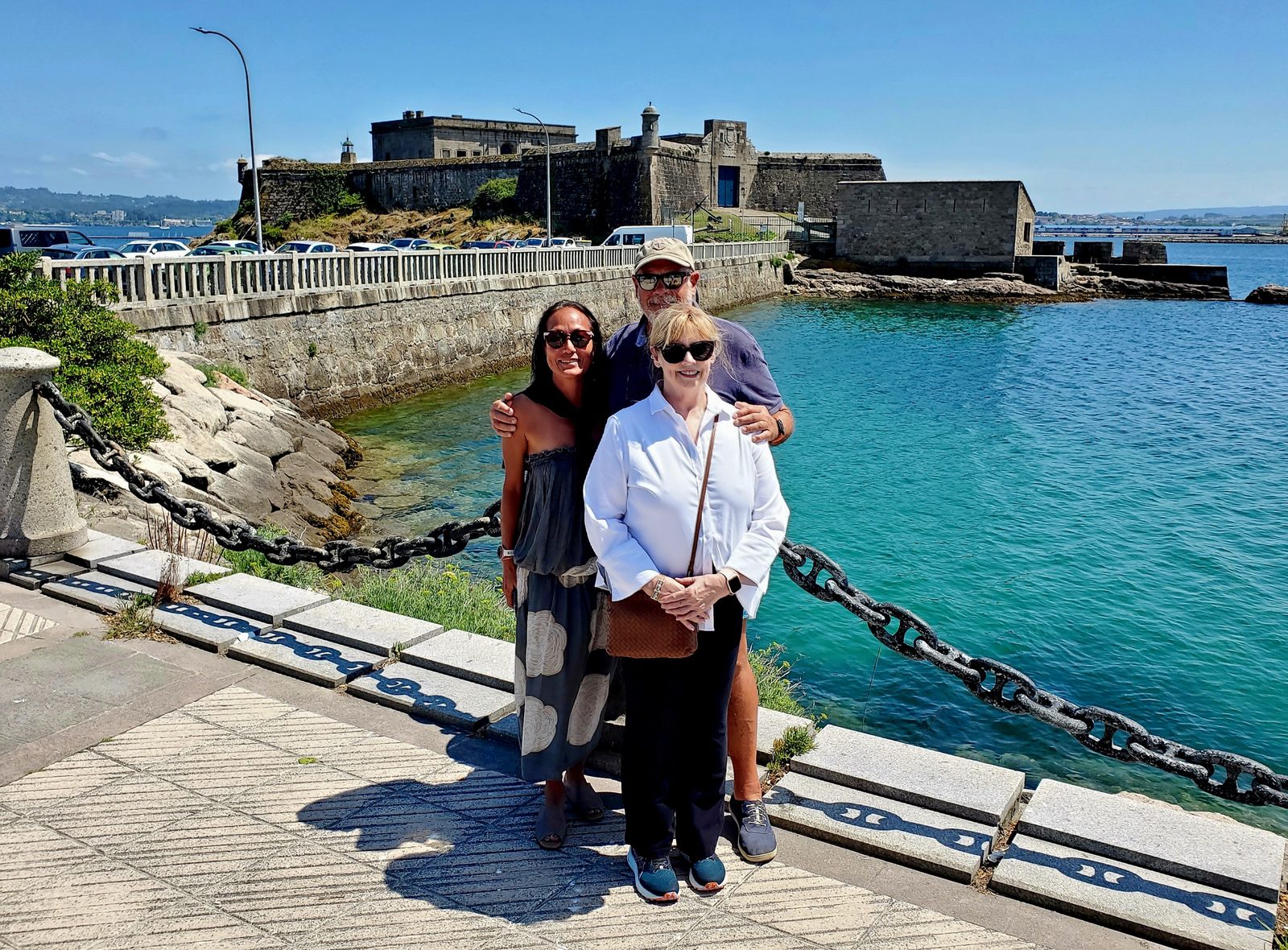
As we were strolling back to the boat one evening, David decided to plunge into the water at Zona de baño de Parrote — a local swim spot where many brave souls take a dip despite the chilly temperatures. Meanwhile, Martin and Ivy were on a geocaching mission around the city, picking up ice cream along the way and browsing authentic local stores selling candy, nuts, and other regional delicacies.
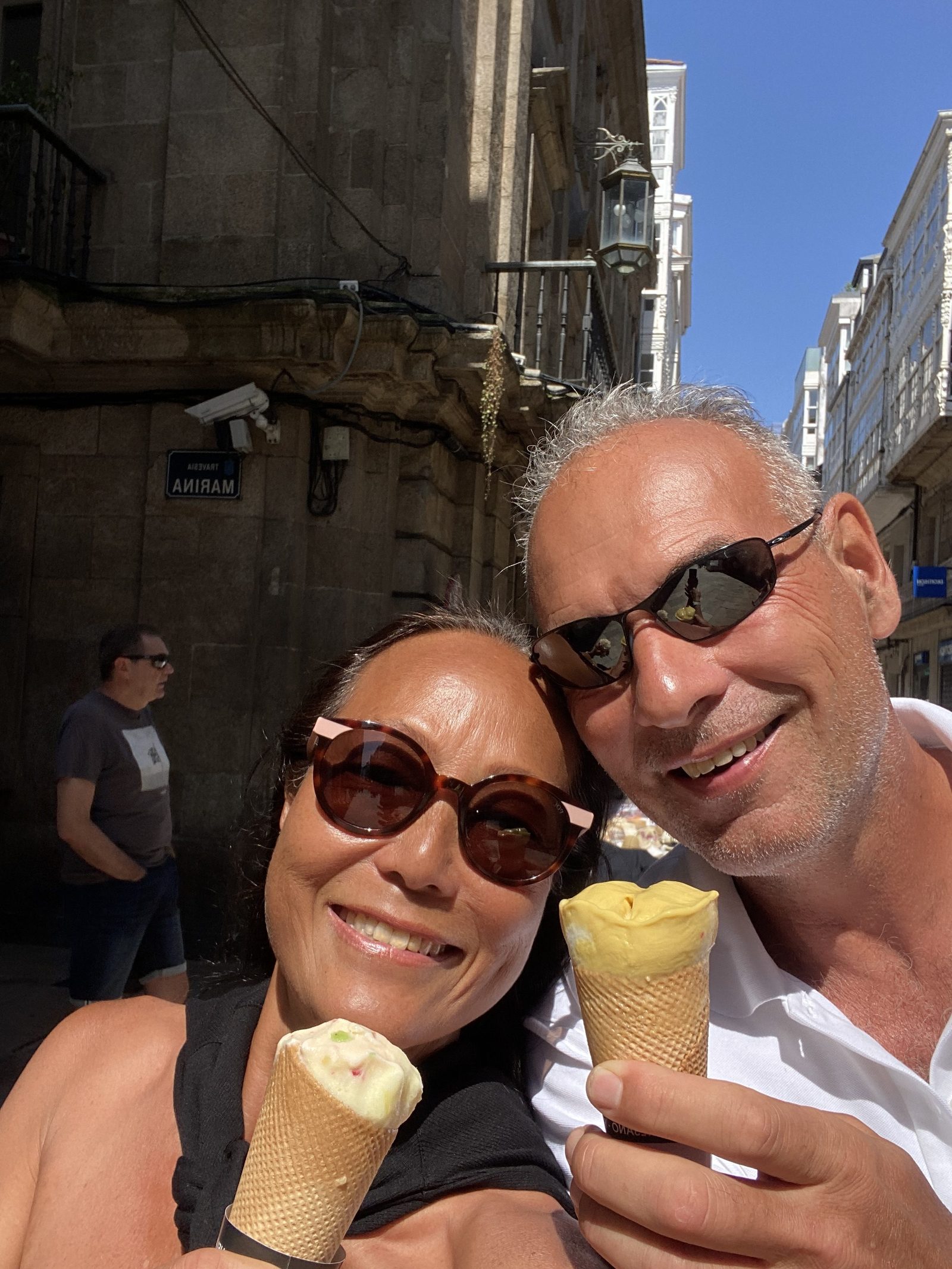
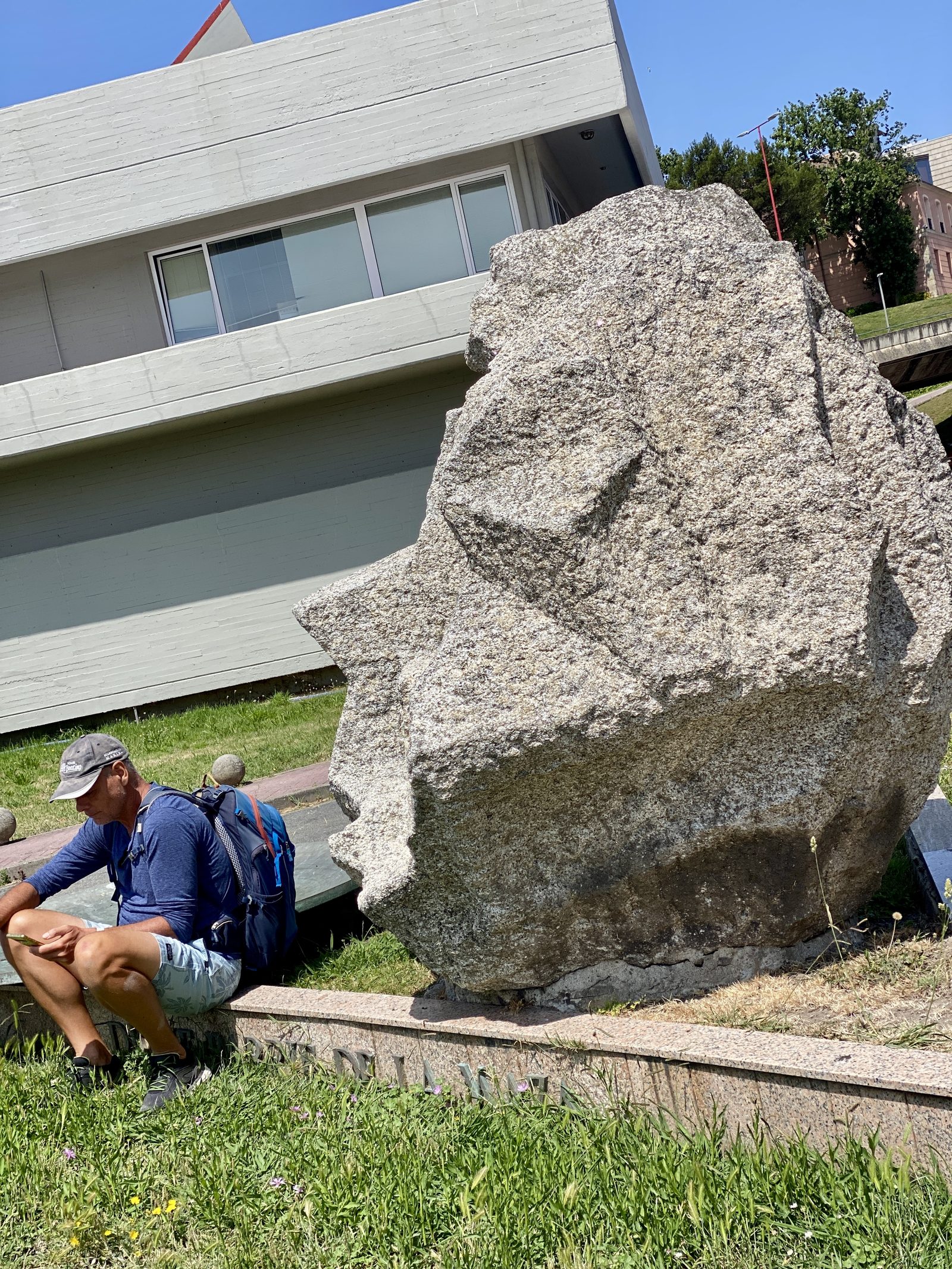
Geocaching ..
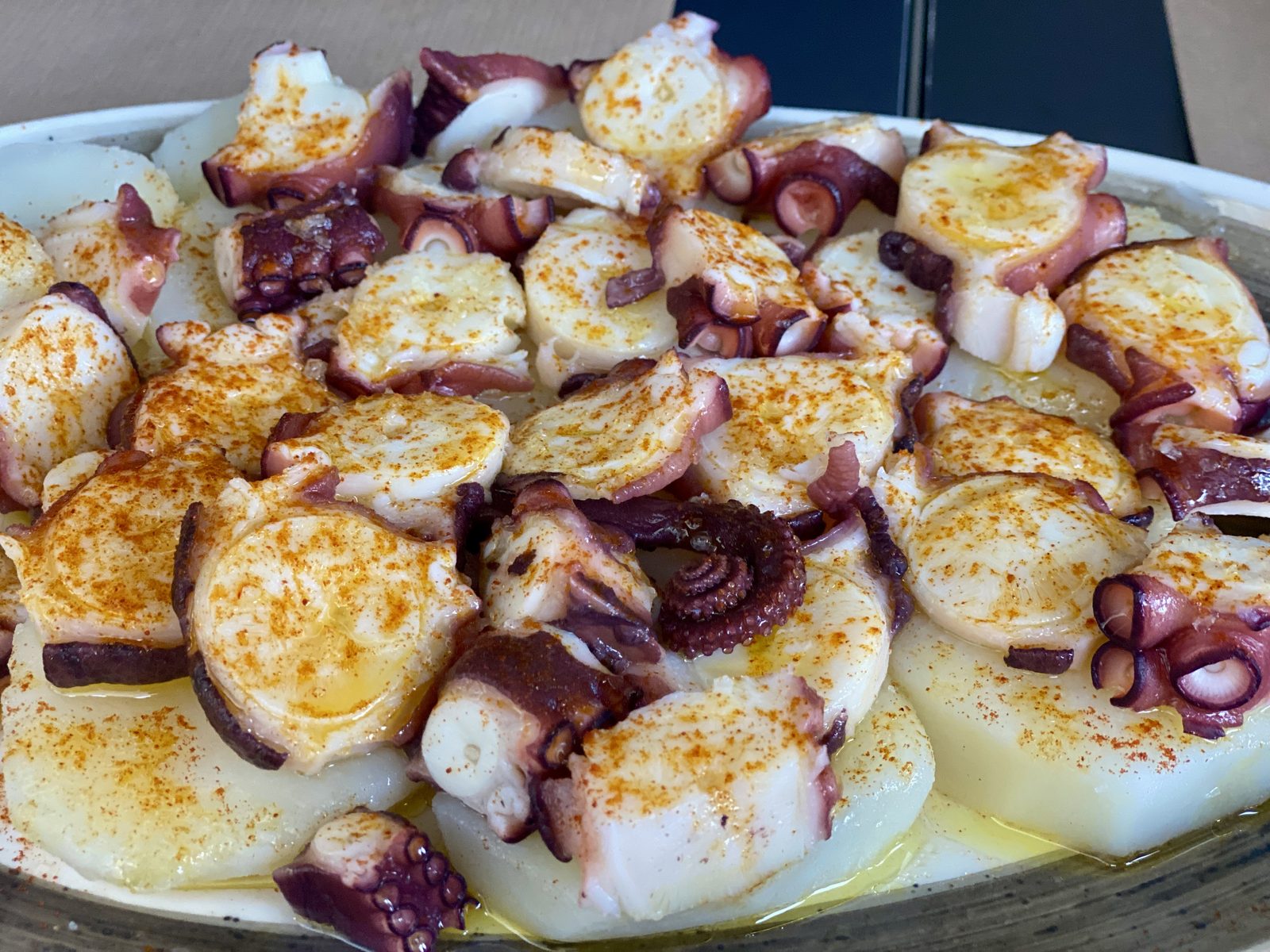
To end the day, we returned to the Pescadería or Plaza de Lugo area for a well-deserved round of tapas and wine. Fresh seafood and local Albariño wine were on the table — with must-try dishes like pulpo a la gallega (Galician-style octopus), empanada, and zamburiñas (small scallops). We’d recommend the restaurant A Taberna de Cunqueiro, where we found the food to be palatable and the atmosphere truly local.